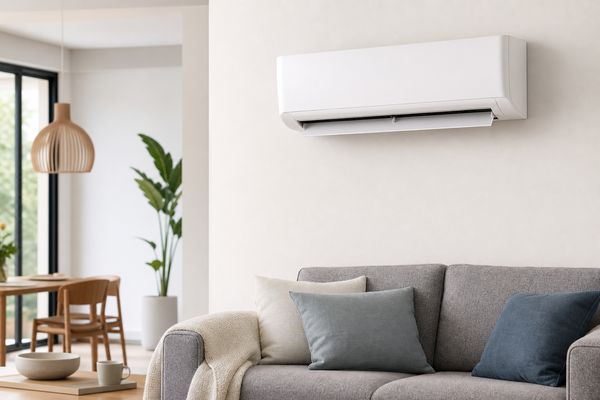
Air Conditioning Replacement

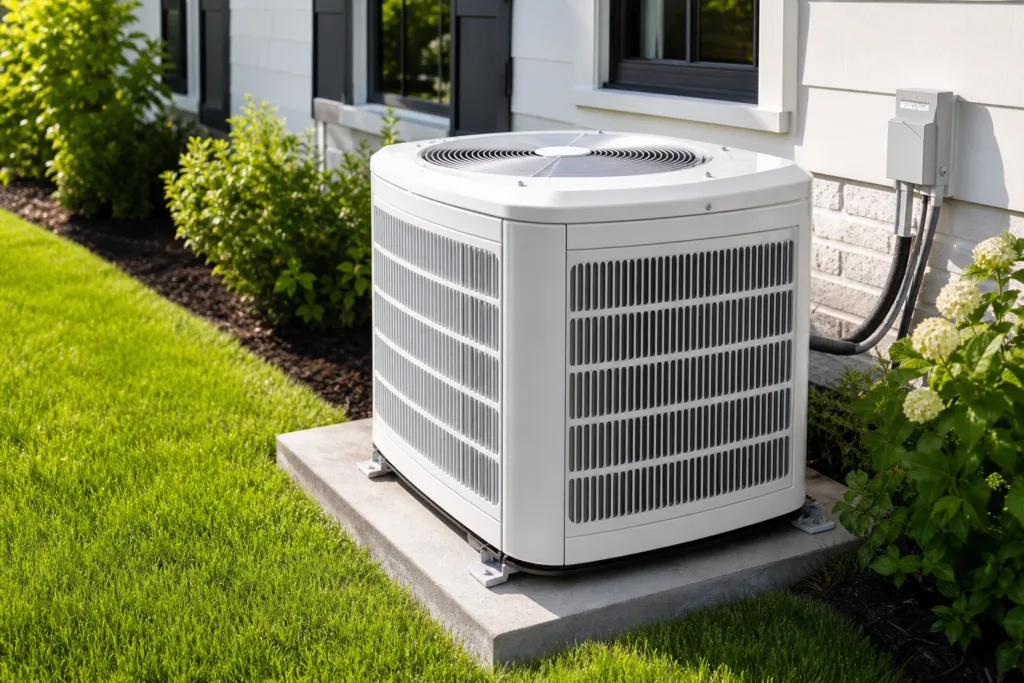
What Is Air Conditioning Replacement?
• Removal and disposal of old equipment
• New condenser unit (outdoor) and evaporator coil (indoor)
• Refrigerant line connections and charging
• Thermostat upgrade (if needed)
• Electrical connections and safety testing
• City permit and final inspection
Top Reasons Homeowners Choose AC Replacement
Rising Energy Bills
Inconsistent Comfort
Expensive Repairs
R-22 Refrigerant Phase-Out
Home Renovation or Sale
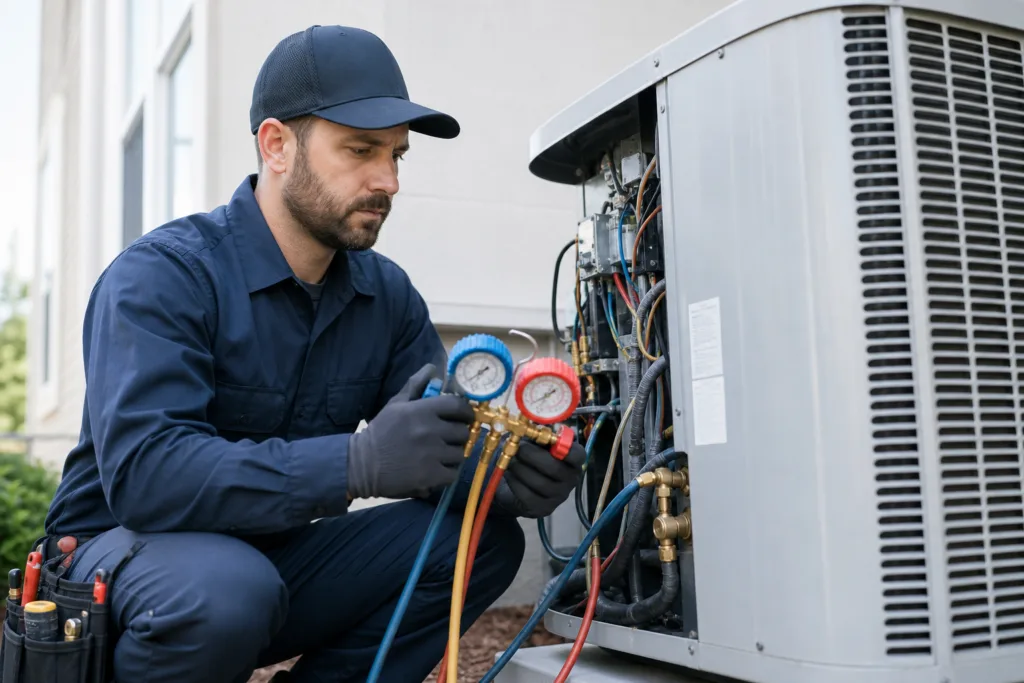
Ready to Compare AC Replacement Quotes?
6 Signs You Need a New Air Conditioner
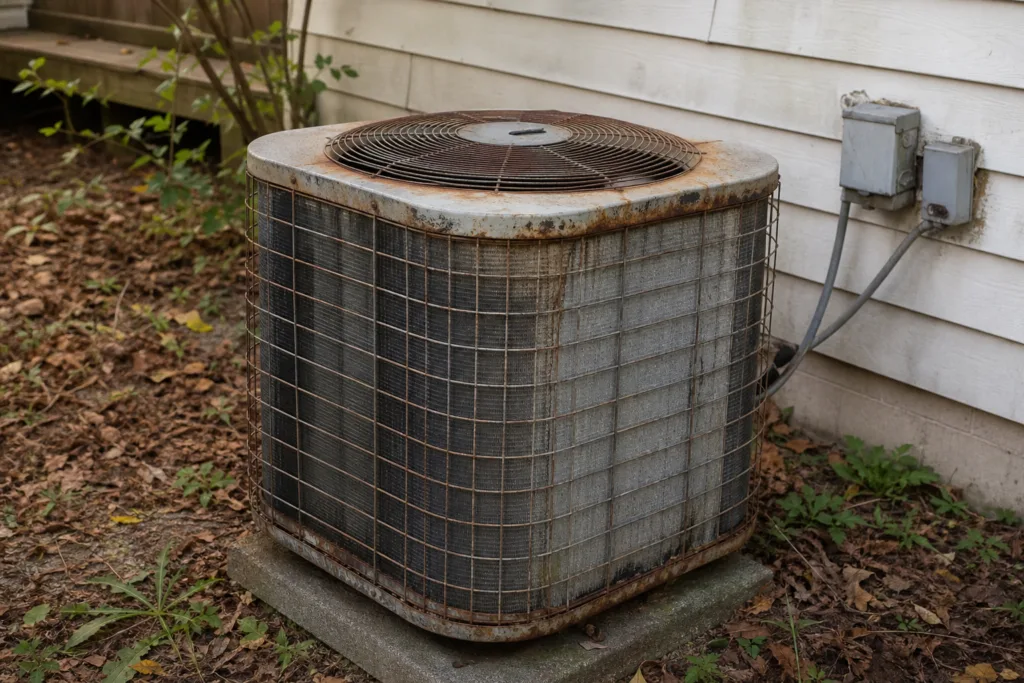
Your System Is 10+ Years Old
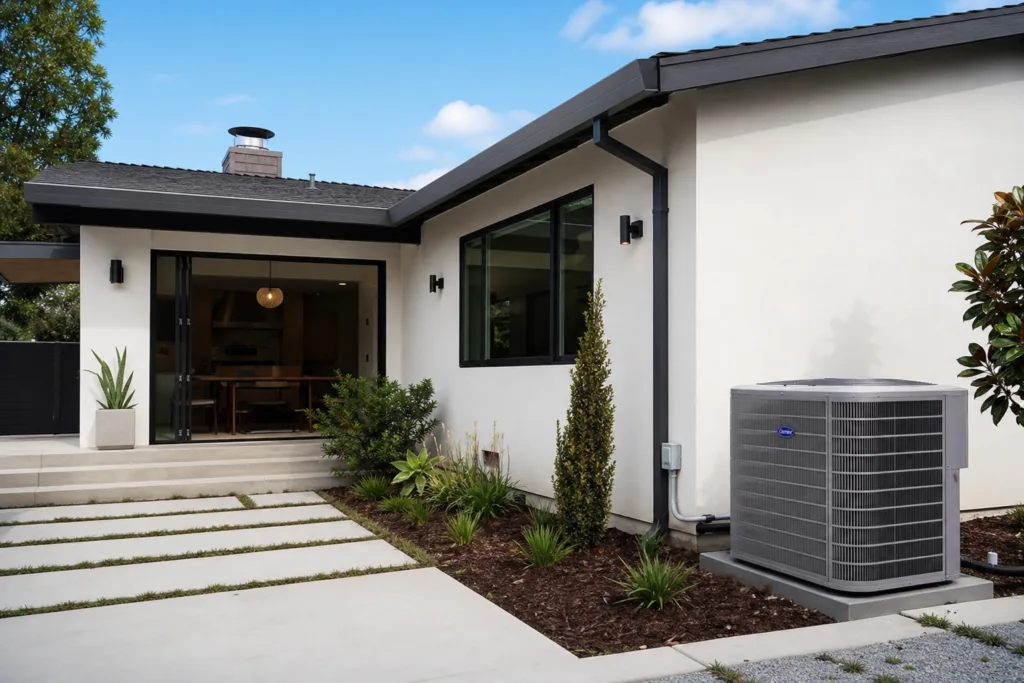
Energy Bills Keep Rising
Frequent Repairs

Uneven Cooling
Strange Noises or Odors
Uses R-22 Refrigerant
What a New AC System Delivers
Lower Energy Bills
Total Home Comfort
Fewer Breakdowns
Better Air Quality
Higher Home Value
Whisper-Quiet
Issues a New AC System Fixes
Hot & Cold Spots
Excess Humidity
Short Cycling
Poor Indoor Air Quality
Excessive Noise
How to Choose the Right AC System
Key Factors to Consider
Proper sizing through a Manual J load calculation is critical. Undersized units run constantly; oversized units short-cycle and waste energy.
Higher SEER = lower energy bills. California requires minimum 15 SEER. Higher ratings mean greater savings over the life of the system.
Top brands include Carrier, Trane, Lennox, Rheem, and Goodman. Look for 10-year parts warranties and labor guarantees.
Leaky or damaged ducts can waste 20–30% of cooled air. Have your ductwork inspected before installing a new system.
The most important factor. A properly installed mid-tier system outperforms a premium unit installed poorly every time.
SEER Rating Guide
Budget-friendly • Meets minimum code • Good for mild climates
Best value • Recommended for SoCal • 20–30% energy savings
Premium • Maximum efficiency • 35–40% savings • Best for long-term homes
💡 Pro Tip
2. Ask about off-season scheduling discounts
3. Check for utility company rebates
4. Don't choose on price alone — installation quality matters most
5. Verify contractor licensing and insurance
Ready to Find Your Perfect AC System?






Pro Tips Before You Buy
Always Get 3+ Quotes
Don't Choose on Price Alone
Get a Ductwork Inspection
Schedule During Off-Season
Should You Repair or Replace?
🔧 Consider Repair If...
• First-time issue or minor problem
• System still uses modern refrigerant
• No comfort or efficiency complaints
• Repair is a simple, one-time fix
✨ Replace If...
• Multiple repairs per year
• Uses R-22 refrigerant
• Rising energy bills
• Uneven cooling or comfort issues
• Constant breakdowns and service calls
Complete Guide
The Complete Guide to Air Conditioning Replacement
Understanding When Your AC Needs Replacement
Every air conditioning system has a finite lifespan, typically ranging from 15 to 20 years with proper maintenance. However, many homeowners wait until their system fails completely before considering replacement — often during the hottest days of summer when emergency service rates are highest and contractor availability is lowest.
The smartest approach is to plan your replacement proactively. Pay attention to the warning signs: escalating energy bills, increasingly frequent repair calls, inconsistent cooling throughout your home, unusual noises, and declining air quality. If your system uses R-22 refrigerant (commonly known as Freon), replacement is especially urgent since R-22 was phased out of production in 2020 and remaining supplies are extremely limited and expensive.
By planning ahead, you gain the advantage of comparing multiple quotes, researching the best equipment options, scheduling installation during off-peak seasons when contractors offer better availability and potentially lower rates, and avoiding the stress and discomfort of an emergency breakdown.
How Modern AC Systems Compare to Older Units
The technology in air conditioning has advanced dramatically over the past decade. Modern systems offer significant improvements in every measurable category:
Energy Efficiency: Today's AC units achieve SEER (Seasonal Energy Efficiency Ratio) ratings of 14 to 25+, compared to older systems that may operate at just 8 to 10 SEER. This means a new system can reduce your cooling energy consumption by 20–40% or more, translating directly to lower monthly utility bills.
Comfort Features: Variable-speed compressors and multi-stage cooling allow modern units to precisely match output to demand. Instead of cycling between full-blast and off (creating uncomfortable temperature swings), these systems run continuously at lower power, maintaining even temperatures throughout your home and better controlling humidity levels.
Noise Reduction: Older AC units can produce 75+ decibels of noise. Modern units operate at 55–65 decibels — quieter than a normal conversation — thanks to improved compressor technology, sound-dampening materials, and better engineering.
Environmental Impact: New systems use R-410A or R-32 refrigerant, which have zero ozone depletion potential. They also consume significantly less electricity, reducing your carbon footprint while keeping your home comfortable.
Smart Integration: Many modern systems are compatible with smart thermostats and home automation systems, allowing you to control your comfort remotely, set schedules, and optimize energy usage based on your actual patterns.
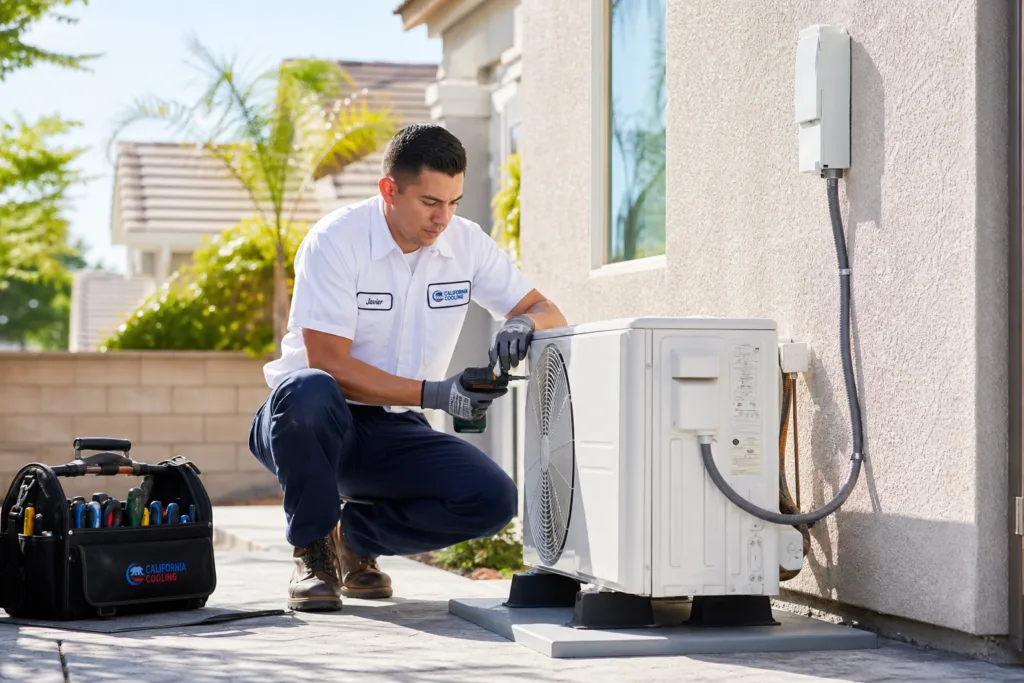
The AC Replacement Process: What to Expect
Understanding the replacement process helps you prepare and ensures you know what to look for from your contractor:
Step 1: Home Assessment & Load Calculation. A qualified contractor performs a Manual J load calculation, which considers your home's square footage, insulation quality, window types and orientation, ceiling height, local climate, and other factors. This determines the correct system size (measured in tons) for your specific home. Proper sizing is critical — an undersized system runs constantly without adequately cooling, while an oversized system short-cycles, wasting energy and failing to properly dehumidify.
Step 2: Equipment Selection. Based on the load calculation, your contractor recommends appropriate equipment options. Key decisions include the SEER efficiency rating, single-stage vs. two-stage vs. variable-speed compressor, brand and warranty coverage, and whether any additional components (like a new thermostat or air handler) should be included.
Step 3: Ductwork Inspection. Before installing new equipment, existing ductwork should be inspected for leaks, damage, and proper sizing. Studies show that leaky ducts can waste 20–30% of cooled air, so addressing ductwork issues before or during installation maximizes the benefit of your new system.
Step 4: Permitting. Most jurisdictions require permits for HVAC replacement. Licensed contractors handle this process as part of their service, ensuring all work meets local building codes and passes inspection.
Step 5: Installation. Professional installation typically takes 1 day for a straightforward replacement or 2–3 days if ductwork modifications, electrical upgrades, or complex configurations are needed. The process includes removing old equipment, installing the new outdoor condenser and indoor evaporator coil, connecting refrigerant lines, charging the system, making electrical connections, and performing thorough testing.
Step 6: Testing & Commissioning. After installation, the system is tested for proper airflow, refrigerant charge, electrical operation, thermostat calibration, and overall performance. Your contractor should walk you through system operation, filter maintenance, and warranty registration.
Why Comparing Multiple Quotes Matters
One of the most important steps in the AC replacement process is getting multiple quotes from different contractors. Here's why this matters so much:
Significant Price Variations: The same job can vary dramatically in price between contractors. By comparing 3 or more quotes, you see the full market range and can identify both overpriced and suspiciously cheap bids.

Different Recommendations: Different contractors may recommend different equipment based on their brand partnerships, expertise, and assessment of your home. Multiple opinions help you understand your options more completely.
Negotiating Leverage: When contractors know they're competing for your business, they're more likely to offer their best pricing and include additional value like extended warranties, maintenance agreements, or thermostat upgrades.
Quality Assessment: Meeting multiple contractors gives you the opportunity to evaluate their professionalism, communication skills, and expertise. The right contractor isn't always the cheapest — installation quality is the single most important factor in system performance and longevity.
At 3 HVAC Quotes, we make this process simple. Fill out one form, and we connect you with three licensed, pre-screened HVAC contractors in your area who compete for your business. You compare their quotes, ask questions, and choose the best option for your home and budget.
Maintaining Your New AC System
Once your new air conditioner is installed, proper maintenance ensures it performs at peak efficiency throughout its entire lifespan:
Filter Changes: Replace or clean your air filter every 1–3 months, depending on the filter type and household factors like pets and allergies. A clogged filter forces your system to work harder, reducing efficiency and potentially causing damage.
Annual Professional Maintenance: Schedule a professional tune-up once a year, ideally in spring before cooling season begins. A technician will check refrigerant levels, clean coils, inspect electrical connections, test thermostat calibration, and identify potential issues before they become expensive problems.
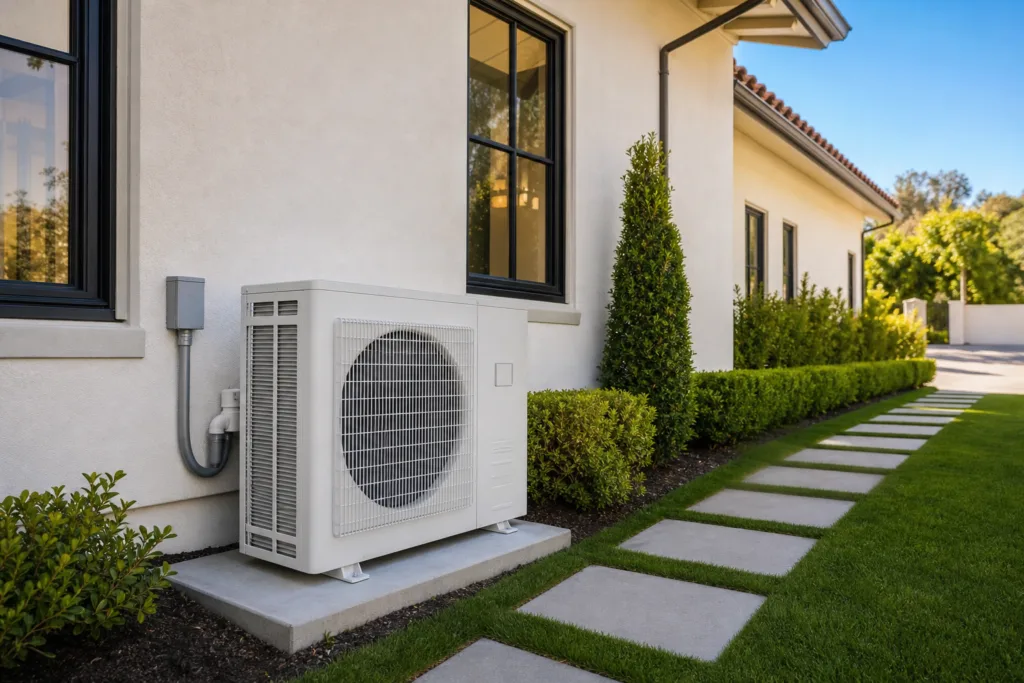
Keep the Outdoor Unit Clear: Maintain at least 2 feet of clearance around your outdoor condenser unit. Trim vegetation, remove debris, and ensure nothing blocks airflow.
Monitor Performance: Pay attention to changes in cooling effectiveness, unusual noises, or spikes in energy bills. Early detection of problems prevents costly repairs and extends system life.
Use Your Thermostat Wisely: A programmable or smart thermostat can save significant energy by automatically adjusting temperatures based on your schedule. Setting your thermostat 7–10 degrees higher when you're away can reduce cooling costs substantially.
AC Replacement Service Areas in California
AC Replacement FAQ
How long does AC installation take?
What SEER rating should I look for?
Should I replace my furnace at the same time?
How do I know what size AC I need?
Is it worth replacing or should I repair?
Does a new AC system need to meet California's Title 24 energy code?
Do I need a permit for AC replacement?
Why do outdoor AC units near the California coast corrode faster?
Can I get a utility rebate for replacing an older AC system in California?
Will a new AC lower my energy bills?
How much does AC replacement cost?
Is financing available for AC replacement?
Related HVAC Services
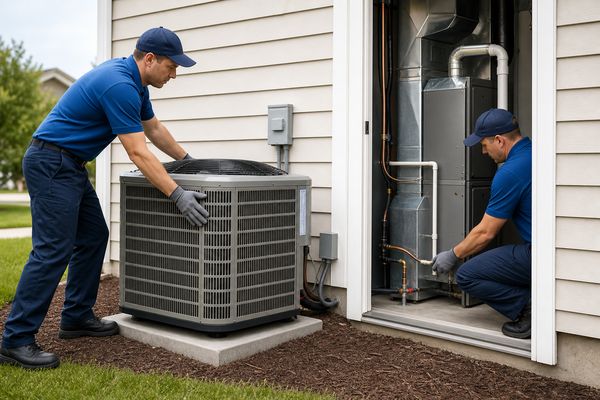
Complete HVAC System
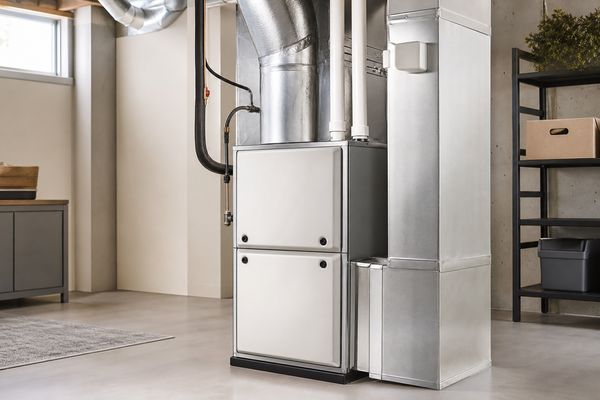
Furnace Replacement
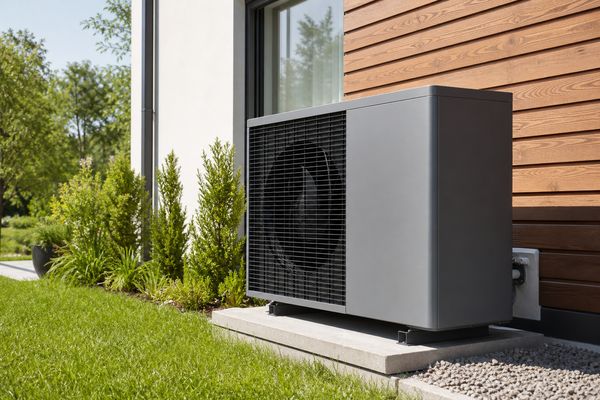
Heat Pumps