
Air Conditioning in Carlsbad, CA

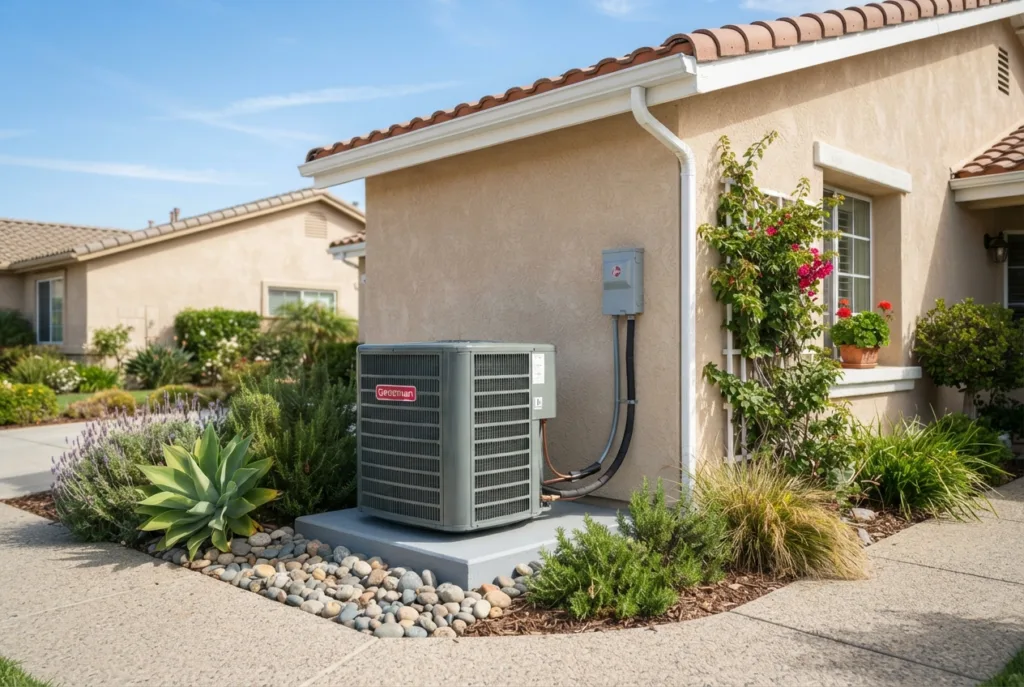
What Is Air Conditioning & When Do You Need It?
• Central air conditioning installation and replacement
• Ductless mini-split system installation
• Heat pump installation and conversion
• AC system sizing and load calculations
• Thermostat and smart control upgrades
• Ductwork inspection, sealing, and repair
• Energy efficiency assessments and SEER upgrades
Top Reasons Carlsbad Homeowners Need Air Conditioning
California Summers Demand Reliable Cooling
Indoor Air Quality Is Tied to Your AC System
Energy Efficiency Has Improved Dramatically
Proper Sizing Prevents Long-Term Problems
Your Home's Layout Affects System Selection
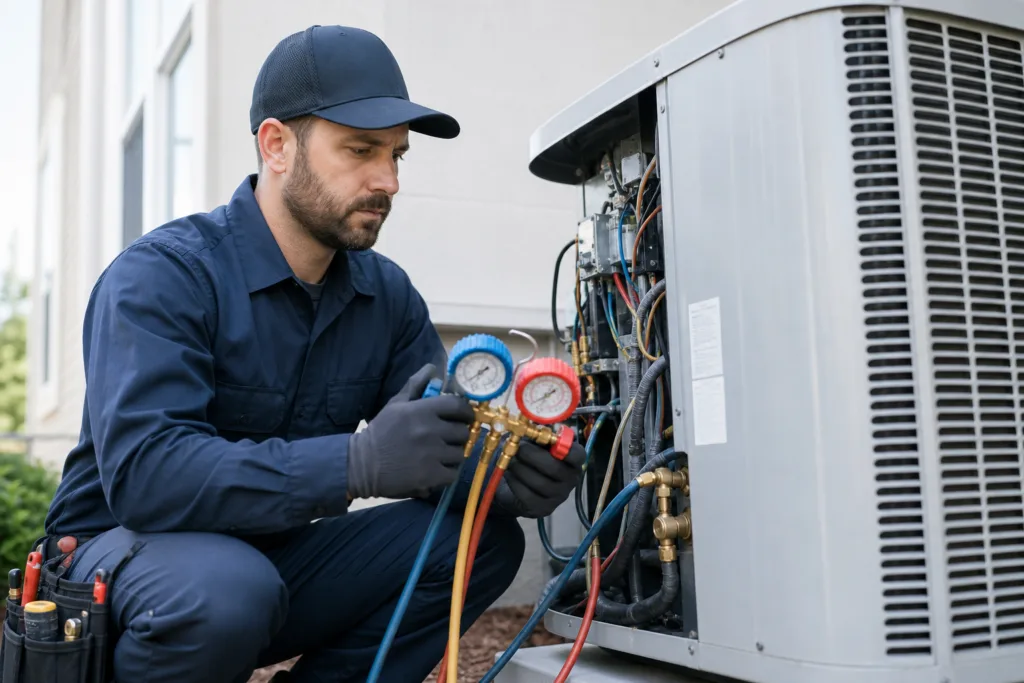
Ready to Compare Air Conditioning Quotes in Carlsbad?
6 Signs Your Air Conditioning System Needs Attention
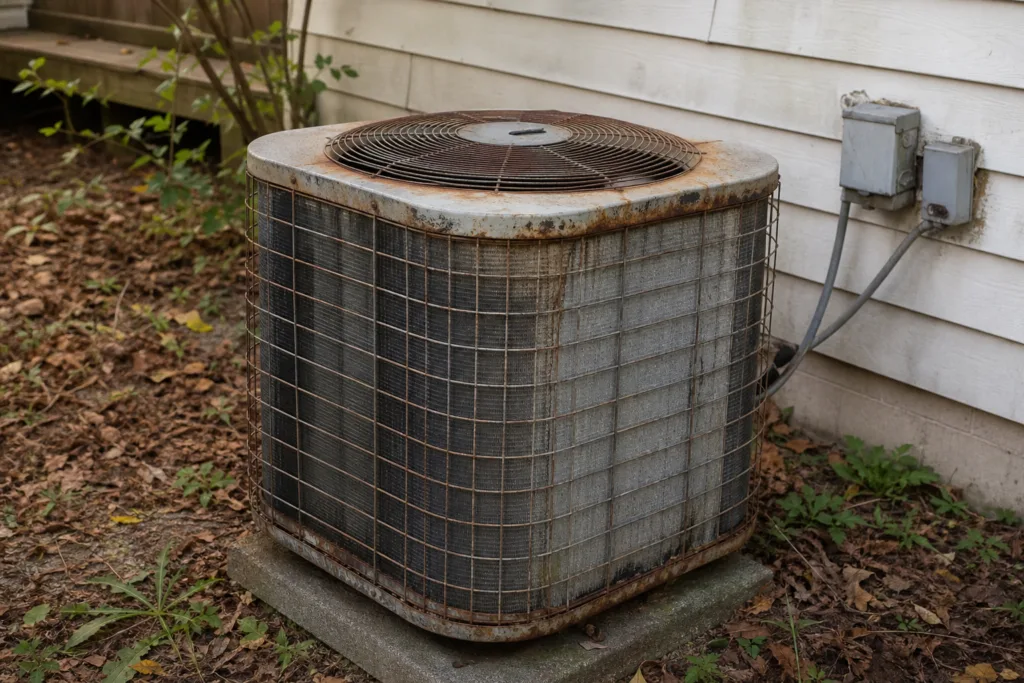
Rooms That Never Reach the Set Temperature
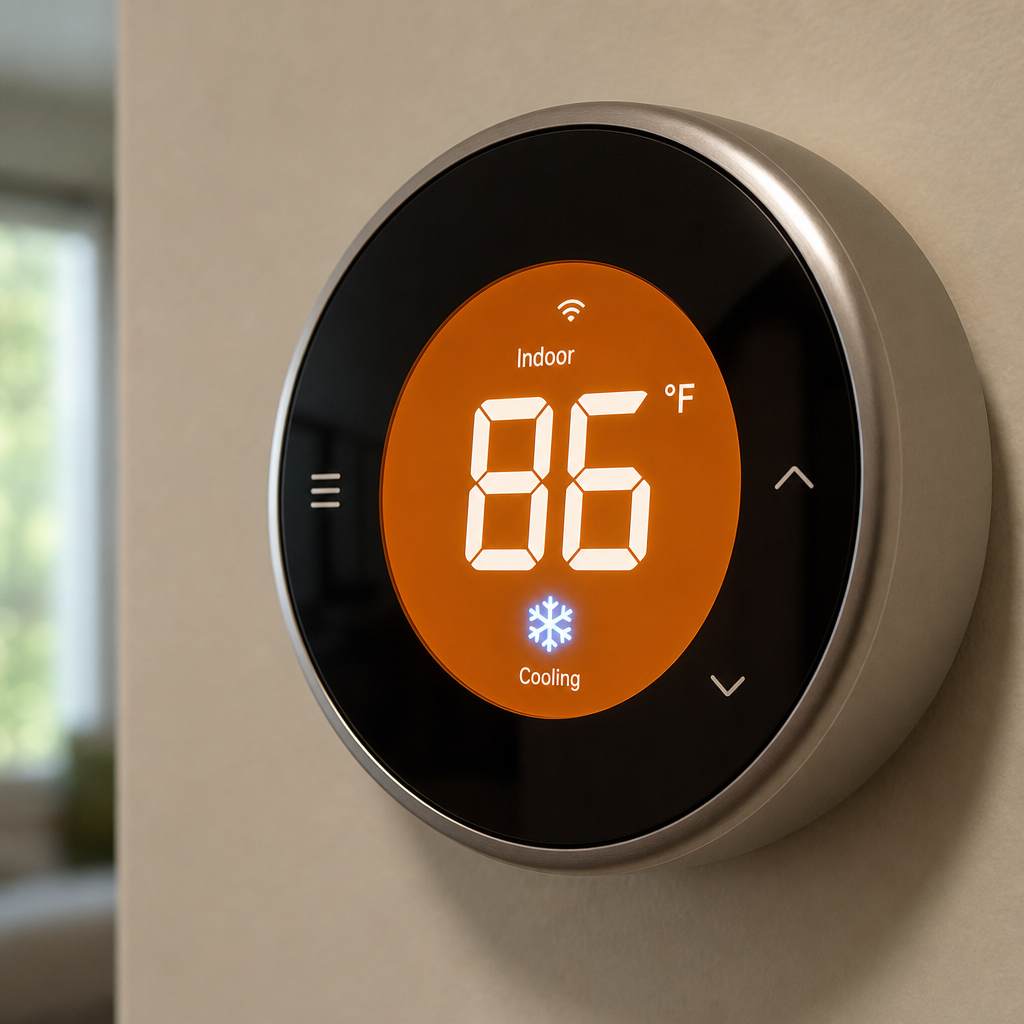
Humidity Feels High Even When the AC Is Running
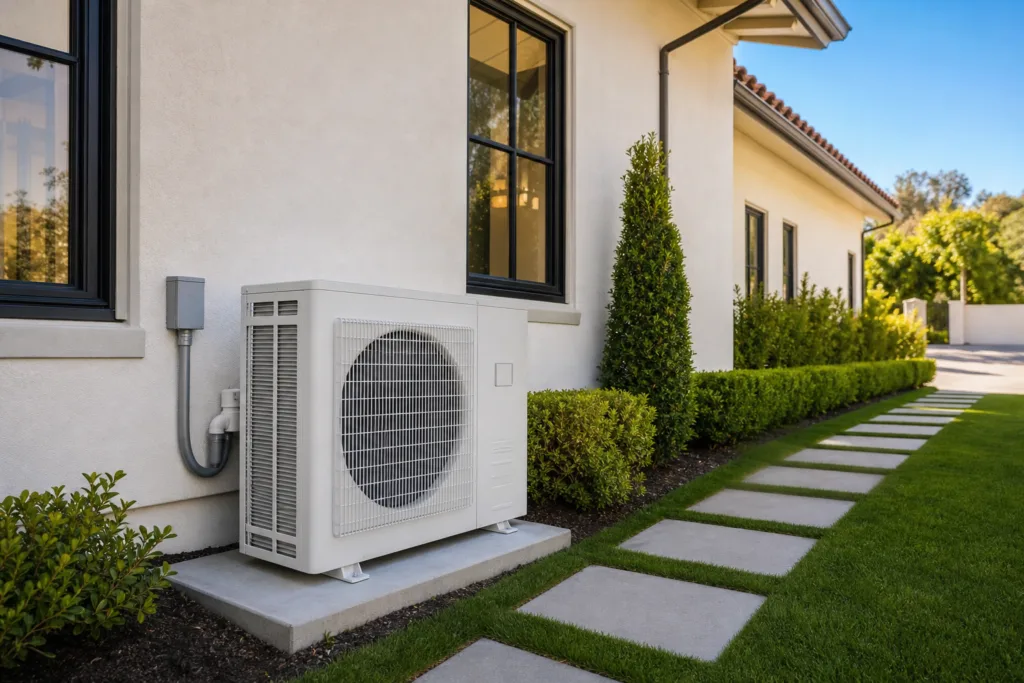
Unusual Noises From the Indoor or Outdoor Unit

The System Runs Constantly Without Cycling Off
Visible Ice on Refrigerant Lines or the Indoor Coil
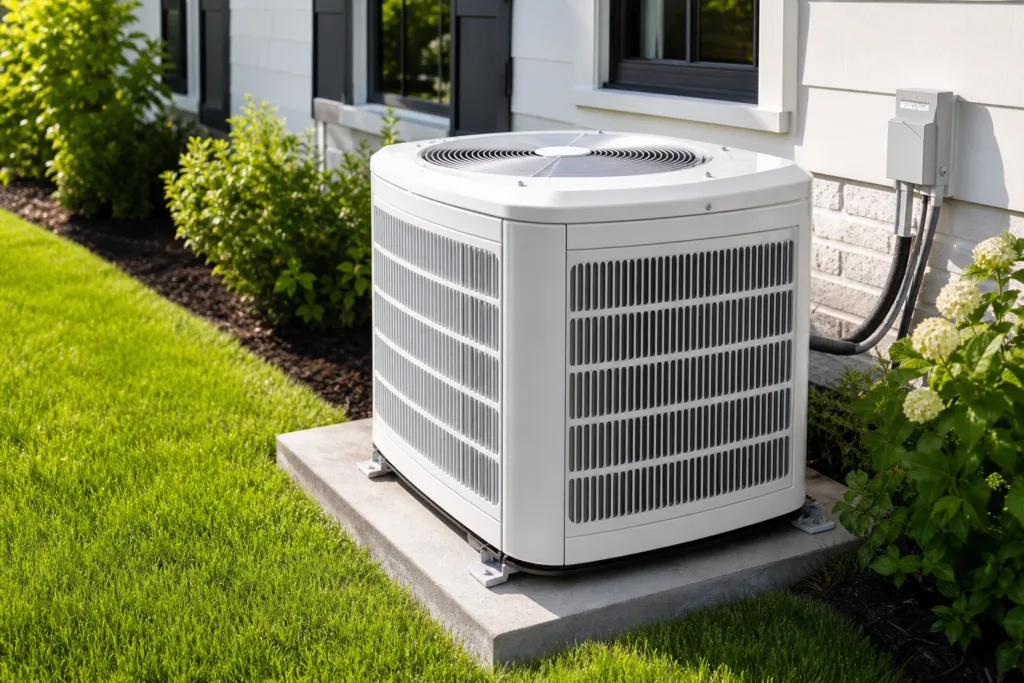
Age Over 12–15 Years With No Major Updates
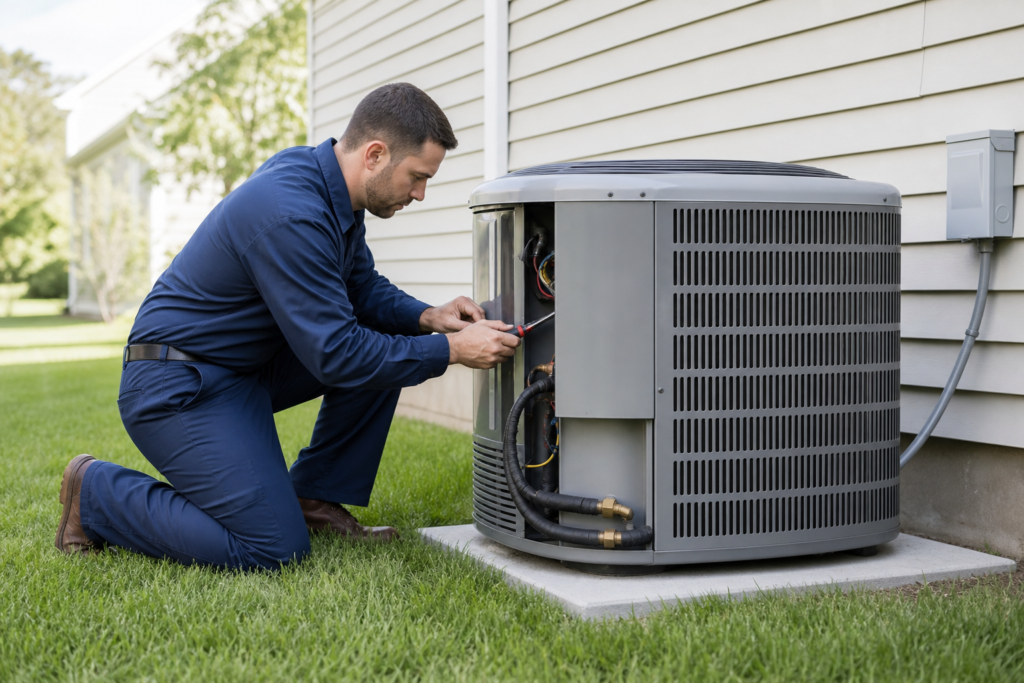
What Professional Air Conditioning Delivers
Compare Multiple Contractors Side by Side
All Contractors Are Licensed and Insured
No Pressure, No Obligation
Local Pros Who Know Carlsbad Conditions
Fast, Simple Request Process
Make a More Informed Final Decision
Common Air Conditioning Problems We Help Solve
Insufficient Cooling Output
Short Cycling
Poor Airflow Distribution
Thermostat Malfunctions
Unusual Noises or Odors
How to Choose the Right Air Conditioning Contractor
Key Factors to Consider
- System Sizing Expertise
A quality contractor performs Manual J load calculations to ensure your AC is properly sized for your home. - Energy Efficiency Knowledge
Look for contractors who can explain SEER2 ratings and help you choose the most efficient system for your budget. - Brand Certifications
Factory-certified installers have specialized training and may offer extended manufacturer warranties. - Financing Options
Many contractors offer 0% financing or rebate assistance. Ask about available programs before committing.
Central AC vs. Ductless: Quick Comparison
🏠 Central AC:
- Best for whole-home cooling
- Uses existing ductwork
- Lower per-unit cost at scale
- Consistent temperature throughout
❄️ Ductless Mini-Split:
- Best for room-by-room control
- No ductwork required
- Higher efficiency ratings
- Ideal for additions or older homes
💡 Pro Tip
Ready to Get Air Conditioning in Carlsbad?





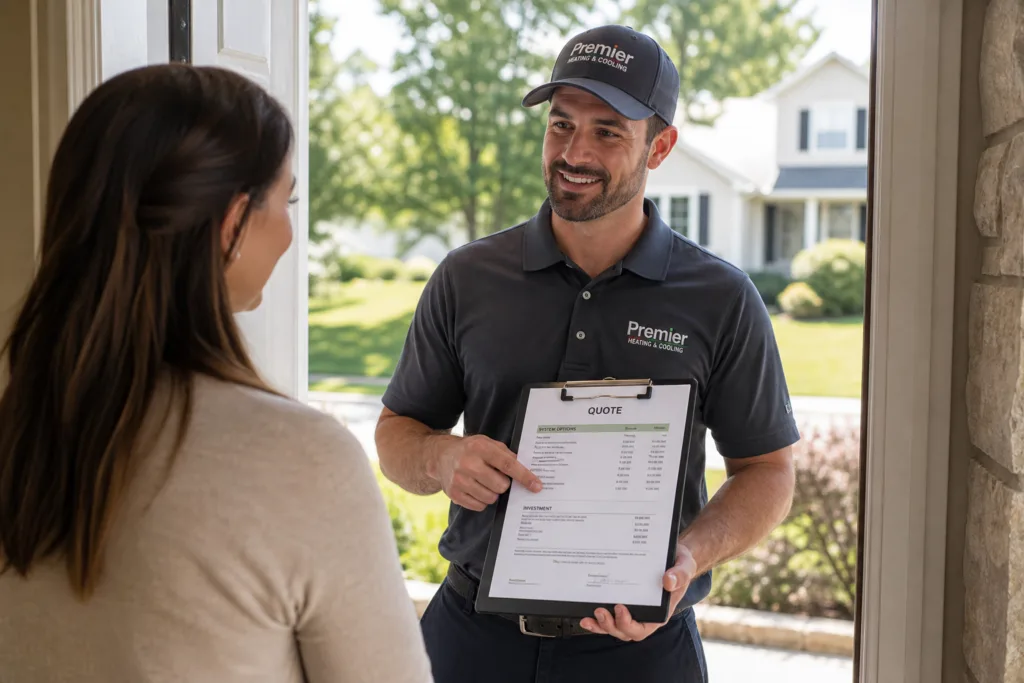
Expert Tips for Air Conditioning in Carlsbad
Size Matters More Than Brand
Don't Ignore Rising Energy Bills
Compare Total Cost of Ownership
Plan for Coastal Conditions
Understanding Your Air Conditioning Options
🔧 Repair Your Current System If...
✨ Upgrade Your System If...
Complete Guide
The Complete Guide to Air Conditioning in Carlsbad
How Home Air Conditioning Works: A Homeowner's Guide
A central air conditioning system operates on a straightforward thermodynamic principle: it doesn't actually "create" cold air — it removes heat from the air inside your home and releases it outside. The system uses a refrigerant that cycles between your indoor air handler (or evaporator coil) and the outdoor condenser unit. As warm indoor air passes over the cold evaporator coil, heat transfers to the refrigerant, which carries it outside to be expelled.
Your thermostat acts as the brain of the operation, signaling the system to start a cooling cycle when indoor temperature rises above your set point. The blower fan circulates air across the evaporator coil, the compressor pumps refrigerant between the two units, and the condenser fan expels collected heat from the outdoor unit. When everything is sized and charged correctly, the result is consistent, comfortable temperatures throughout your home.
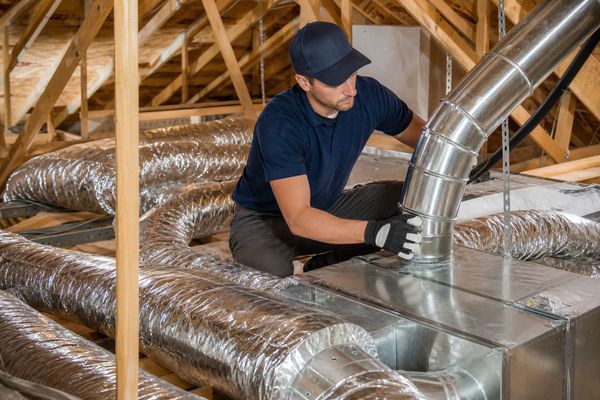
Ductwork is the delivery system for central air — it routes conditioned air to each room through supply registers and returns warm air back to the air handler for another pass. The condition and configuration of your duct system has a significant impact on how efficiently the AC performs, regardless of how good the equipment itself is.
Ductless mini-split systems skip the ductwork entirely. Instead, a small outdoor compressor connects via refrigerant lines to one or more indoor air handlers mounted on walls or ceilings. Each indoor unit can be controlled independently, which is ideal for room additions, garages, sunrooms, or homes where installing ductwork isn't practical. Mini-splits also tend to be highly efficient because there's no energy loss through leaky ducts.
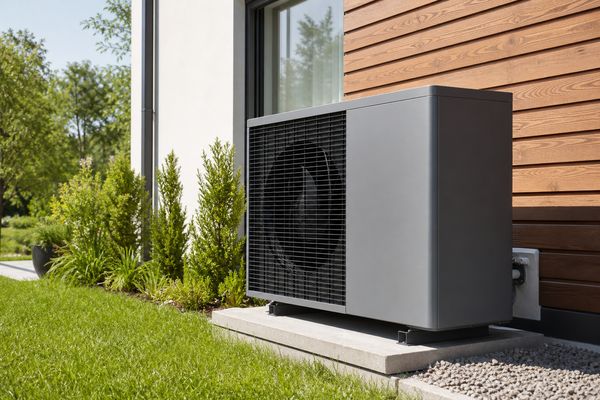
Heat pumps are a variation worth understanding — they work like air conditioners but can run in reverse to provide heating during cooler months. In California's moderate climate, a heat pump often makes excellent sense because it handles both functions with a single system. Modern cold-climate heat pumps work effectively even when outdoor temperatures drop into the low 30s, making them a practical year-round solution in most parts of the state.
The SEER (Seasonal Energy Efficiency Ratio) rating tells you how efficient a system is. Higher SEER means less electricity used per unit of cooling. California requires higher minimum SEER ratings than most other states, which means equipment sold here is already more efficient than the national baseline — but there's still meaningful variation between entry-level and mid- or high-efficiency models.
Choosing the Right AC System for Your Home
The most important step in selecting an air conditioning system is getting a proper load calculation — typically called a Manual J calculation — done for your specific home. This accounts for your home's square footage, insulation levels, window area and orientation, ceiling height, local climate data, and several other factors to determine exactly how much cooling capacity you need. Contractors who skip this step and simply match the old unit's size are leaving performance on the table.
Beyond sizing, consider the efficiency tier that makes sense for your situation. A higher-SEER unit typically costs more upfront but costs less to operate every cooling season. If you plan to stay in your home for many years and your summers run long and hot, the efficiency investment often pays off. If you're preparing a home for sale or have a tighter budget, a solid entry-level system may be the smarter call.
Also think about features: variable-speed compressors and blower motors run more quietly, maintain more consistent temperatures, and handle humidity better than single-speed systems. Two-stage cooling is a middle ground — good efficiency and comfort without the full price premium of a fully variable system. Your contractor should be able to walk you through the tradeoffs in plain language.
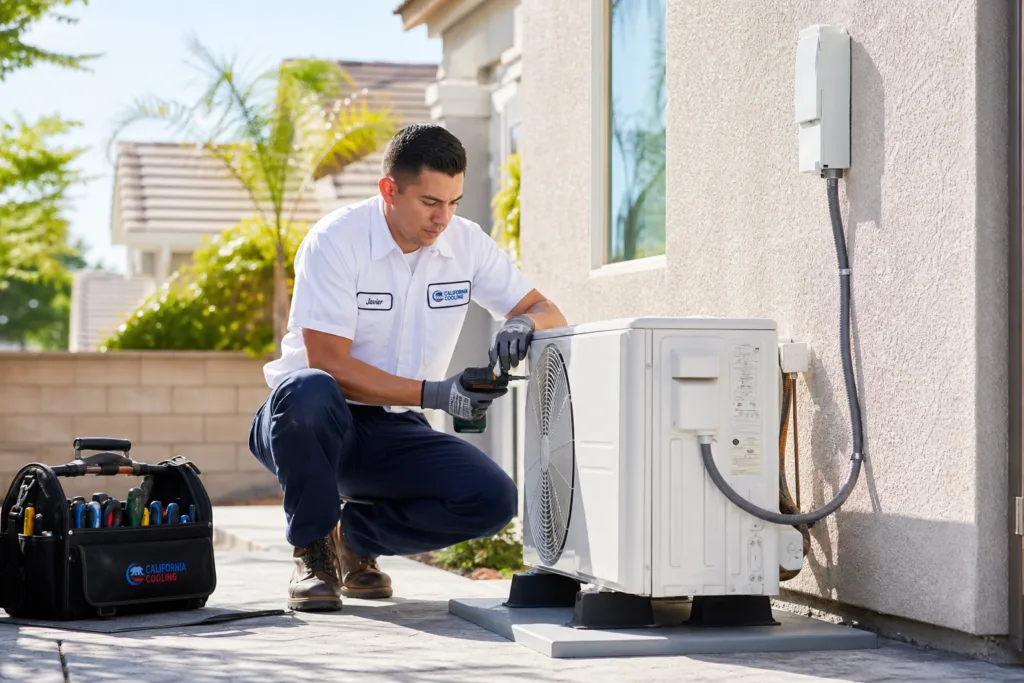
How to Keep Your AC Running at Peak Performance
Even a brand-new AC system benefits from regular attention. The single most impactful thing you can do as a homeowner is keep up with filter changes — typically every 1–3 months depending on filter type and household conditions. A clogged filter restricts airflow, forcing the system to work harder and reducing its ability to cool effectively. It also lets dirt bypass the filter and accumulate on the evaporator coil, which reduces efficiency over time.
Keep the area around your outdoor condenser unit clear of vegetation, debris, and anything else that might block airflow through the unit. Hose off the condenser fins annually to remove accumulated dust and dirt. Inside, make sure all supply and return registers are open and unobstructed — furniture pushed against a return vent is a surprisingly common cause of airflow problems.
Schedule a professional tune-up every year, ideally in spring before cooling season begins. A thorough tune-up includes checking refrigerant levels, cleaning both coils, inspecting electrical connections, lubricating moving parts, and verifying that the system is operating within manufacturer specs. Small issues caught during a tune-up are almost always cheaper to address than the failures they'd eventually cause if left unattended.
Change Filters Monthly: During peak cooling season, check your filter every 30 days. A dirty filter is the number one cause of AC problems. Annual Professional Tune-Up: Schedule maintenance in spring before summer demand hits. Technicians catch small issues before they become expensive repairs. Keep the Outdoor Unit Clean: In coastal areas, rinse salt residue off your outdoor condenser regularly to prevent corrosion.
Why Comparing Multiple AC Quotes Matters
When you're comparing quotes for air conditioning work, the equipment brand and model number are your first reference points. Look up the SEER rating and the manufacturer's warranty terms for any unit being proposed. Most reputable manufacturers offer 10-year parts warranties when the equipment is registered — make sure registration is something your contractor handles as part of the installation.
Pay attention to what's included in the scope of work. Does the quote cover disposal of the old system? What's the plan for checking and sealing the ductwork? Are permits and inspections included? California requires permits for AC installations, and a contractor who suggests skipping that step is a red flag. Installation quality matters as much as equipment quality — a premium unit installed poorly will underperform a mid-range unit installed correctly.
Finally, look at the contractor's communication style and willingness to explain their recommendations. A contractor who can walk you through their sizing methodology and equipment selection in plain language is more trustworthy than one who just hands you a number. Ask about their warranty on labor in addition to the manufacturer's parts warranty, and make sure they're licensed with the California Contractors State License Board (CSLB).

Price Transparency: Comparing quotes reveals the fair market rate for your specific repair. If one quote is dramatically different from the others, ask why. Different Diagnoses: Sometimes different technicians identify different root causes. Multiple perspectives help you make the best decision. Contractor Fit: Beyond price, compare warranties, response time, and communication quality to find the contractor you trust most.
Cost Considerations: What to Know
Air conditioning costs vary widely based on system type, efficiency tier, home size, existing infrastructure, and local labor rates. The biggest variables are the equipment itself — which spans a broad range from basic single-stage systems to premium variable-speed heat pumps — and the scope of installation work, which can range from a straightforward equipment swap to a full duct system overhaul.
Ductwork condition is often an overlooked cost factor. If your existing ducts are leaky, undersized, or poorly configured, the best equipment in the world won't perform to its potential. A thorough contractor will assess duct condition as part of their evaluation. Addressing duct issues at the same time as equipment replacement is almost always more cost-effective than coming back to it later.
Comparing multiple quotes helps you understand where the real cost differences lie — which is rarely as simple as one contractor charging more than another. More often, different quotes reflect different equipment specifications, different scopes of work, or different approaches to system design. Understanding what each quote includes puts you in a much better position to make a sound decision rather than just defaulting to the lowest number.
Air Conditioning Service Areas Near Carlsbad
Air Conditioning FAQ — Carlsbad Homeowners
What's the difference between a central AC system and a ductless mini-split?
How do I know what size AC system I need?
What does SEER mean and why does it matter?
Can I install air conditioning in a home that doesn't have existing ductwork?
How long does a new AC installation typically take?
Is a heat pump a good option for California homes?
What should I look for when comparing contractor quotes?
Does AC installation require a permit in California?
How often should I replace my air filter?
What's the difference between R-22 and R-410A refrigerant, and why does it matter?
How can I tell if my existing ductwork is in good enough shape for a new system?
What is a two-stage or variable-speed compressor, and is it worth the upgrade?
Related HVAC Services in Carlsbad
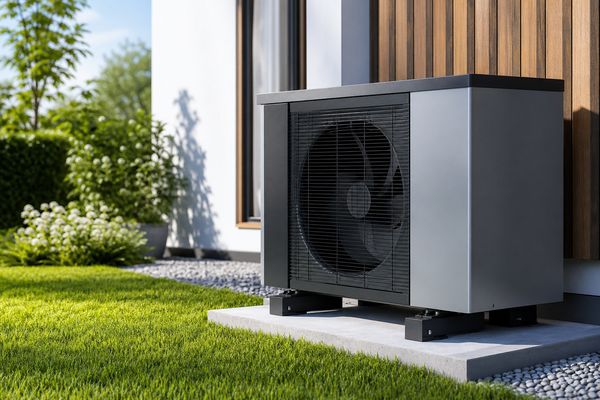
Air Conditioning
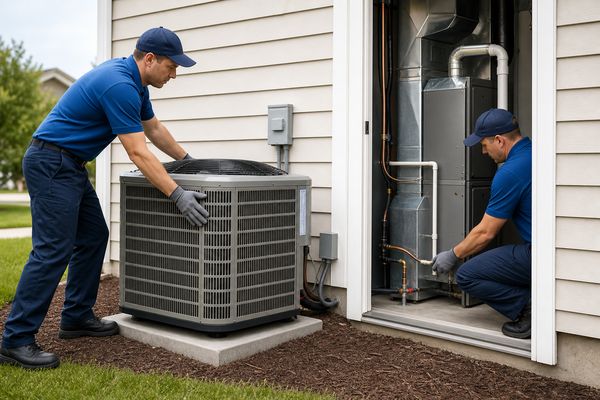
AC Replacement
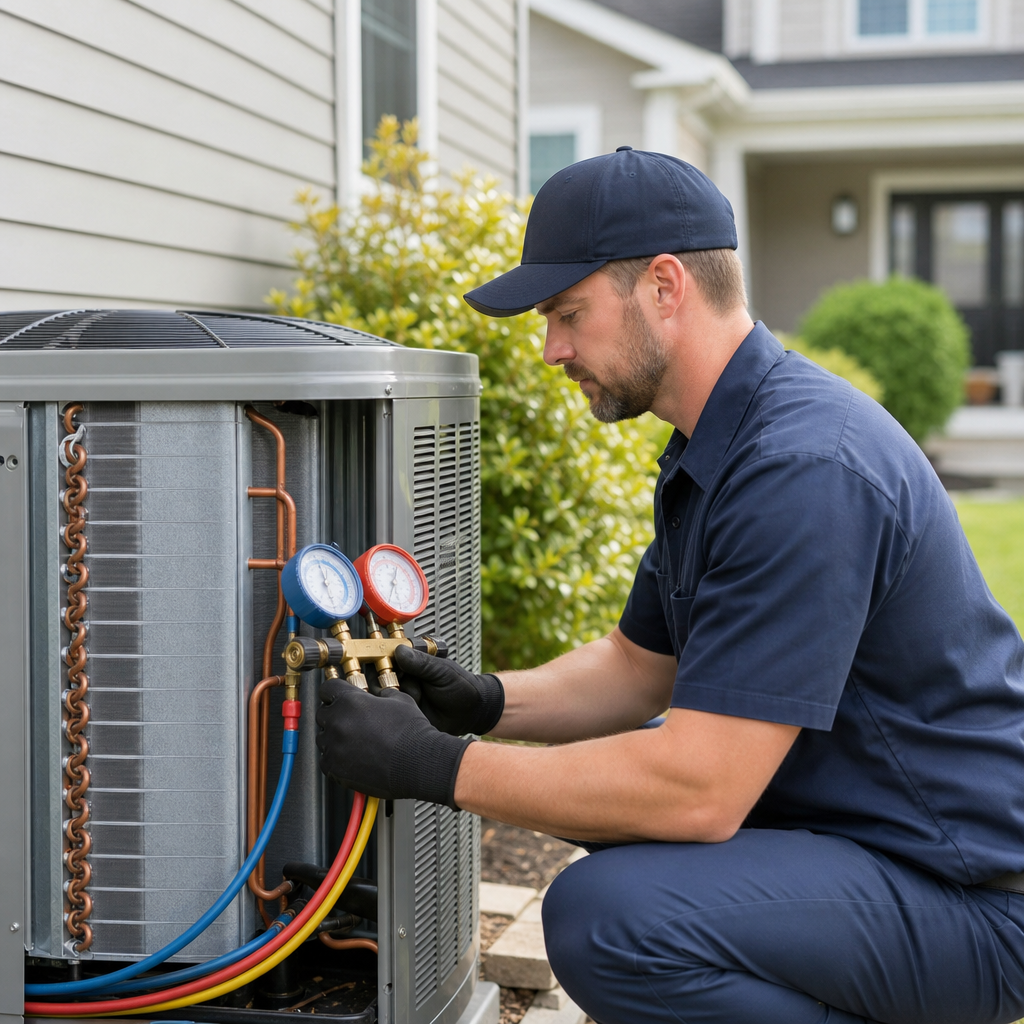
HVAC Maintenance & Tune-Up
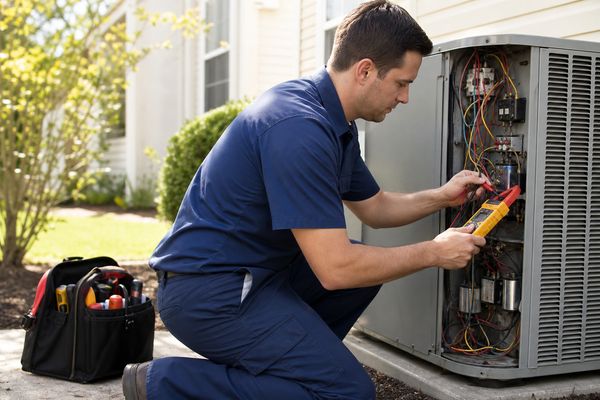
Heating & Furnace Repair
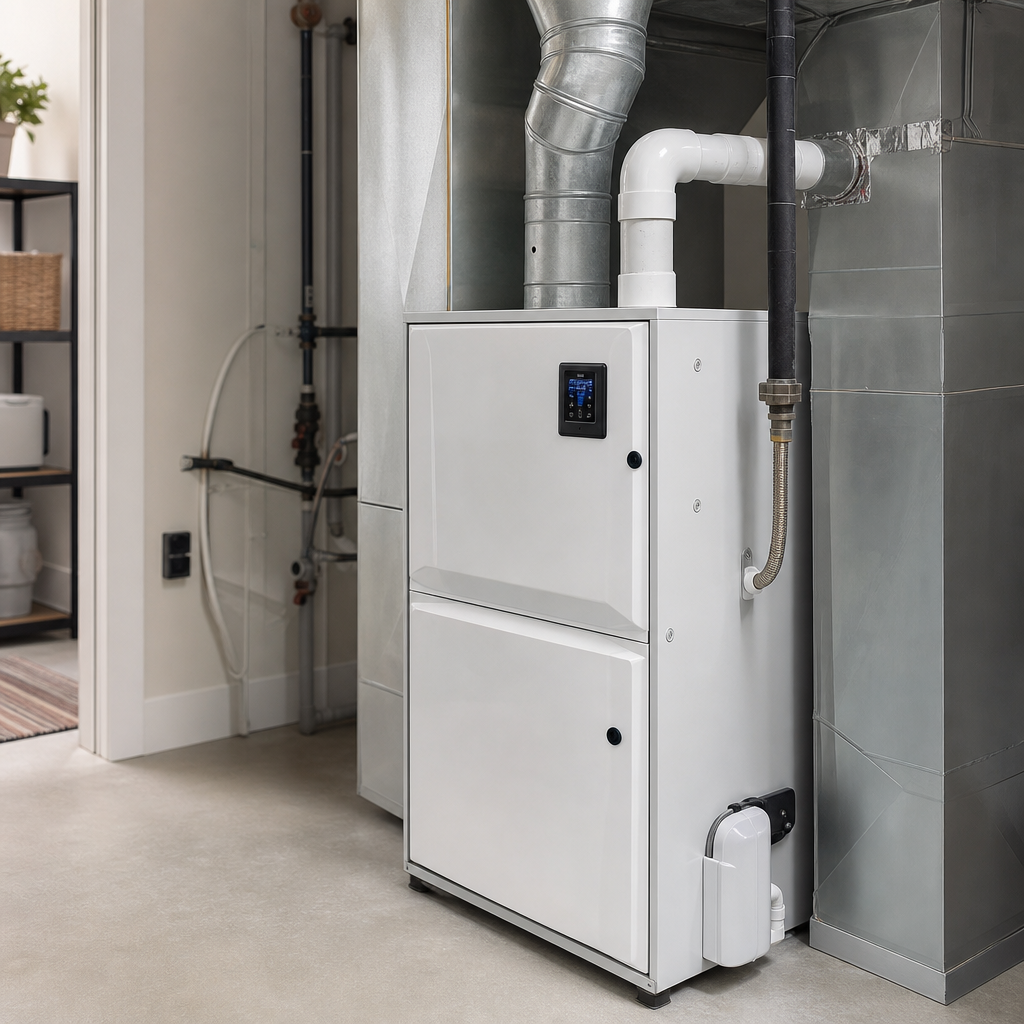
Furnace Replacement
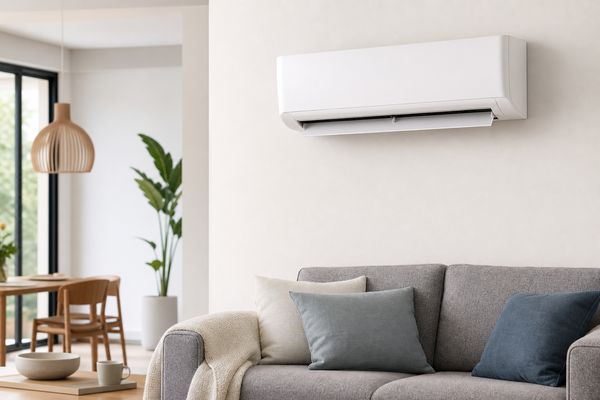
Mini-Splits & Ductless
Heat Pumps
Ductwork