
Indoor Air Quality in Carlsbad, CA

What Is Indoor Air Quality & When Do You Need It?
• Whole-home air purifier installation (HEPA and electronic)
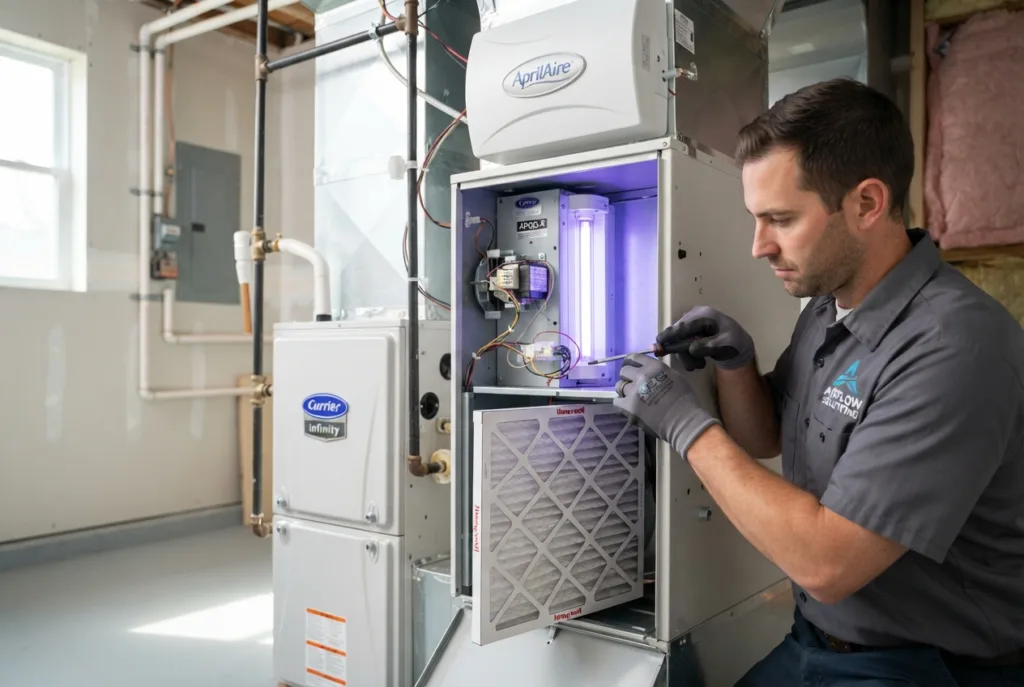
• UV-C germicidal light installation in air handlers
• Media air cleaner and high-MERV filter upgrade
• Whole-home humidifier installation and service
• Whole-home dehumidifier installation and service
• Energy Recovery Ventilator (ERV) or Heat Recovery Ventilator (HRV) installation
• IAQ testing and indoor air quality assessment
Top Reasons Carlsbad Homeowners Need Indoor Air Quality
Southern California Wildfire Smoke Is a Recurring Health Hazard
Allergens Accumulate Indoors Year-Round
Dry Climate Creates Low-Humidity Health Concerns
Tightly Built Homes Trap Pollutants Without Ventilation
Mold Prevention Requires Humidity and Ventilation Management
Ready to Compare Indoor Air Quality Quotes in Carlsbad?
6 Signs Your Home Has Indoor Air Quality Problems
Increased Allergy or Asthma Symptoms Indoors
Persistent Musty or Chemical Odors
Excessive Dust Despite Regular Cleaning

Dry Skin, Nosebleeds, or Static Electricity
Condensation on Windows or Walls
Visible Smoke or Haze During Wildfire Events
What Professional Indoor Air Quality Delivers
Reduced Exposure to Allergens and Irritants
Protection During Wildfire Smoke Events
Healthier Humidity Levels Year-Round
Fresher Air Through Controlled Ventilation
Reduced Microbial Load With UV-C Treatment
Better Sleep and Cognitive Comfort
Indoor Air Quality Solutions That Make a Difference
High-Efficiency Air Filtration
UV-C Germicidal Systems
Whole-Home Ventilation
Humidity Control
Duct Cleaning and Sealing
How to Choose the Right Indoor Air Quality Contractor
Key Factors to Consider
- IAQ Assessment Capability
Quality contractors test for particulates, humidity, CO2, and other contaminants before recommending solutions. - Product Knowledge
Look for contractors familiar with multiple IAQ product lines — not just one brand they're trying to sell. - System Integration
IAQ products must work with your existing HVAC system. Improper installation can restrict airflow or damage equipment. - Ongoing Monitoring
The best contractors offer IAQ monitoring solutions that track air quality over time and alert you to changes.
Filtration vs. Purification Comparison
🌬️ Filtration (Mechanical):
- Captures particles physically
- MERV 13-16 for most homes
- HEPA for allergy/asthma sufferers
- Requires filter replacement
✨ Purification (Active):
- UV-C kills biological contaminants
- Ionizers neutralize airborne particles
- PCO systems break down VOCs
- Works on gases, not just particles
💡 Pro Tip
Ready to Get Indoor Air Quality in Carlsbad?





Indoor Air Quality Tips for Carlsbad Homes
Start with Source Control
Upgrade Your Filtration First
Consider Carlsbad's Coastal Factors
Don't Fall for Gimmicks
DIY vs. Professional IAQ Solutions
🔧 You Can Handle These...
✨ Call a Professional For...
Complete Guide
The Complete Guide to Indoor Air Quality in Carlsbad
Understanding Indoor Air Pollutants: A Homeowner's Guide
Indoor air pollutants fall into several broad categories: particulate matter, biological contaminants, gaseous pollutants, and combustion byproducts. Understanding which types are present in your home guides the selection of the most effective IAQ solution, since no single product addresses every category equally.
Particulate matter (PM) is measured by particle size. PM10 refers to particles under 10 microns — coarse dust, pollen, and pet dander visible to the naked eye — while PM2.5 describes fine particles under 2.5 microns, including smoke, combustion particles, and some biological materials. PM2.5 is the most health-relevant category because particles this small penetrate deep into lung tissue and can enter the bloodstream. Standard 1-inch HVAC filters capture PM10 reasonably well but are nearly ineffective against PM2.5. HEPA filtration, by definition, captures 99.97% of particles at 0.3 microns — the most penetrating particle size.
Biological contaminants include mold spores, bacteria, dust mite allergens, pet dander (specifically the protein-carrying particles shed from skin, saliva, and urine), and pollen. These particles range widely in size — from sub-micron mold spores to much larger pollen grains. Effective biological control requires both filtration to capture airborne particles and humidity management to control the environmental conditions that allow mold and dust mites to thrive.
Volatile organic compounds (VOCs) are gases emitted from a wide range of building materials, furnishings, cleaning products, and personal care items. Common VOCs include formaldehyde (from engineered wood products and some textiles), benzene (from paints and adhesives), and toluene (from carpets and flooring). Unlike particulate matter, VOCs cannot be removed by mechanical filters — activated carbon filtration is required to adsorb gaseous pollutants from the airstream. Some whole-home air purifiers combine HEPA filtration with an activated carbon stage specifically to address both particles and gases.
Carbon dioxide is not typically classified as a pollutant but is an important indicator of ventilation adequacy. In a closed, occupied space without fresh air exchange, CO2 builds up as occupants breathe. Research from Harvard and other institutions has linked elevated indoor CO2 (above 1,000 ppm) to reduced cognitive performance and increased drowsiness. In Carlsbad homes where energy efficiency upgrades have tightened the building envelope, CO2 accumulation during occupied hours can be significant without mechanical ventilation.
Combustion byproducts — carbon monoxide, nitrogen dioxide, and fine particles from gas stoves, fireplaces, and attached garages — are a particular concern in homes with gas appliances. Carbon monoxide detectors are essential, but they only alarm at dangerous concentrations. Lower-level chronic CO exposure from a slightly malfunctioning gas appliance or poorly vented fireplace can cause symptoms without triggering a detector. IAQ assessments that include combustion appliance zone (CAZ) testing identify these lower-level issues that standard detectors miss.
IAQ Products Explained: Air Purifiers, UV Lights, ERVs, and More
Whole-home air purifiers integrate into the HVAC duct system and filter the entire volume of air as it passes through the system, unlike portable room purifiers that only treat the air in a single space. The most effective whole-home units use either a true HEPA filter element or a high-MERV (13–16) pleated media filter. Some combine media filtration with an activated carbon stage for gaseous pollutant adsorption. Electronic air cleaners (electrostatic precipitators) charge particles so they adhere to collection plates, achieving high particle capture efficiency without the airflow restriction of dense media filters — however, they require regular plate cleaning to maintain performance.
UV-C germicidal lights are installed inside the HVAC air handler, typically near the evaporator coil, where they continuously emit ultraviolet light at wavelengths that damage the DNA and RNA of microorganisms. This inactivates mold spores, bacteria, and certain viruses before they can be recirculated through the duct system. UV-C lights are particularly effective at preventing mold growth on the evaporator coil, which is a perpetually cool, slightly damp surface where biological growth is common. Bulbs require annual replacement to maintain germicidal effectiveness as UV output declines with age.
Energy Recovery Ventilators (ERVs) and Heat Recovery Ventilators (HRVs) are dedicated ventilation appliances that bring in fresh outdoor air while simultaneously exhausting stale indoor air. In an ERV, the two airstreams pass through a heat-and-moisture-exchanging core, so the incoming air is pre-conditioned by the outgoing air — reducing the energy cost of ventilation. HRVs transfer heat only, without moisture exchange, making them better suited for humid climates; ERVs, which also transfer moisture, are generally more appropriate for California's dry climate where indoor humidity can benefit from the moisture retained by the exchange core.
Maintaining Healthy Air Quality Year-Round
Whole-home IAQ systems require periodic maintenance to maintain effectiveness. Air purifiers with media filters — including high-MERV filters and HEPA units — need filter replacement on a schedule that depends on the filter type and household conditions. In a home with pets or during wildfire season in Carlsbad, filters load faster and may need replacement more frequently than the manufacturer's standard recommendation. Check the filter every month and replace it when it appears visually loaded or when the system's indicator signals. A heavily loaded filter reduces airflow and strains the blower motor, so timely replacement protects both air quality and equipment.
Electronic air cleaners with collection plates need to be removed, washed, and fully dried every one to three months. A dirty collection plate loses its charge and stops capturing particles, making the unit essentially useless without giving any visible indication that it's failing. UV-C bulb replacement is typically annual — UV output drops significantly by the end of the bulb's rated life even if the lamp still appears lit, so replacement should be scheduled rather than deferred until the bulb burns out.
Whole-home humidifiers connected to your HVAC water supply require seasonal maintenance: the evaporator pad or drum pad should be replaced at the start of each humidification season, the water panel and distribution tray should be cleaned of mineral scale, and the float valve and solenoid should be inspected for proper operation. In areas with hard water — which describes much of Southern California — mineral accumulation can be significant, making annual maintenance particularly important for maintaining humidity output and preventing water damage from scale buildup.
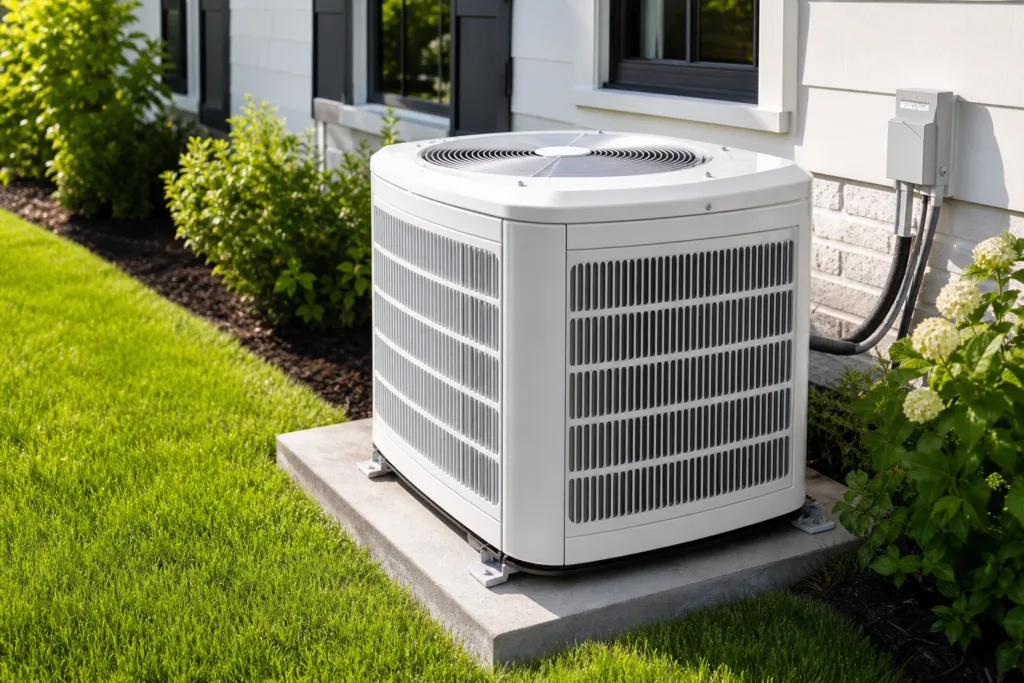
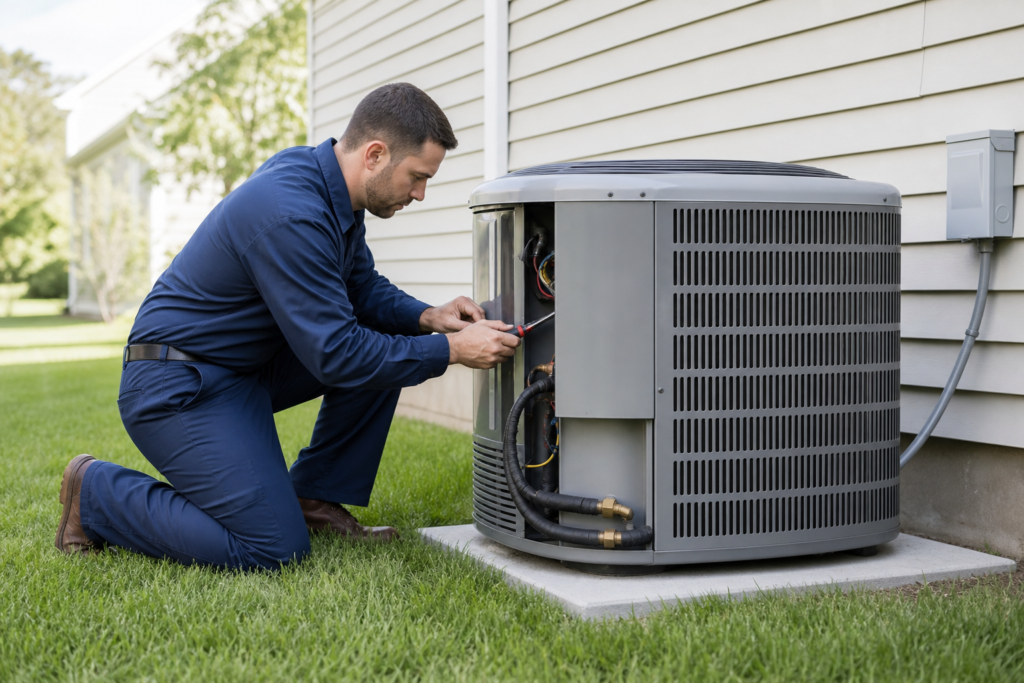
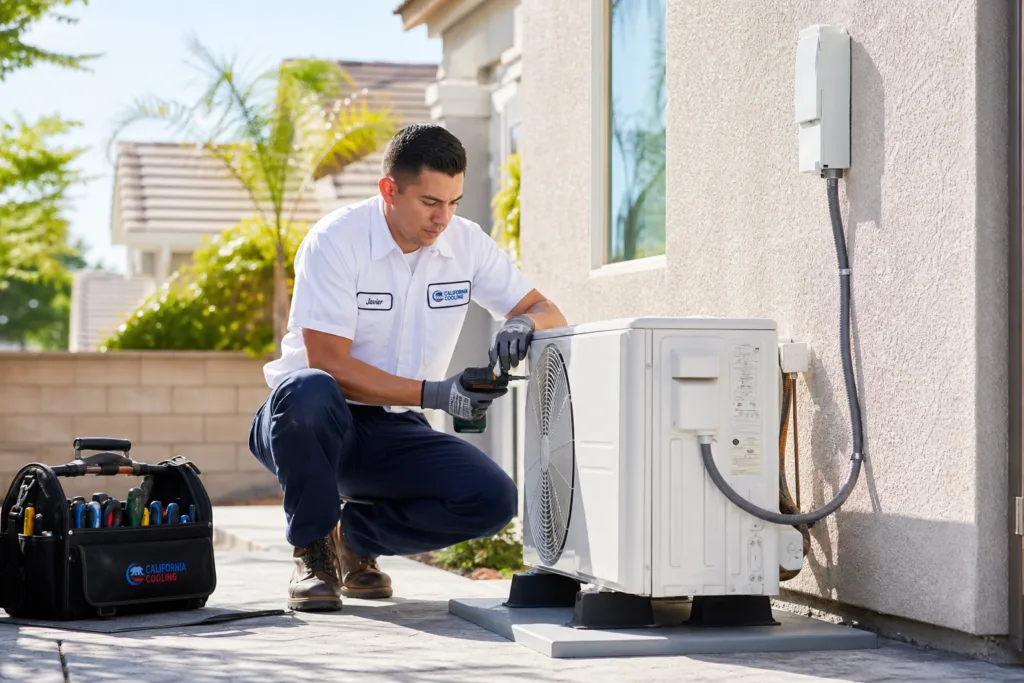
Change Filters Monthly: During peak cooling season, check your filter every 30 days. A dirty filter is the number one cause of AC problems. Annual Professional Tune-Up: Schedule maintenance in spring before summer demand hits. Technicians catch small issues before they become expensive repairs. Keep the Outdoor Unit Clean: In coastal areas, rinse salt residue off your outdoor condenser regularly to prevent corrosion.
Why Comparing Multiple IAQ Quotes Matters
When comparing IAQ quotes, the first question is whether the proposed solution actually addresses the specific pollutants you're concerned about. A UV-C light does not remove particles; a HEPA filter does not adsorb gases; a humidifier does not ventilate. Ask each contractor to explain why they're recommending a particular product for your stated concerns, and be skeptical of a single-product solution pitched as addressing every IAQ category. The best contractors start with questions and ideally testing before recommending equipment.
For air purifiers, verify the MERV or HEPA rating of the filtration media, the system's rated airflow (in CFM), and whether the unit is compatible with your existing air handler without significantly restricting airflow. Some high-MERV filters create enough static pressure that they starve the blower in systems not designed for them — a contractor who doesn't check your system's external static pressure before recommending a dense media filter may create a new problem. Ask whether the proposed unit has been third-party tested and whether the contractor can show you performance documentation.
For ventilation systems (ERVs and HRVs), compare quotes based on the system's ventilation capacity relative to your home's square footage and occupancy, the efficiency of the heat/moisture exchange core, and how the unit will be integrated with your existing HVAC ductwork. Installation complexity varies significantly — some installations tie into the existing air handler return plenum cleanly, while others require dedicated duct runs. Confirm that all proposed work will meet California's Title 24 ventilation requirements for your home type and that permits will be obtained where required by your local building department.

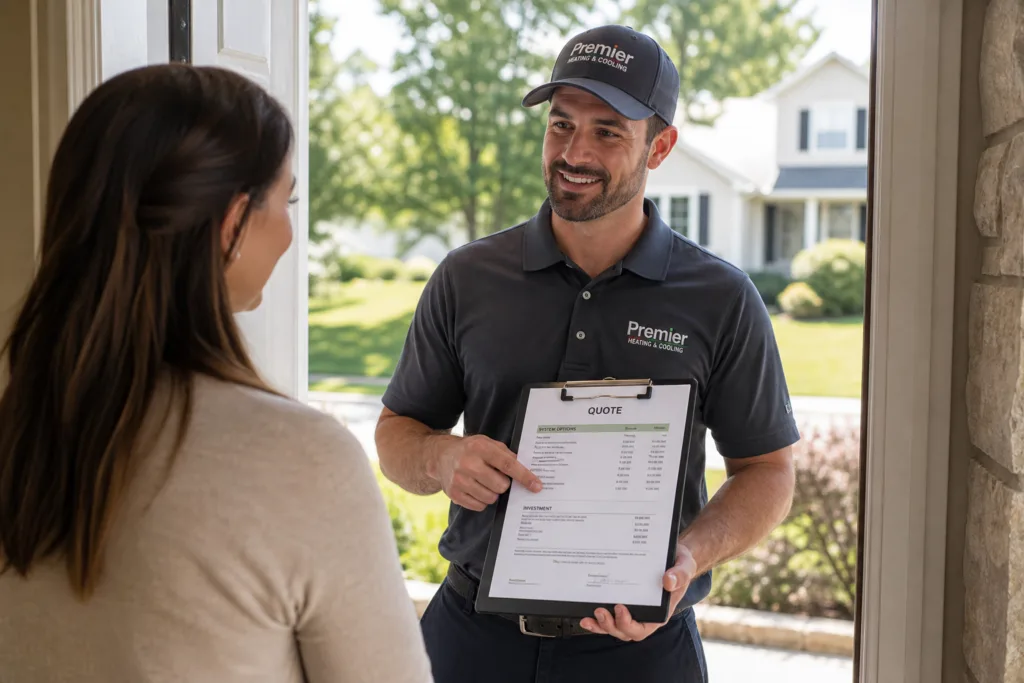
Price Transparency: Comparing quotes reveals the fair market rate for your specific repair. If one quote is dramatically different from the others, ask why. Different Diagnoses: Sometimes different technicians identify different root causes. Multiple perspectives help you make the best decision. Contractor Fit: Beyond price, compare warranties, response time, and communication quality to find the contractor you trust most.
Understanding Indoor Air Quality System Costs
IAQ product costs span a wide range depending on the type of system and the complexity of installation. Basic filter upgrades to higher-MERV media are the lowest-cost intervention and often the most cost-effective first step. Moving up to a whole-home media air cleaner or electronic air cleaner adds the cost of the unit itself plus integration labor. HEPA bypass systems — which draw a portion of airflow through a true HEPA filter in a bypass cabinet — are more expensive than standard media cleaners but deliver the highest particle capture efficiency for homes with severe allergy or smoke concerns.
Whole-home humidifiers and dehumidifiers vary in cost based on capacity and installation requirements. Units that connect to the home's water supply and drain require plumbing connections in addition to the HVAC integration, which adds labor time. UV-C systems are generally among the lower-cost HVAC add-ons for the level of biological protection they provide, with the primary ongoing cost being annual bulb replacement. ERV and HRV systems are the most involved IAQ installation in terms of labor, as they require dedicated duct connections to both the interior HVAC system and the building exterior.
For Carlsbad homeowners, it's worth asking about bundling opportunities — installing a UV-C light at the same time as a new HVAC system, for example, typically costs less in labor than scheduling it as a separate project. Some California utility programs include IAQ improvements in efficiency upgrade rebates, particularly when combined with duct sealing or HVAC replacement. Comparing itemized quotes from multiple licensed contractors — with the product model, specifications, labor scope, and warranty all clearly stated — is the most reliable way to evaluate the real value of each proposal.
Indoor Air Quality Service Areas Near Carlsbad
Indoor Air Quality FAQ — Carlsbad Homeowners
What is the difference between HEPA and MERV filtration?
How effective are whole-home air purifiers during wildfire smoke events?
What indoor humidity level is recommended for California homes?
What does a UV-C light actually do inside my HVAC system?
What is an Energy Recovery Ventilator and do I need one?
Can my existing HVAC filter be upgraded to a higher MERV rating?
How do I know if my home has a mold problem affecting air quality?
Are whole-home air purifiers better than portable room units?
What VOCs are commonly found in California homes?
How often should whole-home IAQ equipment be serviced?
Can IAQ improvements help with pet allergies?
Is professional IAQ testing worth it before buying equipment?
Related HVAC Services in Carlsbad
Air Conditioning
AC Replacement
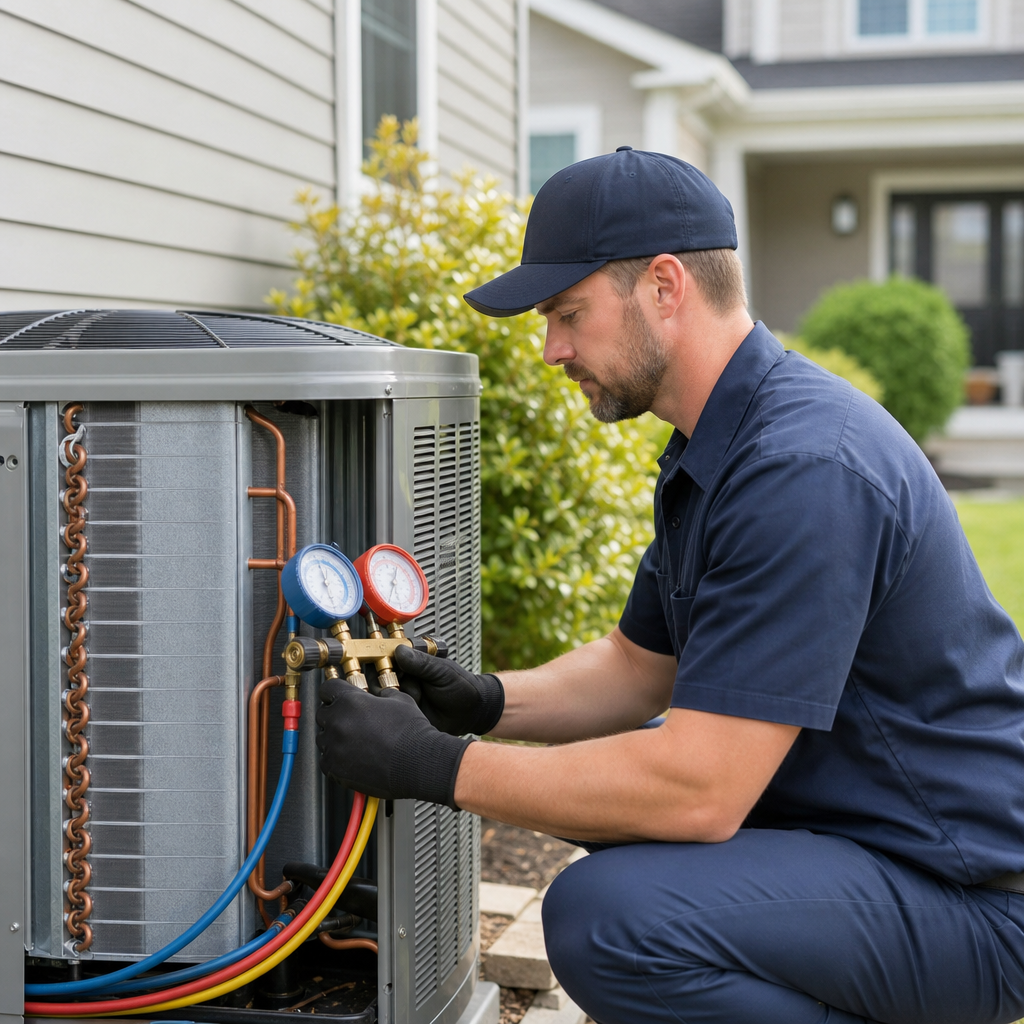
HVAC Maintenance & Tune-Up
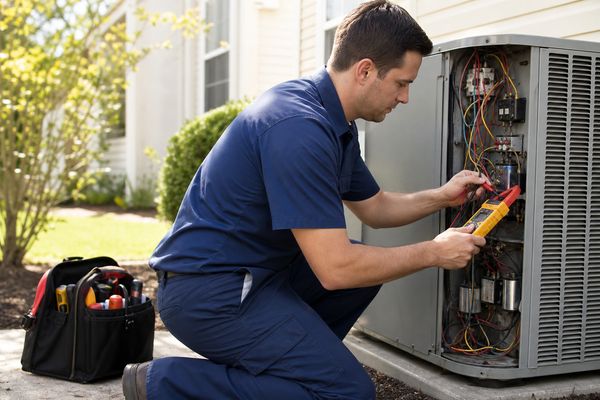
Heating & Furnace Repair
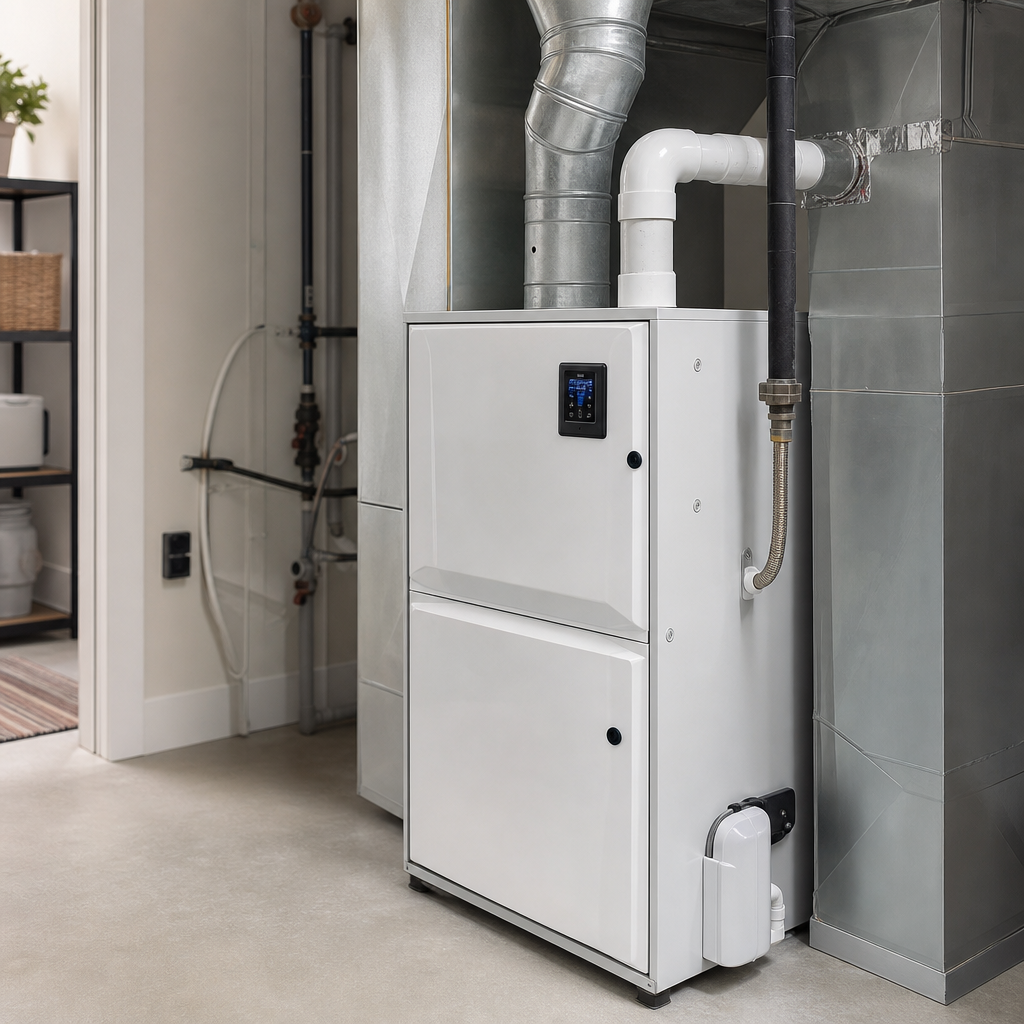
Furnace Replacement
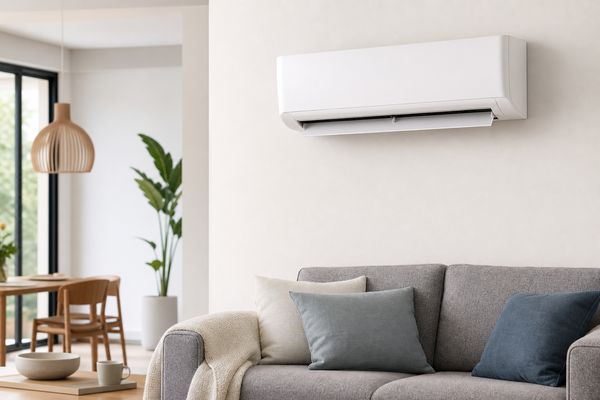
Mini-Splits & Ductless
Heat Pumps
Ductwork