
HVAC Maintenance & Tune-Up in Carlsbad, CA

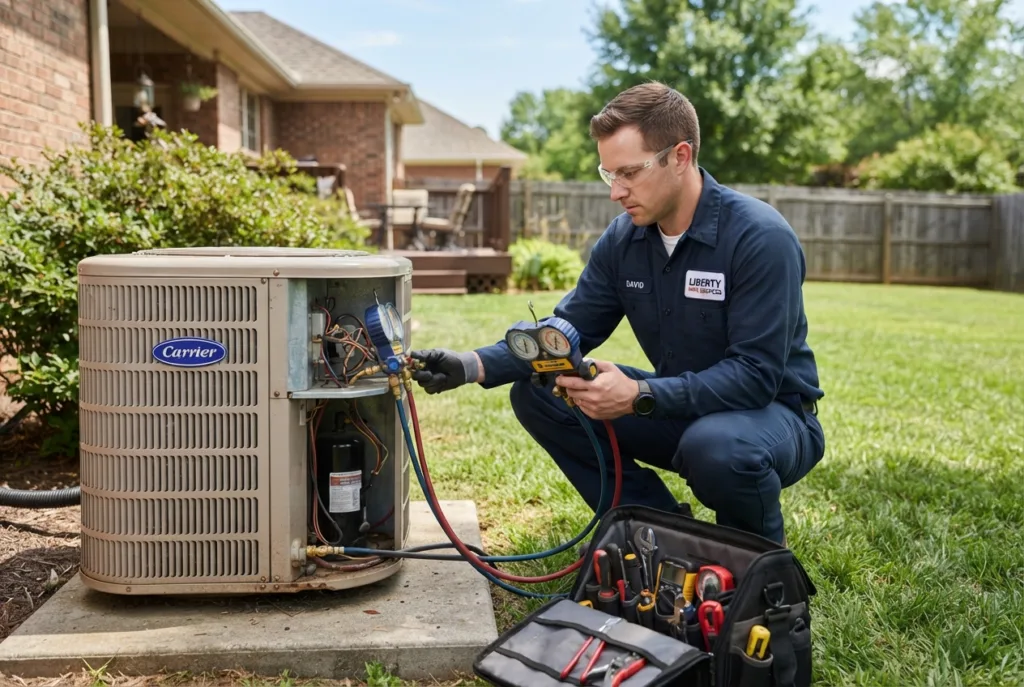
What Is HVAC Maintenance & When Do You Need It?
• Annual cooling system tune-up and inspection
• Heating system safety check and seasonal startup
• Air filter replacement and airflow assessment
• Evaporator and condenser coil cleaning
• Refrigerant level check and system pressure testing
• Thermostat calibration and controls verification
• Drain line flushing and pan inspection
• Blower motor inspection and lubrication
Top Reasons Carlsbad Homeowners Need HVAC Maintenance & Tune-Up
Prevents Expensive Emergency Repairs
Keeps Your System Running Efficiently
Extends the Life of Your Equipment
Supports Manufacturer Warranty Compliance
Maintains Healthy Indoor Air Quality
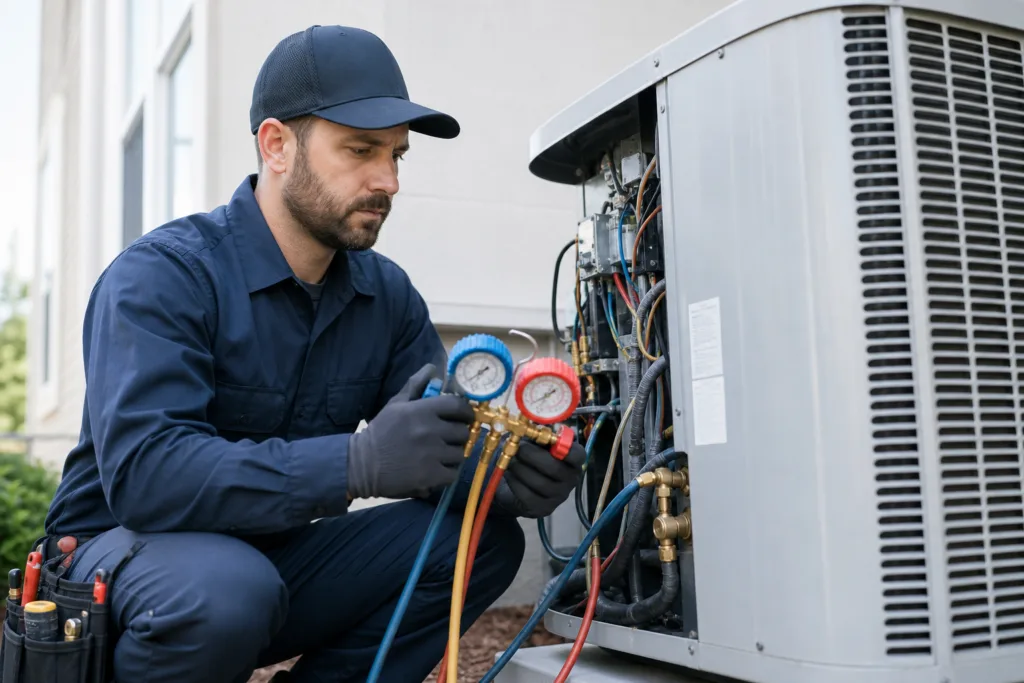
Ready to Compare HVAC Maintenance & Tune-Up Quotes in Carlsbad?
6 Signs Your HVAC System Needs Maintenance
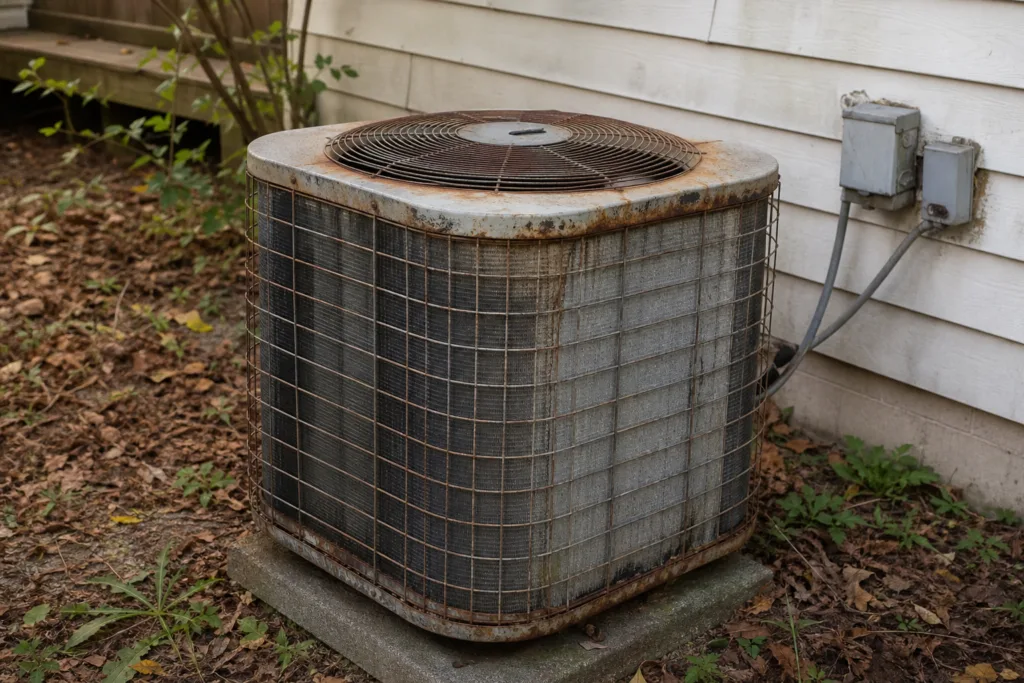
It's Been More Than a Year Since a Professional Visit
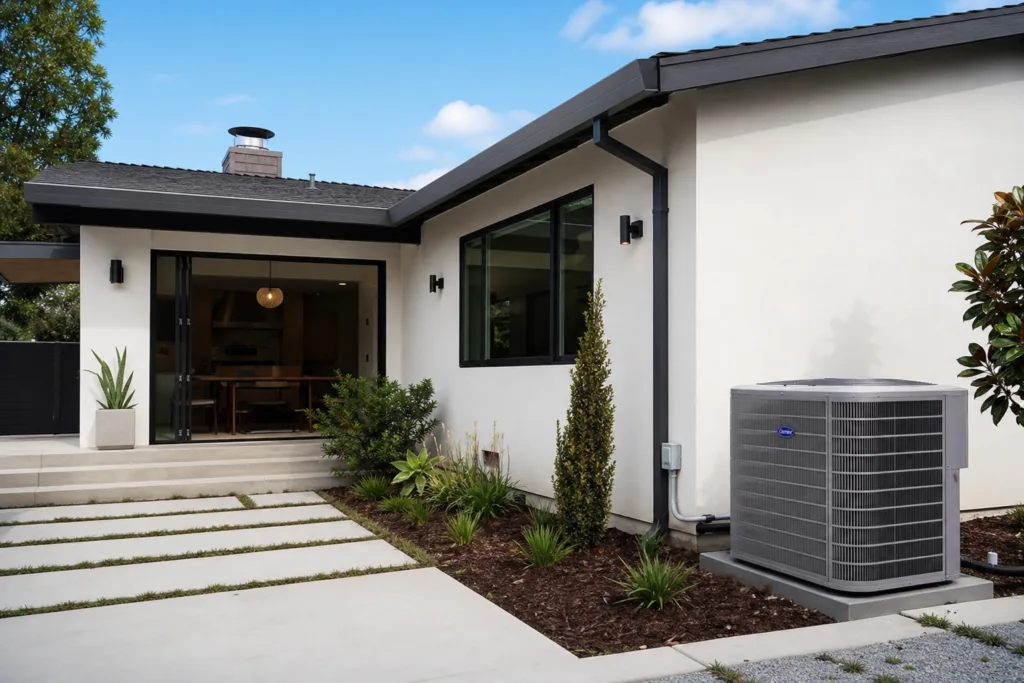
Your Energy Bills Have Crept Up Without Explanation
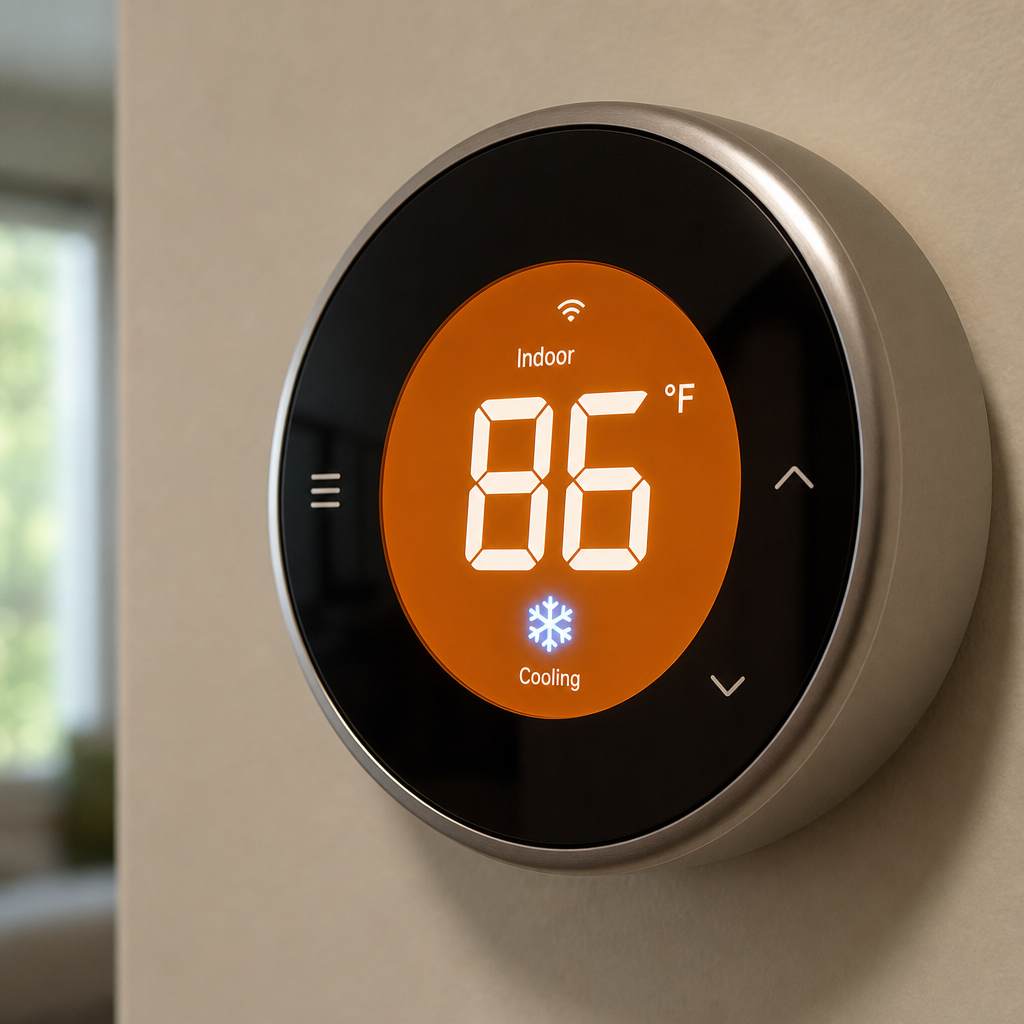
The System Takes Longer to Reach the Set Temperature

You Notice Unusual Smells When the System Runs
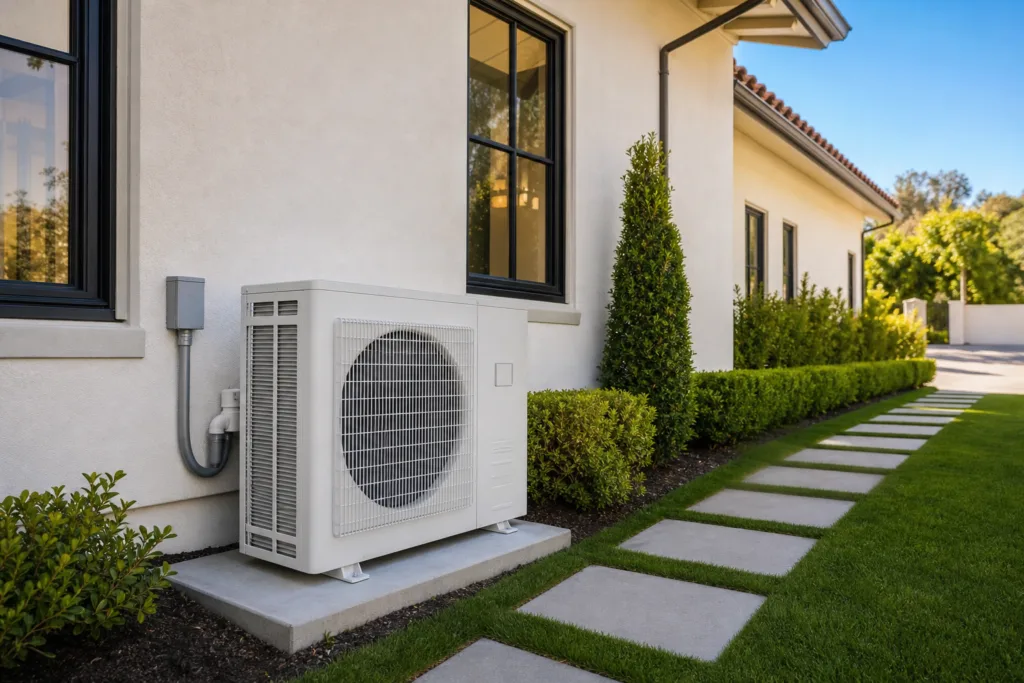
The Drain Line Has Backed Up Before
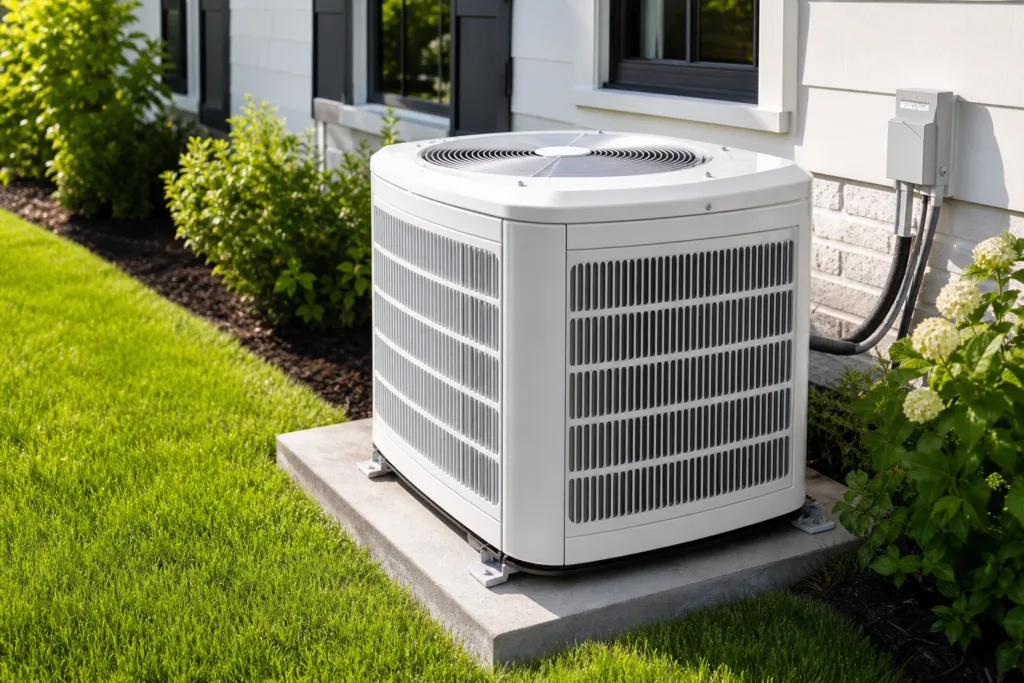
You Have No Record of When the Filter Was Last Changed
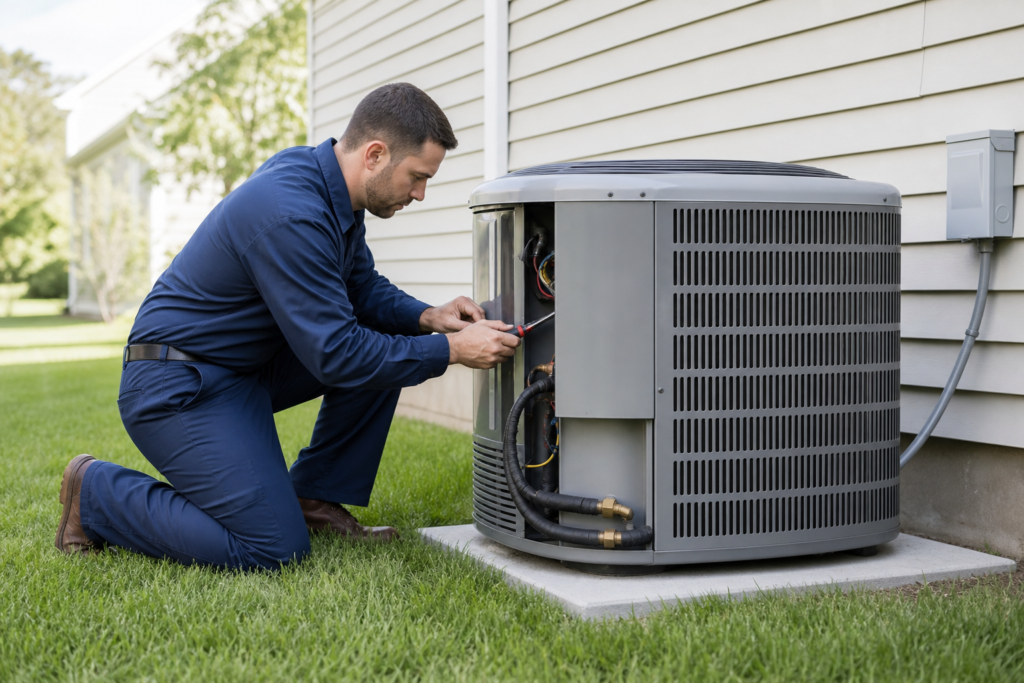
What Professional HVAC Maintenance & Tune-Up Delivers
Catch Problems Before They Become Failures
Keep Your System Running at Peak Efficiency
Protect Your Equipment Investment
Better Indoor Air Quality Year-Round
Compare Maintenance Plans and One-Time Tune-Up Quotes
Work With Contractors Who Know Your System Type
What Professional HVAC Maintenance Includes
Complete System Inspection
Coil Cleaning
Refrigerant Level Check
Drain Line Clearing
Thermostat Calibration
How to Choose the Right HVAC Maintenance & Tune-Up Contractor
Key Factors to Consider
- Maintenance Plan Options
Look for contractors offering annual or bi-annual plans that include priority scheduling, discounts, and seasonal tune-ups. - Comprehensive Checklists
Quality contractors follow a 20+ point inspection checklist. Ask to see their maintenance protocol before signing up. - Transparent Reporting
The best technicians document their findings with photos and provide honest recommendations without pressure. - Emergency Service Access
Maintenance plan members should get priority scheduling and reduced rates for emergency calls.
Maintenance Frequency Guide
🗓️ Twice Per Year (Recommended):
- AC tune-up in spring
- Heating tune-up in fall
- Catches issues before peak seasons
- Maximizes system lifespan
📋 Minimum Once Per Year:
- Better than no maintenance
- Focus on the system you use most
- Required for most warranty coverage
- Reduces breakdown risk by 90%
💡 Pro Tip
Ready to Get HVAC Maintenance & Tune-Up in Carlsbad?






HVAC Maintenance Tips for Carlsbad Homeowners
Change Your Filters Regularly
Keep Your Outdoor Unit Clear
Don't Skip the Fall Tune-Up
Invest in a Maintenance Plan
DIY vs. Professional HVAC Maintenance
🔧 You Can Handle These...
✨ Leave These to the Pros...
Complete Guide
The Complete Guide to HVAC Maintenance & Tune-Up in Carlsbad
What a Professional HVAC Tune-Up Actually Covers
A thorough HVAC maintenance visit covers considerably more ground than a quick look and a filter swap. On the cooling side, the technician should check refrigerant pressure and verify that the charge is within the manufacturer's specified range — refrigerant doesn't naturally deplete, so any drop indicates a leak that needs to be found. They'll clean the evaporator coil (the indoor coil that absorbs heat from your air) and the condenser coil (the outdoor coil that releases that heat), since both accumulate dirt that insulates them and reduces heat transfer efficiency.
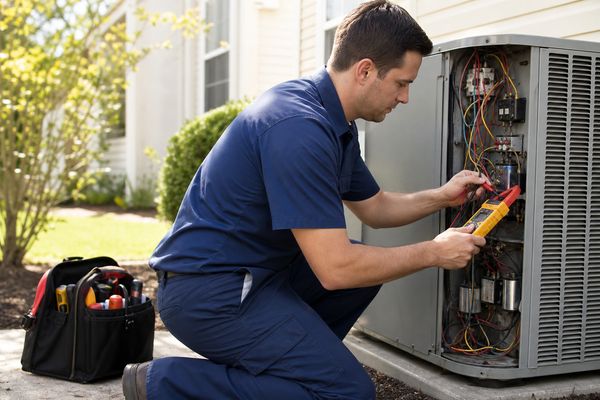
Electrical components get checked as well. Capacitors — which provide the starting and running power for the compressor and fan motors — are a common point of failure and can be tested before they fail. Contactors, which are the high-current switches that power the compressor, show wear over time and can be inspected for pitting or burning. Loose electrical connections are tightened, since vibration over time works them loose and creates resistance that generates heat.
The blower assembly — the fan that moves air through your home — gets inspected for blade cleanliness and motor bearing condition. Dirty blower wheels can reduce airflow significantly without the homeowner ever noticing, since the reduction happens gradually. The drain pan and condensate drain line are inspected and flushed to prevent the algae buildup that eventually causes drain clogs and water damage.
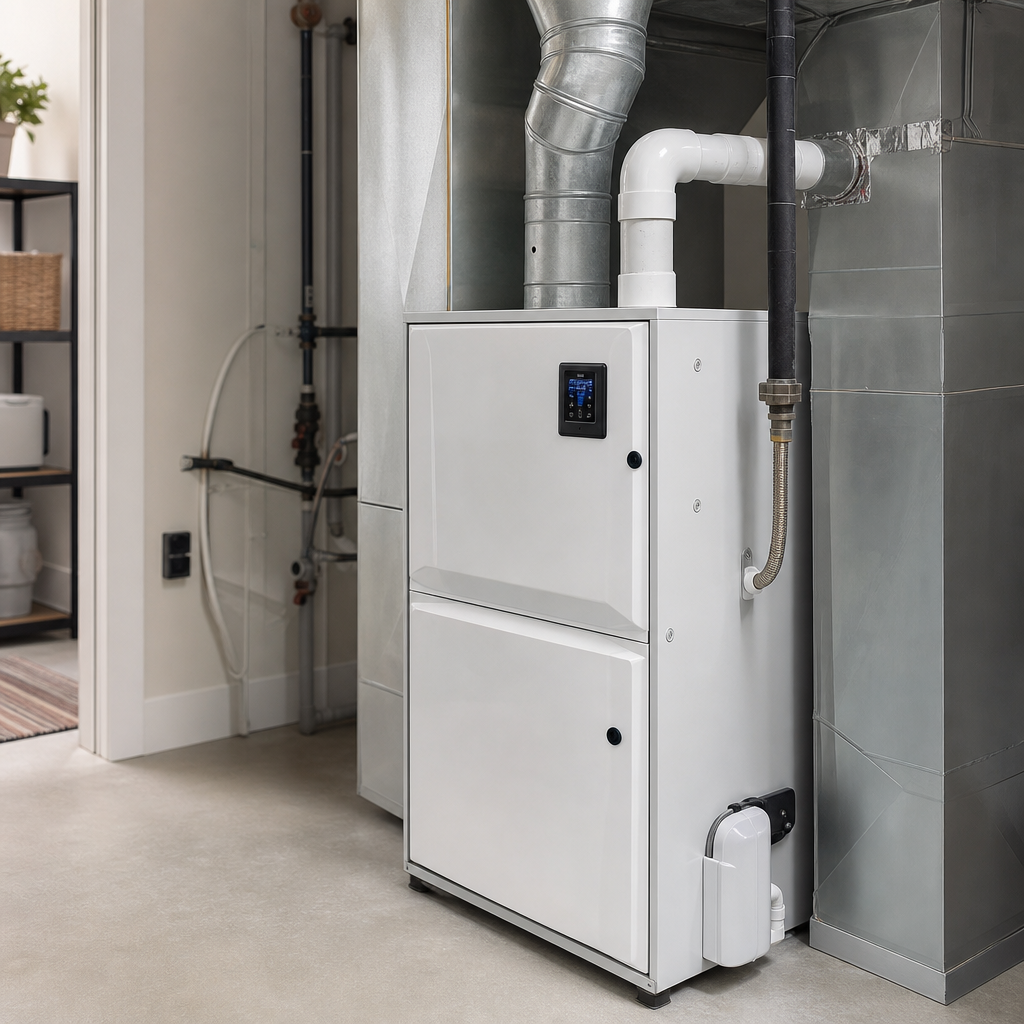
On the heating side — whether you have a gas furnace, heat pump, or electric system — the maintenance tasks shift accordingly. For gas furnaces, the heat exchanger is one of the most important inspection points: cracks in the heat exchanger can allow combustion gases, including carbon monoxide, to enter the airstream. This is a safety issue that warrants careful attention every year. The burner assembly is inspected and cleaned, the igniter is checked, and the flue is inspected for proper draft and any obstructions.
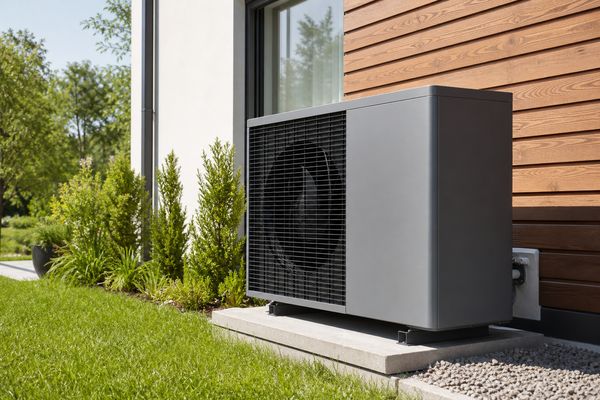
Heat pumps require the same cooling-side attention described above, plus inspection of the reversing valve (which switches the system between heating and cooling modes) and verification that the defrost cycle is functioning correctly. In heating mode, heat pumps extract heat from outdoor air — even cold outdoor air — and the defrost cycle prevents the outdoor coil from icing over during sustained cold-weather operation. A defrost system that isn't working properly significantly reduces heating efficiency.
The thermostat and controls get verified as well — not just that the temperature is accurate, but that the system responds correctly to signals from the thermostat, that staging (on systems with multiple stages of heating or cooling) is working as designed, and that any connected smart home integrations are functioning. For homes with zoning systems, damper operation and zone controller function are also checked.
Maintenance Schedules: How Often and Why
The standard recommendation of two professional maintenance visits per year — spring and fall — reflects the two distinct operating modes of most HVAC systems. The spring visit prepares the cooling equipment for the summer demand ahead, when any issue discovered can be addressed before the hottest days arrive. The fall visit transitions the system to heating mode, ensures combustion safety on furnaces, and makes sure the heat pump or furnace is ready before the first cold nights.
In California's warmer climate zones, where air conditioning runs for many months and heating demand is relatively moderate, the spring maintenance visit often gets more emphasis. Still, skipping the fall inspection — particularly for systems with a gas furnace — means the heat exchanger and combustion components go uninspected, which is a safety concern worth taking seriously regardless of how mild your winters feel.
Between professional visits, homeowners can do meaningful maintenance themselves. The filter is the most important: check it monthly and replace it when it looks dirty, which varies from every month to every three months depending on filter type and household conditions. Keep the outdoor condenser unit clear of vegetation and debris. Make sure all supply and return registers are open and unobstructed. These simple habits support what the professional maintenance visits accomplish and keep the system operating cleanly between visits.
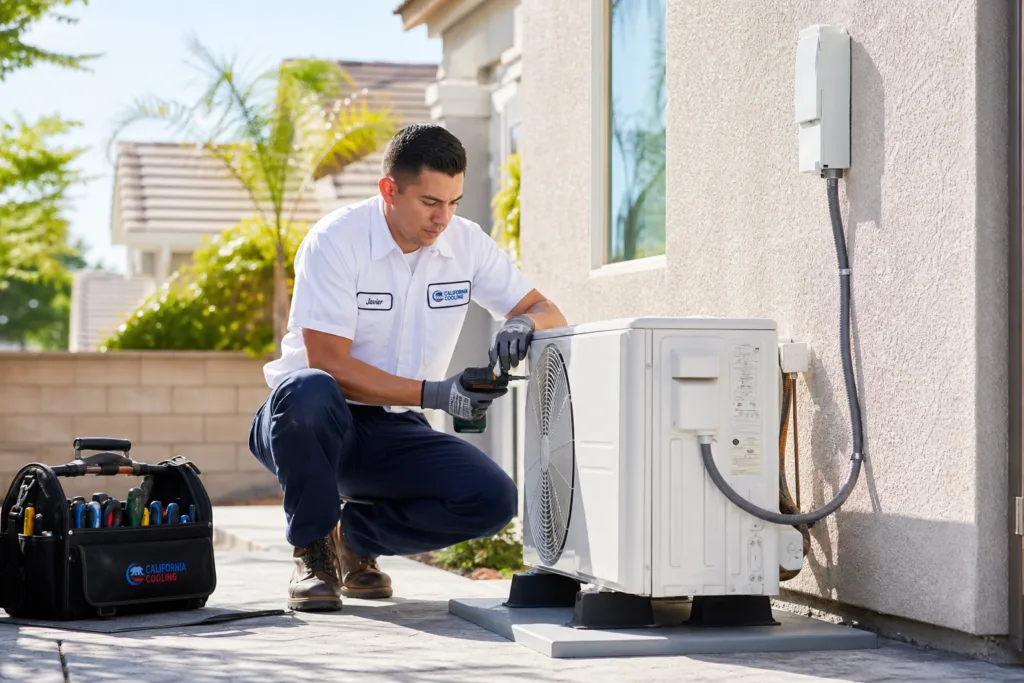
How Regular Maintenance Extends Equipment Life
The single most impactful thing you can do between professional tune-ups is stay on top of air filter maintenance. Filters load with particulate matter faster in households with pets, high occupancy, or significant outdoor air pollution. A filter that's completely loaded restricts airflow enough to cause the evaporator coil to ice over, which stops cooling entirely and stresses the compressor. Get in the habit of pulling the filter out and holding it up to light monthly — if you can't see light through it, it's time to replace it.
Keep the area around your outdoor condenser unit clear. Grass, weeds, and shrubs that grow up around the unit restrict airflow through the condenser coils. Leave at least two feet of clearance on all sides, and trim back anything that's encroaching. Hose off the condenser fins annually — in spring before cooling season is ideal — to remove dust, cottonwood, and other debris that accumulates between seasons. Spray from inside out (from the coil side outward) if possible to avoid packing debris deeper into the fins.
For homes with central air, check your condensate drain line periodically. The drain line exits either through a wall or into a floor drain, and you should see water draining from it when the AC is running on humid days. If you're not seeing drainage, or if you notice water in the drain pan below the air handler, the line may be starting to clog. Some homeowners pour a small amount of distilled white vinegar down the drain line access port periodically to inhibit algae growth — a simple preventive measure that can save a service call.
Change Filters Monthly: During peak cooling season, check your filter every 30 days. A dirty filter is the number one cause of AC problems. Annual Professional Tune-Up: Schedule maintenance in spring before summer demand hits. Technicians catch small issues before they become expensive repairs. Keep the Outdoor Unit Clean: In coastal areas, rinse salt residue off your outdoor condenser regularly to prevent corrosion.
Why Comparing Maintenance Plans Matters
When comparing HVAC maintenance quotes, the most important thing to understand is what's actually included in the service. There's wide variation: some contractors include coil cleaning (both evaporator and condenser) as standard; others treat it as an add-on. Some include drain line flushing and treatment; others only inspect the drain pan. Ask each contractor for a written list of what their maintenance visit covers, so you're comparing equivalent scopes rather than just prices.
Look for contractors who document their findings. A maintenance visit that produces a written inspection report — noting what was checked, what was found, and what was corrected — is more valuable than one that just results in a verbal thumbs-up. That documentation is useful if you ever need to make a warranty claim, sell your home, or evaluate a repair recommendation down the road.
Maintenance agreements (sometimes called service contracts or comfort clubs) offer annual visits at a pre-negotiated rate, often with additional benefits like priority scheduling, discounts on repairs, and reminders so you don't forget to schedule. Whether an annual agreement makes sense depends on how long you plan to stay in your home, the age of your system, and how much you value the convenience of not having to remember to schedule. Compare what the agreement covers and its total annual cost against booking individual visits — the math is often fairly close.

Price Transparency: Comparing quotes reveals the fair market rate for your specific repair. If one quote is dramatically different from the others, ask why. Different Diagnoses: Sometimes different technicians identify different root causes. Multiple perspectives help you make the best decision. Contractor Fit: Beyond price, compare warranties, response time, and communication quality to find the contractor you trust most.
Cost Considerations: What to Know
HVAC maintenance costs vary by region, system type, and the scope of what's included in the visit. A basic tune-up focused on inspection and filter change sits at a different price point than a comprehensive service that includes coil cleaning, drain treatment, and a full electrical component check. Understanding what each quote covers is more useful than comparing headline prices, since a cheaper visit that skips coil cleaning or refrigerant verification may cost you more in operating costs and missed issues than a more thorough one would have.
Maintenance agreements typically bundle two annual visits and may include additional benefits at a price point that often works out similar to or slightly below paying for individual visits separately. The main value beyond cost is consistency — a scheduled agreement means the maintenance actually happens rather than getting pushed off until something breaks. For homeowners with newer equipment under manufacturer warranty, having documented maintenance visits can also protect warranty coverage.
If a technician identifies a needed repair during a maintenance visit, you should receive a clear, written recommendation before any additional work is authorized. Getting a second opinion on significant repair recommendations during a maintenance visit is entirely reasonable — reputable contractors expect it and won't pressure you to decide immediately. The fact that one contractor found an issue doesn't obligate you to have that same contractor fix it.
HVAC Maintenance & Tune-Up Service Areas Near Carlsbad
HVAC Maintenance & Tune-Up FAQ — Carlsbad Homeowners
How often should I have my HVAC system professionally maintained?
What does a typical HVAC tune-up include?
Can I do HVAC maintenance myself, or does it require a professional?
How often should I change my HVAC air filter?
What is a condensate drain line and why does it matter?
Will regular maintenance actually extend my system's lifespan?
What is a capacitor and why does it come up so often in maintenance inspections?
Do I need maintenance if my system is fairly new?
What's the difference between a maintenance agreement and a one-time tune-up?
Can dirty coils really make that much difference to performance?
What should I look for when comparing HVAC maintenance quotes?
What happens if a technician finds a problem during a maintenance visit?
Related HVAC Services in Carlsbad
Air Conditioning
AC Replacement
HVAC Maintenance & Tune-Up
Heating & Furnace Repair
Furnace Replacement
Mini-Splits & Ductless
Heat Pumps
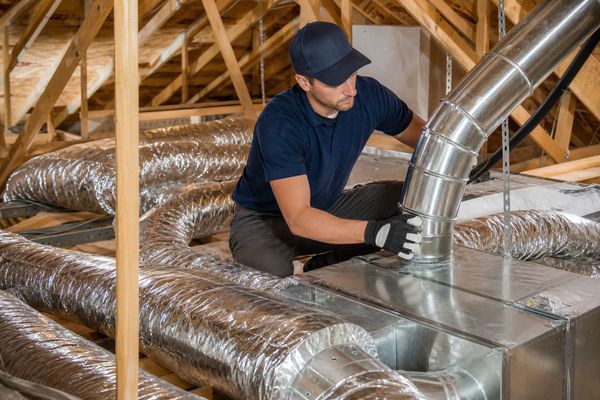
Ductwork