
Furnace Replacement in Carlsbad, CA

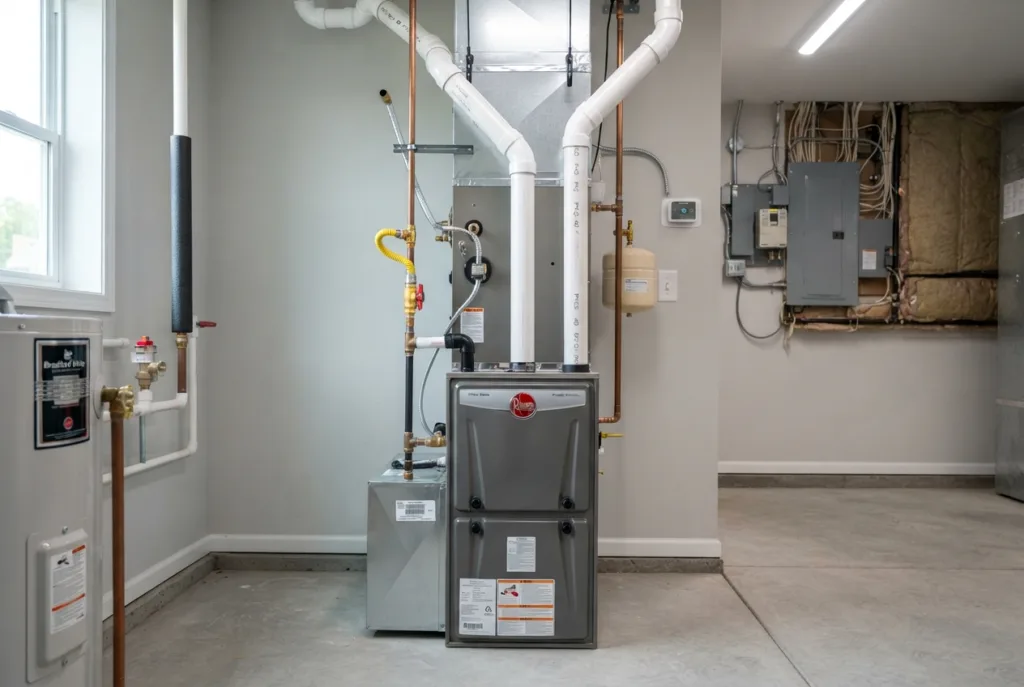
What Is Furnace Replacement & When Do You Need It?
• Gas furnace-to-gas furnace replacement (same fuel type, upgraded efficiency)
• Gas furnace replacement with an electric heat pump system
• Electric furnace replacement with higher-efficiency electric models
• Single-stage to variable-speed or two-stage furnace upgrade
• Furnace and air conditioner combined system replacement (matched system)
• Replacement with right-sized unit after load calculation (Manual J)
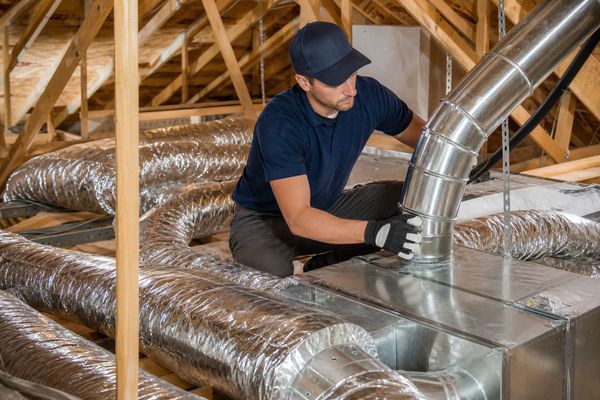
• Duct modification or sealing completed alongside new furnace installation
Top Reasons Carlsbad Homeowners Need Furnace Replacement
Age Beyond Typical Service Life
Significantly Higher Energy Bills
Repair Costs That Rival Replacement Value
Comfort Problems That Repair Cannot Fix
Transitioning to a More Suitable Heating Technology
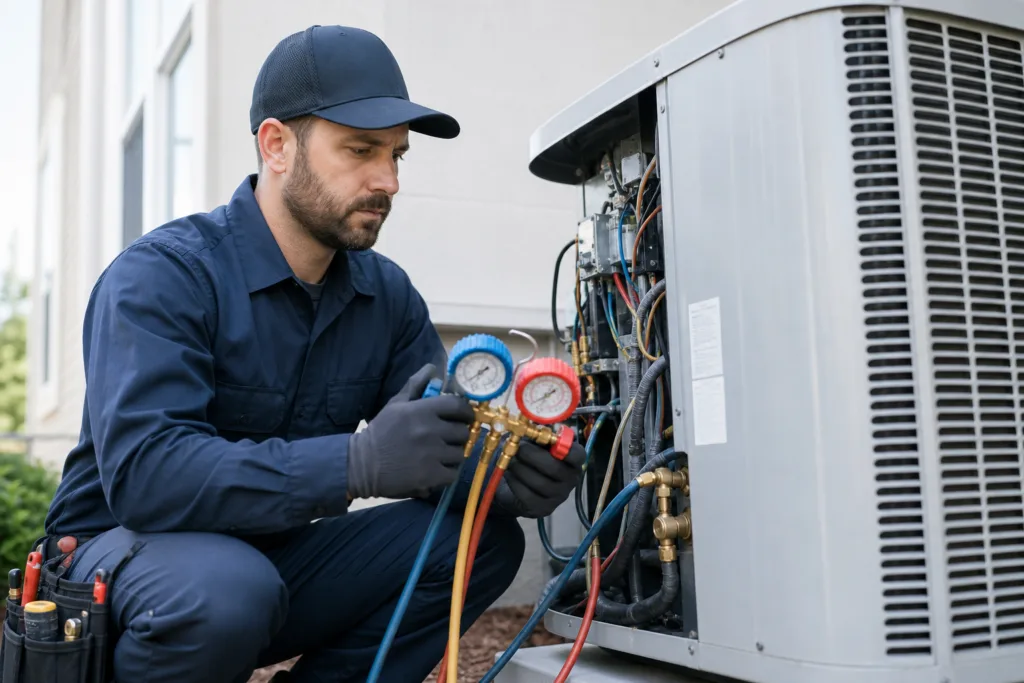
Ready to Compare Furnace Replacement Quotes in Carlsbad?
6 Signs You Need a New Furnace
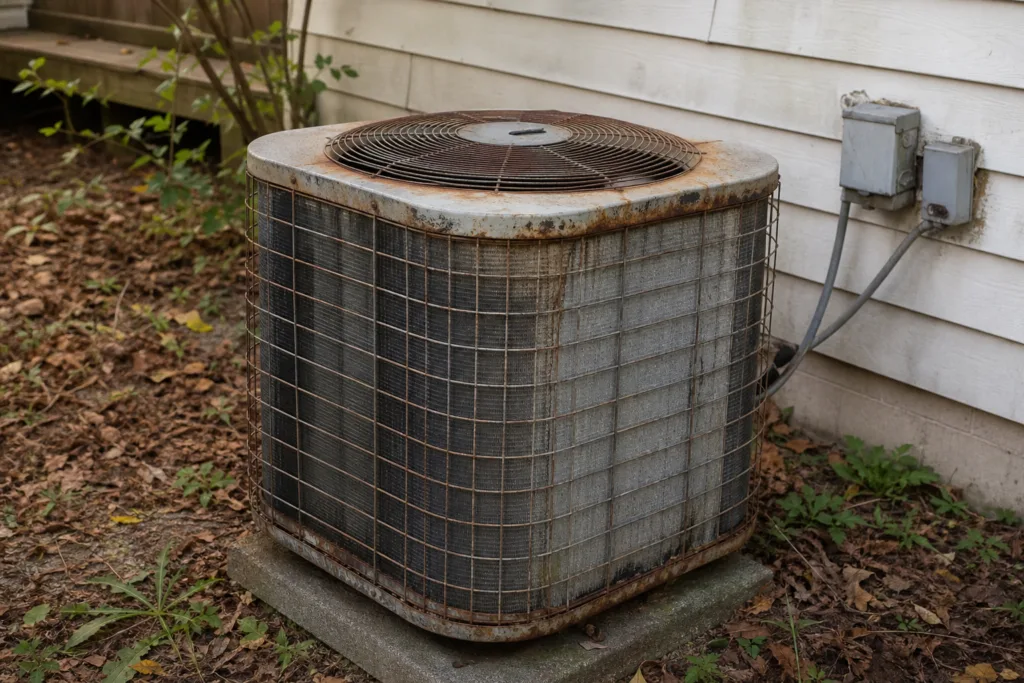
System Age Exceeds 15 Years
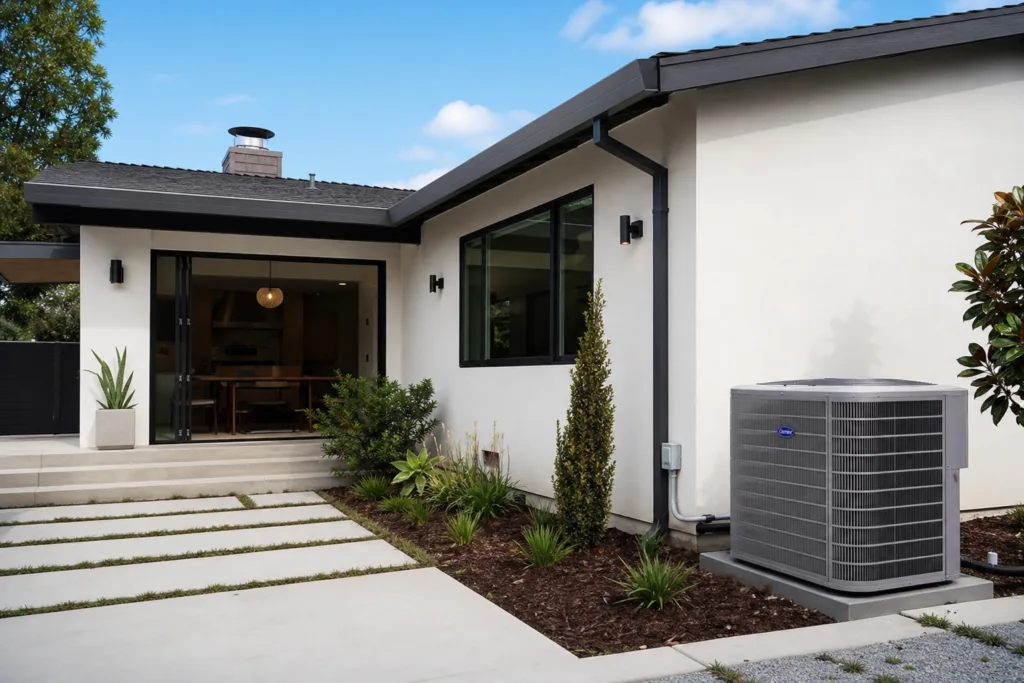
Increasing Frequency of Breakdowns
Visible Rust, Corrosion, or Cracks on the Unit

Uneven Heating Throughout the Home
Loud or Unusual Operating Noises
Yellow Pilot Light or Soot Around Registers
What Professional Furnace Replacement Delivers
Improved Energy Efficiency
New Equipment Warranty Protection
Right-Sized Equipment for Your Home
Improved Indoor Air Quality Features
Quieter, More Consistent Operation
Potential Utility Rebates and Incentives
What a Modern Furnace Replacement Delivers
95%+ AFUE Efficiency
Variable-Speed Blower Motors
Enhanced Safety Features
Two-Stage or Modulating Heat
Smart Thermostat Compatibility
How to Choose the Right Furnace Replacement Contractor
Key Factors to Consider
- Proper Sizing (Manual J)
An oversized furnace short-cycles and wastes energy. Quality contractors perform heat load calculations for correct sizing. - Ductwork Assessment
New furnaces on old, leaky ducts lose up to 30% of heating capacity. Good contractors evaluate and address duct issues. - Gas Line Capacity
Higher-efficiency furnaces may require gas line upgrades. Your contractor should verify adequate gas supply before installation. - Code Compliance
California has strict energy codes for furnace installations. Ensure your contractor handles all permits and Title 24 compliance.
Furnace Efficiency Comparison
📊 Standard Efficiency (80% AFUE):
- Lowest upfront cost
- Non-condensing (simpler installation)
- Meets minimum code in some areas
- Good for mild climates
⚡ High Efficiency (95-98% AFUE):
- 30-40% lower heating bills
- Condensing technology
- Qualifies for utility rebates
- Quieter variable-speed operation
💡 Pro Tip
Ready to Get Furnace Replacement in Carlsbad?





Smart Tips Before Replacing Your Furnace
Consider the Whole System
Know Your Fuel Options
Check for Rebates First
Don't Forget the Ductwork
Should You Repair or Replace Your Furnace?
🔧 Repair Makes Sense If...
✨ Replace Your Furnace If...
Complete Guide
The Complete Guide to Furnace Replacement in Carlsbad
Understanding Furnace Efficiency Ratings and What They Mean for Southern California Homeowners
The Annual Fuel Utilization Efficiency (AFUE) rating is the standard measure of how efficiently a gas furnace converts fuel into usable heat over a full heating season. An 80 AFUE furnace converts 80 percent of the gas it burns into heat and exhausts the remaining 20 percent through the flue. A 95 AFUE furnace retains 95 percent of the fuel energy as heat, exhausting only 5 percent.
In most of the United States, the jump from 80 to 95+ AFUE represents a significant energy savings, and the higher upfront cost of a high-efficiency furnace is often recouped through lower gas bills within several years. In Southern California, however, the economics look somewhat different: because heating loads are lighter than in colder climates, the annual fuel savings from upgrading to high-efficiency are more modest, and the payback period is longer.
This does not mean high-efficiency furnaces are a poor choice for Carlsbad homeowners — they still consume less fuel and produce fewer emissions — but it does mean the decision should be made with realistic expectations rather than payback projections based on Northern US heating loads. Your contractor should be able to provide an efficiency analysis based on local degree-day data and your home's actual heating history.
High-efficiency condensing furnaces (90+ AFUE) work differently from standard 80 AFUE models. They extract so much heat from combustion gases that the exhaust condenses into liquid water, which must be drained away. This allows the flue to be made of PVC pipe instead of metal, simplifying venting through side walls rather than through the roof — a practical advantage for some installation configurations in California homes.
Two-stage and variable-speed furnaces represent another dimension of efficiency beyond AFUE. A single-stage furnace operates at 100 percent capacity whenever it runs, cycling on and off to maintain temperature. A two-stage furnace runs at a lower firing rate for most of the heating season and only steps up to full capacity during the coldest periods. Variable-speed furnaces take this further, modulating continuously. Both approaches reduce temperature swings, improve humidity control, and can lower operating costs compared to single-stage equipment.
The blower motor type also affects operating costs significantly. Electronically Commutated Motor (ECM) blowers, standard on most variable-speed and many two-stage furnaces, use considerably less electricity than traditional PSC motors — a meaningful consideration since the blower runs not just for heating but also for cooling and continuous ventilation throughout the year.
Furnace vs. Heat Pump: Choosing the Right Replacement for Southern California
One of the most important decisions for homeowners replacing a heating system in Carlsbad is whether to stay with a gas furnace or transition to an electric heat pump. Both are legitimate options, and the right choice depends on your home's existing infrastructure, your utility rates, your cooling needs, and your preferences regarding fuel type.
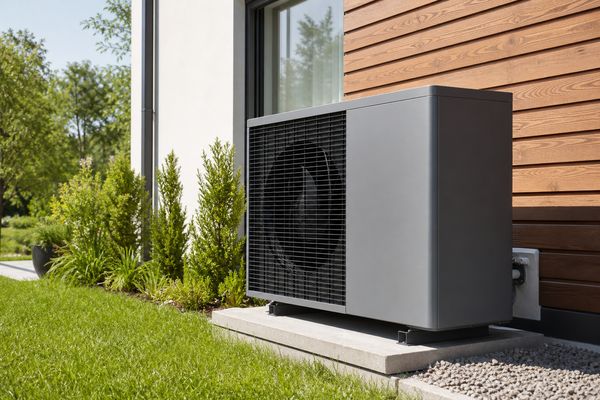
A heat pump is a single system that provides both heating and cooling using refrigerant — it moves heat rather than generating it by combustion. Modern cold-climate heat pumps can operate effectively down to temperatures well below freezing, though Southern California's mild winters mean this extreme-temperature capability is rarely needed. For homeowners who already have a gas furnace paired with a separate central air conditioner, replacement is an opportunity to consolidate into a single heat pump system.
A dual-fuel or hybrid system pairs a heat pump with a gas furnace backup. The heat pump handles most heating duty efficiently, and the gas furnace takes over during the coldest periods when heat pump efficiency drops. This configuration is popular in climates with occasional cold snaps — which describes Southern California winters well — and offers flexibility as utility rates and fuel costs shift over time.
Signs It's Time to Replace Your Furnace
New furnaces benefit significantly from proper initial maintenance practices. Registering the equipment with the manufacturer immediately after installation activates the full warranty period and makes warranty claims easier if a component fails within the coverage window. Keep the registration documents and installation invoice in a location where they can be retrieved easily.
Annual professional maintenance remains as important for a new furnace as it was for the old one. In the first few years, maintenance visits confirm that the installation is performing correctly, that combustion is within proper parameters, and that no installation-related issues have developed. For heat pumps, annual maintenance includes refrigerant pressure checks, coil cleaning, and a review of defrost cycle operation.
Filter replacement on the prescribed schedule is the single most impactful homeowner maintenance task. Most new high-efficiency furnaces specify filter replacement every one to three months depending on household conditions, and some systems include a filter-change reminder indicator. Staying on schedule preserves airflow, protects the new equipment, and maintains the indoor air quality benefits that come with new filtration media.
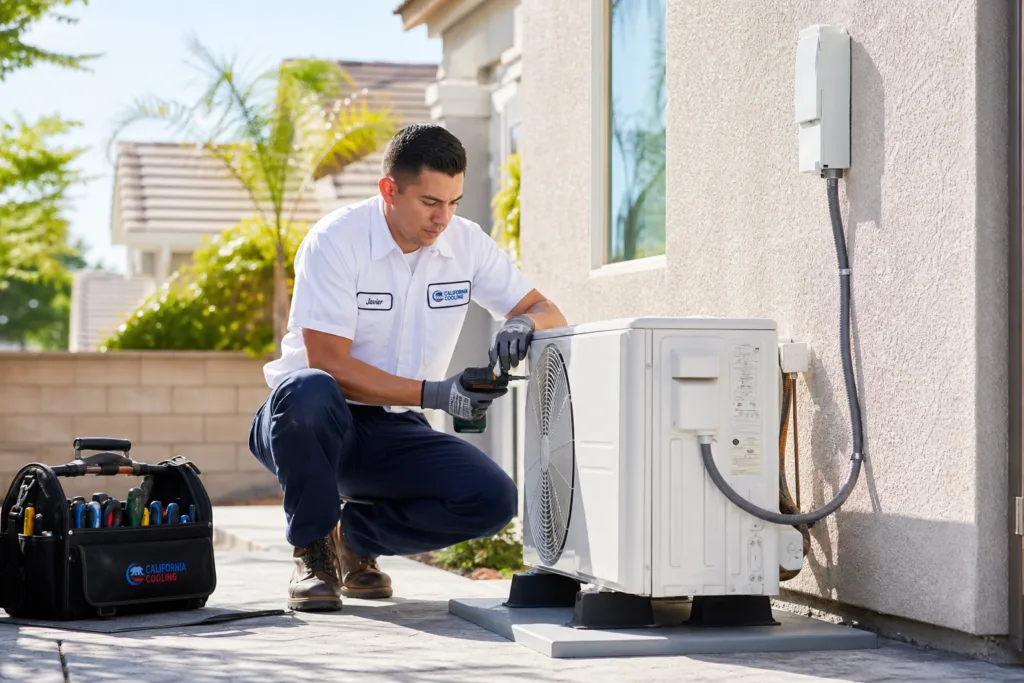
Change Filters Monthly: During peak cooling season, check your filter every 30 days. A dirty filter is the number one cause of AC problems. Annual Professional Tune-Up: Schedule maintenance in spring before summer demand hits. Technicians catch small issues before they become expensive repairs. Keep the Outdoor Unit Clean: In coastal areas, rinse salt residue off your outdoor condenser regularly to prevent corrosion.
Why Comparing Multiple Furnace Quotes Matters
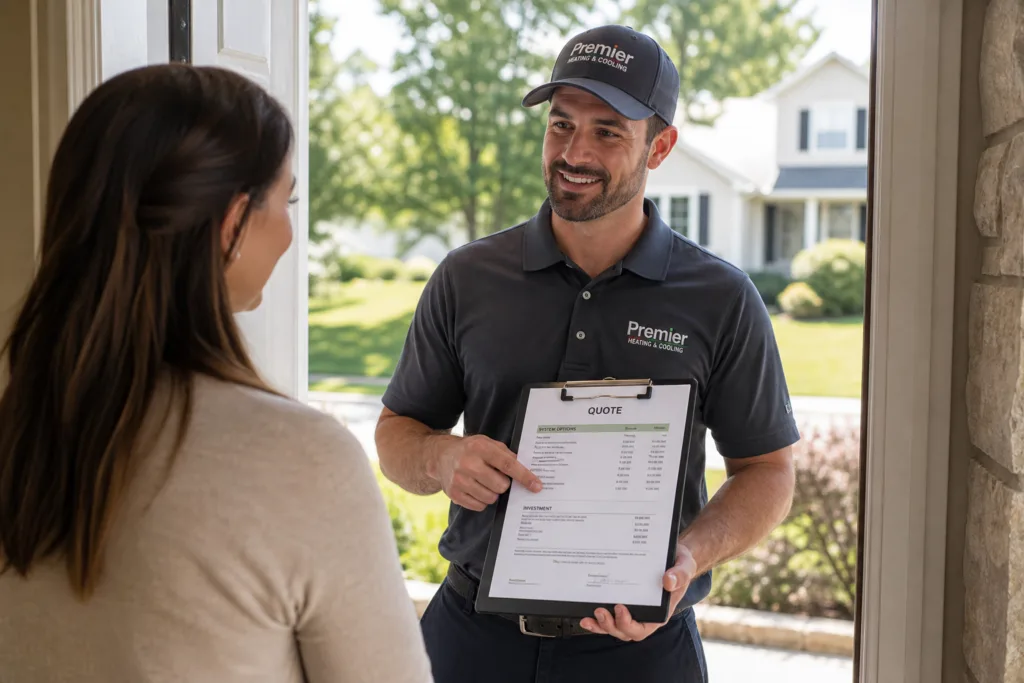
Replacement quotes should always include a documented load calculation or at minimum a clear explanation of how the contractor determined the new system's size. An appropriately sized furnace is one of the most important outcomes of a replacement project. If a contractor proposes a system size without any reference to a load calculation, ask how the sizing was determined — proper sizing is not simply replacing the old unit with an identical capacity.
Compare quotes on the basis of equipment model, efficiency rating, warranty terms, installation scope, and permit handling — not just the bottom-line number. A quote that includes duct sealing, thermostat upgrade, and permit processing may appear higher but represent significantly better value than a stripped-down quote for equipment alone. Ask each contractor to clarify exactly what is and is not included.
Contractor credentials matter in California. HVAC installers must hold a C-20 Warm-Air Heating, Ventilating and Air-Conditioning contractor license issued by the California Contractors State License Board. Verify the license status of any contractor you are considering through the CSLB website before signing an installation agreement. Licensed contractors are required to pull permits and schedule inspections, which protects homeowners from liability and ensures the installation meets current code requirements.

Price Transparency: Comparing quotes reveals the fair market rate for your specific repair. If one quote is dramatically different from the others, ask why. Different Diagnoses: Sometimes different technicians identify different root causes. Multiple perspectives help you make the best decision. Contractor Fit: Beyond price, compare warranties, response time, and communication quality to find the contractor you trust most.
What Determines the Cost of Furnace Replacement in Carlsbad
Furnace replacement costs vary based on the type and efficiency of the new equipment, the complexity of the installation, whether ductwork modifications are needed, and the contractor's labor rates in your area of Southern California. Understanding these variables helps you interpret quotes accurately and ask the right questions when comparing proposals.
Equipment type is typically the largest single variable in replacement cost. Standard 80 AFUE single-stage gas furnaces are generally the least expensive equipment option, while high-efficiency two-stage or variable-speed gas furnaces, heat pump systems, and dual-fuel hybrid systems sit at higher price points reflecting their more sophisticated technology and greater long-term energy savings potential.
Installation complexity adds to the total project cost in ways that are not always obvious from a basic quote. Homes that require new or modified ductwork, changes to gas line sizing, replacement of flue venting from metal to PVC (or vice versa), electrical panel upgrades for heat pump installation, or permit and inspection fees will see these costs reflected in the final invoice. Getting a complete scope of work in writing from each contractor ensures you are comparing equivalent proposals when evaluating quotes in Carlsbad.
Furnace Replacement Service Areas Near Carlsbad
Furnace Replacement FAQ — Carlsbad Homeowners
How do I know if my furnace needs to be replaced rather than repaired?
Should I replace my furnace with another gas furnace or switch to a heat pump?
What efficiency rating should I look for when replacing a furnace?
How long does furnace installation typically take?
Do I need a permit to replace a furnace in California?
What size furnace does my home need?
What is a dual-fuel or hybrid heat pump system and is it right for Southern California?
Can I replace just the furnace without replacing the air conditioner?
Are there utility rebates available for furnace replacement in California?
How long should a new furnace last?
What questions should I ask when getting furnace replacement quotes?
What happens to my old furnace when it is replaced?
Related HVAC Services in Carlsbad
Air Conditioning
AC Replacement
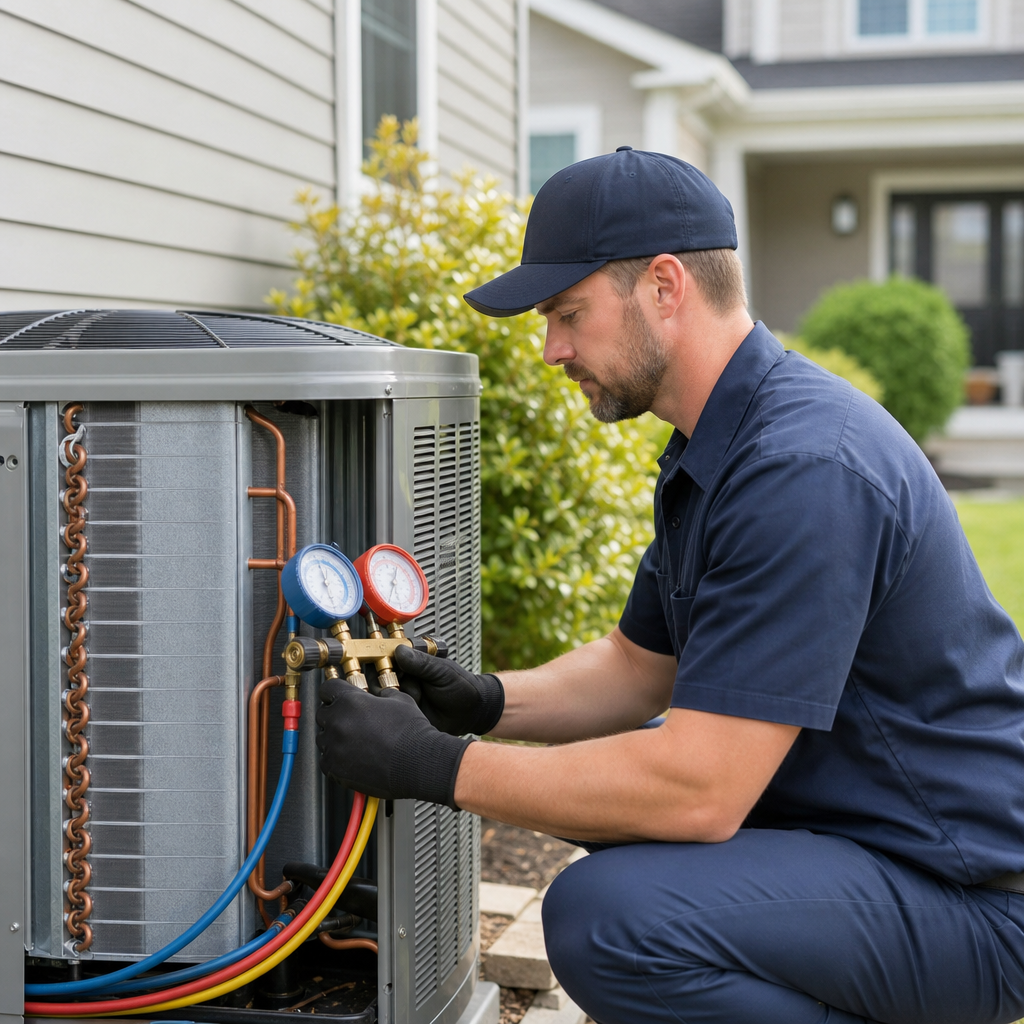
HVAC Maintenance & Tune-Up
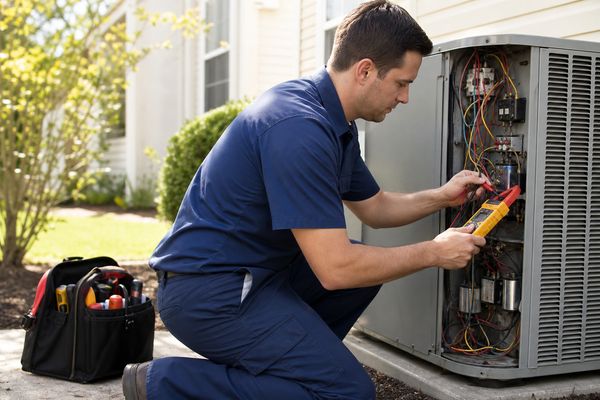
Heating & Furnace Repair
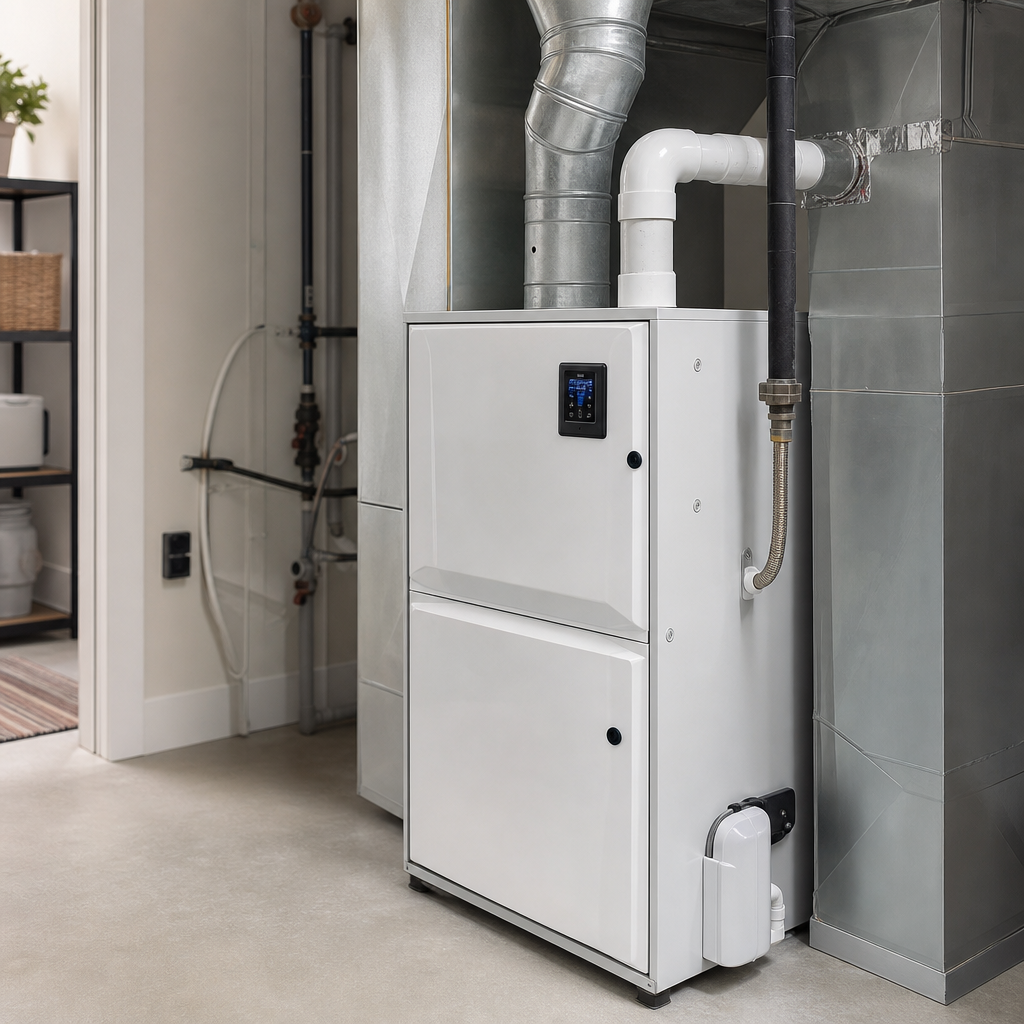
Furnace Replacement
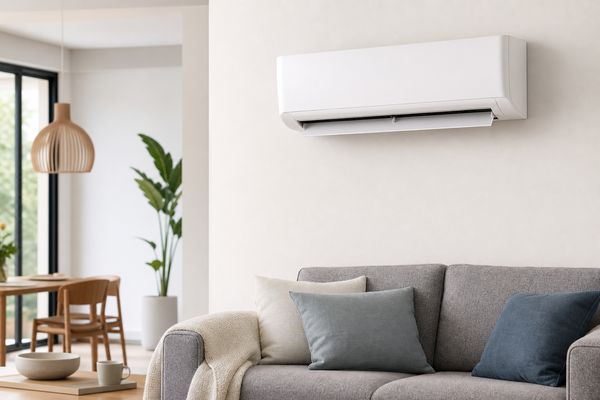
Mini-Splits & Ductless
Heat Pumps
Ductwork