✓ 100% Free Service  •  ✓ No Obligation  •  ✓ Licensed Pros Only
Home Carlsbad Heat Pumps

Heat Pumps in Carlsbad, CA

Heat pumps are one of the most energy-efficient ways to keep your home comfortable year-round, and Carlsbad's mild Southern California climate makes them an especially practical choice. Understanding how they work — and how they compare to traditional heating and cooling systems — helps you make a confident decision when it's time to upgrade.
Or call us: (888) 252-5238
Licensed & Pre-Screened Contractors
💰 Best Price Guarantee
Fast & Free — No Obligation
📊 Transparent Pricing Comparison
🏠 Local Experts Who Know Your Area
🕐 Same-Day Quotes Available
AI contractor matching logo
AI Matched Contractors
Our technology helps match you with trusted, top-rated HVAC pros so you can compare price, service, equipment, and warranty.
Get Your Free Quote Now
Next-Day
Installs Available
1–3 Day
Installation
Up to 30%
Cost Savings
100%
Licensed Pros
3 Free
Quotes to Compare
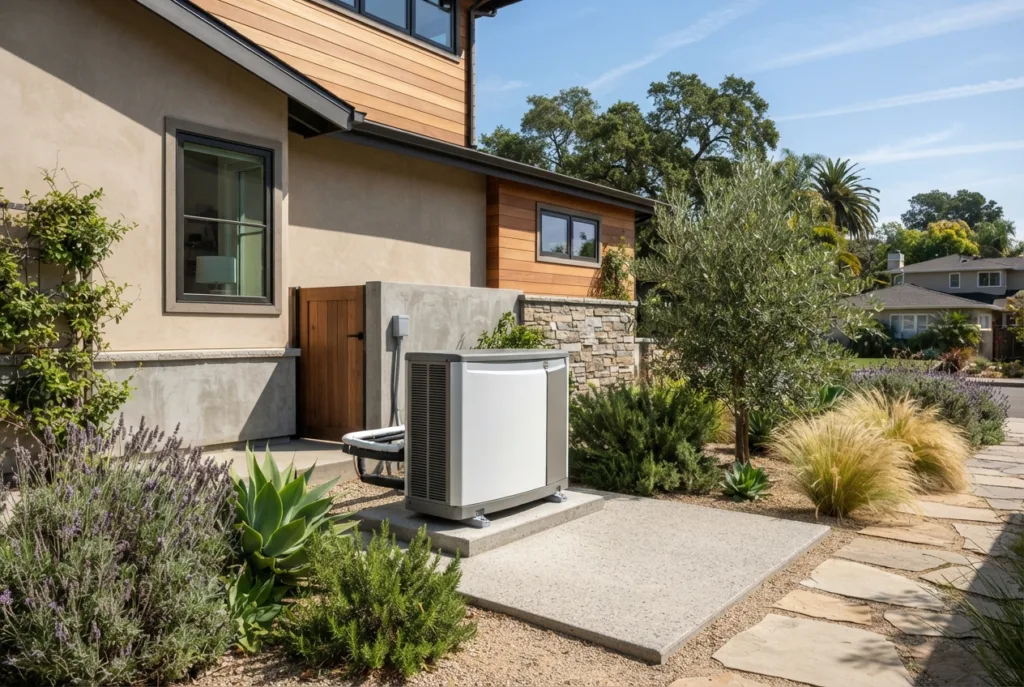
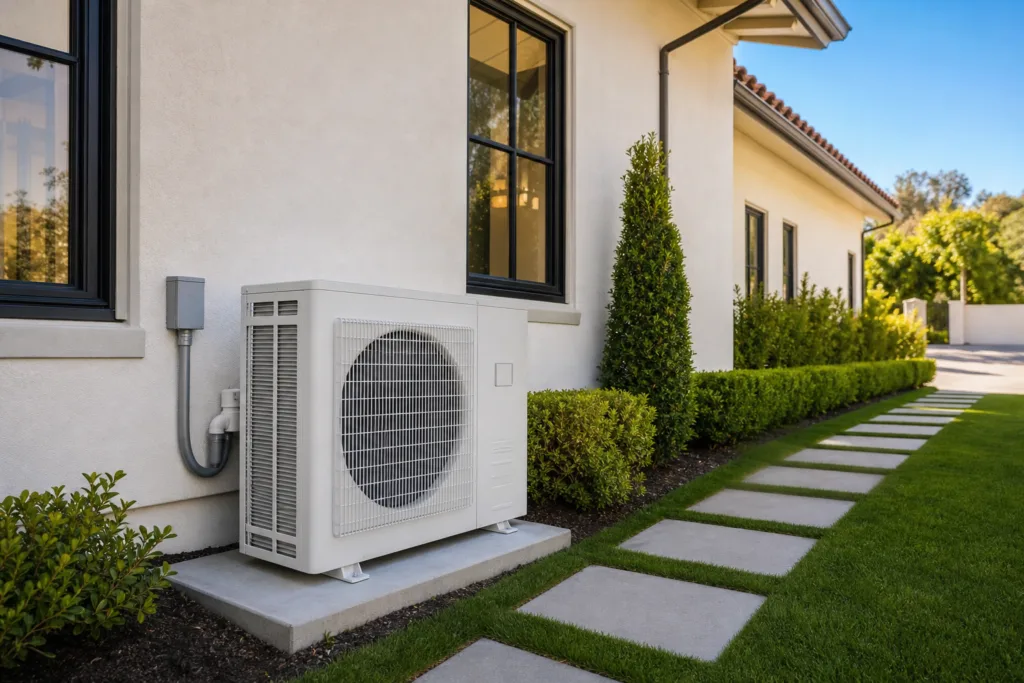
Heat Pumps service in Carlsbad CA
Understanding Heat Pumps

What Is a Heat Pump & When Do You Need It?

A heat pump is a single system that handles both heating and cooling by moving heat rather than generating it. In summer, it extracts heat from inside your home and releases it outdoors — just like a central air conditioner. In winter, it reverses the process, pulling heat energy from the outdoor air (even when temperatures are cool) and transferring it inside. Because it moves heat instead of burning fuel, a heat pump can deliver significantly more energy output than the electricity it consumes. Homeowners in Carlsbad are well-suited for heat pumps because Southern California winters rarely drop to the extreme cold temperatures where traditional heat pumps lose efficiency. Modern cold-climate heat pumps perform effectively even in lower temperatures, but for most California homes, a standard heat pump covers every season comfortably. You may need one if your current furnace or AC is aging, if your energy bills are climbing, or if you're building new construction and want a streamlined, all-electric system.
Common heat pump services includes:

• New heat pump installation (whole-home split systems)
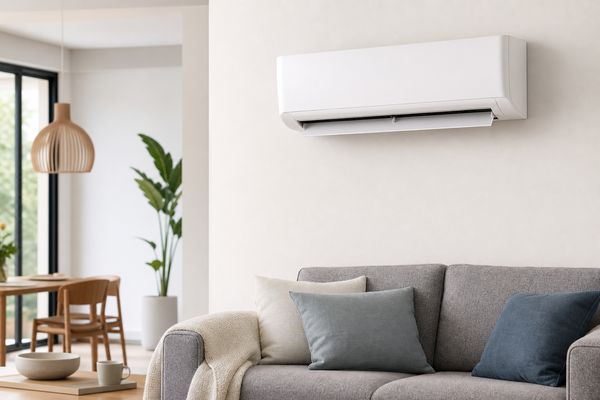
• Ductless mini-split heat pump installation
• Heat pump replacement (swap out aging AC + furnace combos)
• Refrigerant recharge and leak repair
• Thermostat and controls upgrade
• Heat pump tune-up and seasonal maintenance
• Reversing valve repair or replacement
Heat pumps provide both heating and cooling from a single, energy-efficient system. Comparing quotes from multiple licensed installers ensures you get the right type of heat pump, proper sizing, and the best value for your Carlsbad home.
Why Act Fast

Top Reasons Carlsbad Homeowners Need Heat Pumps

One System for All Seasons

A heat pump replaces both your air conditioner and your furnace with a single unit, simplifying maintenance and reducing the number of systems that can break down. For homeowners in Carlsbad, this consolidation means one licensed contractor handles your entire year-round comfort.

Lower Operating Costs

Because heat pumps move existing heat rather than creating it through combustion, they can produce multiple units of heating or cooling energy for every unit of electricity consumed. Over the course of a year, this efficiency advantage typically translates into meaningfully lower utility bills compared to running a separate gas furnace and electric AC.

All-Electric, Gas-Free Operation

Heat pumps run entirely on electricity, eliminating the need for a gas line to your HVAC system. This is particularly relevant as California continues expanding clean-energy incentive programs and many municipalities move toward all-electric building codes.

Consistent, Even Comfort

Unlike gas furnaces that cycle on with a blast of hot air, heat pumps deliver a steady, moderate airflow that maintains more consistent temperatures throughout the home. Many homeowners report fewer cold spots and a more comfortable indoor feel overall.

Improved Indoor Air Quality

Heat pumps continuously circulate and filter indoor air without the combustion byproducts associated with gas heating. Pairing a heat pump with a quality air filtration system gives Carlsbad homeowners cleaner air alongside efficient comfort.
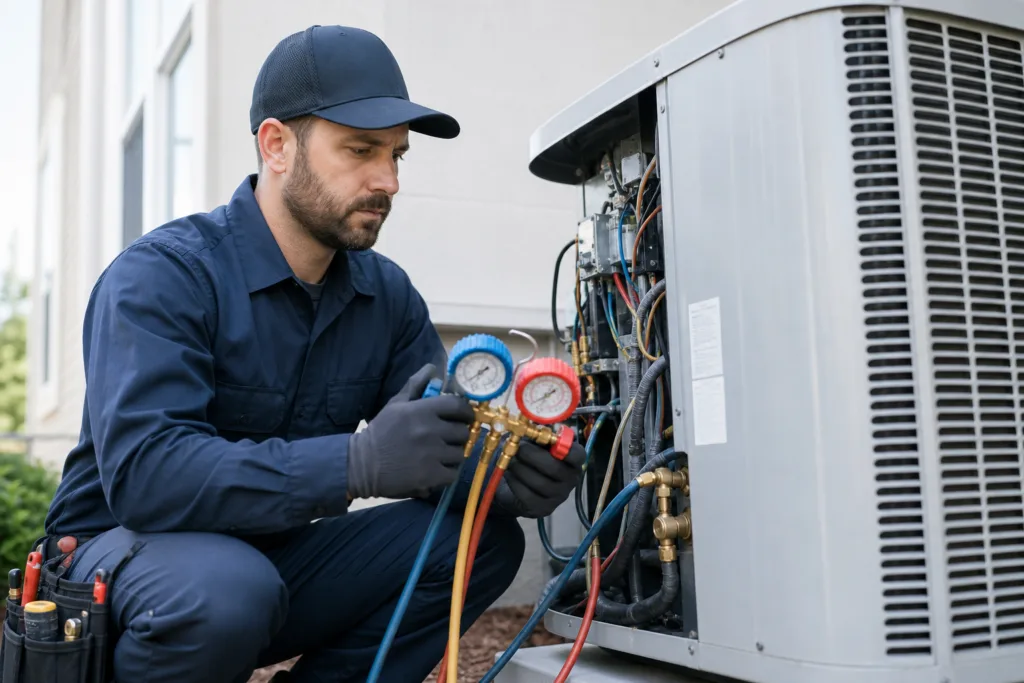
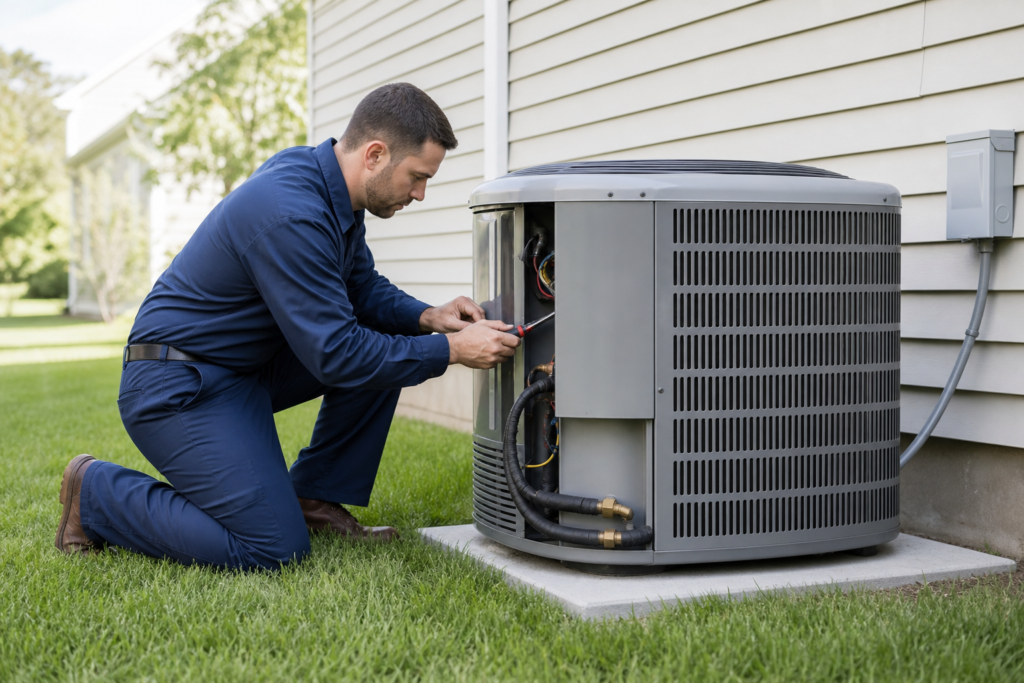
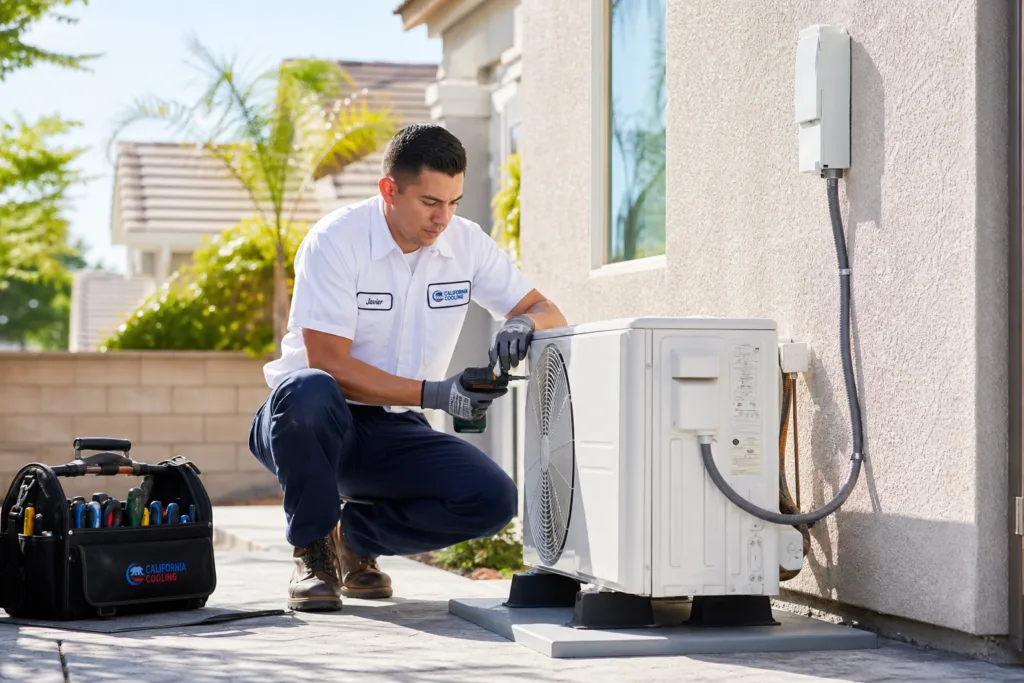
HVAC technician performing heat pump inspection in Carlsbad

Ready to Compare Heat Pumps Quotes in Carlsbad?

Get 3 quotes from licensed, vetted Heat Pumps contractors serving Carlsbad. Free, fast, no obligation.
Warning Signs

6 Signs a Heat Pump Is the Right Choice

Signs Your Home May Need a New or Repaired Heat Pump
System Is Over 10u201315 Years Old - heat pump warning sign
01

System Is Over 10–15 Years Old

Heat pumps typically have a lifespan of 10 to 15 years with proper maintenance. If yours is approaching or past that range, frequent repairs and declining efficiency are common signals that replacement is more cost-effective than continued service.
Rising Energy Bills With No Explanation - heat pump warning sign
02

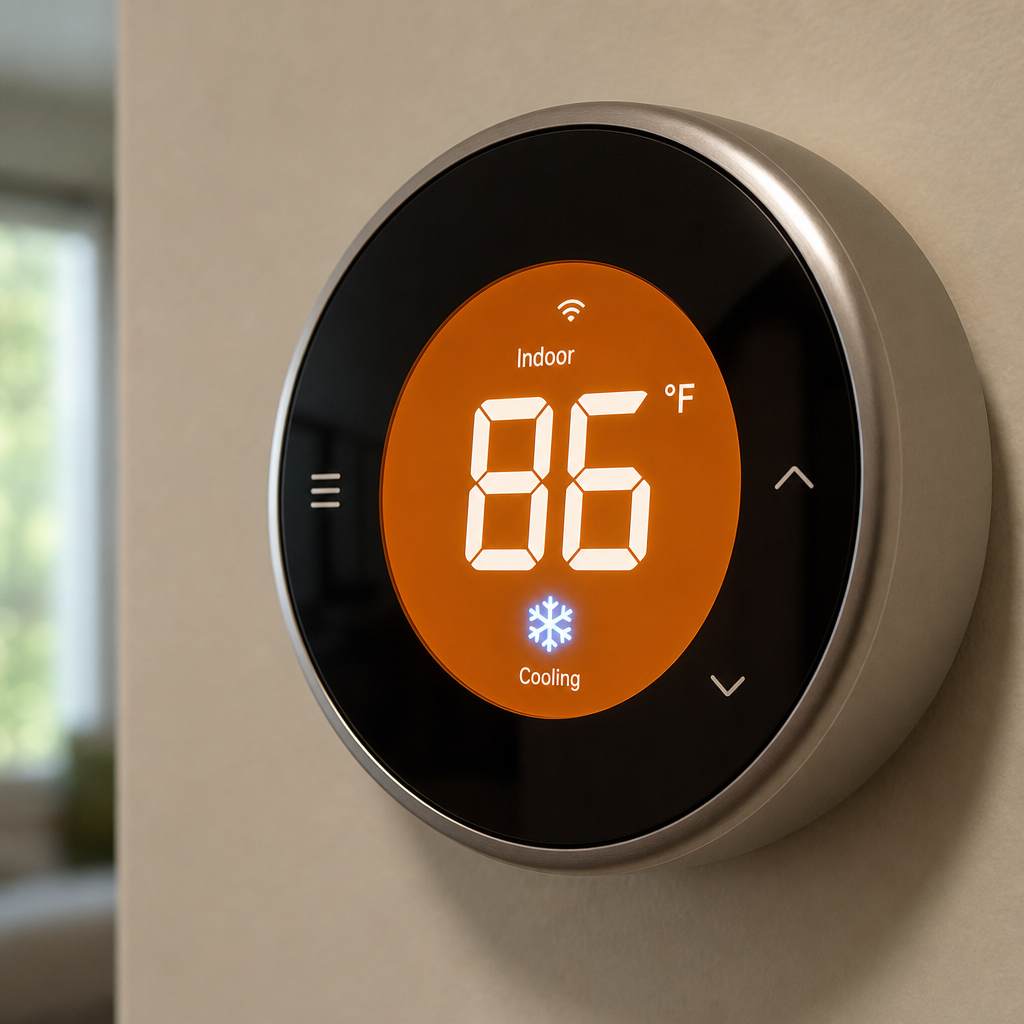
Rising Energy Bills With No Explanation

A heat pump that's losing efficiency will work harder to maintain the same temperature, consuming more electricity in the process. If your bills have increased noticeably without a change in usage habits, the system may be degrading.
Unusual Noises During Operation - heat pump warning sign
03

Unusual Noises During Operation

Grinding, squealing, rattling, or banging sounds from your heat pump are not normal and often point to worn bearings, loose components, or a failing compressor. Catching these early can prevent a minor repair from becoming a full replacement.
Inadequate Heating or Cooling - heat pump warning sign
04

Inadequate Heating or Cooling

If certain rooms in your Carlsbad home never reach the set temperature, or the system runs constantly without achieving comfort, the heat pump may be undersized, low on refrigerant, or experiencing a mechanical fault.
Frequent Short Cycling - heat pump warning sign
05

Frequent Short Cycling

Short cycling — when the system turns on and off repeatedly in short intervals — stresses the compressor and wastes energy. It can indicate refrigerant issues, a faulty thermostat, or an oversized unit that was never properly matched to your home's load.
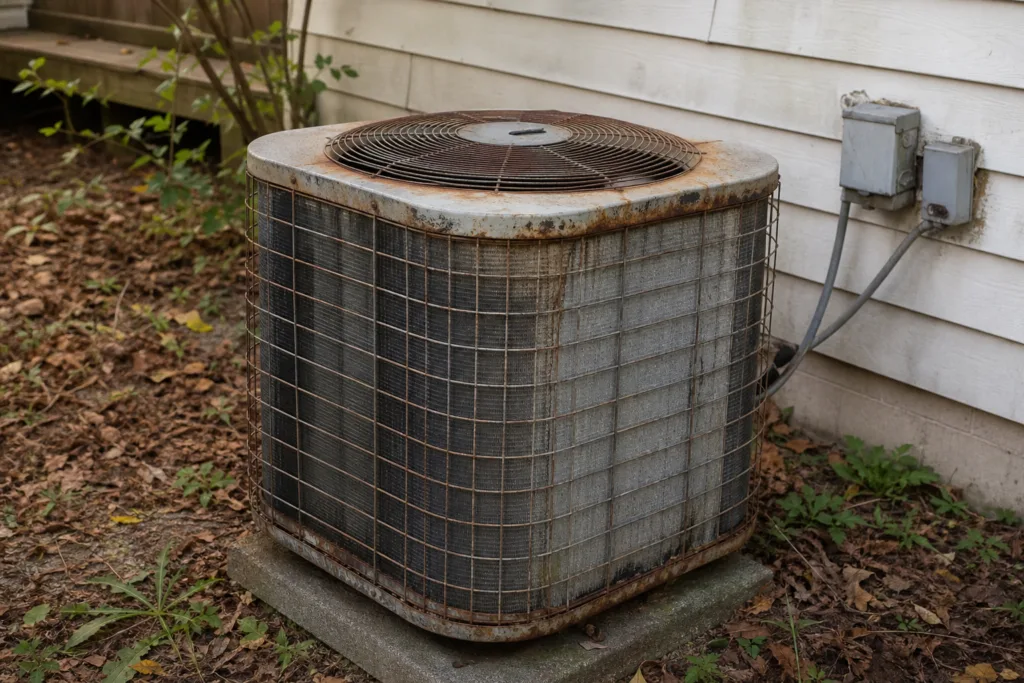
Ice Buildup on the Outdoor Unit - heat pump warning sign
06

Ice Buildup on the Outdoor Unit

Some frost on the outdoor coil during heating mode is normal and the defrost cycle handles it automatically. Persistent or heavy ice accumulation, however, can indicate low refrigerant, poor airflow, or a malfunctioning defrost board that needs professional attention.
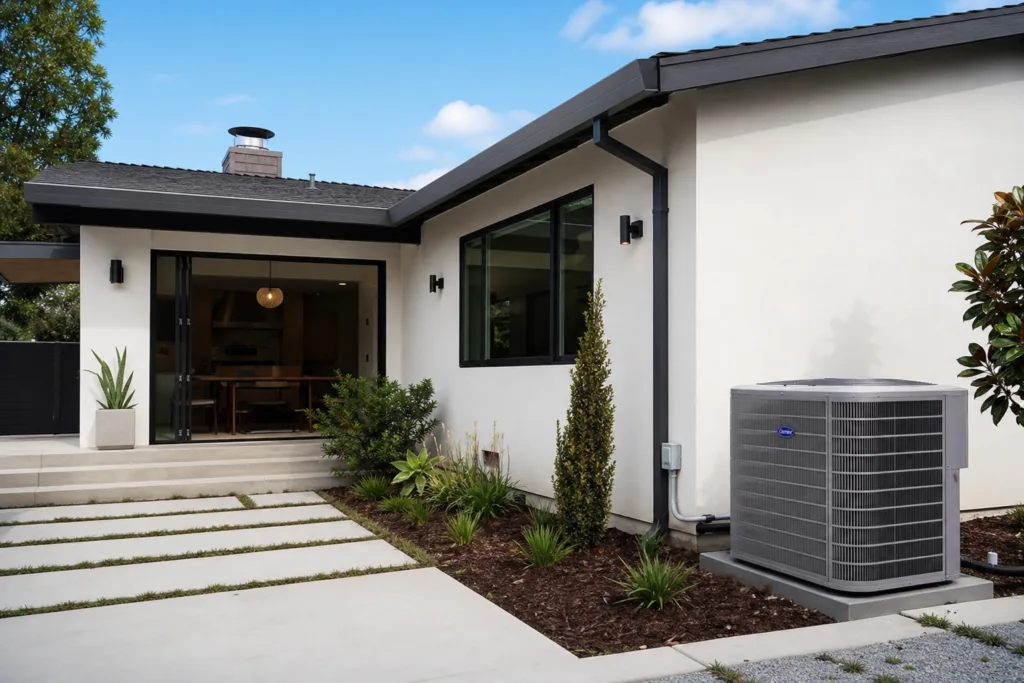
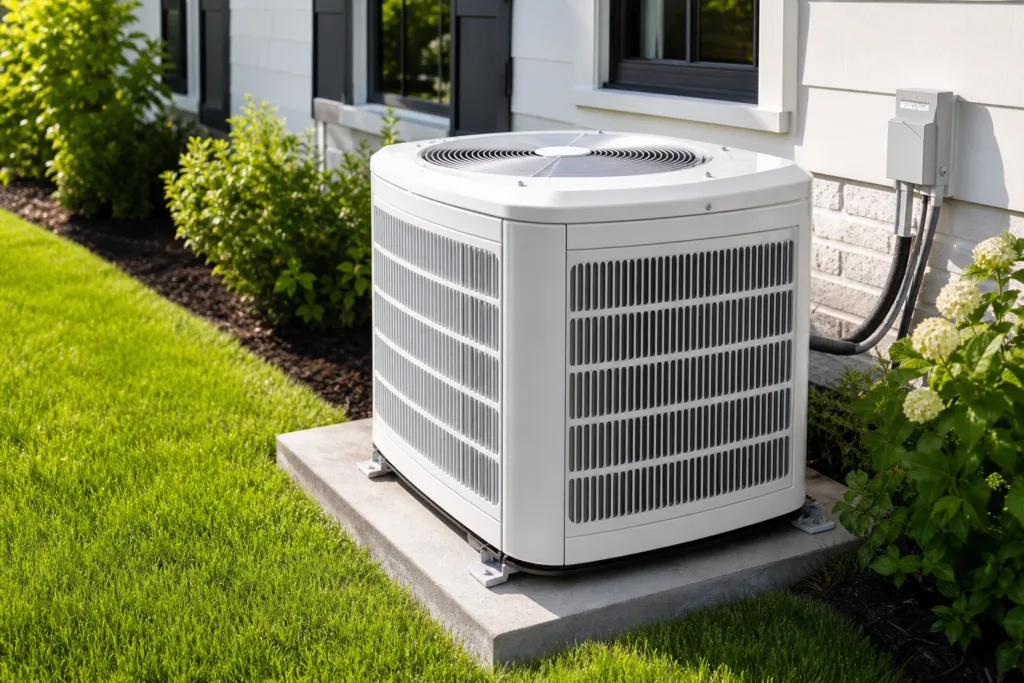
Professional heat pump team serving Carlsbad homeowners
The Benefits

What Professional Heat Pumps Delivers

💰

Year-Round Comfort From One System

Heat pumps handle heating and cooling without switching between two separate systems, giving you seamless season-to-season comfort and a single maintenance schedule to track.
🏠

High Energy Efficiency Ratings

Modern heat pumps carry SEER2 and HSPF2 ratings that reflect real-world efficiency improvements over older equipment, meaning more comfort output per unit of electricity consumed across every month of the year.
🔧

Quieter Operation Than Traditional Systems

Variable-speed compressors found in many current heat pump models run at lower capacity most of the time, producing noticeably less noise than older single-stage AC units or gas furnaces igniting their burners.
🌬️

Eligibility for Utility and State Rebates

California utility companies and state programs frequently offer rebates for qualifying heat pump installations, and federal tax credits may also apply. A licensed contractor can help you identify which incentives are available in Carlsbad at the time of installation.
📈

No Combustion Risk

Because heat pumps don't burn fuel, there's no risk of carbon monoxide production from the HVAC system itself, removing one of the key safety concerns associated with gas-fired heating equipment.
🤫

Flexible Installation Options

From ducted whole-home systems to ductless mini-splits that condition individual rooms or additions, heat pumps offer configurations that work for nearly every Carlsbad home layout, including older homes without existing ductwork.
Problems Solved

What Modern Heat Pumps Deliver

Heat pumps have evolved dramatically and are now the most efficient way to heat and cool homes in mild climates like Carlsbad. Here's what they offer:

Heating AND Cooling in One System

Heat pumps reverse direction to provide both heating and cooling from a single unit, eliminating the need for separate furnace and AC systems.

300-400% Heating Efficiency

Heat pumps move heat rather than creating it, achieving 3-4x the efficiency of gas furnaces or electric resistance heating. Dramatically lower utility bills.

Lower Carbon Footprint

All-electric heat pumps eliminate on-site combustion. Combined with solar panels, they can provide zero-carbon home comfort.

Consistent Comfort

Variable-speed heat pumps maintain even temperatures without the hot-cold swings of traditional systems. No more blasts of hot or cold air.

Qualifies for Major Incentives

Federal, state, and utility incentive programs may significantly reduce heat pump costs. A licensed contractor can help you identify which programs and savings apply to your installation.
Carlsbad family enjoying comfortable home after heat pump
Repair Guide

How to Choose the Right Heat Pumps Contractor

Heat pump technology is different from traditional HVAC. Choosing a contractor with specific heat pump experience ensures optimal performance.

Key Factors to Consider

  • Heat Pump Specialization
    Not all HVAC contractors have heat pump experience. Look for specific training and installation history with heat pump systems.
  • Electrical Capacity Assessment
    Heat pumps may require electrical panel upgrades. Quality contractors evaluate your home's electrical capacity upfront.
  • Rebate Navigation
    The best contractors help you maximize available incentives — federal tax credits, applicable state programs, and utility rebates.
  • Performance Guarantees
    Ask about efficiency guarantees and what happens if the system doesn't perform as promised.

Air Source vs. Dual Fuel Heat Pumps

🌡️ All-Electric Heat Pump:

  • 100% electric operation
  • Best for mild climates like Carlsbad
  • Lowest operating costs with solar
  • Eligible for electrification rebates

⚡ Dual Fuel (Heat Pump + Gas):

  • Heat pump for moderate temps
  • Gas furnace backup for cold snaps
  • Best of both technologies
  • Optimal for areas with cold winters

💡 Pro Tip

1. Carlsbad's mild climate makes heat pumps incredibly efficient — they rarely need backup heating 2. Check your electrical panel capacity before getting quotes — upgrades may be needed 3. Federal, state, and utility incentives may be available — a licensed contractor can tell you which apply at the time of installation 4. Heat pumps paired with solar panels can virtually eliminate your energy bills

Ready to Get Heat Pumps in Carlsbad?

Compare 3 quotes from pre-screened, licensed Heat Pumps contractors serving Carlsbad. It takes 2 minutes.
bbbgoogle_5startrustpilotgoogle_guaranteedyelp
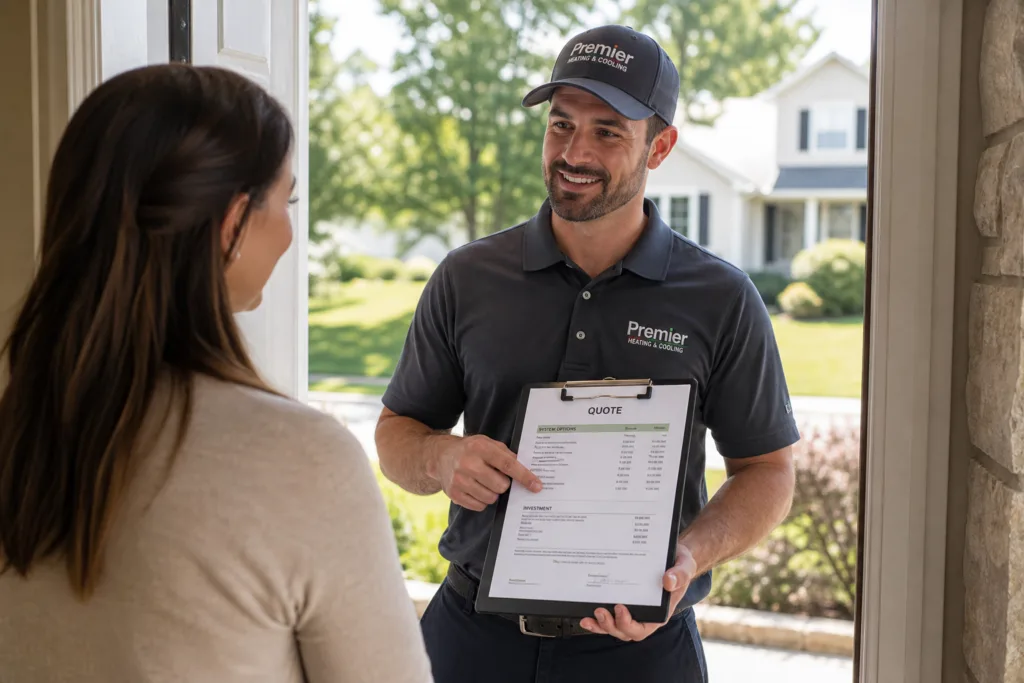
heat pump contractor consulting with Carlsbad homeowner
Expert Advice

Heat Pump Tips for Carlsbad Homeowners

1

Carlsbad's Climate Is Ideal for Heat Pumps

Heat pumps are most efficient in mild climates. Carlsbad rarely drops below 40°F, which means your heat pump operates at peak efficiency year-round.
2

Pair with Solar for Maximum Savings

Since heat pumps run on electricity, adding solar panels can make your home heating and cooling nearly free. Many Carlsbad homes are already solar-ready.
3

Stack Your Incentives

Federal, state, and utility incentive programs may be combined to significantly reduce installation costs. A licensed contractor can help you navigate which programs apply at the time of your Carlsbad installation.
4

Don't Oversize Your System

An oversized heat pump short-cycles and wastes energy. A proper Manual J load calculation is essential — Carlsbad's mild climate means smaller systems work better.
Know Your Options

Heat Pump vs. Traditional HVAC: Comparison

🔧 Stick with Traditional HVAC If...

• You have a newer gas furnace in good condition • Your gas rates are very low • You don't plan to add solar panels • Electrical panel upgrade isn't feasible
VS

✨ Switch to a Heat Pump If...

• Your furnace or AC is due for replacement • You want to reduce your carbon footprint • You have or plan to add solar panels • You want to take advantage of available tax credits and rebates

Complete Guide

The Complete Guide to Heat Pumps in Carlsbad

How Heat Pumps Work: A Homeowner's Guide - heat pump guide

How Heat Pumps Work: A Homeowner's Guide

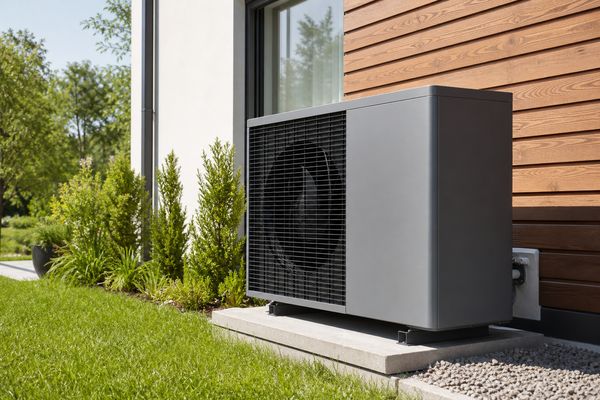
Heat pumps operate on a refrigeration cycle — the same physics that makes your refrigerator cold, applied on a larger scale. The system contains a refrigerant that absorbs and releases heat as it changes between liquid and gas states. An outdoor unit houses the compressor and one coil, while an indoor air handler contains the second coil. A reversing valve is the key component that separates a heat pump from a standard air conditioner: it allows the refrigerant to flow in either direction, switching the system between heating and cooling mode.

In cooling mode, the indoor coil acts as the evaporator, absorbing heat from your home's air and transferring it to the refrigerant. The refrigerant then travels to the outdoor unit, where the compressor raises its pressure and temperature before it releases the heat to the outside air through the condenser coil. In heating mode, this process is simply reversed — the outdoor coil extracts ambient heat from the outside air and the indoor coil releases it into your living space.

Modern heat pumps also include variable-speed compressors and fans that modulate output based on current demand, running at lower capacity during mild weather and ramping up on the hottest or coolest days. This modulation is a primary reason why heat pumps achieve efficiency ratings that fixed-speed equipment cannot match.

The efficiency of a heat pump is measured by its Coefficient of Performance (COP) for heating and its Energy Efficiency Ratio (EER) or Seasonal Energy Efficiency Ratio (SEER/SEER2) for cooling. A COP of 3, for example, means the system delivers three units of heat energy for every one unit of electrical energy consumed — something no combustion-based heater can achieve. In Southern California's climate, where heating demand is moderate, heat pumps routinely operate at high COPs for the majority of their heating hours.

Cold-climate heat pumps, which use enhanced vapor injection (EVI) technology, maintain useful heating output even at temperatures well below freezing. While Carlsbad rarely sees such temperatures, this technology also means the system performs more efficiently during the mild California winters rather than falling back on supplemental electric resistance heat.

Refrigerant type matters as well. Newer systems use refrigerants with lower global warming potential (GWP), aligning with California's ongoing environmental regulations. When comparing quotes, ask each contractor which refrigerant the proposed equipment uses and whether it's forward-compatible with evolving state standards.

Heat Pump vs. Traditional AC + Furnace: What's the Difference?

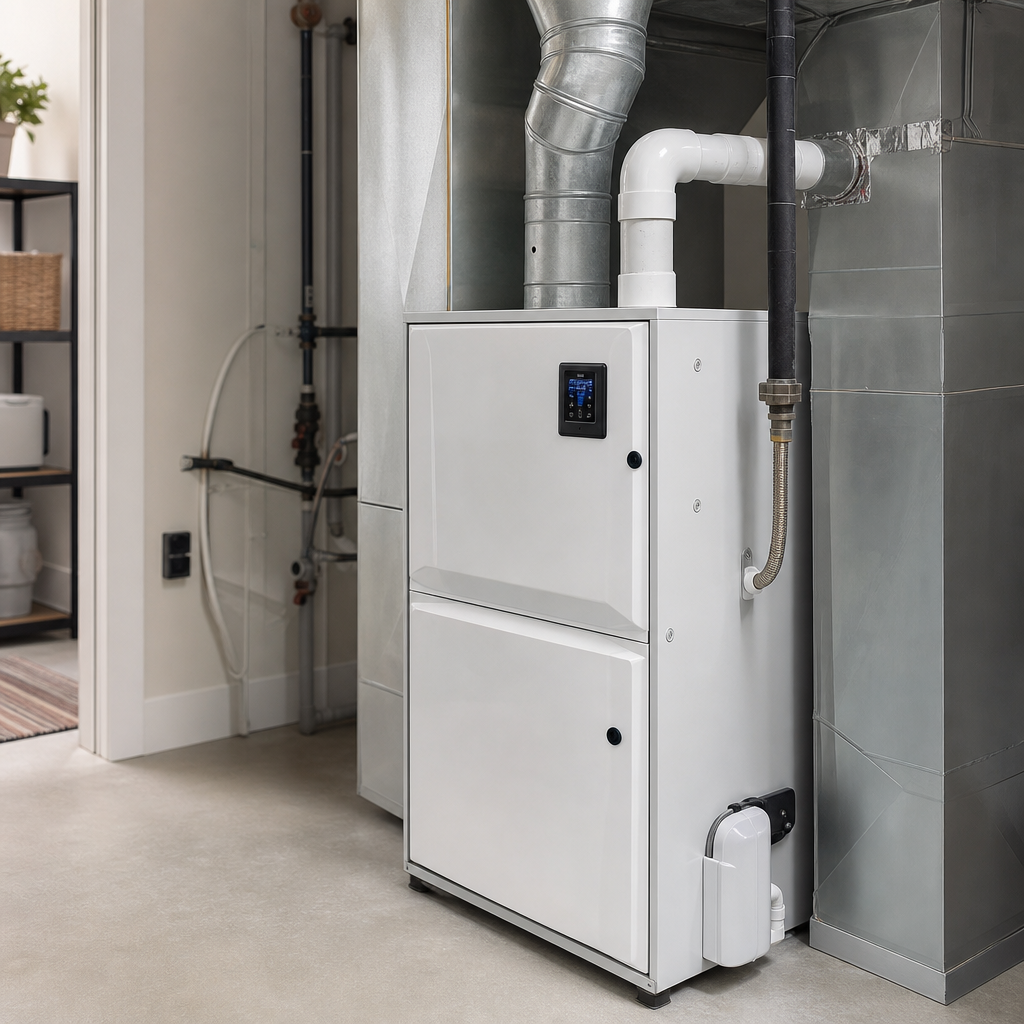
The most common HVAC setup in older California homes pairs a gas furnace for heating with a central air conditioner for cooling. These are two entirely separate systems that share the same duct network but have distinct components, maintenance needs, and fuel sources. A heat pump replaces both with a single refrigerant-based system that uses electricity for all operating modes.

From a performance standpoint, a high-efficiency heat pump and a high-efficiency gas furnace can both deliver comfortable heat — the difference shows up in operating costs, emissions, and system complexity. In regions with very cold winters, a gas furnace can hold an efficiency advantage at peak heating demand. In Carlsbad's climate, where heating is a secondary concern and mild temperatures dominate most of the year, a heat pump typically covers the full range of comfort needs without compromise.

Maintenance is another consideration. A split AC + furnace setup requires servicing two separate systems, potentially with two service contracts and two sets of components that can age independently. A heat pump consolidates this into one annual tune-up and one point of contact. When budgeting for long-term ownership, factor in that replacing an aging system with a heat pump eliminates one future capital expense rather than two separate replacement decisions down the road.

Heat Pump vs. Traditional AC + Furnace: What's the - heat pump guide
Full Home Assessment First: Heat pump installation requires evaluating your home's insulation, ductwork (if applicable), electrical panel capacity, and heating/cooling load. This typically takes 60-90 minutes. Avoid contractors who quote without assessing your home's specific needs.
Maximizing heat pump efficiency in your home guide

Maximizing Heat Pump Efficiency in Your Home

Annual professional maintenance is the single most effective way to extend the life of a heat pump and keep it running efficiently. A standard tune-up includes checking refrigerant charge, cleaning coils, inspecting the reversing valve and capacitors, verifying electrical connections, lubricating moving parts, and confirming thermostat calibration. Schedule this once a year — many homeowners choose spring so the system is ready for summer cooling demand.

Between professional visits, there are several things homeowners in Carlsbad can do themselves. Check and replace the air filter every one to three months depending on usage and the filter type — a clogged filter forces the system to work harder and can cause the indoor coil to freeze. Keep the outdoor unit clear of debris: leaves, dirt, and shrubs too close to the unit restrict airflow through the condenser coil and reduce efficiency. A gentle rinse with a garden hose once a season is usually sufficient to clean the outdoor coil fins.

Listen for changes in operating sounds and watch for any shift in how quickly the system reaches the set temperature. If you notice the outdoor unit icing up heavily during heating mode and it doesn't clear after a defrost cycle, or if the system is running for unusually long periods, these are signals to call a licensed technician before a small issue grows into a compressor failure.

Change Filters Monthly: During peak cooling season, check your filter every 30 days. A dirty filter is the number one cause of AC problems. Annual Professional Tune-Up: Schedule maintenance in spring before summer demand hits. Technicians catch small issues before they become expensive repairs. Keep the Outdoor Unit Clean: In coastal areas, rinse salt residue off your outdoor condenser regularly to prevent corrosion.

Why Comparing Multiple Heat Pump Quotes Matters

When comparing heat pump installation quotes, the equipment model and its rated efficiency (SEER2 for cooling, HSPF2 for heating) should be the starting point. Ask each contractor to specify the brand and model number so you can verify the ratings independently. A lower-priced quote built around a lower-efficiency unit may cost more over time than a slightly higher quote with better equipment. California's Title 24 energy code sets minimum efficiency requirements for new HVAC installations, so confirm that all quoted equipment meets or exceeds those standards.

Sizing is equally important. A properly sized heat pump is determined by a Manual J load calculation — a detailed analysis of your home's square footage, insulation, window area, orientation, and local climate data. Be cautious of any contractor who sizes the system purely by square footage or by matching the capacity of your old unit without performing a load calculation. Both oversized and undersized systems cause comfort and reliability problems.

Beyond equipment, review what each quote includes for installation labor: permits, refrigerant line set work, electrical panel upgrades if needed, thermostat installation, and startup commissioning. Warranties should also be compared — both the manufacturer's equipment warranty and the contractor's labor warranty. A comprehensive quote from a licensed, insured contractor protects you if anything goes wrong during or after installation.

Why comparing multiple heat pump quotes matters guide

Price Transparency: Comparing quotes reveals the fair market rate for your specific repair. If one quote is dramatically different from the others, ask why. Different Diagnoses: Sometimes different technicians identify different root causes. Multiple perspectives help you make the best decision. Contractor Fit: Beyond price, compare warranties, response time, and communication quality to find the contractor you trust most.

Understanding Heat Pump Installation Costs - heat pump guide

Understanding Heat Pump Installation Costs

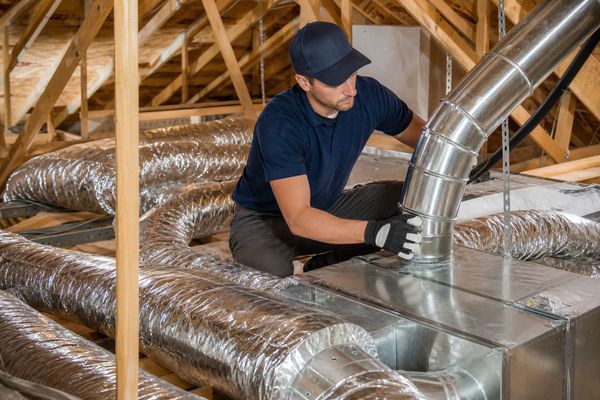
Heat pump installation costs vary based on several interconnected factors: the type of system (ducted split, ductless mini-split, or multi-zone), the efficiency tier of the equipment, the size of the home, and the complexity of the installation work required. Homes that already have functional ductwork in good condition will generally see lower total project costs than those requiring new duct installation alongside the heat pump.

Additional cost factors include whether the existing electrical panel can support the heat pump's requirements. Some older homes in Carlsbad may need a panel upgrade to accommodate modern heat pump electrical loads, particularly for larger whole-home systems. The location of the outdoor unit and the length of refrigerant line sets also influence labor costs, as difficult access points or longer runs require more installation time.

Incentives can meaningfully offset the upfront investment. California utility programs, the state's applicable state programs, and federal tax credits under the Inflation Reduction Act all provide financial support for qualifying heat pump installations. Eligibility depends on household income in some cases and on equipment specifications in others. Requesting itemized quotes from multiple licensed contractors in Carlsbad and asking each one about available rebates is the most reliable way to understand your actual net cost before making a decision.

Ducted Air-Source Heat Pumps: The most common type — works with your existing ductwork to heat and cool your entire home efficiently. Ductless Mini-Split Heat Pumps: Zone-by-zone control without ductwork — ideal for older homes, additions, or targeted comfort. Dual-Fuel / Hybrid Systems: Pairs a heat pump with a gas furnace backup for maximum efficiency across all temperature ranges.
Where We Serve

Heat Pumps Service Areas Near Carlsbad

We connect homeowners with licensed Heat Pumps contractors in Carlsbad and surrounding communities.
📍 Oceanside
📍 Vista
📍 Encinitas
📍 San Marcos
📍 Escondido
📍 Solana Beach
📍 Del Mar
📍 Leucadia
Common Questions

Heat Pumps FAQ — Carlsbad Homeowners

How does a heat pump heat a home without burning fuel?

A heat pump extracts heat energy from outdoor air — even cool air contains usable heat — and transfers it inside using a refrigerant cycle. The process is similar to how a refrigerator moves heat out of its cabinet, just applied in reverse for your whole home. Because the system moves existing heat rather than generating it through combustion, it consumes much less energy per unit of warmth delivered.

Are heat pumps effective in Southern California's climate?

Yes — Southern California's mild winters are actually ideal for standard heat pumps, which perform most efficiently when outdoor temperatures stay above freezing. Carlsbad rarely experiences the extreme cold that challenges heat pump performance, so most homes here can rely on a heat pump for year-round comfort without a backup heating source.

What is the difference between a ducted heat pump and a ductless mini-split?

A ducted heat pump connects to your home's existing duct network and distributes conditioned air through vents in each room, much like a traditional central HVAC system. A ductless mini-split uses no ducts — instead, refrigerant lines run directly from an outdoor unit to wall-mounted air handlers in individual rooms or zones, making them ideal for additions, garages, or homes without existing ductwork.

How long do heat pumps typically last?

With regular professional maintenance, most heat pumps last between 10 and 15 years. Ductless mini-split systems sometimes achieve 15 to 20 years under good conditions. Factors that shorten lifespan include infrequent filter changes, neglected coil cleaning, and operating a system that was improperly sized for the home.

Will a heat pump raise my electricity bill significantly?

A heat pump will likely increase electricity consumption compared to a home that previously used only central AC, since it now handles heating duties that may have been done by gas. However, because heat pumps are far more efficient than electric resistance heaters, most households that switch from gas + AC to a heat pump see their total combined energy bills (gas + electric) decrease or stay similar. Results vary by usage patterns and utility rates.

Can a heat pump replace my existing gas furnace and central AC together?

Yes — replacing a gas furnace and central air conditioner with a ducted heat pump is one of the most common installation scenarios. The heat pump connects to your existing duct system, and the gas furnace and outdoor AC condenser are removed. The result is a single system that handles all heating and cooling through one set of controls.

What is SEER2 and why does it matter when choosing a heat pump?

SEER2 (Seasonal Energy Efficiency Ratio 2) is the current federal efficiency standard for cooling performance, measured under updated test conditions that better reflect real-world installation. A higher SEER2 rating means the equipment uses less electricity to produce the same amount of cooling. California's Title 24 code sets minimum SEER2 requirements, and exceeding the minimum often qualifies equipment for utility rebates.

Do heat pumps work with solar panels?

Heat pumps pair exceptionally well with rooftop solar because both systems are fully electric. Excess solar generation during daylight hours can offset the electricity the heat pump consumes, and in some cases net metering programs allow you to bank credits for overnight operation. Carlsbad homeowners with existing solar often find a heat pump is a logical complement to their renewable energy investment.

What is a Manual J load calculation and do I need one?

A Manual J load calculation is an engineering analysis that determines the correct HVAC capacity for your specific home based on square footage, ceiling height, insulation values, window types, local climate, and other factors. It is required by California building code for new HVAC installations and is the only reliable way to ensure the equipment isn't oversized or undersized. Ask to see the load calculation results when reviewing quotes.

Are there rebates or incentives for heat pump installation in California?

Several federal, state, and utility programs may offer financial incentives for qualifying heat pump installations in California. Eligibility depends on equipment specifications, installation type, and in some cases household income. Because incentive programs change frequently, a licensed contractor can help you identify which programs currently apply to your Carlsbad installation.

How often does a heat pump need professional maintenance?

Most manufacturers and HVAC technicians recommend a professional tune-up once per year. During a tune-up, a technician checks refrigerant charge, cleans both coils, inspects electrical components, verifies the reversing valve operation, and confirms the system is operating within manufacturer specifications. Homeowners should also change the air filter every one to three months throughout the year.

What permits are required for heat pump installation in California?

In California, replacing or installing a new HVAC system — including heat pumps — typically requires a mechanical permit from your local building department. Some jurisdictions also require an electrical permit if panel work is involved. A licensed HVAC contractor should pull all required permits as part of the installation, and the work should be inspected by a city or county building inspector to confirm code compliance.
More Services

Related HVAC Services in Carlsbad

Air Conditioning
Air Conditioning

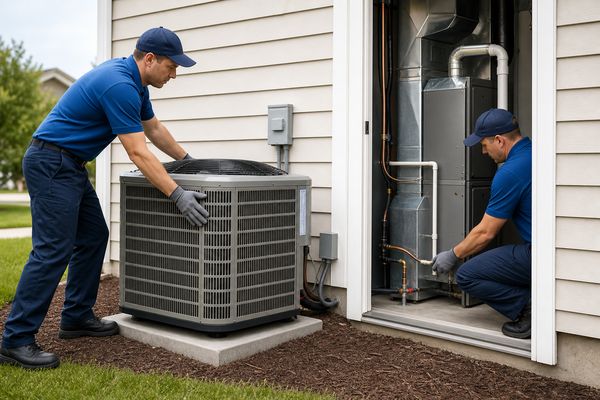
Professional AC installation and system upgrades for year-round comfort.
AC Replacement

AC Replacement

Complete AC unit replacement with modern, high-efficiency systems.
HVAC Maintenance & Tune-Up

HVAC Maintenance & Tune-Up

Preventive maintenance to extend system life and reduce breakdowns.
Heating & Furnace Repair

Heating & Furnace Repair

Expert diagnosis and repair for all furnace and heating system issues.
Furnace Replacement

Furnace Replacement

Upgrade your heating system for better efficiency and lower energy bills.
Mini-Splits & Ductless

Mini-Splits & Ductless

Ductless solutions for room-by-room climate control without ductwork.
Heat Pumps

Heat Pumps

Energy-efficient heating and cooling in one versatile system.
Ductwork

Ductwork

Duct installation, repair, and sealing for optimal airflow efficiency.
Indoor Air Quality

Indoor Air Quality

Air purification, filtration, and ventilation for healthier indoor living.

Ready for Heat Pumps in Carlsbad?

Get 3 competitive quotes from licensed, pre-screened Heat Pumps contractors serving Carlsbad. Free, fast, and zero obligation.