
AC Replacement in Carlsbad, CA

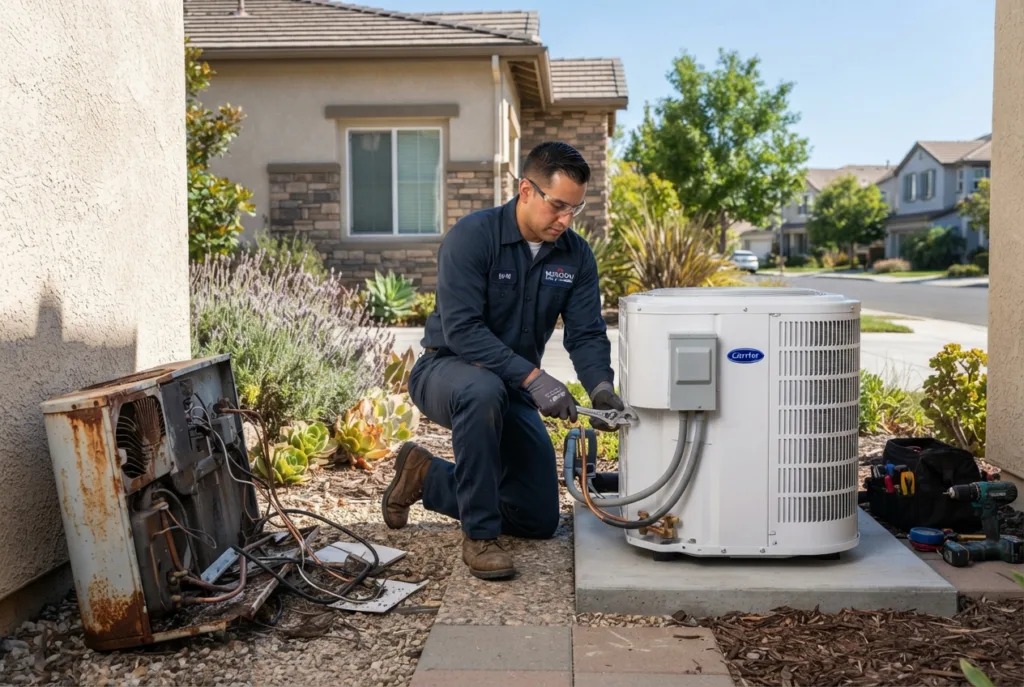
What Is AC Replacement & When Do You Need It?
• Full central AC system replacement (condenser and evaporator coil)
• Air handler and coil replacement
• Heat pump system installation to replace aging AC and furnace
• Ductless mini-split replacement for older window or wall units
• Thermostat and controls upgrade alongside system replacement
• Refrigerant line set replacement or inspection
• Ductwork inspection and sealing as part of replacement scope
Top Reasons Carlsbad Homeowners Need AC Replacement
Repair Costs Keep Adding Up
Refrigerant Type Makes Repairs Increasingly Expensive
Efficiency Gaps Mean Real Monthly Costs
Comfort Problems That Repair Can't Solve
Technology Has Advanced Considerably
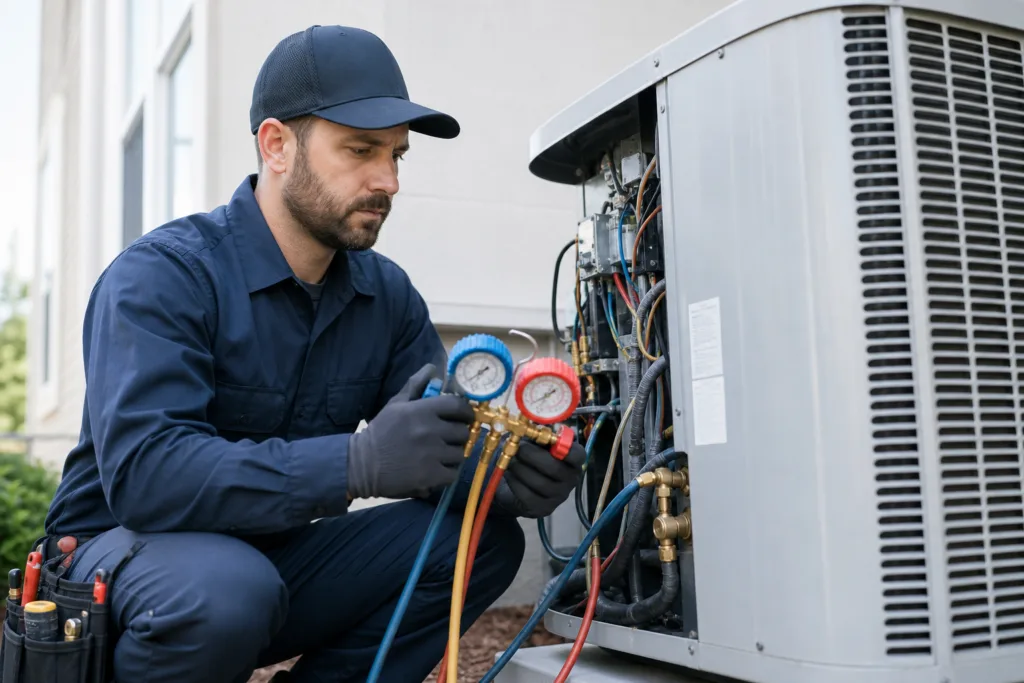
Ready to Compare AC Replacement Quotes in Carlsbad?
6 Signs It's Time for AC Replacement
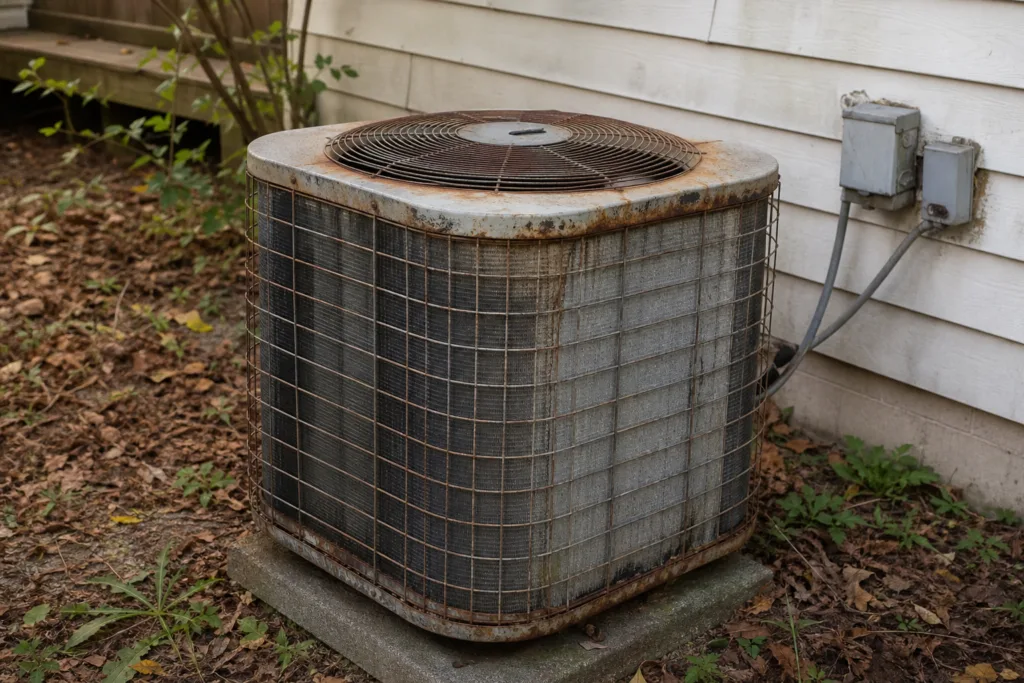
The System Is 12–15 Years Old or More

The Compressor Has Failed or Is Failing
You're Refilling Refrigerant Repeatedly

Energy Use Has Climbed Without Explanation
The System Uses R-22 Refrigerant
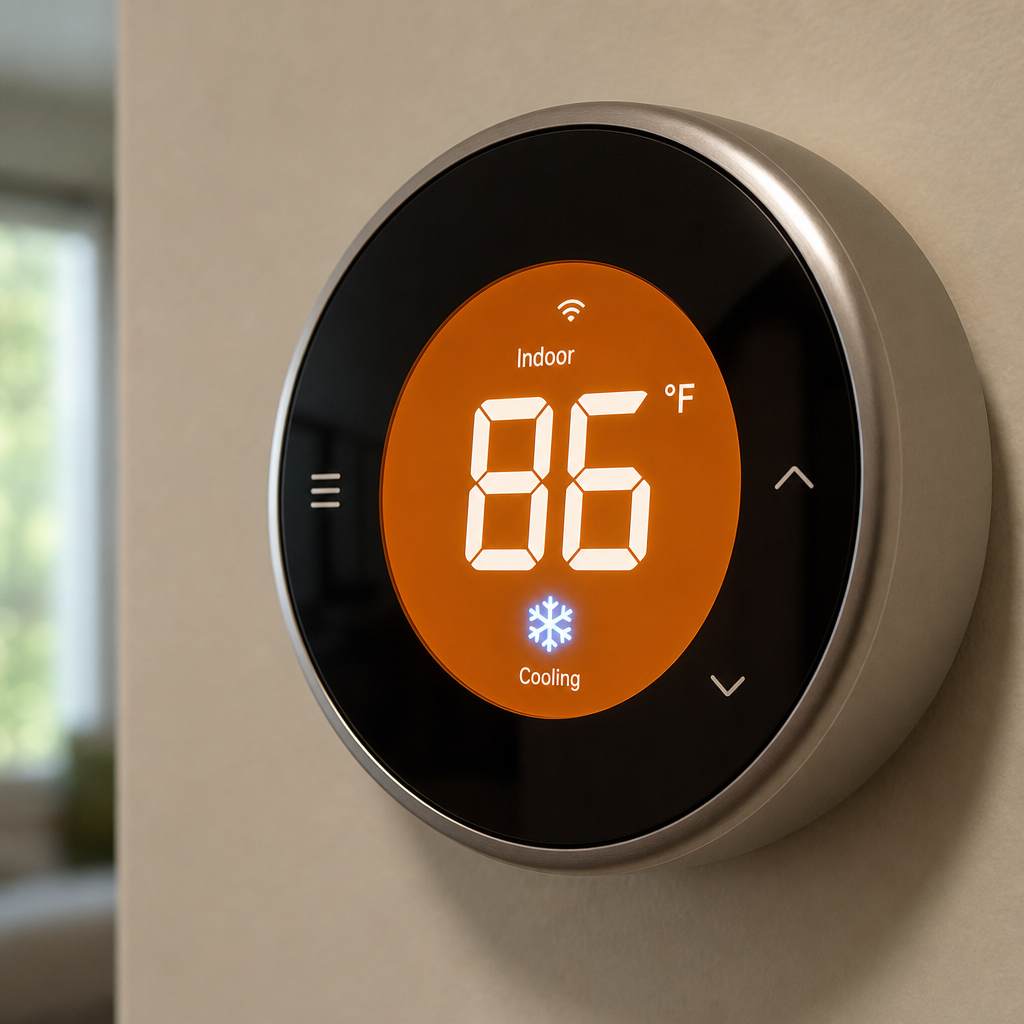
Frequent Short-Cycling or Inability to Maintain Temperature
What Professional AC Replacement Delivers
Start Fresh With Correctly Sized Equipment
Gain Access to Modern Efficiency Technology
Eliminate the Uncertainty of an Aging System
Potential Utility Rebate Opportunities
Compare Real Proposals Before You Commit
Work With Licensed, Local Contractors
What a Modern AC Replacement Delivers
Higher Energy Efficiency
Quieter Operation
Smart Home Integration
Better Humidity Control
Improved Indoor Air Quality
How to Choose the Right AC Replacement Contractor
Key Factors to Consider
- Load Calculation
A quality installer performs Manual J calculations to properly size your new system for your specific home. - Ductwork Assessment
New equipment on old, leaky ducts wastes up to 30% of capacity. Good contractors assess and address duct issues. - Permit & Code Compliance
California requires permits for AC replacement. Ensure your contractor handles all permitting and inspections. - Warranty Terms
Compare both manufacturer and labor warranties. The best contractors offer 10-year parts AND labor coverage.
SEER2 Rating Comparison Guide
📊 Standard Efficiency (14-16 SEER2):
- Lowest upfront cost
- Meets minimum code requirements
- Single or two-stage operation
- Good for moderate climates
⚡ High Efficiency (17-25+ SEER2):
- Significantly lower operating costs
- Variable-speed technology
- Superior humidity control
- Qualifies for utility rebates
💡 Pro Tip
Ready to Get AC Replacement in Carlsbad?






Smart Tips Before Replacing Your AC
Time Your Replacement Strategically
Don't Just Replace — Upgrade
Understand Your Warranty Options
Ask About Financing
Should You Repair or Replace Your AC?
🔧 Repair Makes Sense If...
✨ Replace Your AC If...
Complete Guide
The Complete Guide to AC Replacement in Carlsbad
Understanding AC Replacement: What the Process Looks Like
AC replacement typically involves removing the outdoor condenser unit and the indoor evaporator coil (or air handler in a system with a separate air handler), then installing new equipment in their place. In most cases, the existing refrigerant line set and electrical connections can be reused if they're in good condition, though your contractor should inspect both. The ductwork, if present, usually stays — but it should also be evaluated, since connecting efficient new equipment to leaky old ducts leaves significant performance on the table.
Before selecting equipment, a thorough contractor will perform a Manual J load calculation to determine the right system capacity for your home. This isn't a quick visual estimate — it's a detailed calculation accounting for square footage, insulation values, window area and orientation, internal heat loads, and local climate data. Homes are routinely over- or under-served by their original AC because this step was skipped or rushed. Replacement is your chance to fix that.
Once equipment is selected and ordered, the physical installation is usually completed in a single day for a straightforward swap. The contractor pulls the required permits, the installation is performed and inspected, refrigerant is charged to the manufacturer's specified level, and the system is tested for proper operation before the contractor signs off. In California, this permit and inspection process is not optional — it's both legally required and in your interest as a homeowner.
Choosing between a standard AC system and a heat pump at replacement time is a question worth taking seriously. Heat pumps provide cooling in summer using the same refrigeration cycle as a traditional AC, but they can also run in reverse to provide efficient heating in winter. In most of California's climate zones, a heat pump can handle both functions effectively, potentially eliminating the need for a separate furnace and simplifying your HVAC footprint. Many state and utility incentive programs specifically support heat pump adoption.
The refrigerant type in your new system is also worth understanding. Current equipment uses R-410A as the standard refrigerant, but the industry is transitioning to lower-global-warming-potential alternatives like R-454B and R-32. New equipment purchased now may use one of these next-generation refrigerants. This affects long-term serviceability and is worth asking your contractor about when comparing equipment options.
If your home has a two-story layout, multiple zones with very different sun exposure, or an addition that never cooled quite right, replacement is also a good time to discuss zoning options. A zoned system uses dampers in the ductwork to direct conditioned air where it's needed, rather than cooling every room to the same level simultaneously. This can meaningfully improve comfort and efficiency in homes where some areas are consistently harder to condition than others.
How to Evaluate Your AC Replacement Options
The first decision in AC replacement is system type. For most homes with existing ductwork in reasonable condition, a central split system (outdoor condenser plus indoor coil or air handler) remains the most cost-effective choice. Homes without ductwork, or with specific zones that need independent temperature control, may be better served by a ductless mini-split. And as noted, heat pumps are worth serious consideration for any home currently relying on electric resistance heat or an aging gas furnace that would need replacement in the near future anyway.
Within central systems, the efficiency tier is the next major variable. Systems are rated in SEER (Seasonal Energy Efficiency Ratio), with higher numbers indicating better efficiency. California requires higher minimum SEER ratings than the national standard. Mid-efficiency and high-efficiency systems add features like two-stage or variable-speed compressors, which improve humidity control, reduce noise, and lower operating costs. The payback period for the efficiency premium depends on how much you run the system and how long you plan to stay in the home.
Brand choice matters less than many homeowners think — the major manufacturers all produce reliable equipment, and quality differences at the same efficiency tier are relatively small. What matters more is the contractor doing the installation and the quality of the installation work itself. A well-installed mid-range system will outperform a poorly installed premium one every time.
Signs It's Time to Replace Rather Than Repair
A new AC system is a significant investment, and protecting it starts immediately after installation. Register the equipment with the manufacturer right away — most brands offer extended warranty terms (typically 10 years on parts) contingent on timely registration. Your contractor should handle this as part of the installation, but confirm it happened and keep the documentation.
The single most impactful ongoing maintenance task is keeping up with air filter changes. For a new system, check the filter monthly for the first few months to understand how quickly it loads in your specific environment. A clean filter is the foundation of good airflow, and good airflow is the foundation of efficient, reliable operation. Set a calendar reminder so it doesn't slip.
Schedule an annual professional tune-up, ideally in early spring before your first heavy cooling demand. Even a new system benefits from a professional check of refrigerant charge, coil cleanliness, electrical connections, and blower operation. Catching any installation-related issues early — while the system is under full warranty — is far preferable to discovering them later when they've grown into bigger problems.
Change Filters Monthly: During peak cooling season, check your filter every 30 days. A dirty filter is the number one cause of AC problems. Annual Professional Tune-Up: Schedule maintenance in spring before summer demand hits. Technicians catch small issues before they become expensive repairs. Keep the Outdoor Unit Clean: In coastal areas, rinse salt residue off your outdoor condenser regularly to prevent corrosion.
Why Comparing Multiple Replacement Quotes Matters
When you're reviewing AC replacement quotes, start with the equipment specification. The brand, model number, and SEER rating should all be clearly listed. You can look up any proposed unit independently to verify its efficiency rating and check the manufacturer's warranty terms. Pay attention to whether the proposed equipment uses the current refrigerant standards — this affects long-term serviceability.
Understand exactly what's included in the installation scope. A complete quote should address: removal and disposal of the old equipment, inspection and condition assessment of the existing refrigerant line set and electrical connections, ductwork evaluation, thermostat replacement or compatibility check, permit fees, and the cost of the inspection itself. Quotes that seem unusually low often exclude several of these items, which then get added back as change orders after work begins.
Ask each contractor directly about their labor warranty — separate from the manufacturer's parts warranty. A reputable contractor should stand behind their installation work for at least one year, and many offer longer periods. Also ask how they handle permit applications and whether they'll be present for the inspection. Contractors who pull permits and handle inspections as a routine matter are demonstrating that they do work they're comfortable having inspected.

Price Transparency: Comparing quotes reveals the fair market rate for your specific repair. If one quote is dramatically different from the others, ask why. Different Diagnoses: Sometimes different technicians identify different root causes. Multiple perspectives help you make the best decision. Contractor Fit: Beyond price, compare warranties, response time, and communication quality to find the contractor you trust most.
Cost Considerations: What to Know
AC replacement costs vary considerably based on system type, capacity, efficiency tier, the complexity of the installation, and whether any related work (ductwork, electrical panel upgrades, thermostat replacement) is needed at the same time. There's a wide range from entry-level equipment swaps to full high-efficiency system installations, and comparing quotes helps you understand where real cost differences originate.
One of the most common hidden cost factors in replacement is ductwork condition. If your existing ducts are leaky, the efficiency gains from a new high-SEER system will be partially or fully offset by conditioned air escaping before it reaches your living space. Addressing duct leakage at the same time as system replacement is almost always more cost-effective than doing them separately — and it's what allows the new system to perform as advertised.
Utility rebates and state incentive programs can meaningfully offset replacement costs, particularly for high-efficiency equipment and heat pump installations. California has been expanding these programs in recent years. Ask each contractor about current programs you might qualify for, and independently check your utility's website for rebate availability in your area. Some programs require pre-approval before installation begins, so it's worth researching this early in the process.
AC Replacement Service Areas Near Carlsbad
AC Replacement FAQ — Carlsbad Homeowners
How do I know if my AC needs repair or full replacement?
What size AC system do I need to replace my existing unit?
How long does AC replacement take?
Can I just replace the outdoor condenser unit and leave the indoor coil?
Does my home in Carlsbad even need central air conditioning?
What is a heat pump and should I consider one instead of a traditional AC replacement?
What SEER rating should I choose for my replacement system?
Is a permit required for AC replacement in California?
What happens to my old AC system?
Will a new AC system work with my existing ductwork?
How long should a new AC system last?
What should I ask a contractor before agreeing to AC replacement?
Related HVAC Services in Carlsbad
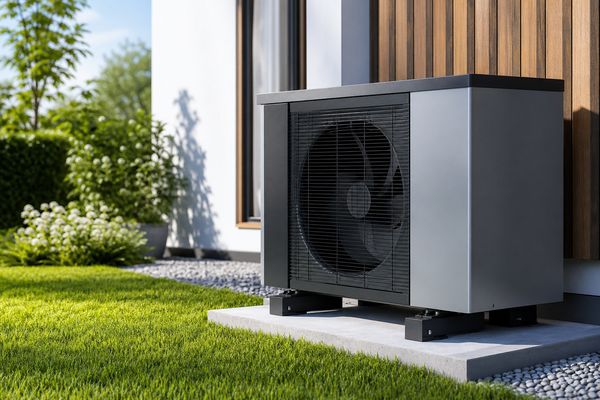
Air Conditioning
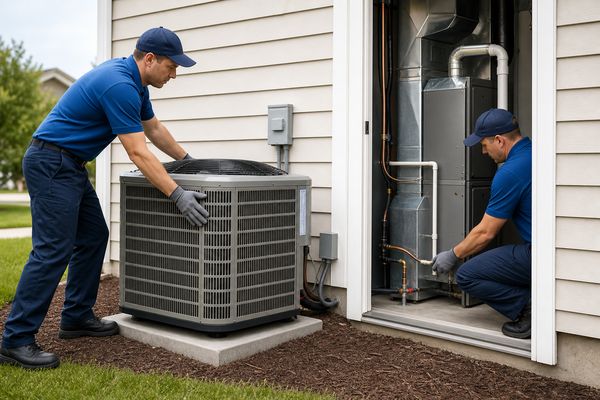
AC Replacement
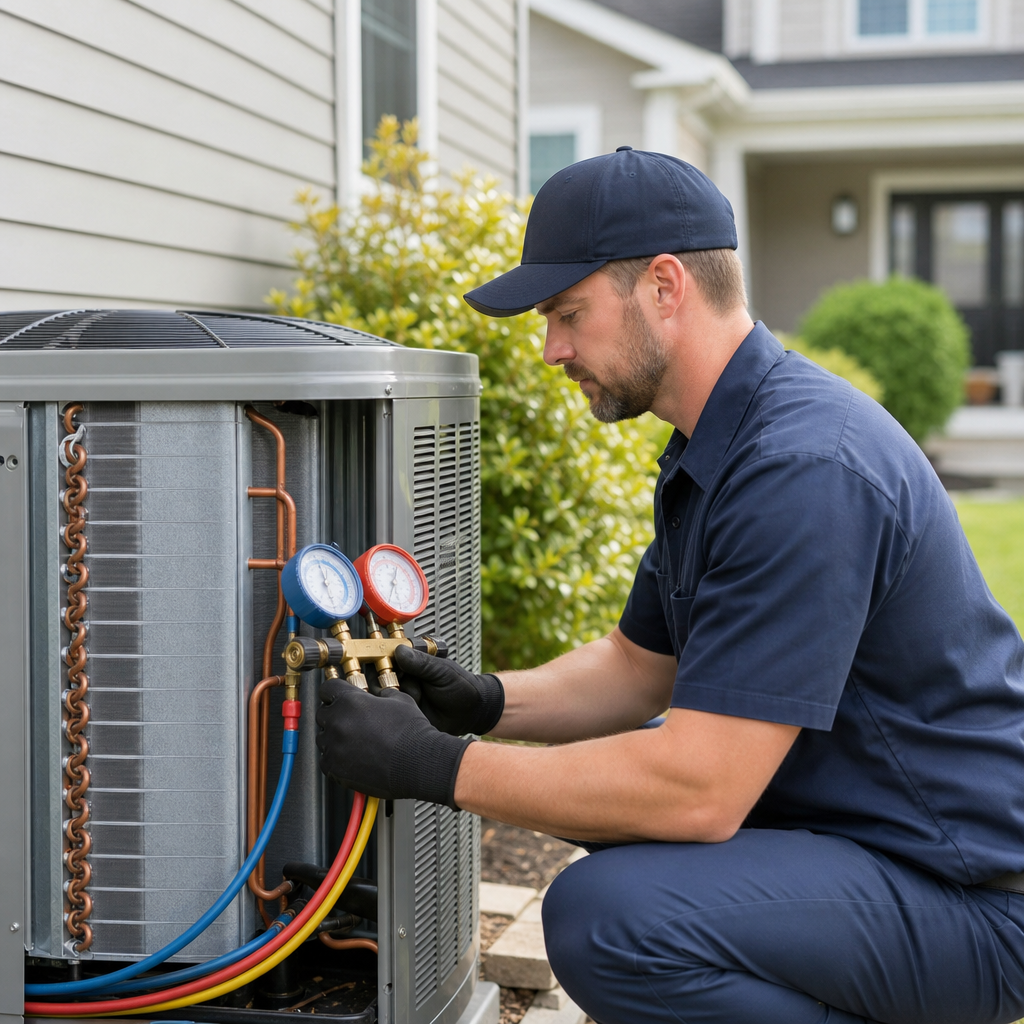
HVAC Maintenance & Tune-Up
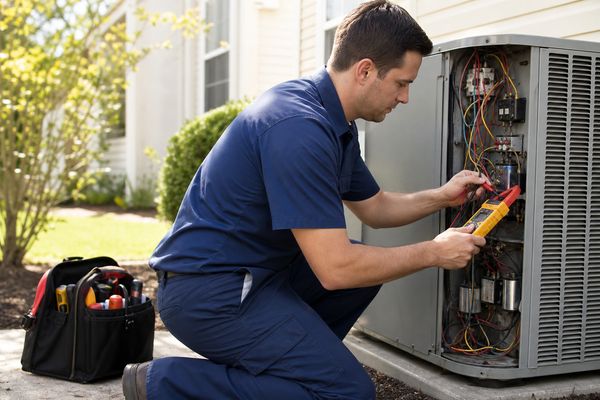
Heating & Furnace Repair
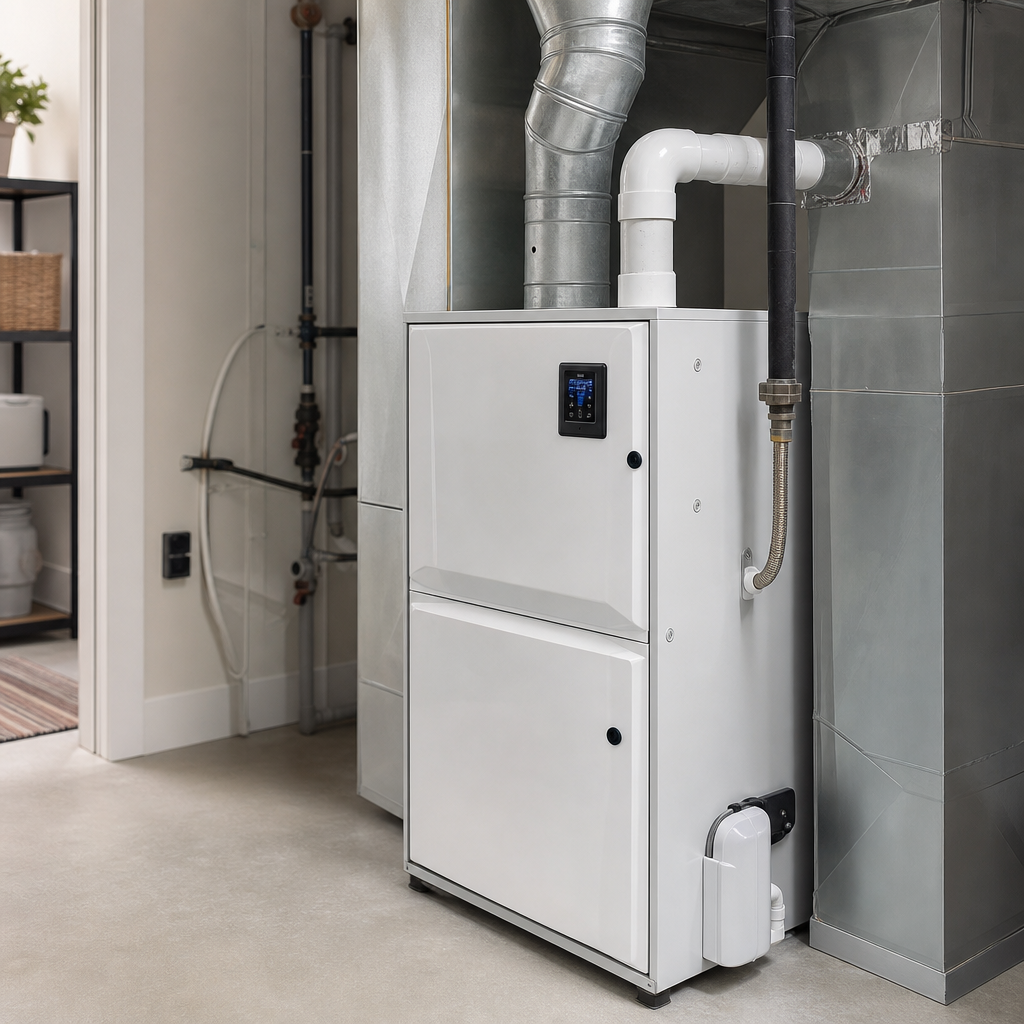
Furnace Replacement

Mini-Splits & Ductless
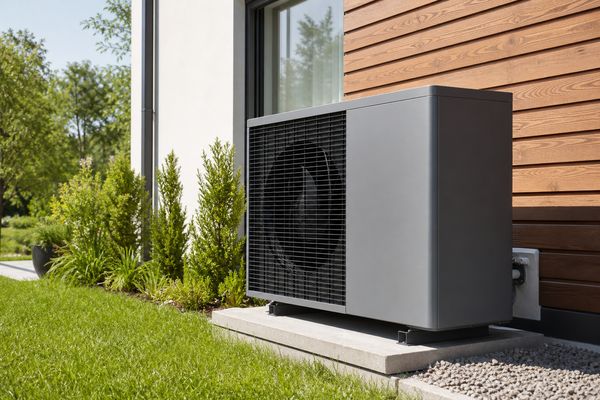
Heat Pumps
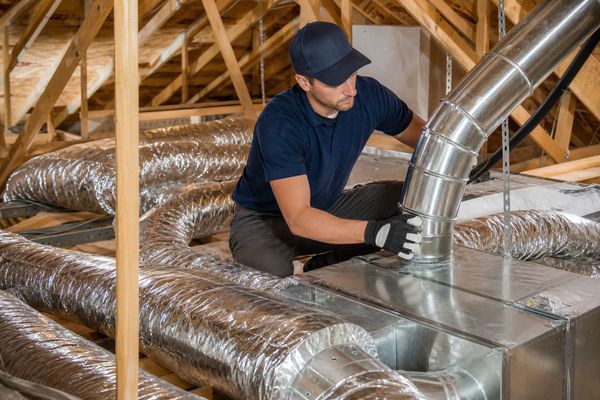
Ductwork