
Mini-Splits & Ductless Systems in Carlsbad, CA


What Is a Mini-Split & Ductless System & When Do You Need It?
• Room additions and new construction without existing ductwork
• Converted garages, ADUs, and accessory dwelling units
• Older homes with radiator or wall-heater heating and no central ducts
• Home offices, studios, or workshops requiring independent temperature control
• Sunrooms, enclosed patios, and bonus rooms that central systems don't reach effectively
• Multi-zone systems serving multiple rooms from one outdoor unit
• Supplemental cooling or heating for rooms that central systems underserve
Top Reasons Carlsbad Homeowners Need Mini-Splits & Ductless Systems
No Ductwork Required
Independent Zone Control
High Energy Efficiency
Ideal for ADUs and Accessory Dwelling Units
Quiet Operation and Flexible Placement
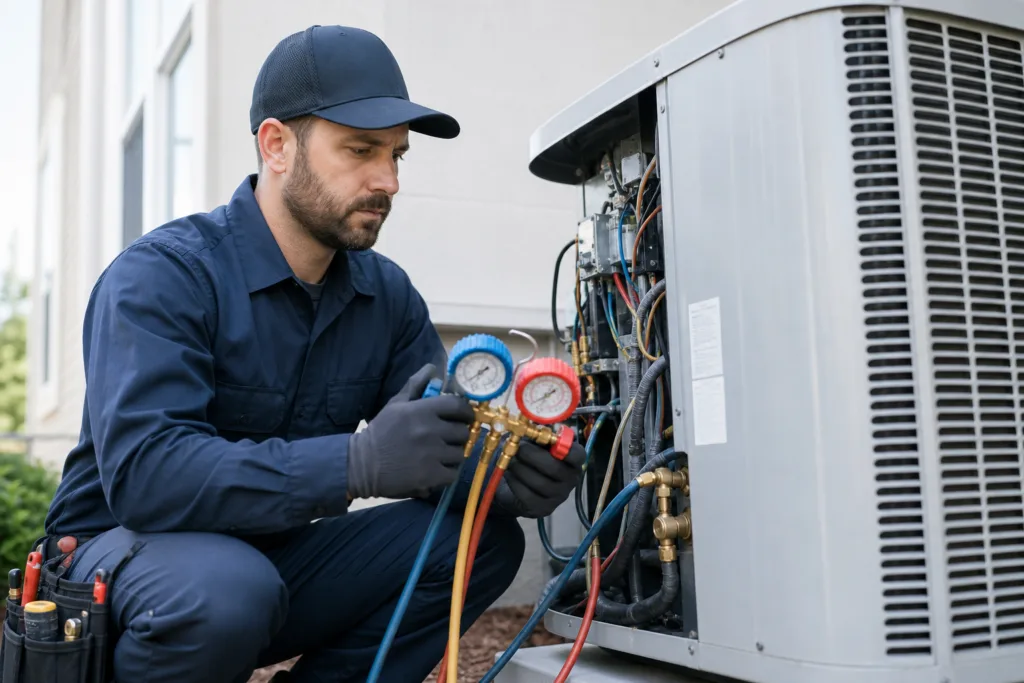
Ready to Compare Mini-Splits & Ductless Systems Quotes in Carlsbad?
6 Signs a Mini-Split System Is Right for You
A Room Addition That Central HVAC Doesn't Reach
A Home Relying on Wall Heaters or Window Units
A Converted Garage or Bonus Space

Hot or Cold Spots That Central Systems Cannot Resolve
An ADU or Rental Unit Needing Its Own HVAC
Desire for Individual Room Control Without a Full Zoning System
What Professional Mini-Splits & Ductless Systems Delivers
Year-Round Comfort From One System
No Duct Losses — High Delivered Efficiency
Inverter-Driven Variable Speed Compressors
Multi-Zone Flexibility
Minimal Construction and Fast Installation
Good Indoor Air Quality Features
What Mini-Split & Ductless Systems Deliver
Zone-by-Zone Temperature Control
No Ductwork Required
Ultra-High Efficiency
Quiet Operation
Year-Round Heating & Cooling
How to Choose the Right Mini-Splits & Ductless Systems Contractor
Key Factors to Consider
- Manufacturer Certification
Top mini-split brands (Mitsubishi, Daikin, Fujitsu) require installer certification. Certified installers offer better warranties. - Multi-Zone Experience
Multi-zone installations are complex. Choose contractors with proven experience designing multi-zone systems. - Aesthetic Options
Wall-mounted isn't the only option. Ask about ceiling cassettes, floor-mounted, and concealed duct units. - Line Set Routing
How refrigerant lines are routed affects both aesthetics and performance. Experienced installers plan clean, efficient routes.
Single-Zone vs. Multi-Zone Guide
1️⃣ Single-Zone:
- One indoor + one outdoor unit
- Best for single room/addition
- Simpler and less expensive
- Maximum efficiency per zone
🔢 Multi-Zone (2-8 zones):
- Multiple indoor units, one outdoor
- Whole-home or multi-room solution
- Individual zone temperature control
- Replaces entire HVAC for some homes
💡 Pro Tip
Ready to Get Mini-Splits & Ductless Systems in Carlsbad?






Mini-Split Tips for Carlsbad Homeowners
Start with the Problem Room
Location of Indoor Units Matters
Consider the Outdoor Unit Placement
Maintenance Is Simpler Than You Think
Mini-Split vs. Central HVAC: Which Is Right?
🔧 Central HVAC Is Better If...
✨ Mini-Splits Are Better If...
Complete Guide
The Complete Guide to Mini-Splits & Ductless Systems in Carlsbad
How Ductless Mini-Split Systems Work: A Technical Overview
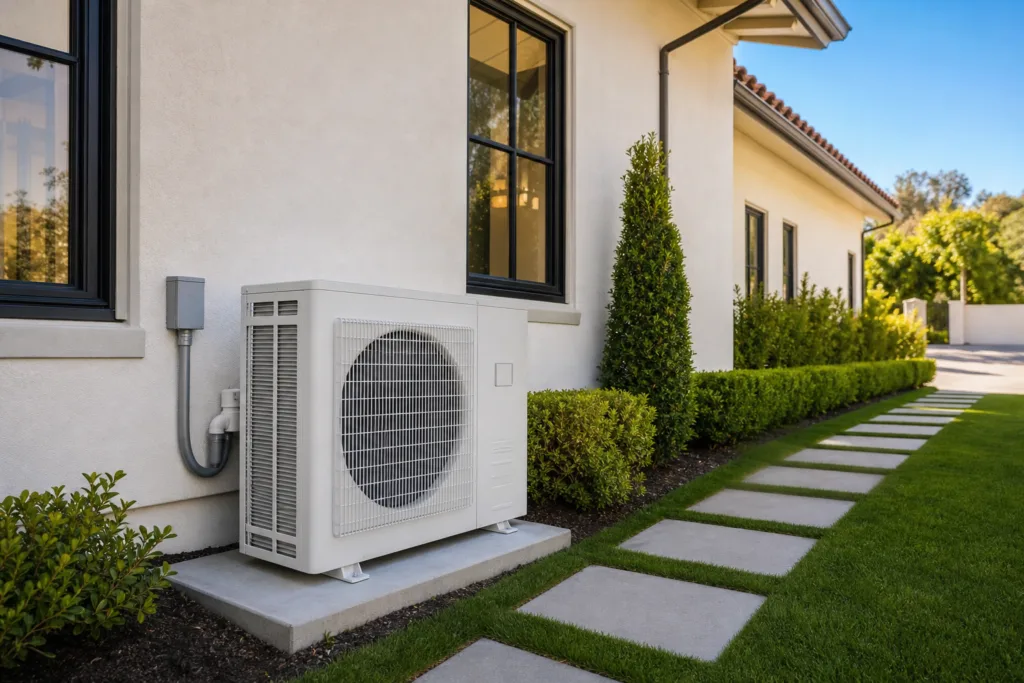
A mini-split system operates on the same refrigeration cycle as a conventional air conditioner or heat pump, but instead of distributing conditioned air through ducts, it delivers it directly through the indoor unit mounted in the room. The outdoor unit houses the compressor and condenser coil; the indoor unit houses the evaporator coil and a fan. Refrigerant circulates between the two through a line set — typically consisting of two copper refrigerant lines and electrical wiring — that passes through a small penetration in the wall.
In cooling mode, the refrigerant absorbs heat from the indoor air as it passes over the evaporator coil in the indoor unit, then carries that heat to the outdoor unit where it is rejected to the outside air. In heating mode, the refrigerant cycle is reversed: the outdoor coil absorbs heat from the outdoor air (even at low temperatures), and the indoor coil releases that heat into the room. This is the same heat pump principle used in central heat pump systems, but delivered without ductwork.
Modern mini-split systems use inverter-driven compressors, which are variable-speed rather than on/off. The compressor ramps up or down continuously based on the gap between the current room temperature and the set point. This produces smoother temperature control, quieter operation, and higher real-world efficiency compared to older single-speed systems that cycle fully on and fully off.
The line set connecting the outdoor and indoor units is one of the most important aspects of a mini-split installation. Refrigerant lines must be properly sized for the system capacity and the distance between units, correctly insulated to prevent heat gain or loss, and carefully routed and supported. Improperly installed line sets can cause reduced efficiency, refrigerant leaks, or premature compressor failure — which is why installation quality matters as much as equipment quality.
Most residential mini-split systems are charged with refrigerant at the factory and can be installed without additional field charging, provided the line set length falls within the manufacturer's pre-charged range. Longer line set runs may require additional refrigerant to be added by the installing technician. Refrigerant handling in California requires an EPA Section 608 certification, which all licensed HVAC contractors hold.
Communication wiring between the indoor and outdoor units carries control signals that allow the system to coordinate operation. This low-voltage wiring is typically part of the line set bundle and must be correctly connected for the system to operate. Many modern mini-splits also support Wi-Fi connectivity through manufacturer apps, enabling remote control and scheduling from a smartphone — a feature that is particularly useful for managing temperature in ADUs, home offices, or vacation rentals in Carlsbad.
Single-Zone vs. Multi-Zone Mini-Split Systems: Which Is Right for Your Home?
A single-zone mini-split pairs one outdoor unit with one indoor unit, conditioning a single room or open space. This is the most straightforward configuration and is ideal for applications like a room addition, a converted garage, or a home office where the goal is to condition one specific space independently from the rest of the home.
A multi-zone mini-split system pairs one outdoor unit with two to five indoor units, each serving a different room or zone. The outdoor unit is sized to handle the combined load of all connected indoor units, and each indoor unit operates independently under its own control. Multi-zone systems are a practical choice when a homeowner needs to address conditioning problems in several rooms — for example, two bedrooms and a living area in a home that lacks central HVAC — without the cost and complexity of multiple separate outdoor units.
The trade-off in multi-zone systems is that the total capacity of running indoor units cannot exceed the outdoor unit's capacity at any given time. Systems with advanced inverter technology manage this well, but homeowners should understand that a multi-zone system operates differently from multiple completely independent systems. A qualified installer can advise on how to configure the indoor unit selection to match the actual simultaneous load your home will place on the system.
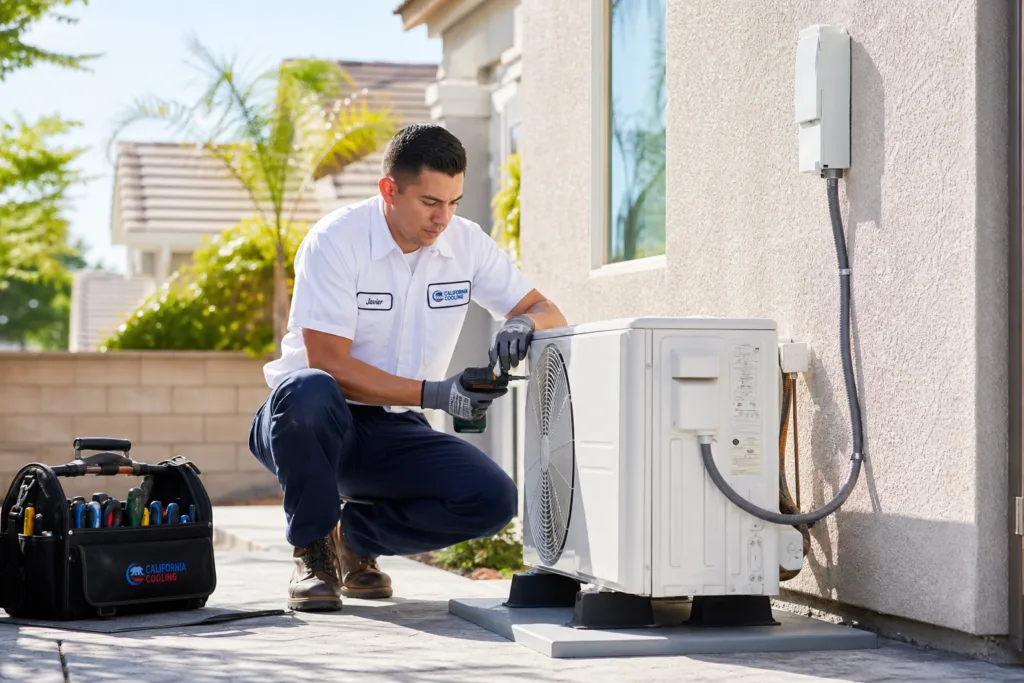
Getting the Most From Your Mini-Split System
The most important routine maintenance task for a mini-split system is cleaning or replacing the indoor unit's air filters. Most mini-split indoor heads use washable filters that should be removed and rinsed every four to six weeks, depending on how much the system runs and the dust levels in the home. Neglecting filter cleaning reduces airflow, lowers efficiency, and can cause ice formation on the evaporator coil.
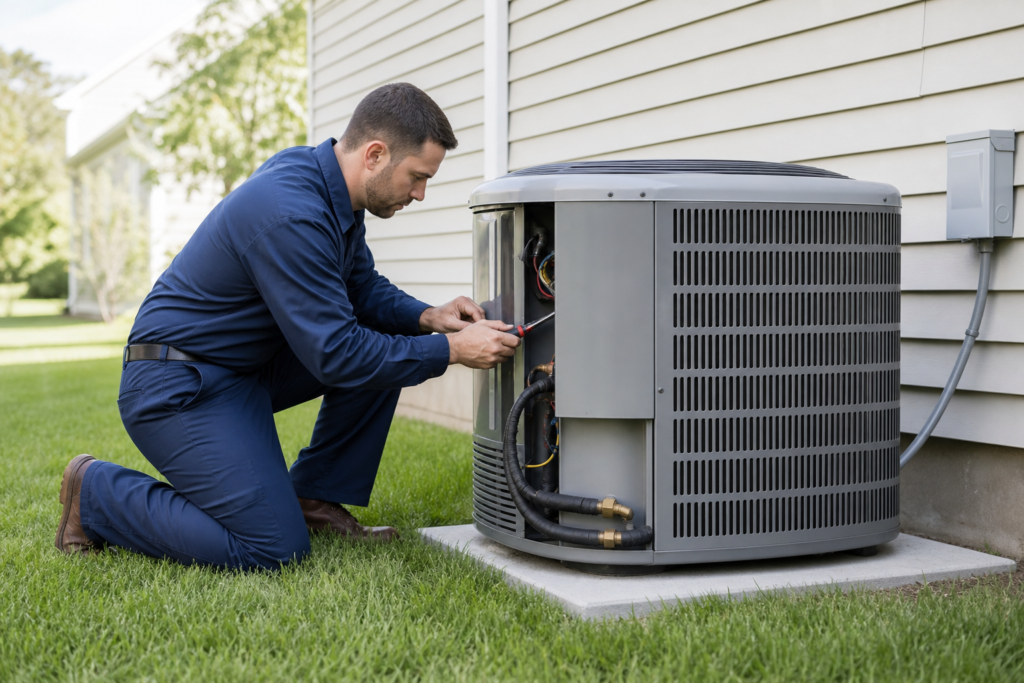
Annual professional maintenance for a mini-split system includes cleaning the evaporator and condenser coils, checking refrigerant pressure, inspecting the line set insulation for deterioration, verifying drain line function, and testing all electrical connections. The outdoor unit's coil should also be rinsed periodically to remove dust, pollen, and debris that reduce heat transfer efficiency — a particularly important step after Southern California's dry season when fine dust accumulates on outdoor equipment.
The condensate drain line in the indoor unit removes moisture collected during cooling operation. A blocked or partially blocked drain can cause water to back up and drip from the indoor unit onto the wall or floor. Keeping the drain clear — typically by flushing it with water annually — prevents this common and avoidable problem. Homeowners who notice water dripping from the indoor unit should have this checked promptly, as persistent moisture can damage walls and create conditions for mold growth.
Change Filters Monthly: During peak cooling season, check your filter every 30 days. A dirty filter is the number one cause of AC problems. Annual Professional Tune-Up: Schedule maintenance in spring before summer demand hits. Technicians catch small issues before they become expensive repairs. Keep the Outdoor Unit Clean: In coastal areas, rinse salt residue off your outdoor condenser regularly to prevent corrosion.
Why Comparing Multiple Mini-Split Quotes Matters
When comparing mini-split installation quotes, the first thing to verify is that each contractor has assessed the space and proposed a system with appropriate capacity. Capacity is measured in BTUs per hour (or tons), and an undersized system will struggle to maintain comfortable temperatures on hot days while an oversized system will short-cycle and provide poor dehumidification. Ask each contractor how they determined the system size for your specific space.
Pay attention to the brand and model of equipment proposed, not just the price. Mini-split quality varies significantly across manufacturers, and systems from established brands with strong dealer networks carry better warranty support and parts availability. Ask about the manufacturer's warranty on the compressor, parts, and whether the installing contractor provides a separate labor warranty on the installation itself.
Installation quality is as important as equipment quality for mini-splits. The line set routing, mounting, refrigerant charge verification, and electrical connection all affect long-term performance and reliability. A quote that seems low but does not include proper line set insulation, line set cover (for aesthetic routing along exterior walls), or electrical work to code may not be the best value. Request a detailed scope of work from each contractor and compare proposals on their completeness, not just their total price.

Price Transparency: Comparing quotes reveals the fair market rate for your specific repair. If one quote is dramatically different from the others, ask why. Different Diagnoses: Sometimes different technicians identify different root causes. Multiple perspectives help you make the best decision. Contractor Fit: Beyond price, compare warranties, response time, and communication quality to find the contractor you trust most.
What Affects the Cost of Mini-Split Installation in Carlsbad
Mini-split installation costs depend on the number of zones, the capacity of the system, the complexity of the line set routing, and the amount of electrical work required. Single-zone installations in straightforward configurations represent the simplest and most predictable cost scenario, while multi-zone systems in older homes that require significant electrical upgrades or complex line set routing add to the project cost.
Line set length and routing complexity are factors that quotes do not always make explicit. Running a line set across a long exterior wall, through a finished ceiling, or around architectural features requires more labor and material than a direct short run, and these differences show up in the final cost. Asking each contractor to describe their planned line set route helps you understand what you are paying for and why quotes from different contractors may differ.
Electrical requirements vary by system size and home infrastructure. Most mini-split systems require a dedicated circuit sized for the equipment's specifications. If your electrical panel is already at capacity or if the panel is an older model that requires upgrading, this work adds to the total installation cost. A qualified installer will assess your electrical situation during the site visit and include any required electrical work in the full scope of the quote for your Carlsbad home.
Mini-Splits & Ductless Systems Service Areas Near Carlsbad
Mini-Splits & Ductless Systems FAQ — Carlsbad Homeowners
Do mini-split systems work for both heating and cooling?
How cold does it need to be before a mini-split stops heating effectively?
How disruptive is mini-split installation compared to adding central HVAC?
Can a mini-split serve an entire house?
What is the typical lifespan of a ductless mini-split system?
Can I install a mini-split in a rental unit or ADU and meter it separately?
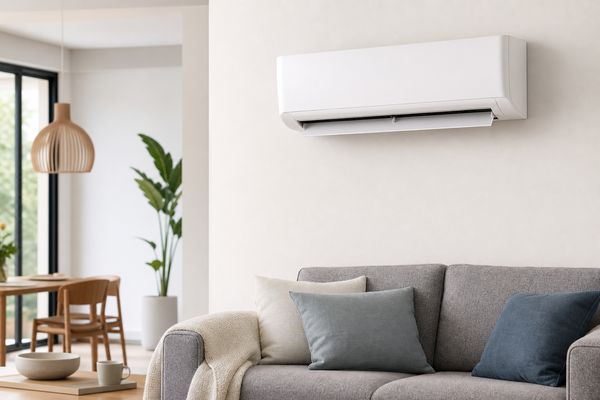
How much wall space does the indoor unit take up?
Are mini-splits loud?
What maintenance does a homeowner need to perform on a mini-split?
Can a mini-split be controlled remotely or via a smart home system?
Does a mini-split installation require a permit in California?
What is the difference between a mini-split and a window air conditioner?
Related HVAC Services in Carlsbad
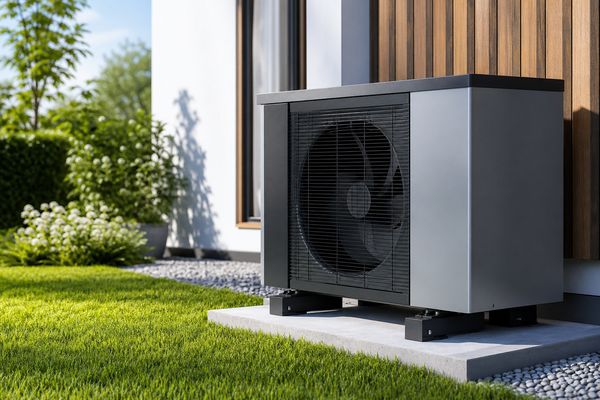
Air Conditioning
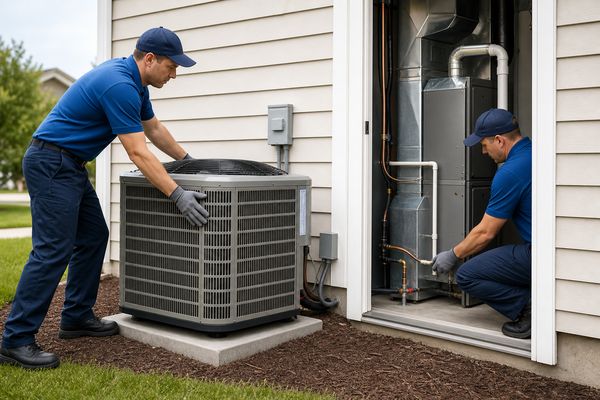
AC Replacement
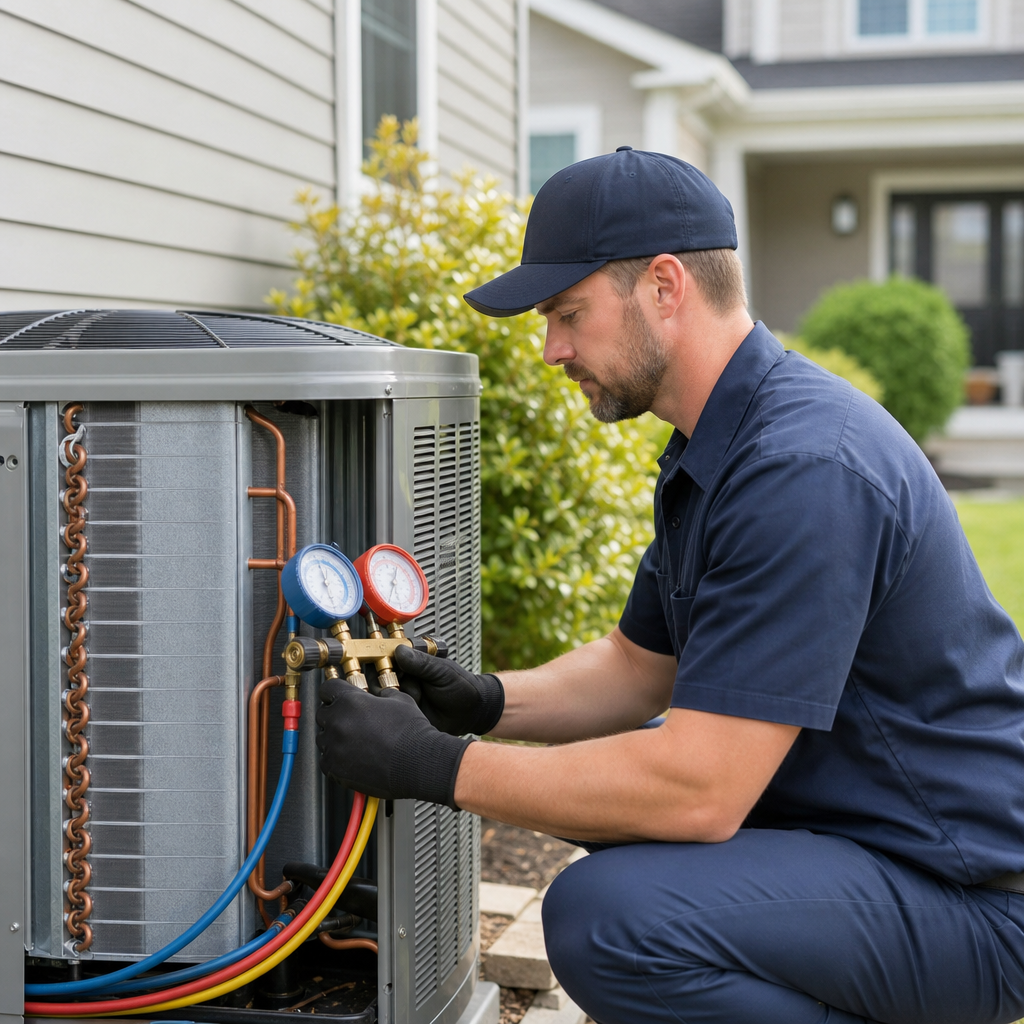
HVAC Maintenance & Tune-Up
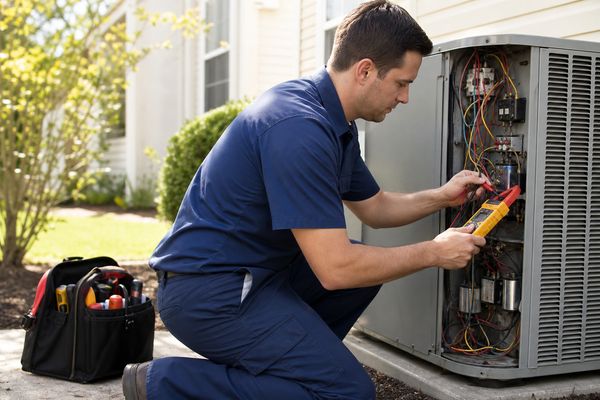
Heating & Furnace Repair
Furnace Replacement
Mini-Splits & Ductless
Heat Pumps
Ductwork