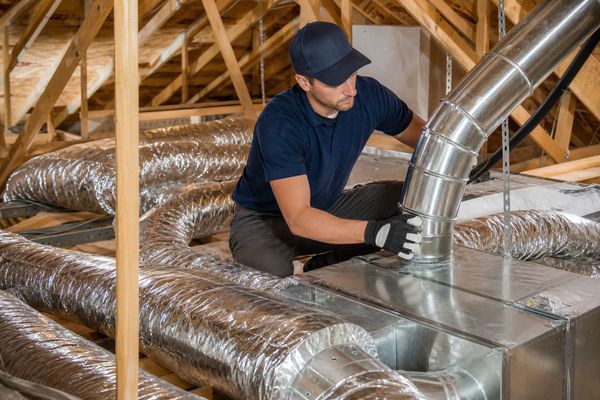
Complete HVAC System Installation

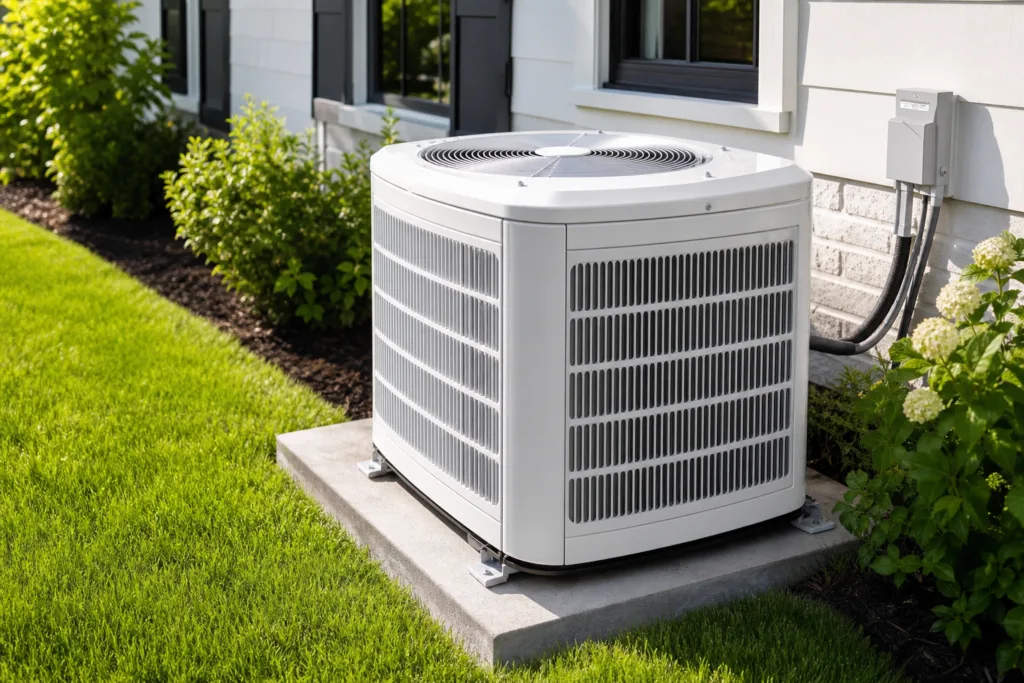
What Is a Complete HVAC System Installation?
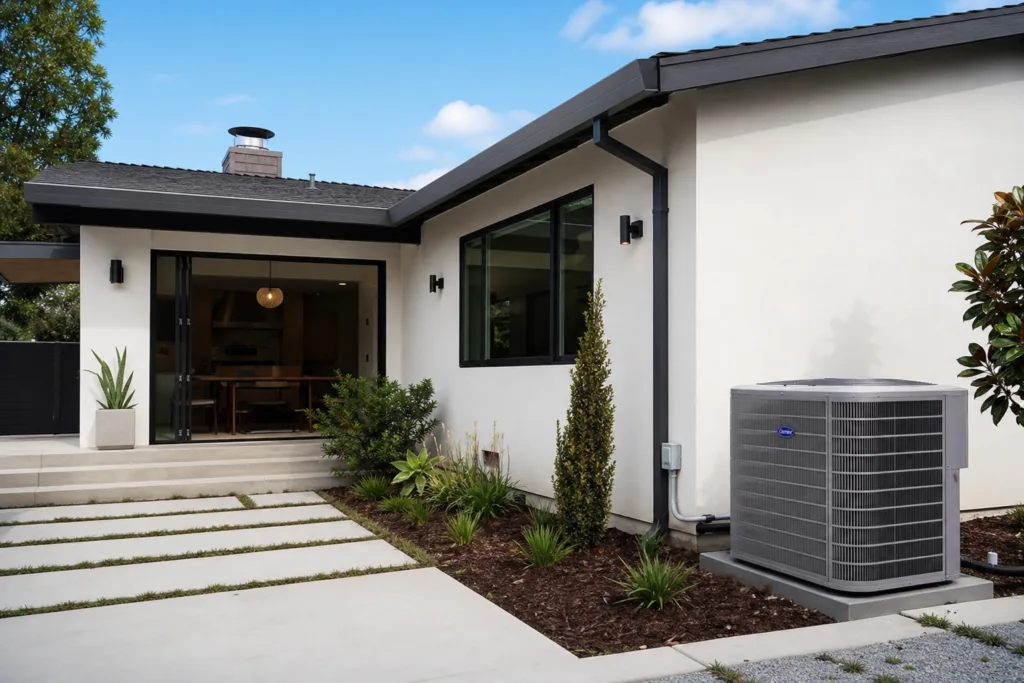
• New air conditioner or heat pump (outdoor unit)
• New furnace or air handler (indoor unit)
• Thermostat upgrade (smart or programmable)
• Refrigerant line set replacement
• Electrical and drainage connections
• Full system testing and calibration
• Ductwork inspection and sealing (or replacement if needed)
Top Reasons Homeowners Choose a Complete HVAC System
Matched Efficiency
One Installation, One Disruption
Complete Warranty Coverage
Whole-Home Comfort
Maximum Energy Savings
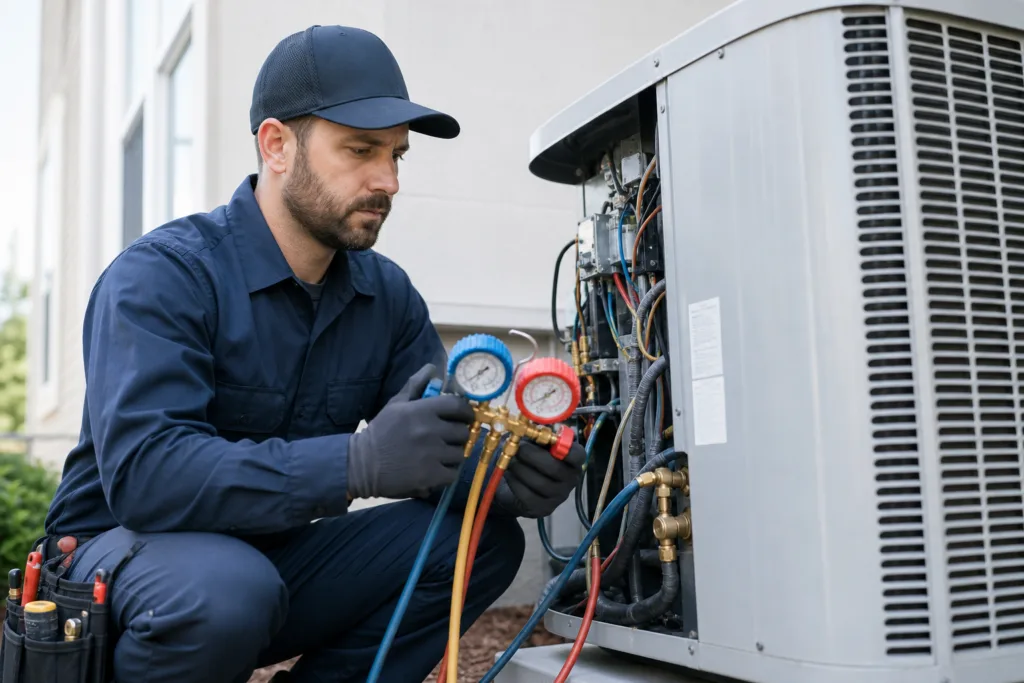
Ready to Compare Complete HVAC System Quotes?
6 Signs It's Time for a Complete HVAC System
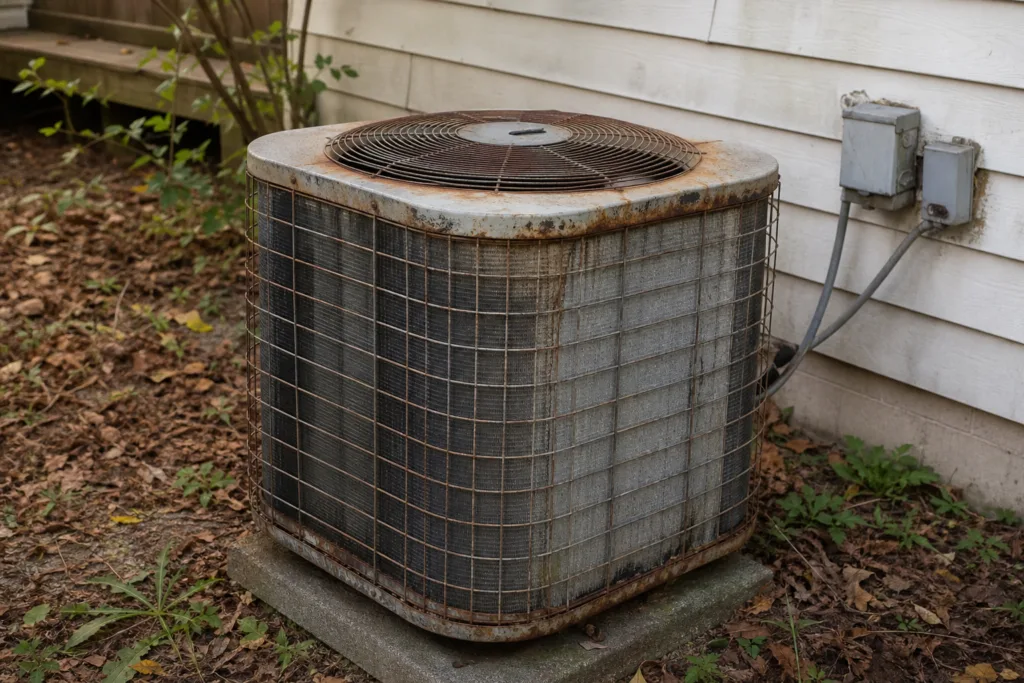
Both Units Are Aging
Uneven Temperatures Room to Room
Repair Bills Are Adding Up

Excessive Energy Bills
Poor Indoor Air Quality
Home Renovation or Addition
What a Complete HVAC System Delivers
Lower Energy Bills
Whole-Home Comfort
Fewer Breakdowns
Cleaner Indoor Air
Higher Home Value
Quieter Operation
Problems a New HVAC System Eliminates
Temperature Swings
Humidity Problems
Ductwork Inefficiency
Constant Thermostat Adjustments
Airborne Allergens
How to Choose the Right HVAC System
Key Factors to Consider
Square footage, ceiling height, number of stories, and room layout all affect system sizing. A Manual J load calculation is the only accurate way to size your system.
Southern California's mild winters and hot summers favor systems that prioritize cooling efficiency while still providing adequate heating.
Traditional split systems (AC + furnace), heat pumps, or dual-fuel systems each have advantages depending on your climate and utility costs.
SEER for cooling, AFUE for heating. Higher ratings mean lower operating costs but higher upfront investment. The sweet spot balances both.
SEER & AFUE Rating Guide
💡 Pro Tip
2. Ensure contractors include a Manual J load calculation
3. Ask about matched system rebates from manufacturers
4. Check if your utility offers high-efficiency upgrade incentives
5. Prioritize installation quality over the lowest bid
Ready to Upgrade Your Entire HVAC System?





Pro Tips Before You Buy
Replace Both Units Together
Insist on a Load Calculation
Don't Ignore Your Ductwork
Think Long-Term Value
Should You Repair or Replace?
🔧 Consider Repair If...
• Issue is isolated to one component
• System still meets your comfort needs
• Repair cost is modest relative to system value
• No refrigerant compatibility issues
✨ Replace If...
• Repair costs are escalating year over year
• System uses R-22 refrigerant
• Energy bills keep climbing
• Comfort issues persist across multiple rooms
• You're planning a home renovation or sale
Complete Guide
The Complete Guide to Complete HVAC System
Planning Your Complete HVAC System Replacement
A complete HVAC system replacement is one of the largest home improvement investments you'll make, so thoughtful planning makes a real difference in the outcome. Starting the process before your current system fails entirely gives you time to research, compare options, and schedule installation during a convenient window.
Begin by documenting your current system's performance issues — which rooms are uncomfortable, how often repairs happen, and what your utility bills look like over the past year. This information helps contractors provide accurate quotes and appropriate recommendations.
Set a realistic timeline. If your system is 12+ years old and showing signs of decline, plan for replacement within the next 6–12 months rather than waiting for an emergency breakdown in the middle of summer or winter.
Understanding Modern HVAC System Options
Today's HVAC systems offer several configurations, each with distinct advantages. Understanding the differences helps you ask the right questions when comparing contractor quotes.
Traditional Split System: The most common configuration — an outdoor AC condenser paired with an indoor gas furnace. Reliable, well-understood technology with the widest contractor expertise and part availability.
Heat Pump System: Uses electricity to both heat and cool. Highly efficient in mild climates like Southern California. Can be paired with a backup gas furnace (dual-fuel) for extremely cold days.
Ductless Mini-Split: Individual wall-mounted units serving specific rooms or zones. Ideal for homes without existing ductwork or for additions and converted spaces.
The Installation Process Step by Step
Understanding what happens during installation helps you prepare your home and set expectations for the project timeline:
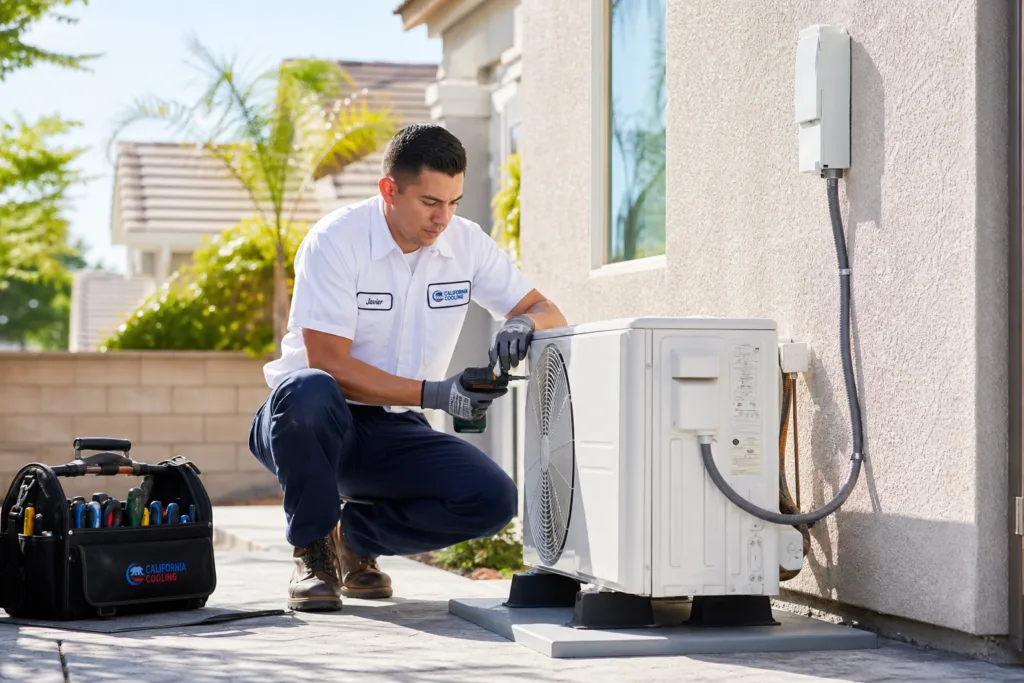
Day 1: Removal & Preparation. The crew removes your old equipment, inspects the installation area, and prepares mounting pads, electrical connections, and drainage. Old refrigerant is recovered per EPA regulations.
Day 2–3: Equipment Installation. New outdoor and indoor units are positioned and connected. Refrigerant lines, electrical wiring, condensate drainage, and thermostat wiring are installed or upgraded as needed.
Final Day: Testing & Commissioning. The system is charged with refrigerant, tested for proper airflow, and calibrated. The crew walks you through thermostat operation, filter location, and maintenance schedules.
Why Three Quotes Make a Difference
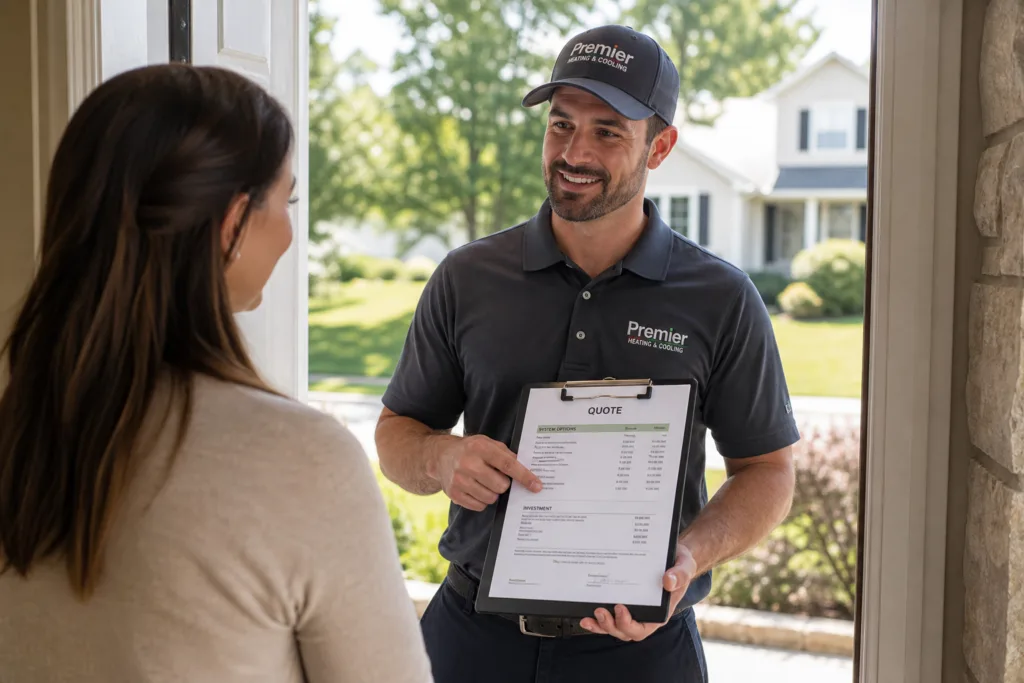
Getting three quotes isn't just about finding the lowest number — it's about understanding the range of options, approaches, and value each contractor brings to your project.

Equipment Differences: Different contractors partner with different manufacturers. Seeing three proposals shows you the range of equipment options available for your home.
Installation Approach: Contractors may differ on system sizing, ductwork modifications, thermostat recommendations, and warranty packages. Three quotes reveal these differences clearly.
Pricing Transparency: When you compare three itemized bids side by side, you can spot where one contractor is adding unnecessary extras or where another might be cutting corners.
Maintaining Your New HVAC System
Protecting your investment starts on day one. Consistent maintenance keeps your system running at peak efficiency and maximizes its lifespan:
Monthly: Check and replace air filters. Clogged filters restrict airflow, reduce efficiency, and put unnecessary strain on your equipment. Most homes need filter changes every 1–3 months.
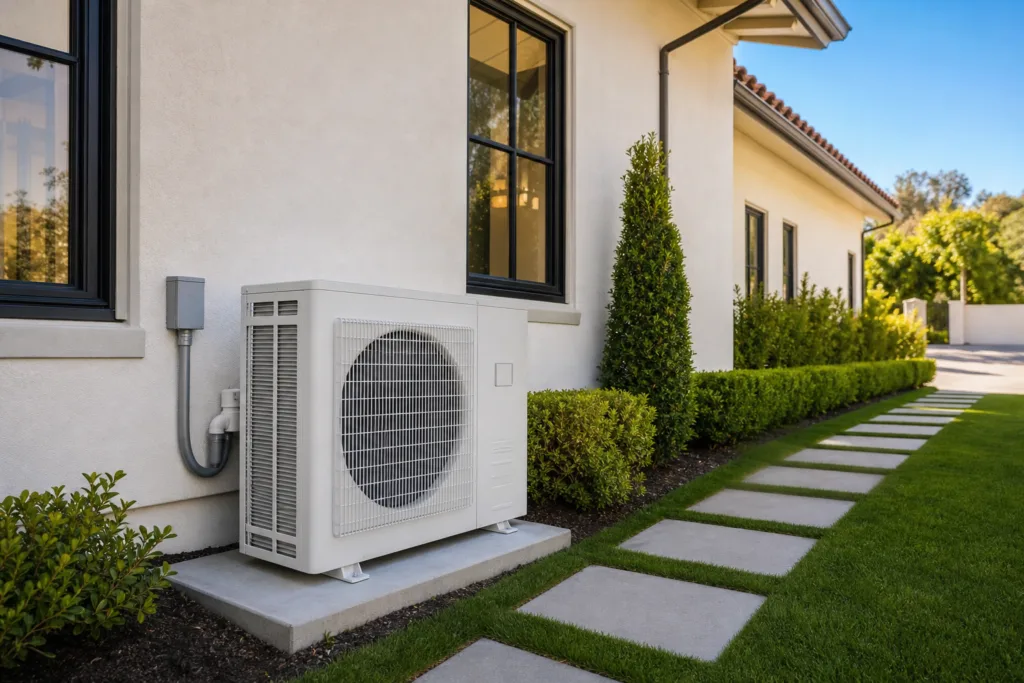
Seasonally: Clear debris from around the outdoor unit. Keep at least 2 feet of clearance on all sides for proper airflow. Trim back vegetation that grows toward the unit.
Annually: Schedule professional maintenance — ideally AC tune-up in spring, heating tune-up in fall. A technician checks refrigerant levels, cleans coils, inspects electrical connections, and verifies system performance.
Complete HVAC System Installation Across California
Complete HVAC System FAQ
How long does a complete HVAC system installation take?
Should I replace my AC and furnace at the same time?
What size HVAC system do I need?
What's the difference between a heat pump and a traditional AC/furnace combo?
Will a new system reduce my energy bills?
What brands are the most reliable?
Do I need a permit for HVAC replacement?
How long will a new HVAC system last?
What's the best time of year to replace?
Do I need new ductwork with my system?
What SEER rating should I choose?
Does California require a specific type of refrigerant for new HVAC systems?
Related HVAC Services
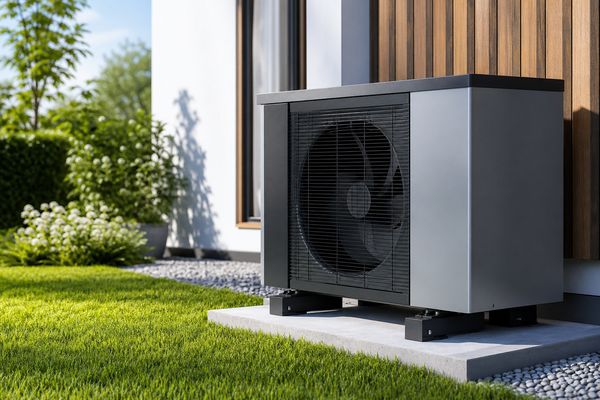
AC Replacement
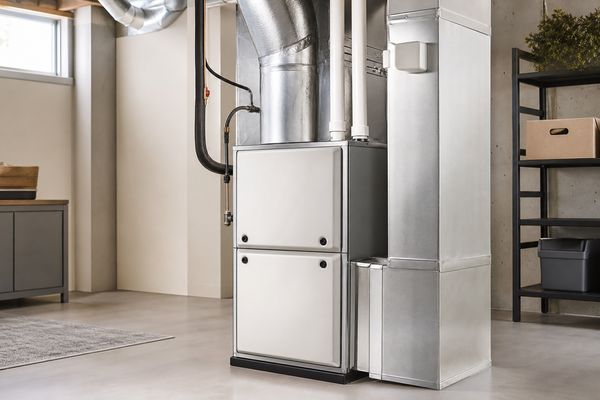
Furnace Installation
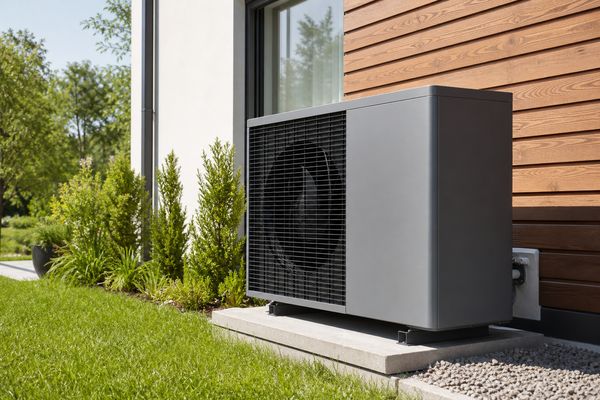
Heat Pumps