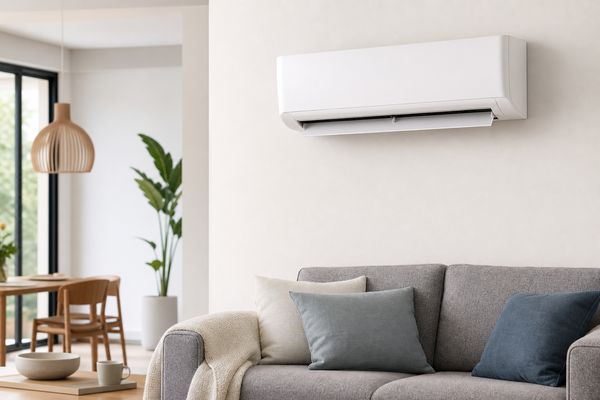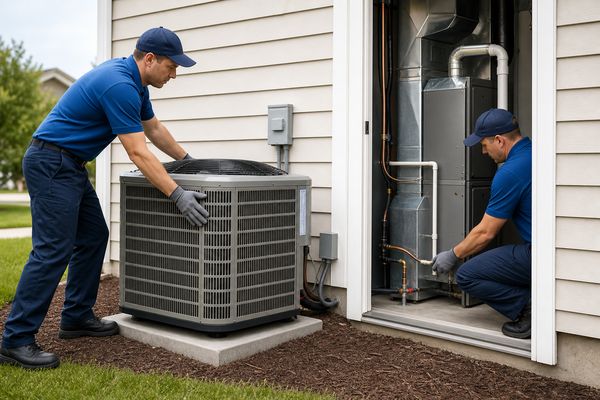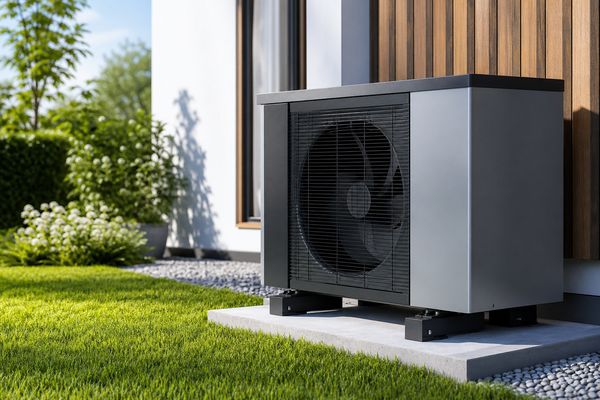
✓ 100% Free Service  •  ✓ No Obligation  •  ✓ Licensed Pros Only
Home Heat Pumps

Heat Pump Installation

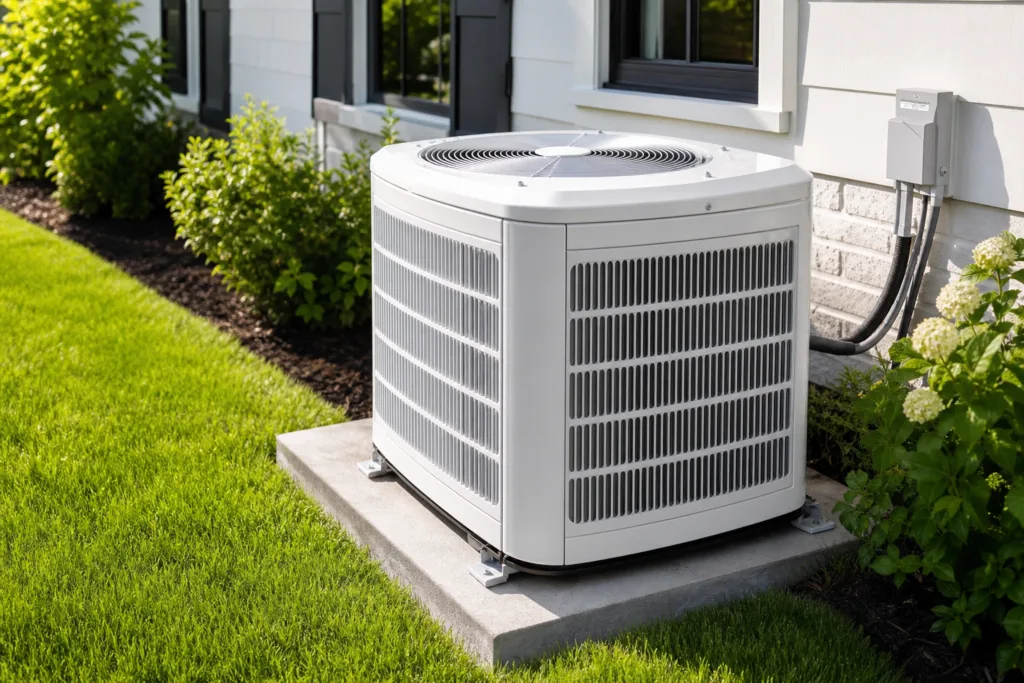
Compare quotes from licensed heat pump installers and save on all-electric heating and cooling. One system, both seasons — no obligation.
Or call us: (888) 252-5238
Licensed & Pre-Screened Contractors
💰 Best Price Guarantee
Fast & Free — No Obligation
📊 Transparent Pricing Comparison
🏠 Local Experts Who Know Your Area
🕐 Same-Day Quotes Available
AI Matched Contractors
Our technology helps match you with trusted, top-rated HVAC pros so you can compare price, service, equipment, and warranty.
Get Your Free Quote Now
15–20
Year Lifespan
1–3
Day Install
Up to 50%
Energy Savings
16–25+
SEER Rating
3 Free
Quotes to Compare
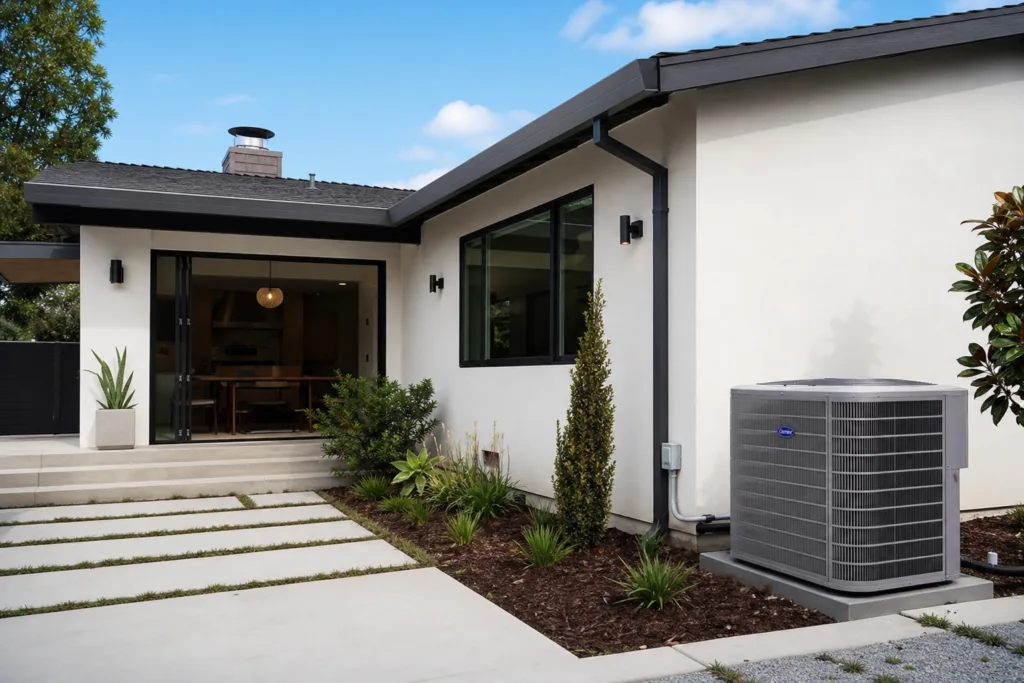
heat pump installation overview
Understanding Heat Pumps

What Is a Heat Pump System?

A heat pump is a single system that provides both heating and cooling by transferring heat rather than generating it. In summer it works like an air conditioner, moving heat from inside to outside. In winter it reverses, extracting heat from outdoor air and pumping it indoors — even in cold weather.
A heat pump installation typically includes:

• Outdoor heat pump unit (compressor/condenser)
• Indoor air handler or coil compatible with heat pump operation
• Reversing valve and defrost controls
• Refrigerant line set
• Thermostat upgrade (heat pump compatible)
• Electrical connections and backup heat wiring
• Full system testing in both heating and cooling modes
Heat pumps are the most energy-efficient way to heat a home — they deliver 2–3 units of heat energy for every unit of electrical energy consumed, making them dramatically cheaper to operate than gas furnaces or electric resistance heating.
Why Heat Pumps

Top Reasons Homeowners Choose Heat Pumps

One System, Both Seasons

A heat pump replaces both your air conditioner and your heating system with a single piece of equipment that handles everything year-round.

Exceptional Efficiency

Heat pumps move heat rather than create it, delivering 200–300% efficiency compared to the 95% maximum of even the best gas furnaces.

Lower Operating Costs

In mild climates like Southern California, heat pumps can reduce heating costs by 40–60% compared to gas furnaces, and cooling costs rival top-tier AC units.

All-Electric Operation

No gas line, no combustion, no carbon monoxide risk. Heat pumps run entirely on electricity, making them compatible with solar panels and clean energy goals.

Rebates and Incentives

Federal, state, and utility incentives for heat pump installation have made them more affordable than ever, significantly reducing the upfront cost difference.
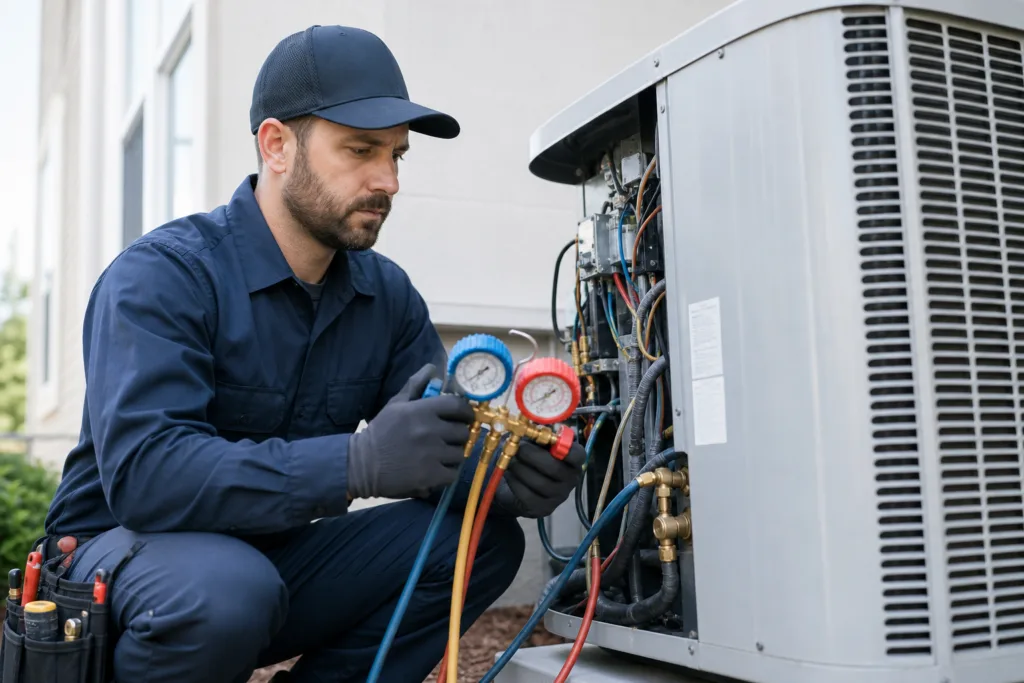
HVAC technician inspecting Heat Pumps equipment

Ready to Compare Heat Pumps Quotes?

Get three competing heat pump quotes. Compare equipment options, efficiency ratings, and dual-fuel configurations side by side.
Warning Signs

6 Signs a Heat Pump Is Right for You

Heat pumps are ideal for Southern California's climate. These situations make them an especially strong choice for your home.
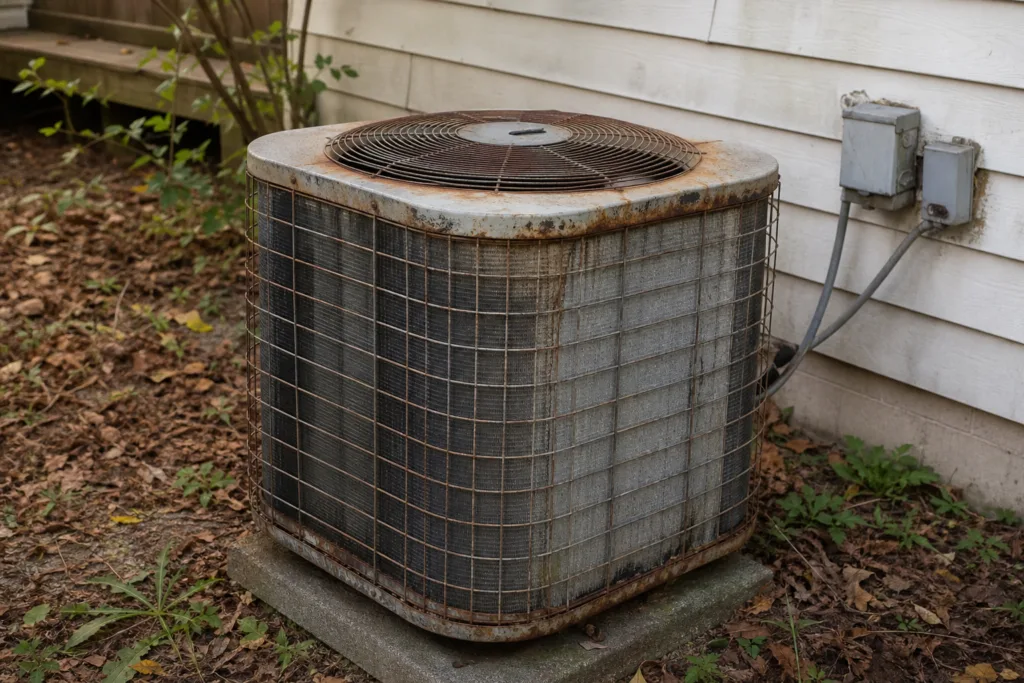
Heat Pumps warning sign - aging equipment
01

Mild Winter Climate

Southern California's moderate winters are perfect for heat pump heating. You get maximum efficiency because outdoor temperatures rarely drop to levels that challenge heat pump performance.
Heat Pumps warning sign - rising costs
02

High Gas Bills

If natural gas costs are eating into your budget, switching from a gas furnace to an electric heat pump can dramatically reduce your winter heating expenses.
Heat Pumps warning sign - frequent issues
03

AC and Furnace Both Need Replacing

When both systems are aging, a heat pump replaces them with one unit — simplifying your setup and potentially reducing total replacement cost.
Heat Pumps warning sign - comfort problems
04

Solar Panel Owner

Heat pumps pair perfectly with solar panels since they run on electricity. Your solar system can offset much or all of your heating and cooling energy costs.
Heat Pumps warning sign - unusual symptoms
05

Environmental Priorities

Switching from gas to an all-electric heat pump eliminates direct combustion emissions from your home, reducing your carbon footprint.
Heat Pumps warning sign - outdated technology
06

Home Without Gas Service

For homes using expensive electric resistance heating or propane, a heat pump provides the same warmth at a fraction of the operating cost.
Family enjoying comfort after heat pump installation
The Benefits

What a Heat Pump System Delivers

💰

Year-Round Climate Control

One system for heating and cooling — no separate furnace and AC to maintain.
🏠

Dramatic Energy Savings

Save up to 50% on combined heating and cooling costs compared to traditional systems.
🔧

All-Electric Safety

No gas combustion means zero carbon monoxide risk and no gas line maintenance.
🌬️

Even Comfort

Variable-speed operation maintains steady temperatures without the blast-of-heat cycling.
📈

Quiet Operation

Modern inverter-driven heat pumps run at remarkably low noise levels, inside and out.
🤫

Solar Compatible

Fully electric operation means your solar panels can power your entire climate control system.
Problems Solved

Problems a Heat Pump Eliminates

Switching to a heat pump resolves many issues that come with maintaining separate heating and cooling equipment.

Dual System Maintenance

Instead of maintaining a separate AC and furnace with different service schedules, a heat pump consolidates everything into one system with one maintenance routine.

Gas Safety Concerns

Aging gas furnaces can develop heat exchanger cracks that leak carbon monoxide. A heat pump eliminates all combustion-related safety risks entirely.

High Heating Costs

In Southern California's mild climate, heat pumps operate at 200–300% efficiency for heating — meaning significantly lower energy bills than any gas or electric resistance system.

Temperature Swings

Gas furnaces blast hot air then shut off, creating uncomfortable temperature swings. Heat pump inverter technology maintains steady, consistent temperatures.

Carbon Footprint

Switching from gas to an electric heat pump eliminates direct fossil fuel combustion from your home, especially impactful when paired with renewable electricity.
Homeowner comfortable after heat pump installation
Buying Guide

How to Choose the Right Heat Pump

Heat pump options range from basic air-source units to advanced cold-climate and dual-fuel configurations.

Key Selection Factors

Air-Source vs Ground-Source
Air-source heat pumps are the most common and cost-effective. Ground-source (geothermal) offer higher efficiency but significantly higher installation costs.
Ducted vs Ductless
Ducted heat pumps use existing ductwork like a traditional system. Ductless (mini-split) heat pumps serve individual zones. Both deliver heat pump efficiency.
Dual-Fuel Option
A dual-fuel system pairs a heat pump with a gas furnace backup. The heat pump handles most days; the furnace kicks in only during the coldest weather.
SEER and HSPF Ratings
SEER measures cooling efficiency; HSPF measures heating efficiency. Look for high numbers in both — they determine your operating costs year-round.

Heat Pump Efficiency Guide

SEER 16–17 / HSPF 8.5–9 — Entry-level efficiency. Still significant savings over older systems.
SEER 18–20 / HSPF 9–10 — Mid-range. Best value for most California homes.
SEER 22+ / HSPF 10+ — Premium efficiency. Maximum savings with inverter technology.
COP 3.0+ — Coefficient of Performance. A COP of 3.0 means 3 units of heat per 1 unit of electricity — triple the efficiency of electric resistance.

💡 Pro Tip

1. Get 3 quotes comparing the same SEER/HSPF ratings and configurations
2. Ask about available federal and state heat pump rebates
3. Have your contractor verify your electrical panel can handle the load
4. Consider dual-fuel if you already have gas service and want backup
5. Check if your utility offers heat pump-specific rate plans

Ready to Go All-Electric with a Heat Pump?

Compare 3 quotes from pre-screened, licensed HVAC contractors in your area. It takes 2 minutes.
bbbgoogle_5startrustpilotgoogle_guaranteedyelp
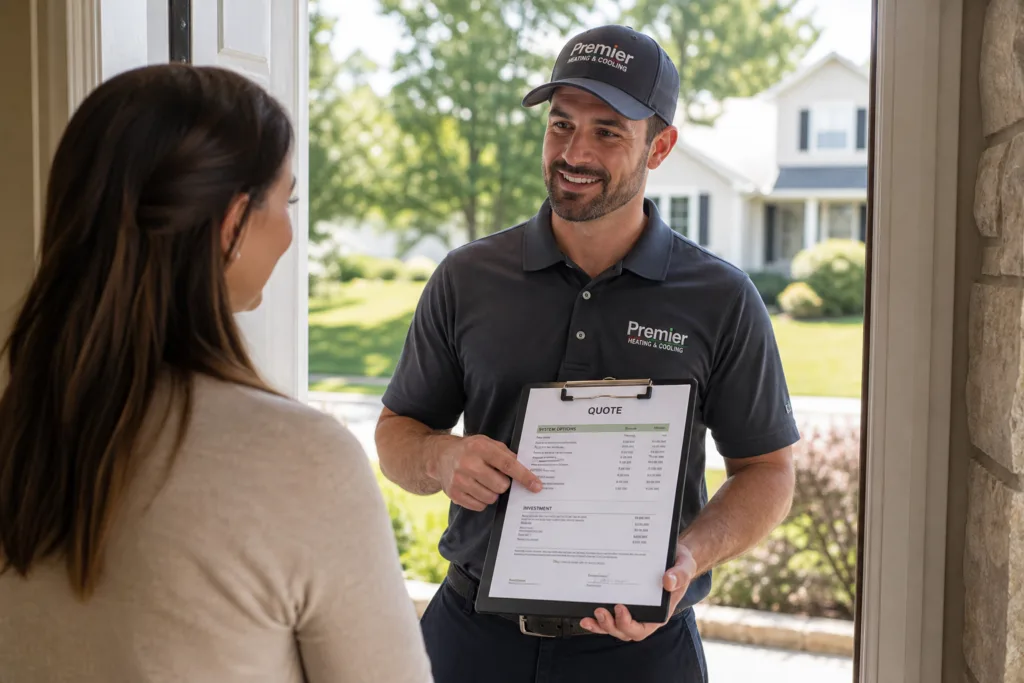
Contractor consulting homeowner about heat pump installation
Expert Advice

Pro Tips Before You Buy

1

Verify Your Electrical Panel

Heat pumps require dedicated electrical circuits. If your panel is already near capacity, an upgrade may be needed. Get this assessed during the quoting process.
2

Research Available Rebates

Federal tax credits, state incentives, and utility rebates can significantly offset heat pump installation costs. Ask each contractor about which incentives they help you access.
3

Consider Dual-Fuel for Flexibility

If you already have gas service, a dual-fuel system pairs the heat pump with a gas furnace backup. This gives you maximum efficiency most days and gas backup during rare cold snaps.
4

Size for Heating, Not Just Cooling

Heat pumps may need to be sized slightly larger than a cooling-only AC to handle heating demand. Your contractor should perform a load calculation that accounts for both.
Repair vs Replace

Should You Repair or Replace?

🔧 Consider Repair If...

• System is less than 10 years old
• Issue is a standard component (reversing valve, defrost board, capacitor)
• Refrigerant charge is stable
• System heats and cools effectively when working
• First major repair on this unit
VS

✨ Replace If...

• System is 12+ years old
• Compressor has failed
• Refrigerant leak requiring repeated recharges
• Heating capacity has declined significantly
• Multiple component failures in recent years
• New models offer dramatically better efficiency

Complete Guide

The Complete Guide to Heat Pumps

Heat Pumps planning guide

How Heat Pumps Work

Heat pumps use the same refrigeration cycle as air conditioners but with a reversing valve that allows them to operate in both directions — cooling your home in summer and heating it in winter using the same equipment.

In cooling mode, the heat pump absorbs heat from indoor air and releases it outside — exactly like a traditional AC. In heating mode, the reversing valve switches the cycle: the system absorbs heat from outdoor air (even in cold weather, there's extractable heat in the air) and releases it indoors.

This heat-transfer approach is why heat pumps are so efficient. Rather than converting electricity directly into heat (100% efficient at best), they move existing heat from one place to another, delivering 200–300% effective efficiency.

Heat Pump Types Compared

Several heat pump configurations are available, each suited to different situations and budgets:

Heat Pumps technology comparison

Central Air-Source: The most common type. A single outdoor unit connects to an indoor air handler that distributes conditioned air through ductwork — just like a traditional split system. Best for homes with existing ducts.

Ductless Mini-Split: Each room gets its own wall-mounted indoor unit connected to an outdoor compressor. Ideal for homes without ductwork, room additions, or zone-by-zone control.

Dual-Fuel (Hybrid): Pairs a heat pump with a gas furnace. The heat pump handles heating most of the time; the gas furnace takes over during the coldest days when heat pump efficiency drops. Offers the best of both worlds.
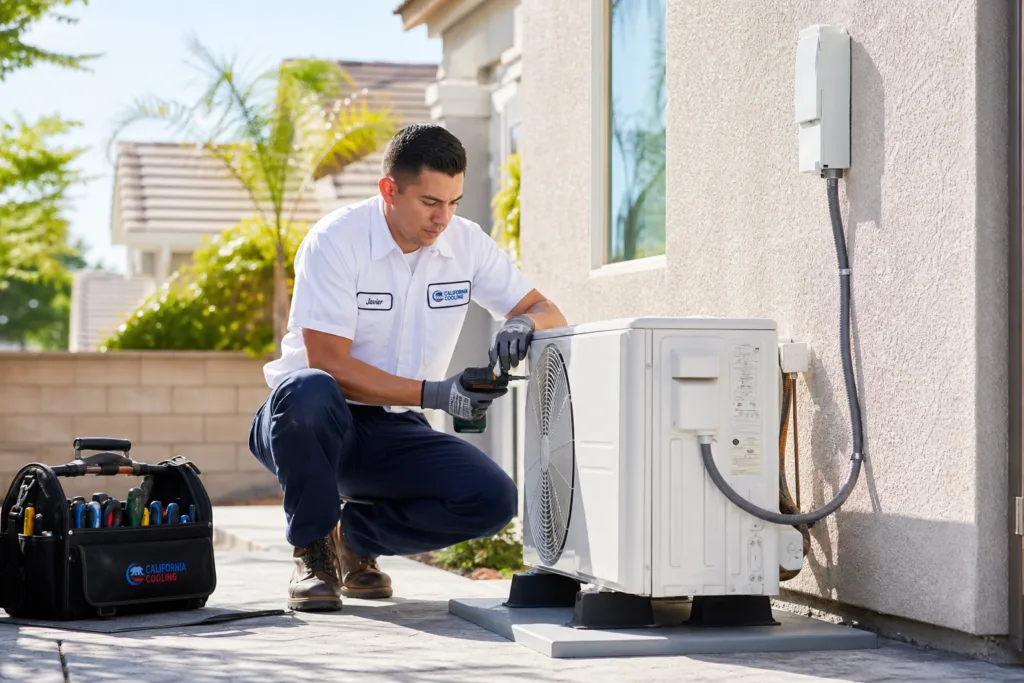
Heat Pumps installation process

The Heat Pump Installation Process

Installing a heat pump is similar to a standard AC replacement, with some additional considerations for the heating-mode components:

Equipment Removal: Your old AC and potentially furnace are removed. If keeping the furnace for dual-fuel, it stays in place but gets rewired for backup operation.

Heat Pump Installation: The outdoor unit is positioned and connected. An air handler (or compatible coil) is installed indoors. Refrigerant lines, electrical circuits, and a heat-pump-compatible thermostat are connected.

Testing: The system is tested thoroughly in both heating and cooling modes. The technician verifies the reversing valve operates correctly, defrost controls function, and backup heat activates when expected.

Comparing Heat Pump Quotes

Heat pump quotes require comparing more specifications than standard AC quotes because these systems handle both heating and cooling:

Heat Pumps quote comparison

Both Efficiency Ratings: Compare SEER (cooling) and HSPF (heating) for each proposal. A system with high SEER but low HSPF saves on cooling but not heating — both matter.

Configuration: Central ducted, ductless, or dual-fuel? Make sure quotes represent the same type of system so you're comparing apples to apples.

Electrical Requirements: Some installations require electrical panel upgrades. If one quote includes this and another doesn't, factor it into the total cost comparison.
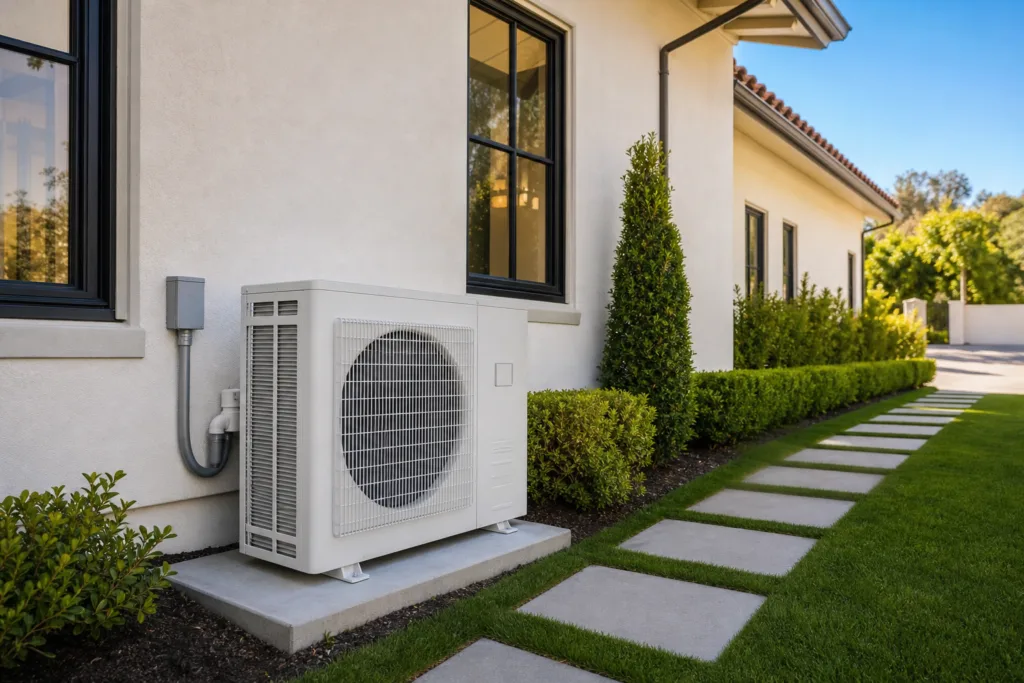
Heat Pumps maintenance tips

Maintaining Your Heat Pump

Heat pump maintenance is similar to AC maintenance with a few additional considerations for the heating components:

Monthly: Replace or clean air filters. Heat pumps run year-round (unlike AC-only systems), so filter maintenance is needed in every season.

Seasonally: Keep the outdoor unit clear of debris, leaves, and snow. Check that the defrost drain is clear and the coils are clean. Maintain clearance around all sides.

Annually: Schedule professional maintenance twice a year — once before cooling season, once before heating season. A technician checks refrigerant charge, tests the reversing valve and defrost controls, and verifies both modes operate correctly.

Where We Serve

Heat Pump Installation Across California

We connect homeowners with licensed heat pump installers for free quotes across these service areas.
📍 Los Angeles County
📍 Orange County
📍 Riverside County
📍 San Bernardino County
📍 Kern County
📍 Tulare County
📍 Fresno County
📍 Ventura County
Common Questions

Heat Pumps FAQ

Do heat pumps work in cold weather?

Yes. Modern air-source heat pumps provide effective heating down to well below freezing. In Southern California's mild winters, heat pumps perform at peak efficiency virtually all season.

How much can I save switching to a heat pump?

In mild climates, homeowners switching from gas furnace and AC to a heat pump typically save 30–50% on combined heating and cooling costs, depending on local gas and electricity rates.

What's the difference between a heat pump and an AC?

An AC only cools. A heat pump cools and heats using the same equipment — it simply reverses the refrigeration cycle. In cooling mode, they're functionally identical.

Do I need to keep my gas furnace?

Not necessarily. In Southern California, a heat pump alone handles both heating and cooling. However, a dual-fuel setup keeps the furnace as backup for the coldest days.

Are there rebates for heat pumps?

Yes. Federal tax credits, California state incentives, and utility company rebates are available for qualifying heat pump installations. Your contractor can help identify available programs.

How long does installation take?

Most heat pump installations take 1–3 days depending on whether ductwork modifications or electrical upgrades are needed.

Can my electrical panel handle a heat pump?

Heat pumps require dedicated circuits. If your panel is at capacity, an upgrade may be needed. Your contractor assesses this during the quoting process.

How long do heat pumps last?

With proper maintenance, heat pumps typically last 15–20 years. Since they run year-round (unlike AC-only systems), consistent maintenance is especially important.

What is HSPF?

Heating Seasonal Performance Factor measures heating efficiency. Higher is better. Look for HSPF 9+ for good heating performance in your climate.

Are heat pumps noisy?

Modern inverter-driven heat pumps are very quiet. Indoor noise levels are comparable to a standard AC, and outdoor units operate at lower sound levels than older equipment.

Can I use a heat pump with solar panels?

Absolutely. Since heat pumps run entirely on electricity, solar panels can offset much or all of the energy used for heating and cooling — reducing or eliminating utility costs.

Is financing available?

Yes. Most contractors offer financing, and federal/state incentive programs may offer additional financing options for heat pump installations.
Explore More

Related HVAC Services

Mini Splits

Mini Splits

Ductless heat pump systems for room-by-room zone control without ductwork.
Complete HVAC System

Complete HVAC System

Full system replacement including ductwork evaluation for maximum efficiency.
AC Only

AC Only

Traditional AC replacement if you prefer keeping your gas furnace for heating.
Indoor Air Quality

Indoor Air Quality

Add air purification to your new heat pump system for the healthiest indoor air.

Ready to Switch to a Heat Pump?

Compare 3 free heat pump quotes from licensed installers. One system for heating and cooling — no obligation.