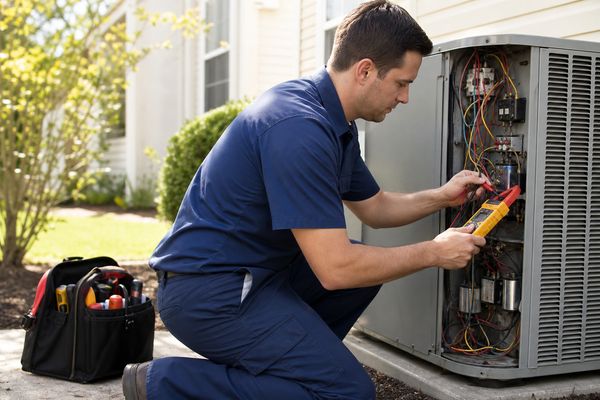
Air Conditioning Installation

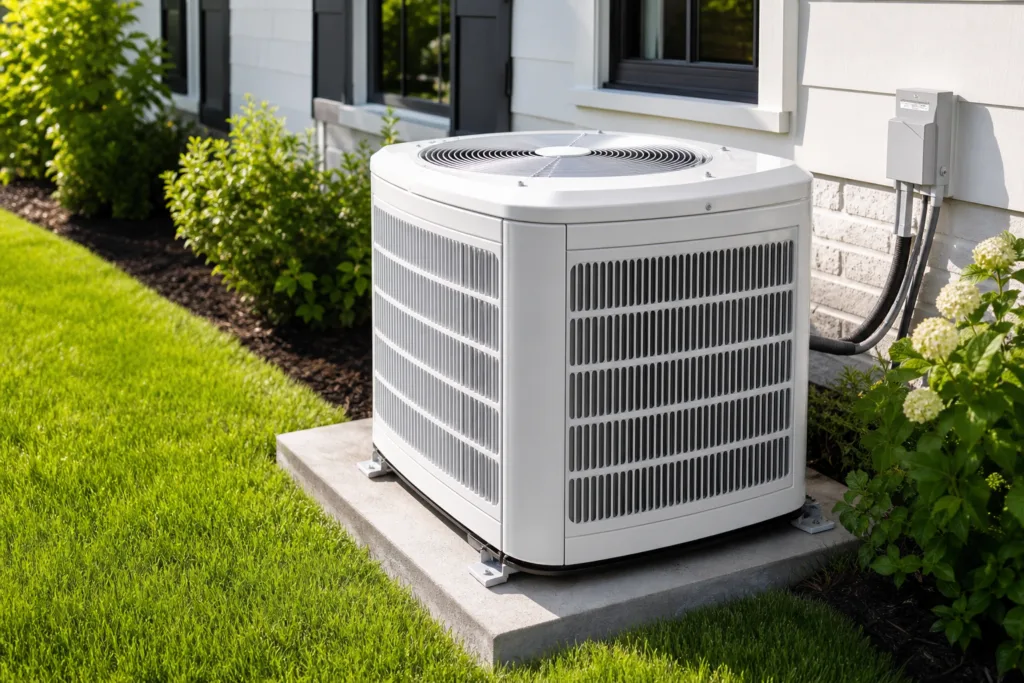
What Is an Air Conditioning Installation?
• Load calculation to size the unit to your home, not a rule of thumb
• Removal and EPA-compliant disposal of the old outdoor unit, if there is one
• New condenser set and secured on a level pad
• Matched indoor coil so both halves hit their rated efficiency
• Refrigerant lines connected, evacuated and charged to spec
• Electrical whip, disconnect and breaker sized correctly
• Thermostat paired and airflow measured across the coil
• Full run test through a complete cooling cycle before the crew leaves
Top Reasons Homeowners Install a New AC
Furnace Still Working Well
Lower Upfront Investment
Faster Installation
Immediate Cooling Relief
Modern Efficiency Upgrade
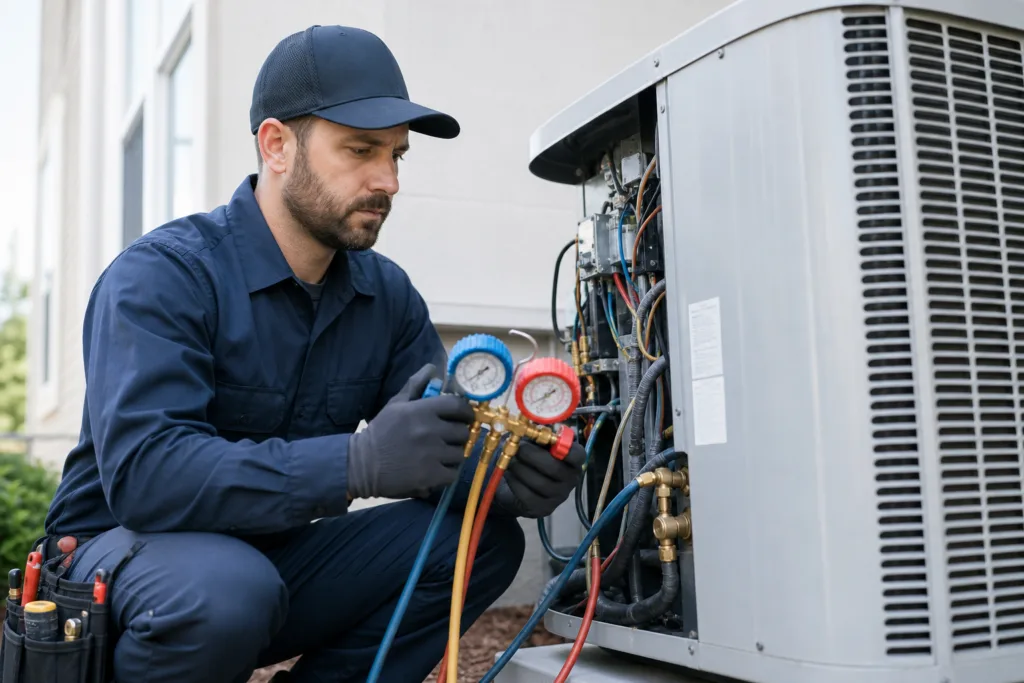
Ready to Compare AC Installation Quotes?
6 Signs It's Time to Install a New AC
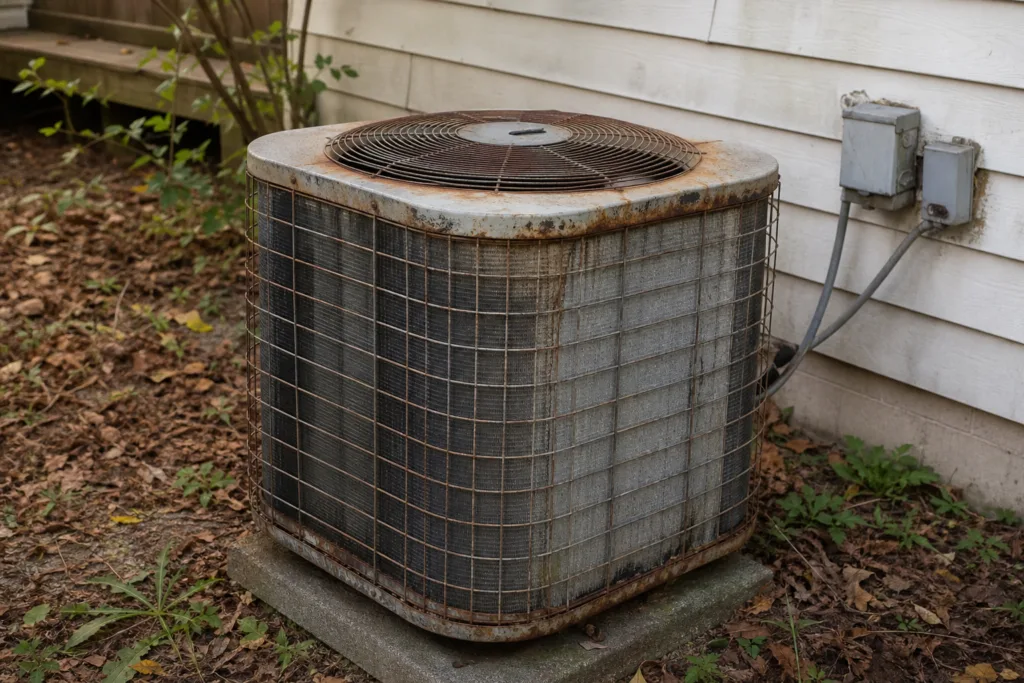
The AC Is Past Year 12
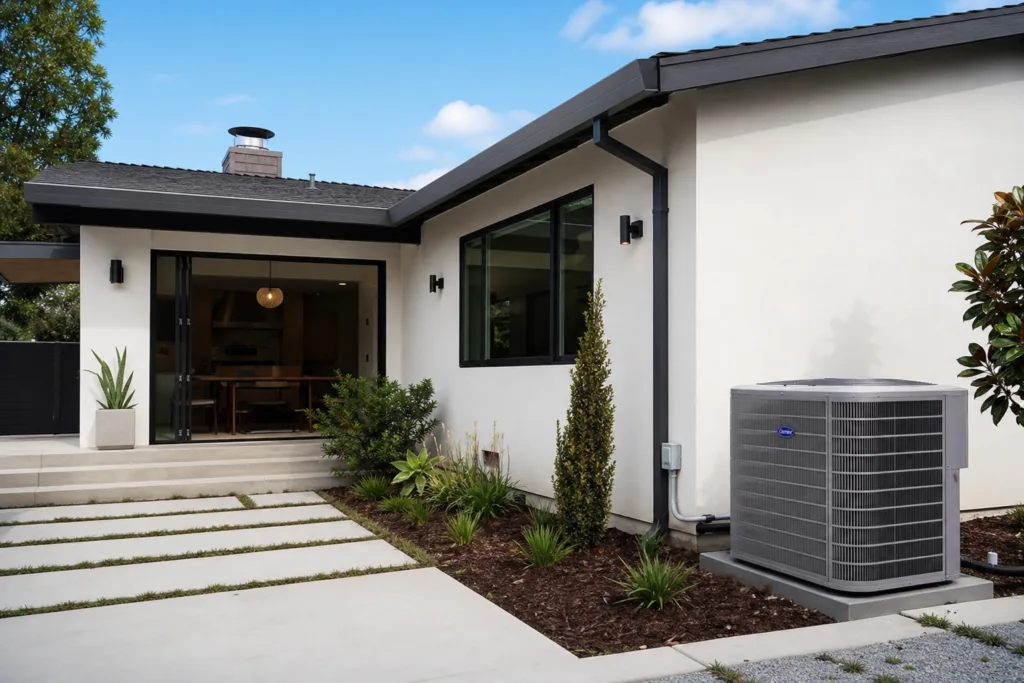
Summer Bills Outpace Winter Ones
Warm Air from Vents

Frequent Cycling
Multiple Repairs Per Season
Excessive Indoor Humidity
What a New Condenser and Coil Deliver
Cooling Costs Come Down
Even, Consistent Cooling
Reliable Performance
Quieter Operation
Better Humidity Control
Smart Thermostat Ready
Problems a New AC Unit Solves
Rooms That Won't Cool
Sky-High Electric Bills
Constant Breakdowns
Indoor Humidity Issues
Loud, Disruptive Noise
How to Choose an AC Installation Contractor
What Matters Most in an AC Installation
Your new AC must work properly with your existing indoor unit. Contractors check coil compatibility, airflow ratings, and refrigerant type to ensure a good match.
Bigger isn't better. An oversized AC short-cycles, wastes energy, and dehumidifies poorly. A Manual J calculation ensures proper sizing for your specific home.
Higher SEER means lower operating costs. For Southern California, 16–18 SEER hits the sweet spot for most homeowners.
Single-stage, two-stage, and variable-speed compressors offer increasing levels of comfort and efficiency. Variable-speed units run longer at lower capacity for steadier temperatures.
Efficiency Tiers at a Glance
💡 Pro Tip
2. Compare at least 3 quotes for the same SEER rating and tonnage
3. Ask about coil compatibility and warranty implications
4. Check utility company rebates for high-efficiency upgrades
5. Schedule installation in spring or fall for best pricing
Ready to Replace Just the Cooling Side?





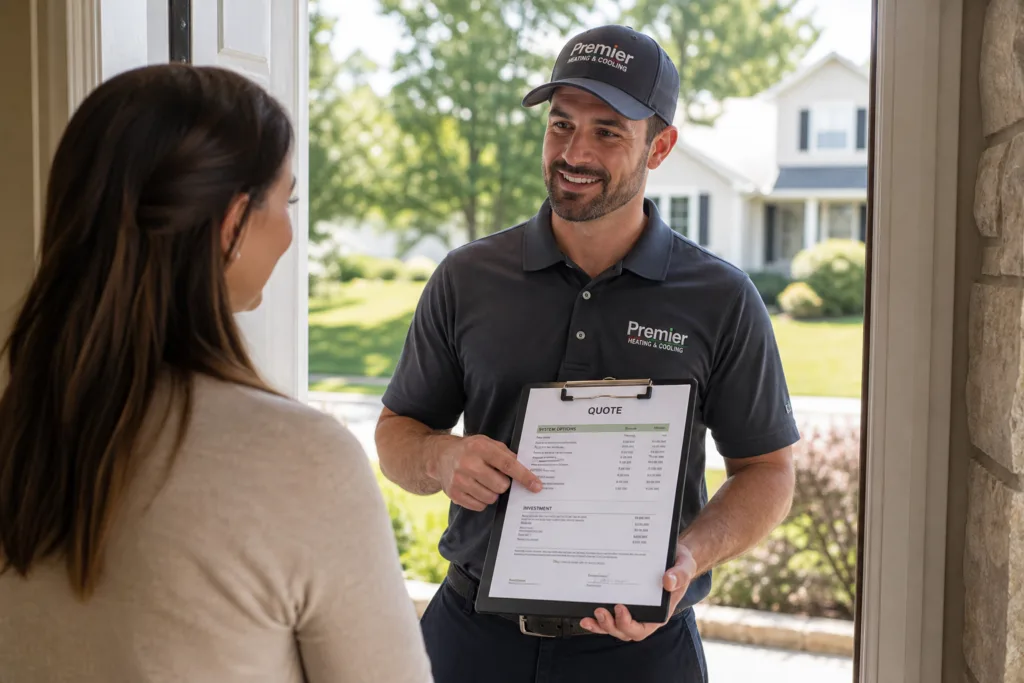
Pro Tips Before You Buy
Check Furnace Compatibility First
Right-Size, Don't Oversize
Factor in Long-Term Costs
Ask About the Evaporator Coil
Should You Repair It or Install New?
🔧 Consider Repair If...
• Issue is a single component (capacitor, contactor, fan motor)
• System still cools effectively when running
• First major repair on this unit
• Repair cost is reasonable relative to unit value
✨ Install New If...
• Compressor has failed or is failing
• Uses R-22 refrigerant (phased out)
• Repair costs exceed a meaningful threshold
• Multiple repairs in the past 2 years
• Energy bills have risen noticeably
Complete Guide
The Complete Guide to AC Installation
When a New AC Installation Makes Sense
A failing air conditioner does not automatically mean a full system overhaul. When the cooling side has reached the end of its life but your furnace or air handler is still doing its job, installing a new AC and leaving the heating equipment alone is usually the sensible route.
The deciding factor is whether your existing indoor equipment can work with a modern unit. A furnace under about 10 years old with compatible components pairs with a new AC without trouble, and you keep the value of equipment that still works.
If the furnace is aging too, doing both at once avoids tearing the same closet apart twice and gets you matched efficiency ratings across the whole system. A good contractor will tell you which situation you are in during the walkthrough — and if two of your three quotes say the same thing, that is your answer.
Modern AC Technology: What's Changed
Air conditioning has changed more in the last decade than most homeowners realize. Even if your outgoing unit was a premium model on installation day, current equipment beats it on nearly every measure.
Variable-Speed Compressors: Instead of running at full blast or off, modern compressors adjust their output continuously. This means steadier temperatures, better humidity control, and significantly lower noise levels.
Higher SEER Ratings: Federal minimum efficiency standards have increased over time. Today's entry-level units are more efficient than premium units from a decade ago.
Smart Integration: Modern AC systems work with smart thermostats, allowing remote control, scheduling, energy monitoring, and integration with home automation systems.
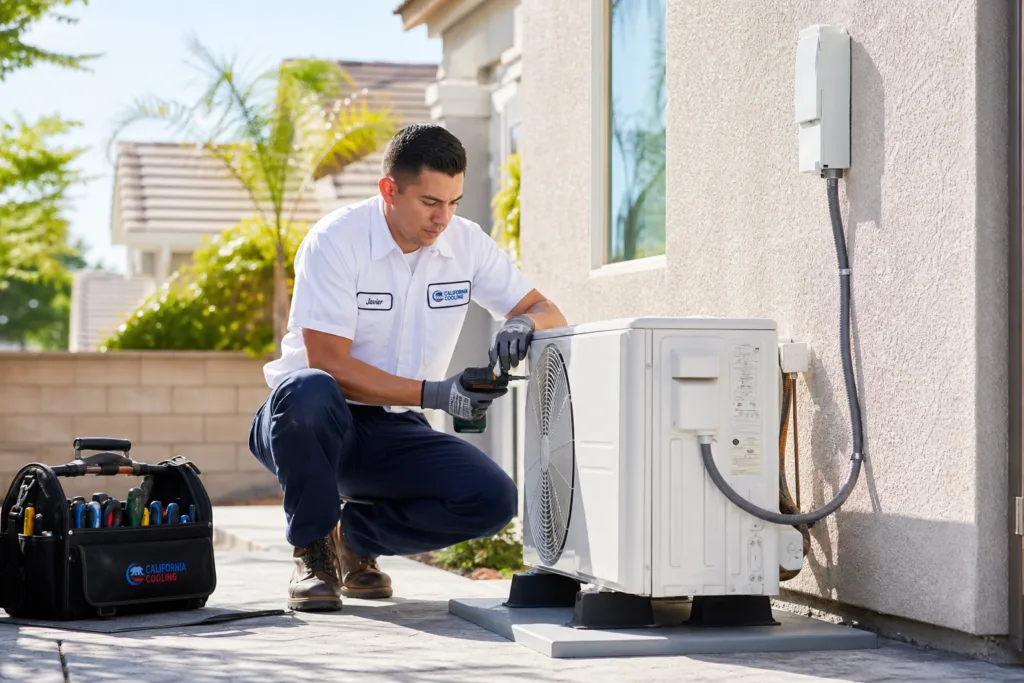
The AC Installation Process
An AC installation is one of the quicker HVAC projects. A straightforward job is usually done inside a single day:
Morning: removal and prep. The crew recovers the remaining refrigerant per EPA rules, disconnects and hauls off the old outdoor unit, and checks that the pad is level and clear.
Midday: installation. The new condenser goes in, refrigerant lines are connected and evacuated, and the electrical is wired to the disconnect and panel. The indoor coil is matched or swapped so the two halves work as a pair.
Afternoon: charge and test. Refrigerant is charged to manufacturer spec, airflow is measured across the coil, the thermostat is paired, and the system runs a full cooling cycle while the tech verifies temperature split and amp draw.
Getting the Best Value from 3 Quotes
When you compare AC installation quotes, the bottom-line number is the least useful part. What separates the bids is what each contractor included and what they quietly left out.

Equipment Specifications: Make sure you're comparing the same tonnage and SEER rating across quotes. A lower price for a lower-efficiency unit isn't a better deal — it costs more to run every month.
Scope of Work: Some contractors include line set replacement, electrical upgrades, or pad replacement in their base price while others list them as add-ons. Read the fine print.
Warranty Details: Manufacturer warranties often require registration within a specific window and may have conditions about professional installation. Ask each contractor about the warranty process.
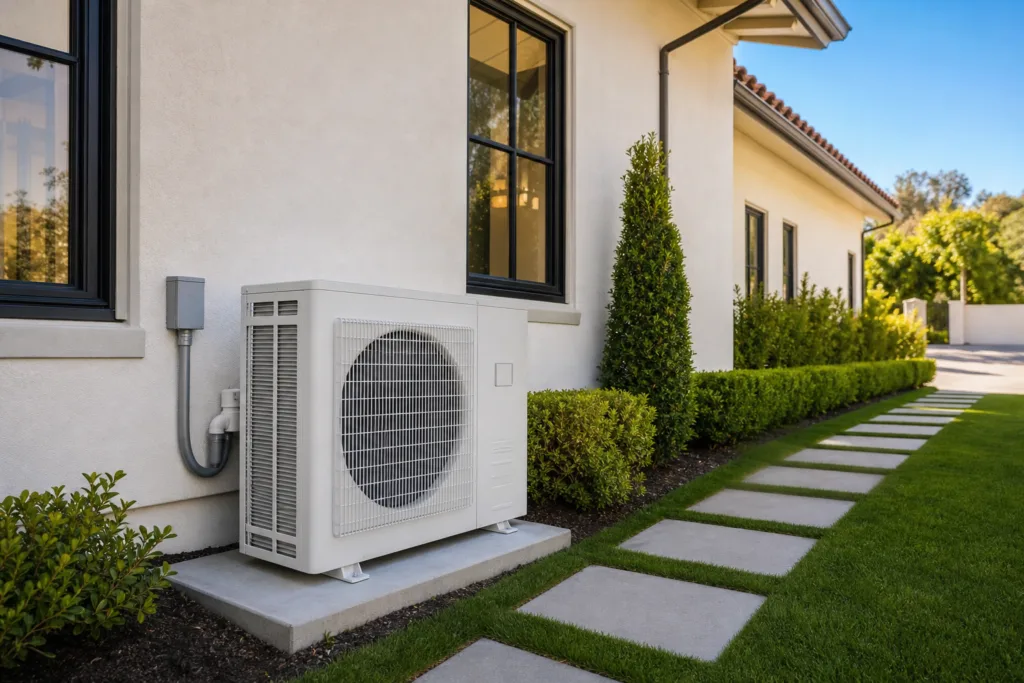
Caring for a Half-New System
Basic maintenance keeps your new air conditioner running efficiently for its entire rated lifespan:
Monthly: Replace or clean your air filter. This single step has the biggest impact on system efficiency and longevity. A dirty filter forces your AC to work harder and can lead to frozen evaporator coils.
Quarterly: Inspect the outdoor unit. Remove leaves, grass clippings, and debris from around the condenser. Gently rinse the coils with a garden hose if they look dirty.
Annually: Schedule a professional tune-up before cooling season. A technician cleans coils, checks refrigerant levels, tests electrical connections, and verifies system performance.
Air Conditioning Installation Service Areas in California
AC Installation FAQ
Can I install a new AC and keep my existing furnace?
How long does an AC installation take?
Will a new AC work with my existing thermostat?
What SEER rating should I get?
Does a new AC need a matched indoor coil?
Is my AC the right size for my home?
What happens to the old refrigerant?
How long will my new AC last?
When is the best time of year to install an AC?
Will my old furnace blower hold back a new high-efficiency AC?
Which parts of California require duct testing after AC installation?
Does California's climate zone affect what size air conditioner I need?
Related HVAC Services
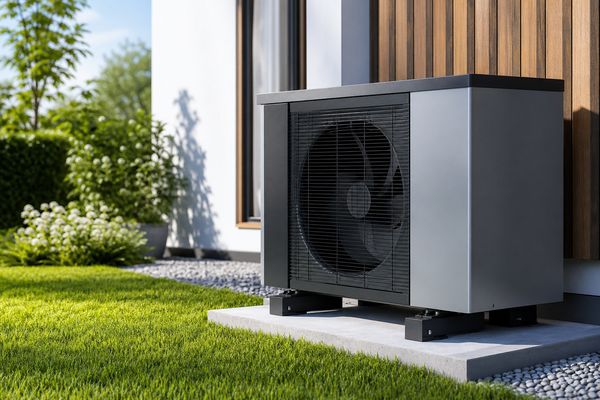
AC Replacement
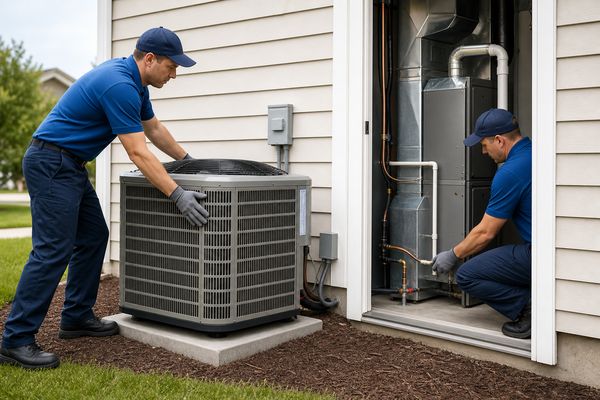
Complete HVAC System
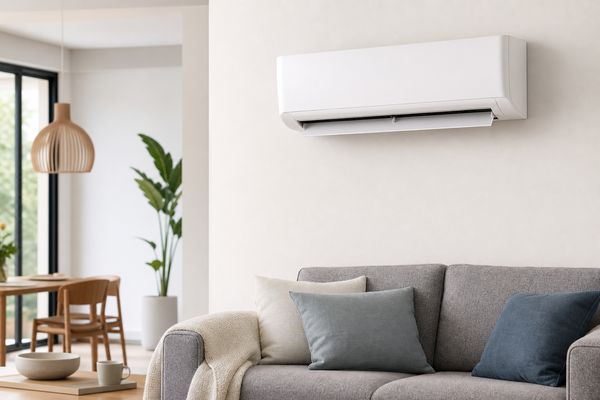
Mini Splits