
HVAC Maintenance & Tune-Ups

What Does an HVAC Tune-Up Actually Include?
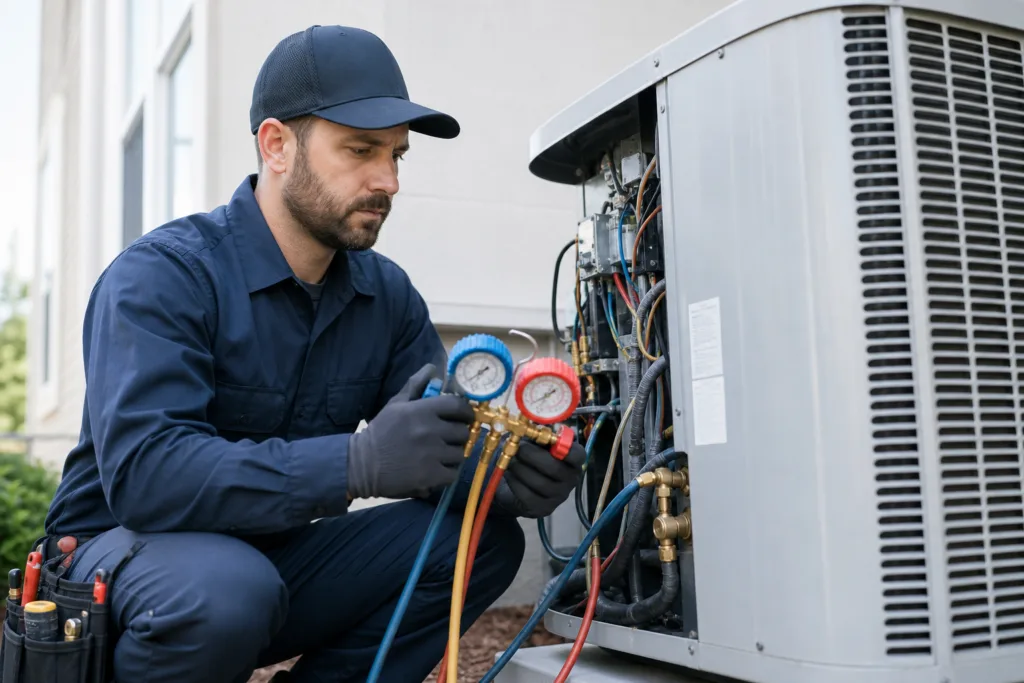
• Washing the outdoor condenser coil and clearing debris from the cabinet
• Cleaning or replacing the air filter and checking filter sizing
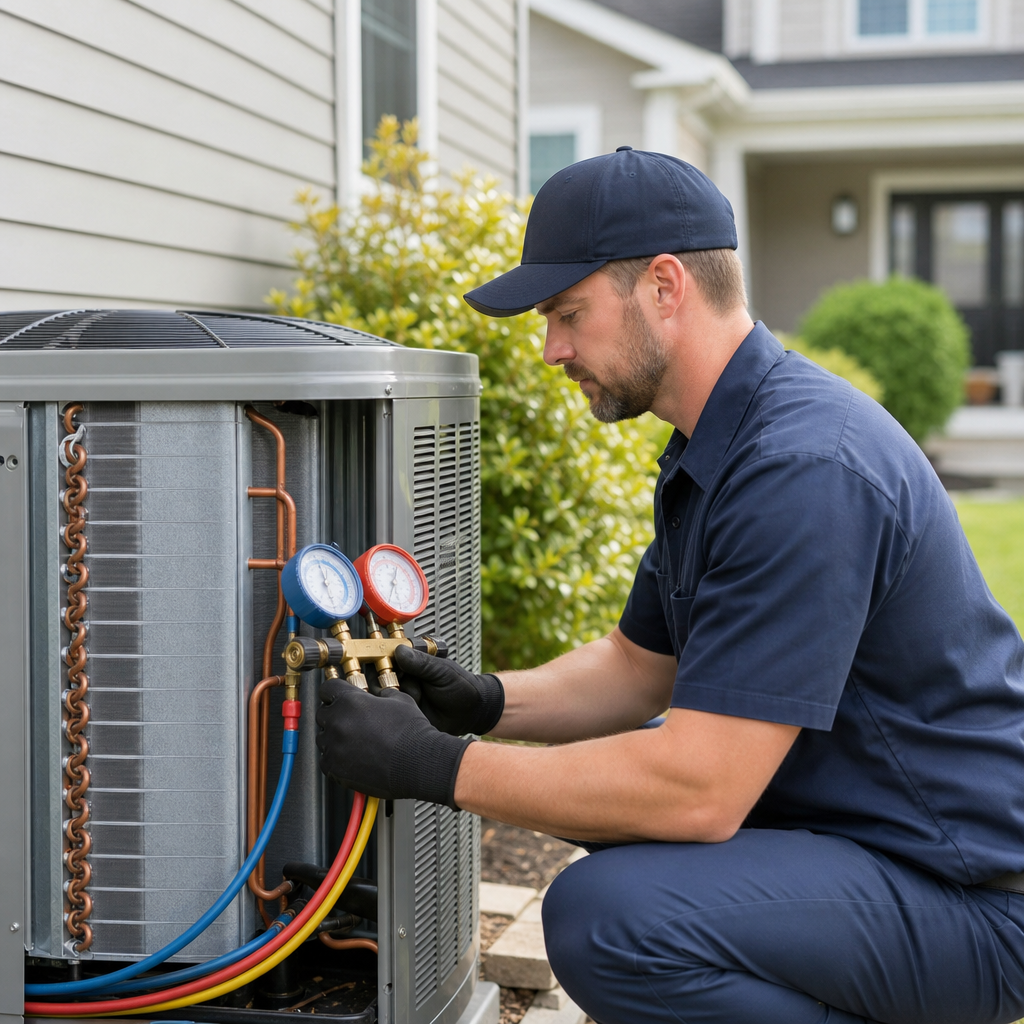
• Measuring refrigerant charge and checking for line-set leaks
• Testing capacitors, contactors and amp draw on the compressor and blower
• Clearing the condensate drain line and testing the safety float switch
• Checking the heat exchanger, igniter and flame sensor on the heating side
• Verifying thermostat calibration and temperature split across the coil
• Tightening electrical connections and documenting system readings
What Regular Service Actually Buys You
Manufacturer Warranty Protection
Fewer Emergency Breakdowns
Efficiency That Does Not Drift
Longer Equipment Life
A Documented Service History
Ready to Compare HVAC Maintenance Quotes?
6 Signs Your System Is Overdue for Service
It Has Been Over a Year
Longer Run Times, Same Setting
Airflow Feels Weak at the Vents
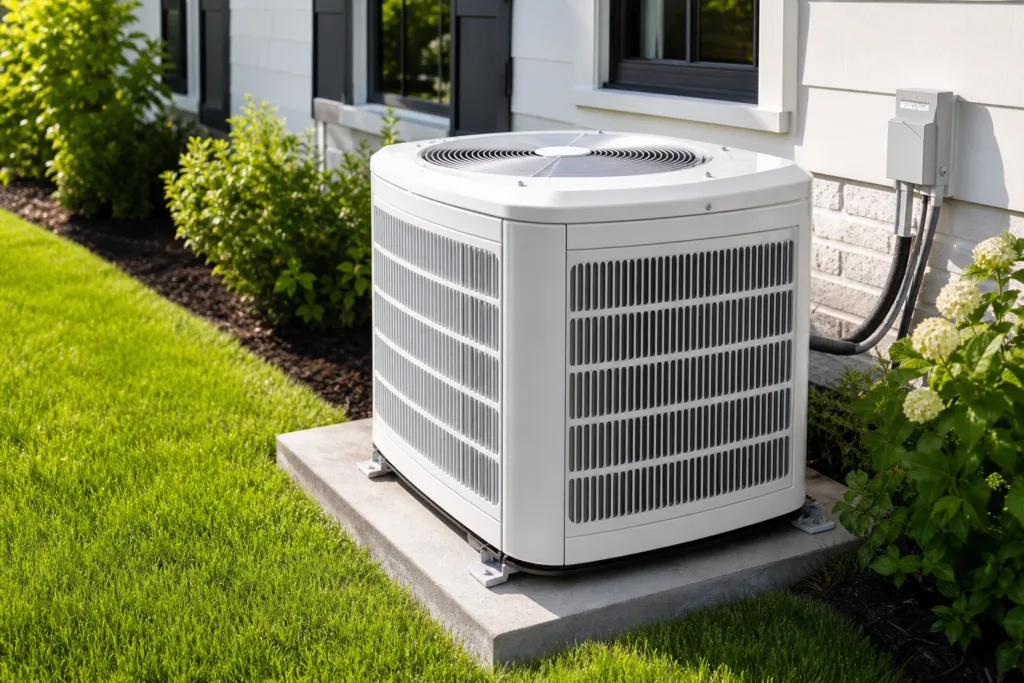
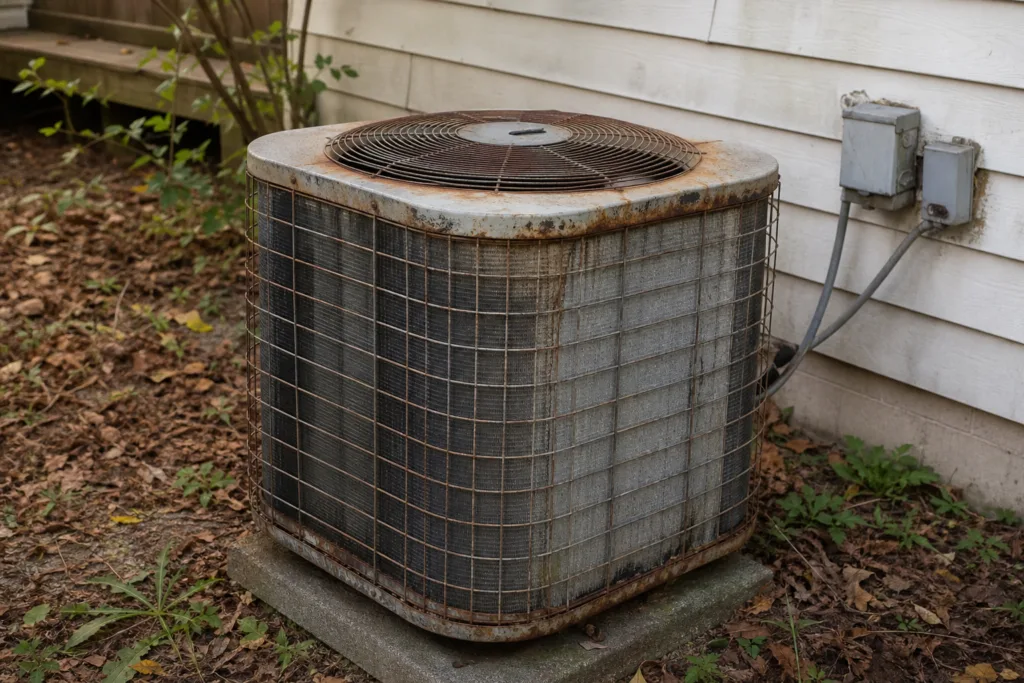
The Outdoor Unit Is Dirty or Overgrown
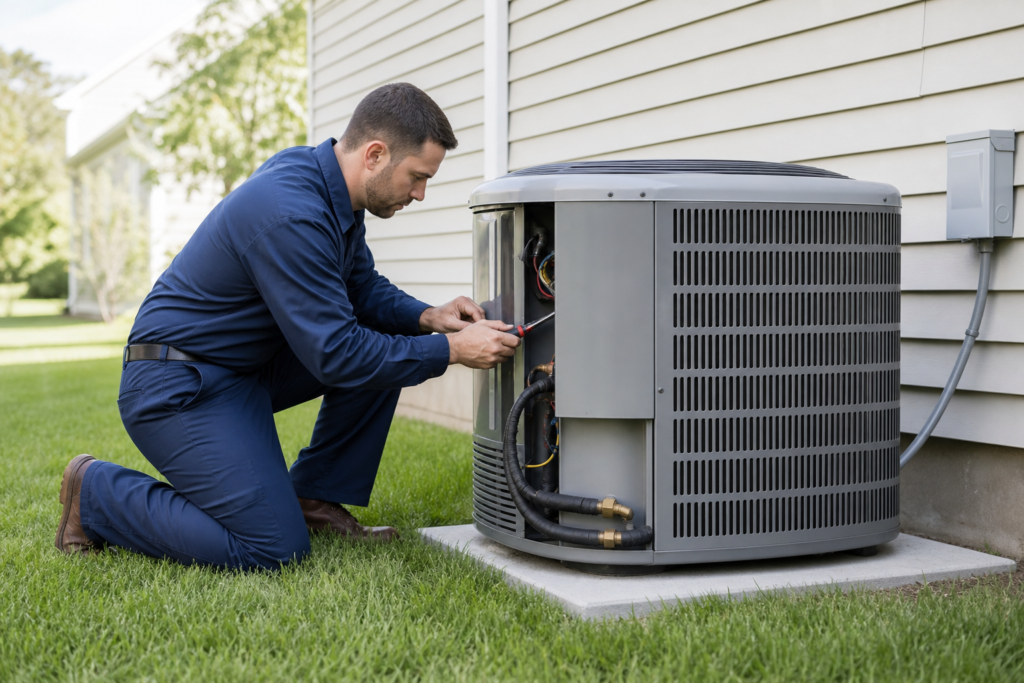
New Noises at Startup
Water Around the Indoor Unit

What a Maintained System Delivers
Predictable Energy Use
Warranty Claims That Hold Up
Problems Found Early
Cleaner Air Indoors
Priority Service
Quieter Operation
Issues a Maintenance Visit Resolves
One Room Never Keeps Up
System Freezes Up
Musty Smell When It Starts
Breaker Trips on Hot Days
Heat Smells Like Burning in Fall
How to Choose an HVAC Maintenance Provider
What to Compare Between Quotes
Ask exactly what is performed. A visit that includes coil cleaning, charge verification, electrical testing and drain clearing is a different service from a filter swap and a visual look.
Two visits — cooling in spring, heating in fall — is the standard for a system that runs year-round. Confirm whether a plan covers one visit or both.
Insist on a written report with refrigerant pressures, temperature split and amp draw. Without numbers you have no way to tell whether anything was measured.
Verify the C-20 license and ask whether a technician or a salesperson performs the visit. Maintenance calls are a common setting for unnecessary replacement pitches.
Priority scheduling, discounted repair labor and waived diagnostic fees are where a plan earns its keep. Get those terms in writing.
Plan vs One-Time Visit
Good for a newer system • No commitment • You schedule it yourself each year
Best fit for most homes • Cooling and heating both covered • Priority scheduling in peak season
For homes with two systems or equipment past year 10 • More frequent checks • Repair labor discounts matter most here
💡 Pro Tip
2. Ask for the written readings and keep them year over year
3. Change filters yourself between visits — it is the cheapest thing you can do
4. Be skeptical of a replacement pitch during a routine tune-up
5. Compare 3 quotes on the task list, not just the visit count
Ready to Get Your System Serviced?






Pro Tips Before You Book
Always Get 3+ Quotes
Judge the Task List, Not the Visit Count
Ask About Filter Sizing
Schedule Before the Season Turns
Is Maintenance Still the Right Call?
🔧 Keep Maintaining If...
• No repeat repairs in recent years
• Energy use is steady year over year
• Comfort is even throughout the house
• Equipment warranty is still active
✨ Get Replacement Quotes If...
• Repairs are becoming routine
• Run times keep getting longer
• Refrigerant has needed topping off more than once
• A major component has already failed
• The heat exchanger shows cracking
Complete Guide
The Complete Guide to HVAC Maintenance
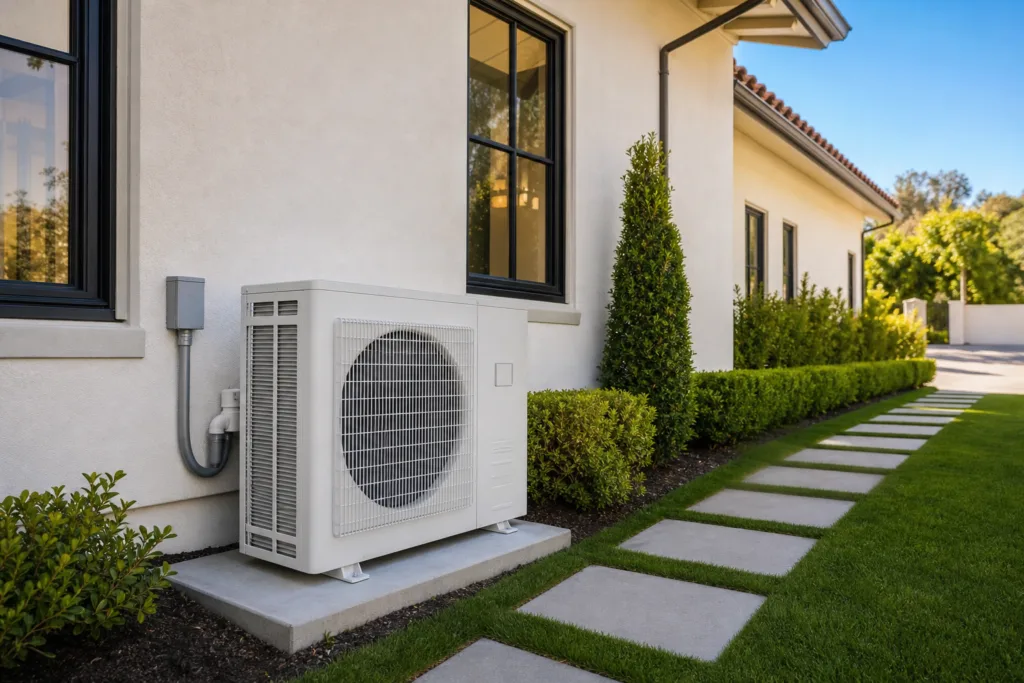
Why California Systems Need Service More Often
Maintenance intervals printed in an equipment manual assume an average American climate. Much of California is not that. A cooling system in the Central Valley may run for eight or nine months of the year, and even along the coast the combination of long shoulder seasons and heavy afternoon loads adds up to far more operating hours than a system in a four-season climate ever sees.
More run hours mean more dust pulled across the filter, more debris packed into the condenser, and more thermal cycling on electrical parts. That is why a once-a-year interval that is genuinely adequate elsewhere often is not enough here — particularly for homes with pets, homes near agricultural land, or homes on unpaved or heavily landscaped lots.
The practical version: cooling service in spring before the first stretch of hot days, heating service in fall before the first cold snap. If your home sits near fields, a busy road or the coast, plan on the outdoor coil needing attention more often than the manual suggests.
What Separates a Real Tune-Up From a Sticker on the Unit
Maintenance is the easiest HVAC service to underdeliver, because a homeowner usually cannot tell what was and was not done. A technician can spend fifteen minutes replacing a filter, hanging a service tag and driving away, and the system will feel exactly the same as it would after a genuinely thorough visit — right up until something fails.
The parts that take real time are the parts that matter: pulling and washing the condenser coil, cleaning the blower wheel, clearing the condensate line rather than glancing at it, and putting gauges and a meter on the system to see what the equipment is actually doing under load.
How to tell the difference: ask for the readings. A thorough visit produces refrigerant pressures, supply and return temperatures, the temperature split across the coil, and amp draw on the compressor and blower motor. A visit that produces only a signature and an invoice did not include measurement — and measurement is the entire diagnostic value of maintenance.
The Maintenance Visit: What to Expect
A proper visit runs roughly 60 to 90 minutes for a single system, longer if the equipment is dirty or hard to reach. Knowing the sequence makes it easy to see whether steps are being skipped.
Step 1: Interview and thermostat check. The technician should ask what you have noticed — rooms that lag, noises, run times — then verify the thermostat is calling correctly and reading accurate room temperature.
Step 2: Indoor unit. Filter inspection and sizing, blower wheel and evaporator coil condition, condensate drain cleared and the float switch tested, and on gas equipment a look at the heat exchanger, igniter and flame sensor.
Step 3: Outdoor unit. Power off, cabinet opened, coil washed from the inside out, debris cleared, fan motor and capacitor tested, and electrical connections checked and tightened.
Step 4: Measurement and report. Gauges on the service ports for refrigerant charge, a meter for amp draw, temperature readings at the supply and return, and a written report you keep. That report is the whole point of the visit.
Why Comparing Maintenance Quotes Is Worth the Effort
Homeowners tend to treat maintenance as a commodity and pick whoever answers first. That is a mistake, because two quotes using identical words can describe very different visits. One company's tune-up is a documented multi-point service with coil cleaning included; another's is a visual inspection with everything else billed as an add-on once the technician is already standing in your driveway.
Comparing three quotes surfaces those differences before you commit. It also tells you which companies use maintenance calls as a sales channel — a pattern that shows up quickly when one of the three keeps steering the conversation toward replacing equipment that is running fine.

What to line up side by side: the written task list, how many visits are included, whether coil cleaning is standard or extra, whether you receive the measured readings, what repair discount plan members get, and whether priority scheduling in peak season is guaranteed or simply implied.

What You Should Handle Between Visits
Professional service twice a year does not cover everything. A handful of small tasks between visits protects the work you paid for, and all of them take minutes.
Filters. Check monthly during heavy cooling months and change on condition rather than by the calendar. A filter that looks grey is already restricting airflow, and restricted airflow is behind a large share of the comfort complaints technicians are called out for.
Keep the outdoor unit clear. Two feet of open space on all sides, no grass clippings blown into the coil, and shrubs trimmed back so the fan can move air.
Watch the condensate line. If you can see the drain outlet, confirm it drips during cooling. Nothing coming out often means a blockage building up.
Listen at startup. A new hum, click or hesitation when the system engages is worth a phone call while it is still a minor part.
HVAC Maintenance Service Areas in California
Frequently Asked Questions
How often should an HVAC system be serviced in Southern California?
Will a tune-up fix a system that is already struggling to keep up?
Does skipping maintenance really void my equipment warranty?
How can I tell whether the coils were actually cleaned?
What should I receive at the end of a tune-up?
Which upkeep tasks are safe for a homeowner to handle alone?
If my home has two HVAC systems, does each one need its own visit?
Why does my technician keep recommending a new system during a tune-up?
Does maintenance help with rooms that never get comfortable?
What happens if I have not had my system serviced in several years?
Should the heating side be checked even though we barely use it?
Does a brand-new system still need servicing in its first years?
Related HVAC Services
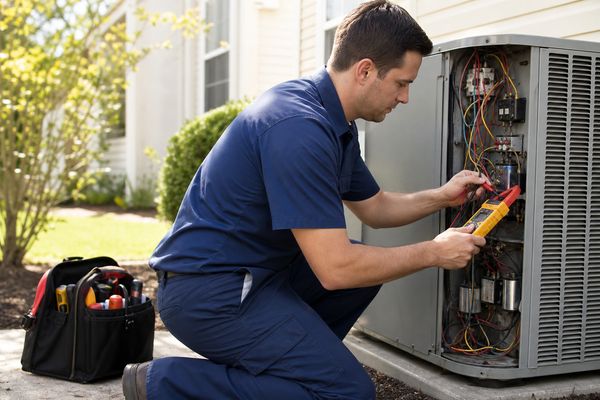
HVAC Repairs
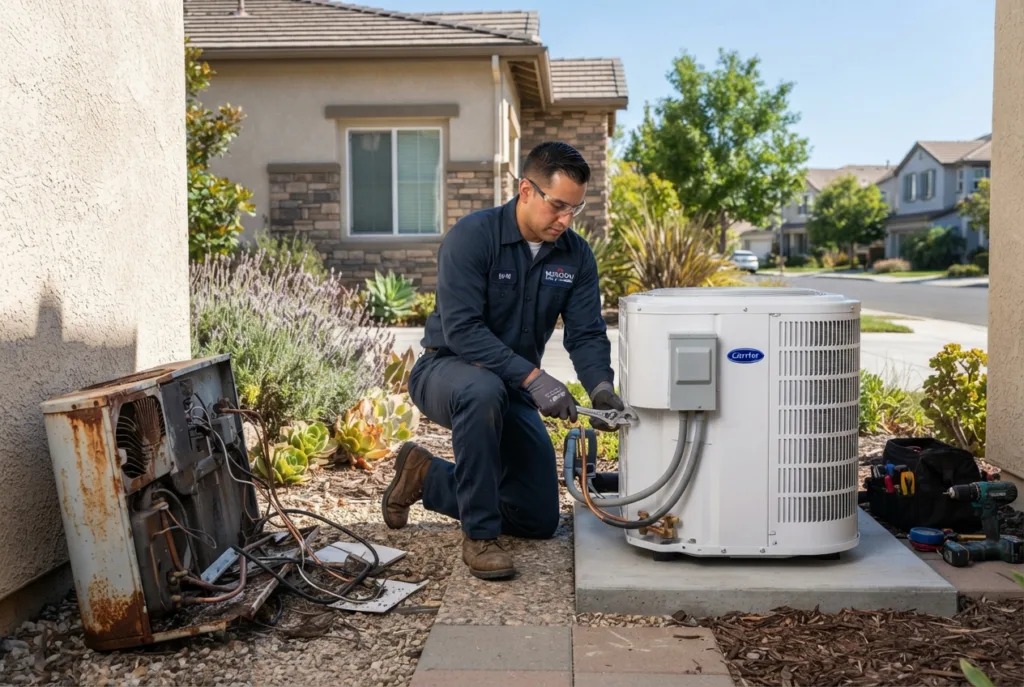
Air Conditioner Replacement
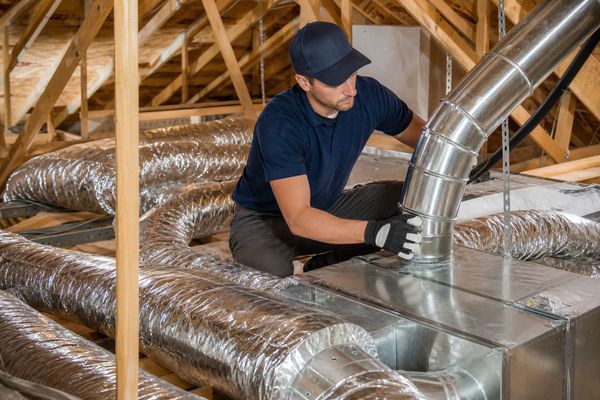
Complete Ductwork