✓ 100% Free Service  •  ✓ No Obligation  •  ✓ Licensed Pros Only
Home Complete Ductwork

Complete Ductwork Installation

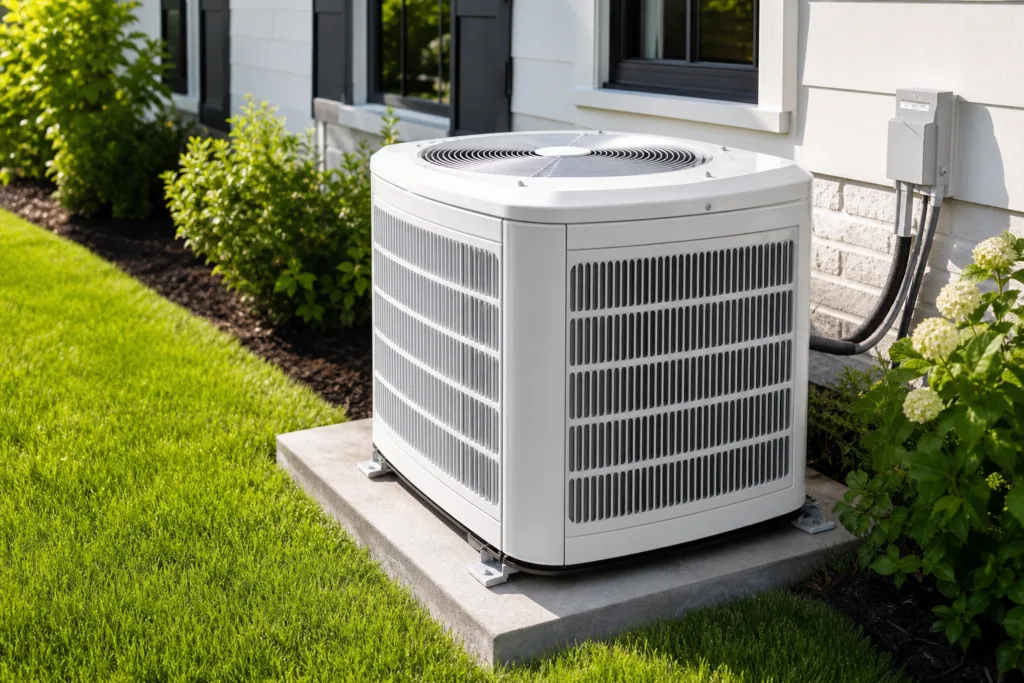
Compare quotes from licensed contractors for professional ductwork installation or replacement. Properly designed ducts for maximum comfort and efficiency.
Or call us: (888) 252-5238
Licensed & Pre-Screened Contractors
💰 Best Price Guarantee
Fast & Free — No Obligation
📊 Transparent Pricing Comparison
🏠 Local Experts Who Know Your Area
🕐 Same-Day Quotes Available
AI Matched Contractors
Our technology helps match you with trusted, top-rated HVAC pros so you can compare price, service, equipment, and warranty.
Get Your Free Quote Now
15–25
Year Lifespan
2–5
Day Install
Up to 30%
Energy Recovered
Proper
Airflow Balance
3 Free
Quotes to Compare
ductwork installation overview
Understanding Complete Ductwork

What Is Complete Ductwork Installation?

Complete ductwork installation involves designing and building an air distribution system — the network of supply and return ducts that deliver heated and cooled air throughout your home. Whether you're replacing deteriorated ducts or installing a new system from scratch, proper ductwork is essential for HVAC performance.
A complete ductwork project typically includes:

• Manual D duct design (sizing and layout)
• Supply duct runs to each room
• Return air duct system
• Trunk lines and branch connections
• Register and grille installation
• Duct sealing (mastic or approved tape)
• Insulation (R-6 to R-8 for unconditioned spaces)
• Airflow testing and balancing
Your ductwork is the hidden backbone of your HVAC system — even the most expensive furnace and AC can't perform well if the ducts delivering their output are leaky, undersized, or poorly designed.
Why New Ductwork

Top Reasons Homeowners Replace Ductwork

Leaky Ducts Waste Energy

The average home loses 20–30% of conditioned air through duct leaks. New sealed ductwork recovers that lost energy and sends it where it belongs — into your rooms.

Uneven Room Temperatures

Rooms that are always too hot or too cold often have undersized or poorly routed ducts. Properly designed ductwork delivers balanced airflow to every room.

Home Addition or Remodel

Adding rooms or changing floor plans requires extending or redesigning your duct system to serve the new spaces without starving the existing ones.

Old Flex Duct Deterioration

Flex duct in attics degrades over time — inner linings tear, insulation compresses, and connections separate. Replacement restores full airflow.

New HVAC System Installation

When replacing your HVAC equipment, it's the ideal time to evaluate ductwork. Mismatched ducts and new equipment limit the system's performance potential.
HVAC technician inspecting Complete Ductwork equipment

Ready to Compare Complete Ductwork Quotes?

Get three competing ductwork quotes. Compare design approaches, materials, and project scope — free, no obligation.
Warning Signs

6 Signs Your Ductwork Needs Attention

Poor ductwork is one of the most common — and most overlooked — reasons HVAC systems underperform. These signs point to duct problems.
Complete Ductwork warning sign - aging equipment
01

Rooms That Won't Heat or Cool

If certain rooms never reach a comfortable temperature despite your HVAC running, the ducts serving those rooms may be disconnected, collapsed, or undersized.
Complete Ductwork warning sign - rising costs
02

High Utility Bills

Leaky ducts force your HVAC system to run longer and harder to compensate for lost air. The result is unnecessarily high energy bills month after month.
Complete Ductwork warning sign - frequent issues
03

Visible Duct Damage

Crushed flex duct, disconnected joints, dangling sections in the attic, or exposed duct insulation are all signs of a system past its useful life.
Complete Ductwork warning sign - comfort problems
04

Excessive Dust

Leaky duct connections in attics and crawl spaces pull in dust, insulation particles, and other contaminants, distributing them throughout your living spaces.
Complete Ductwork warning sign - unusual symptoms
05

Musty or Stale Odors

Moisture in ductwork can breed mold and bacteria, creating unpleasant smells that circulate every time your system runs.
Complete Ductwork warning sign - outdated technology
06

Noisy Air Flow

Whistling, rattling, or rumbling from your ducts indicates restrictions, loose connections, or undersized runs that create turbulent airflow.
Family enjoying comfort after ductwork installation
The Benefits

What Proper Ductwork Delivers

💰

Balanced Room Temperatures

Properly designed and sized ducts deliver the right amount of air to every room for even comfort.
🏠

Energy Recovery

Sealed ductwork recovers the 20–30% of conditioned air typically lost through leaks and poor connections.
🔧

Cleaner Indoor Air

Sealed duct systems prevent dust, insulation fibers, and attic contaminants from entering your air supply.
🌬️

HVAC Longevity

When ducts deliver air efficiently, your HVAC equipment runs less, reducing wear and extending system life.
📈

Quieter Operation

Properly sized ducts with smooth transitions eliminate the whistling, rattling, and rumbling of undersized runs.
🤫

Peak System Performance

Your HVAC system can only perform as well as the ducts that distribute its output. New ducts unlock full potential.
Problems Solved

Problems New Ductwork Solves

Many HVAC comfort issues blamed on the furnace or AC are actually ductwork problems. New ducts address these root causes directly.

Uneven Room Temperatures

A properly designed duct system with balanced airflow delivers consistent temperatures to every room, eliminating the hot and cold spots caused by undersized or poorly routed ducts.

Dust and Allergen Circulation

Sealed, insulated ductwork prevents attic dust, insulation particles, and outside contaminants from infiltrating your air supply.

HVAC Short Cycling

Restricted or undersized ducts can cause your equipment to overheat and short-cycle. Properly sized ductwork ensures unrestricted airflow for full-cycle operation.

Wasted Energy

Every duct leak dumps conditioned air into your attic, crawl space, or walls. Sealed ductwork keeps all that heating and cooling energy in your living spaces.

Duct Noise

Whistling registers, booming trunk lines, and rattling flex duct disappear when replaced with properly sized, securely mounted ductwork.
Homeowner comfortable after ductwork installation
Buying Guide

How to Choose the Right Ductwork

Ductwork design is more complex than it looks. Understanding the basics helps you evaluate contractor proposals.

Key Ductwork Decisions

Sheet Metal vs Flex Duct
Sheet metal is more durable, handles higher airflow, and lasts longer. Flex duct is less expensive and easier to install but must be properly supported and stretched to avoid restrictions.
Manual D Design
A proper duct design uses Manual D calculations to size each run based on room-by-room heating and cooling loads. Avoid contractors who skip this step.
Sealing Method
Mastic sealant is the gold standard for duct joints. UL-181 foil tape is acceptable. Standard cloth duct tape should never be used — it dries out and fails.
Insulation
Ducts running through unconditioned spaces (attics, crawl spaces) need R-6 to R-8 insulation to prevent energy loss and condensation.

Duct Leakage Impact Guide

5% or Less Leakage — Excellent. New, properly sealed ductwork. This is the target for any new installation.
10–15% Leakage — Average existing home. Sealing may be sufficient without full replacement.
20–30% Leakage — Significant loss. Full replacement or major sealing project recommended.
Duct Blaster Test — A quantitative test that measures actual duct leakage in CFM. Ask your contractor to test before and after work.

💡 Pro Tip

1. Always get 3 ductwork quotes with matching scope and materials
2. Insist on a Manual D duct design — not guesswork
3. Ask about pre-and-post duct leakage testing
4. Specify mastic sealant at all joints (not cloth tape)
5. Verify insulation R-value for all runs in unconditioned spaces

Ready for Properly Designed Ductwork?

Compare 3 quotes from pre-screened, licensed HVAC contractors in your area. It takes 2 minutes.
bbbgoogle_5startrustpilotgoogle_guaranteedyelp
Contractor consulting homeowner about ductwork installation
Expert Advice

Pro Tips Before You Buy

1

Don't Overlook Return Air

Many homes have inadequate return air ducts, which creates pressure imbalances. A proper duct system includes sufficient return air to match supply volume.
2

Seal Everything with Mastic

Standard cloth "duct tape" fails within a few years. Mastic sealant or UL-181-rated foil tape provides permanent seals that last the life of the ductwork.
3

Insulate Ducts in Unconditioned Spaces

Ducts in attics and crawl spaces need R-6 to R-8 insulation to prevent energy loss and condensation. Uninsulated ducts in a 140°F attic waste enormous energy.
4

Get a Duct Blaster Test

A duct blaster test measures actual leakage in CFM before and after work. It's the only way to verify duct sealing quality objectively.
Repair vs Replace

Should You Repair or Replace?

🔧 Consider Repair If...

• Ducts are sheet metal in good condition
• Leakage is moderate (10–15%)
• Layout and sizing are adequate
• Issues are limited to specific joints or connections
• Sealing and minor repairs can restore performance
VS

✨ Replace If...

• Ducts are heavily damaged flex duct
• Multiple disconnected or collapsed runs
• Leakage exceeds 20%
• Ductwork is undersized for current HVAC equipment
• System was never properly designed (no Manual D)
• Home has been remodeled with new room layouts

Complete Guide

The Complete Guide to Complete Ductwork

Complete Ductwork planning guide

Why Ductwork Matters More Than You Think

Your ductwork is the delivery system for every dollar you spend on heating and cooling. Even the most efficient furnace and AC can't overcome ducts that leak, restrict, or misdirect airflow.

Studies consistently show that the average home loses 20–30% of conditioned air through duct leaks before it reaches the living spaces. That means up to a third of your HVAC energy spending is literally heating and cooling your attic, walls, and crawl spaces.

Beyond energy waste, poor ductwork causes comfort issues (uneven temperatures), air quality problems (dust and contaminant infiltration), and premature HVAC equipment failure (from restricted airflow and pressure imbalances).

Duct Materials and Their Advantages

Different duct materials suit different situations. Understanding the options helps you evaluate what contractors propose:

Complete Ductwork technology comparison

Sheet Metal (Galvanized Steel): The most durable option with the longest lifespan. Handles high airflow volumes, resists crushing, and can be custom-fabricated to fit any layout. Preferred for main trunk lines and accessible areas.

Flexible Duct: Wire-reinforced flexible tubing with insulation. Easier and less expensive to install, especially in tight attic spaces. Must be properly supported and stretched taut — kinked or sagging flex duct severely restricts airflow.

Duct Board: Fiberglass panels fabricated into rectangular ducts. Good insulation properties and relatively quiet. Less durable than sheet metal and susceptible to moisture damage in humid environments.

Complete Ductwork installation process

The Ductwork Installation Process

A complete ductwork installation is a multi-day project that involves careful planning, precise fabrication, and thorough testing:

Design Phase: A Manual D calculation determines the size, layout, and airflow requirements for each duct run based on your home's heating and cooling loads, room sizes, and register locations.

Installation: Old ductwork is removed, trunk lines are fabricated and hung, branch runs are connected, and registers/grilles are installed. All joints are sealed with mastic and ducts in unconditioned spaces are insulated.

Testing & Balancing: After installation, airflow is measured at each register and balanced using dampers. A duct blaster test verifies total system leakage meets the target threshold.

Evaluating Ductwork Quotes

Ductwork quotes vary widely based on material choices, design approach, and scope of work. Here's what to look for:

Complete Ductwork quote comparison

Design Methodology: Does the contractor reference Manual D calculations, or are they sizing based on experience? Proper design prevents under-sized and over-sized ducts that cause comfort and efficiency problems.

Material Specifications: What material for trunk lines vs branches? What gauge sheet metal? What type of insulation and R-value? These details separate quality installations from quick jobs.

Testing Protocol: Will the contractor perform pre-and-post duct leakage testing? This is the only way to verify the quality of the sealing work objectively.

Complete Ductwork maintenance tips

Maintaining Your Ductwork Long-Term

Once installed, ductwork requires minimal but important maintenance to stay in good condition:

Annually: Have your HVAC technician visually inspect accessible duct sections during routine maintenance. Look for disconnected joints, damaged insulation, and sagging flex duct.

Every 3–5 Years: Consider professional duct cleaning if you notice excessive dust, musty odors, or have completed a renovation that may have introduced construction debris into the system.

After Any Renovation: Whenever you modify your home's layout, have your ductwork evaluated to ensure it still delivers adequate airflow to all rooms, especially if walls were moved or rooms were added.

Where We Serve

Ductwork Installation Service Areas in California

We connect homeowners with licensed contractors for professional ductwork installation and replacement quotes.
📍 Los Angeles County
📍 Orange County
📍 Riverside County
📍 San Bernardino County
📍 Kern County
📍 Tulare County
📍 Fresno County
📍 Ventura County
Common Questions

Complete Ductwork FAQ

How long does ductwork installation take?

A complete ductwork replacement typically takes 2–5 days depending on home size, accessibility, and complexity. Partial replacements or sealing projects may take 1–2 days.

How do I know if my ducts need replacing vs sealing?

If ducts are structurally intact but leaky, sealing may be sufficient. If they're crushed, disconnected, undersized, or deteriorated, replacement is the better investment.

Should I replace ductwork when getting a new HVAC system?

If your ductwork is over 15 years old or showing signs of deterioration, yes. New equipment on old, leaky ducts wastes the efficiency gains you're paying for.

What's better — sheet metal or flex duct?

Sheet metal is more durable and handles higher airflow, but costs more. Flex duct is acceptable for branch runs if properly installed. Many contractors use a combination of both.

How much airflow am I losing to duct leaks?

A duct blaster test measures exact leakage. The average home loses 20–30% of conditioned air through duct leaks. Even well-maintained older systems typically lose 10–15%.

Will new ductwork lower my energy bills?

Yes. Sealed, properly sized ductwork recovers the 20–30% of conditioned air typically lost through leaks, reducing the runtime your HVAC system needs to maintain comfort.

Do I need a permit for ductwork?

In many jurisdictions, yes — especially for new installations or significant modifications. Licensed contractors handle permit requirements and ensure code compliance.

How long does ductwork last?

Sheet metal ductwork can last 20–30+ years with proper maintenance. Flex duct typically lasts 15–25 years before the inner liner and insulation begin deteriorating.

What is Manual D design?

Manual D is the ACCA-standard method for designing duct systems. It calculates the size, layout, and airflow for each duct run based on your home's specific heating and cooling loads.

Should I get my ducts cleaned?

Duct cleaning can help if you have visible mold, excessive dust, or vermin infestation. For routine maintenance, changing your filter regularly has a bigger impact on air quality.

Can ductwork be installed in a home without existing ducts?

Yes, though it may require building soffits, dropping ceilings, or routing through closets and chases. The alternative is a ductless mini split system.

Is financing available?

Yes. Many HVAC contractors offer financing for ductwork projects, especially when combined with equipment replacement. Compare financing terms alongside project quotes.
Explore More

Related HVAC Services

Complete HVAC System

Complete HVAC System

Replace your entire heating and cooling system along with ductwork for peak performance.
Furnace Replacement

Furnace Replacement

Pair new ductwork with a modern furnace for maximum heating efficiency.
Indoor Air Quality

Indoor Air Quality

Clean, sealed ducts combined with air purification for the healthiest indoor air.
AC Only

AC Only

New air conditioner to complement your ductwork upgrade for complete cooling performance.

Ready for Properly Designed Ductwork?

Compare 3 free ductwork quotes from licensed contractors. Sealed, sized, and balanced for maximum comfort — no obligation.