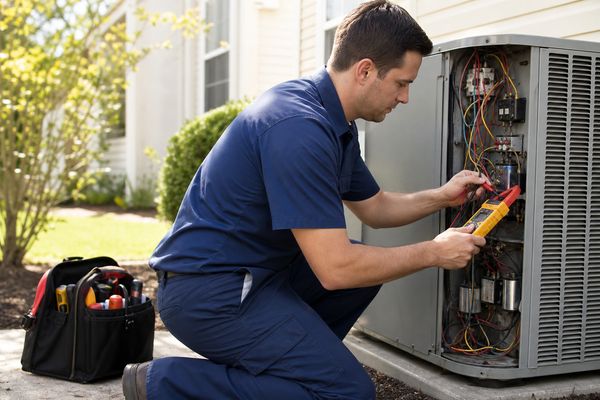
Furnace Only Installation

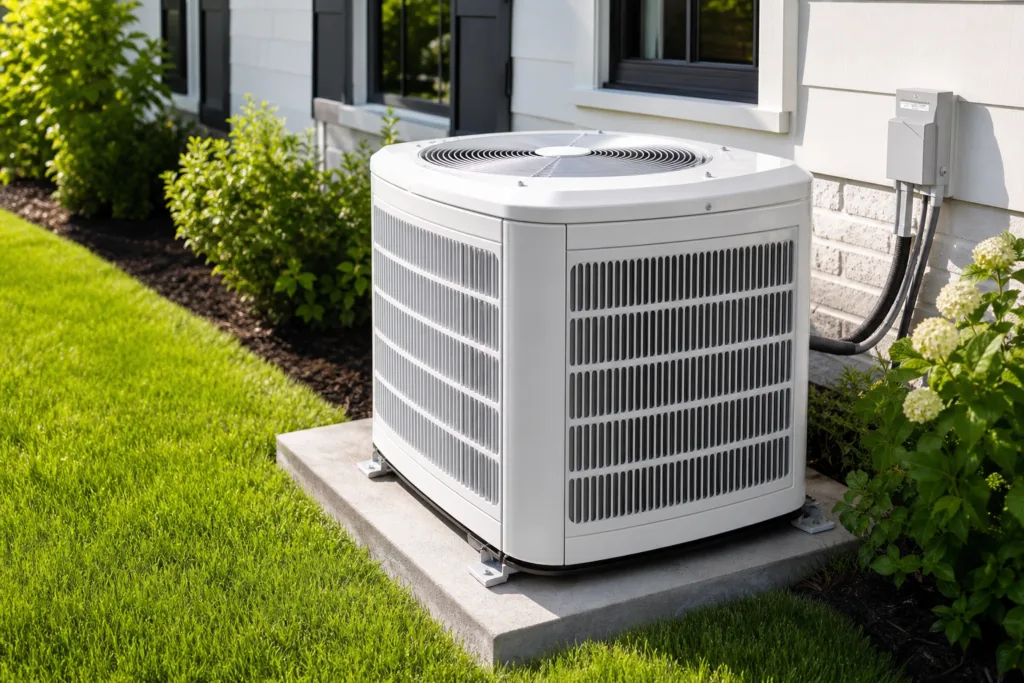
What Is a Furnace-Only Replacement?
• Removal and disposal of old furnace
• New high-efficiency gas or electric furnace
• Gas line and venting inspection or modification
• Electrical connections and safety controls
• Thermostat compatibility check or upgrade
• Full combustion analysis and safety testing
Top Reasons Homeowners Replace Their Furnace
Aging Equipment
Rising Heating Bills
Safety Concerns
Uneven Heating
Frequent Repairs
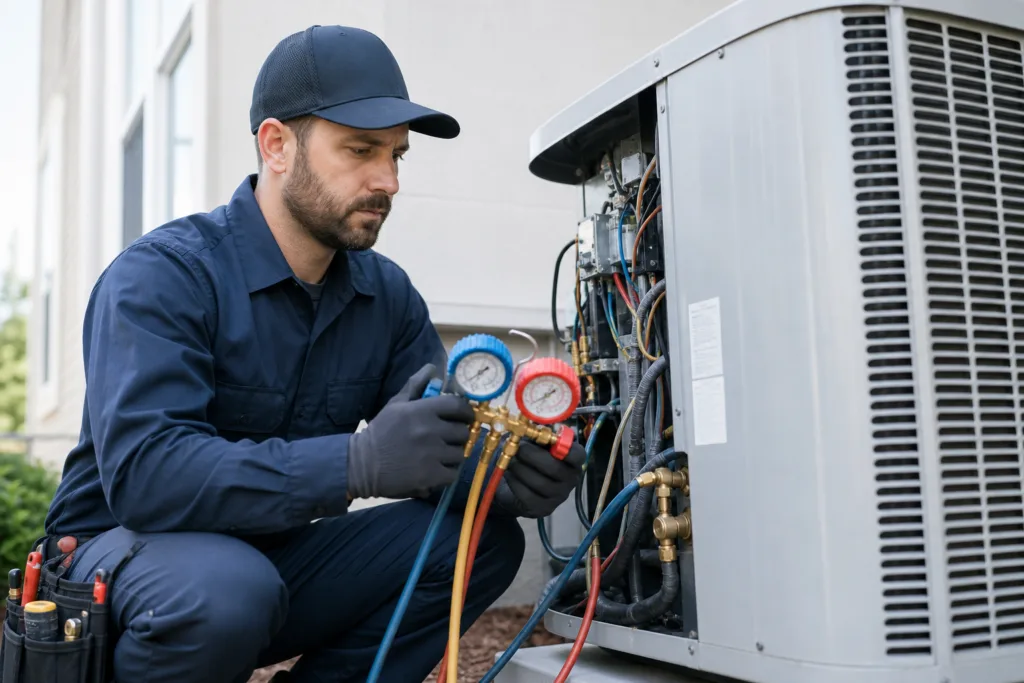
Ready to Compare Furnace Only Quotes?
6 Signs Your Furnace Needs Replacement
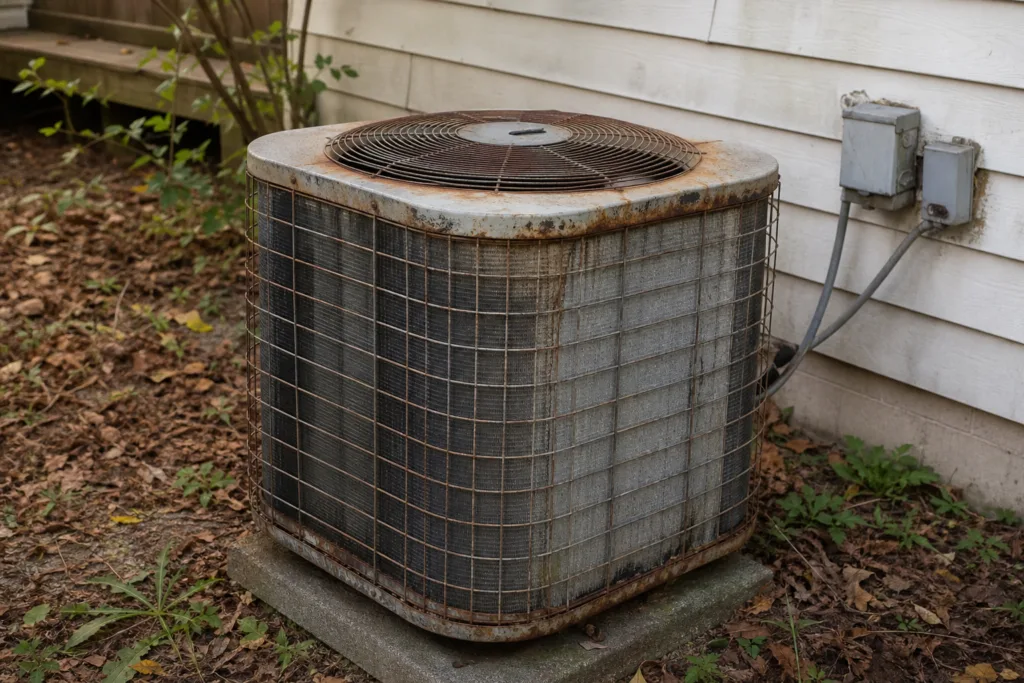
Furnace Is 15+ Years Old
Yellow Burner Flame
Cracked Heat Exchanger

Strange Noises
Frequent Cycling
Persistent Dust or Dry Air
What a New Furnace Delivers
Lower Heating Bills
Consistent Warmth
Enhanced Safety
Quieter Operation
Better Air Quality
Reliable Performance
Issues a New Furnace Resolves
Cold Rooms & Hot Spots
Carbon Monoxide Risk
Noisy Operation
Temperature Swings
Wasted Energy
How to Choose the Right Furnace
Key Factors in Furnace Selection
Annual Fuel Utilization Efficiency measures how much fuel converts to heat. Standard models run 80% AFUE; high-efficiency condensing models run 95–98% AFUE.
Natural gas is most common. Propane, oil, and electric furnaces are available for homes without gas service. Fuel type affects operating costs significantly.
Single-stage furnaces run at full capacity or off. Two-stage units have high and low settings. Modulating furnaces adjust continuously for the best comfort and efficiency.
Variable-speed ECM motors use less electricity, run quieter, and distribute heat more evenly than standard PSC motors.
AFUE Efficiency Guide
💡 Pro Tip
2. Ask about venting requirements (80% vs 95%+ require different venting)
3. Check gas line sizing — high-efficiency units may need upgrades
4. Ask about smart thermostat compatibility
5. Consider a maintenance plan to protect your investment
Ready to Find Your Perfect Furnace?





Pro Tips Before You Buy
Get a Combustion Analysis
Check Your Ductwork
Understand Venting Requirements
Don't Skip the Warranty Registration
Should You Repair or Replace?
🔧 Consider Repair If...
• Issue is a single component (igniter, blower motor, control board)
• Heat exchanger is intact
• System still heats effectively when running
• First major repair on this unit
✨ Replace If...
• Heat exchanger is cracked
• Carbon monoxide detected
• Multiple repairs in recent years
• Heating bills rising steadily
• Unit uses a standing pilot light (very old technology)
Complete Guide
The Complete Guide to Furnace Only
Understanding When Your Furnace Needs Replacement
Gas furnaces are among the longest-lasting HVAC components, often running 20–25 years with proper maintenance. But efficiency declines over time, and safety risks increase as heat exchangers age and components wear.
Start by finding your furnace's age — the serial number plate usually includes the manufacture date. If your furnace is past the 15-year mark, schedule an inspection specifically to check the heat exchanger, as cracks develop from years of thermal cycling and can leak carbon monoxide.
Document your winter heating costs over the past few years. If they're climbing without a clear explanation, your furnace is likely losing efficiency — and a modern replacement could recoup the investment through lower gas bills.
Modern Furnace Technology Explained
Today's furnaces are dramatically different from the systems installed 15–20 years ago. Understanding the key advances helps you make sense of contractor proposals.
Condensing Technology: High-efficiency furnaces extract additional heat from exhaust gases by condensing water vapor. This is why 95%+ AFUE models need a condensate drain — they're literally wringing extra heat from the combustion process.
Modulating Gas Valves: Instead of full-on or full-off, modulating valves adjust flame size continuously to match heating demand. The result is steady temperatures without the blast-of-hot-air cycling common with older furnaces.
Variable-Speed ECM Blowers: These brushless motors adjust airflow speed to match system demand, using significantly less electricity while delivering more even air distribution throughout your home.
The Furnace Replacement Process
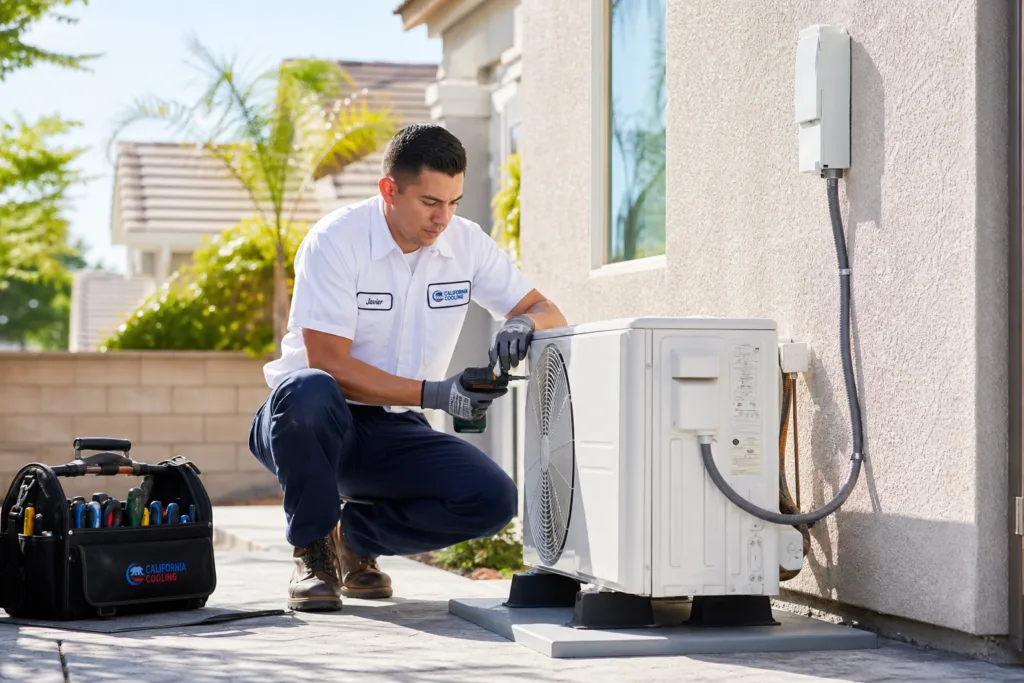
A furnace replacement is typically a one-day project for a straightforward swap, though high-efficiency upgrades that require venting changes may take two days:
Preparation: The crew protects flooring, disconnects gas and electrical supply, and removes the old furnace. Gas and venting connections are inspected for code compliance.
Installation: The new furnace is positioned, gas piping connected, electrical wired, and venting installed (PVC for condensing models, metal flue for standard). A condensate drain is added for high-efficiency models.
Testing: The technician performs a full combustion analysis, checks for gas leaks, verifies thermostat operation, and runs the system through multiple heating cycles. You receive a walkthrough on operation and filter maintenance.
Comparing Furnace Quotes Effectively
Furnace quotes can vary significantly between contractors. Knowing what to compare helps you identify the best value rather than just the lowest number.

AFUE and Staging: Ensure you're comparing the same efficiency level and staging type. An 80% AFUE single-stage quote is not comparable to a 96% AFUE modulating quote — they're entirely different products.
Venting Scope: If upgrading from standard to high-efficiency, venting conversion costs can vary. Some contractors include full PVC venting in their base price while others list it separately.
Warranty Coverage: Compare both manufacturer warranty (parts) and contractor warranty (labor). Premium brands often offer 10-year or lifetime heat exchanger warranties when installed by certified dealers.
Maintaining Your New Furnace
Proper maintenance maximizes your furnace's lifespan and keeps it running at rated efficiency:
Monthly: Check and replace your air filter. A clogged filter restricts airflow, forcing your furnace to work harder and potentially overheating the heat exchanger.
Before Heating Season: Clear any items stored near the furnace — maintain clearance per manufacturer specifications. Check that all vents and registers are open and unobstructed.
Annually: Schedule professional maintenance in early fall. A technician inspects the heat exchanger, cleans burners, checks gas pressure, tests safety controls, and performs a combustion analysis.
Furnace Replacement Service Areas in California
Furnace Only FAQ
Does California's Title 24 energy code add extra steps to a furnace swap?
Should I consider a heat pump instead of a new gas furnace in California?
Do I need to replace my AC when replacing the furnace?
Can I switch from an 80% to a 95%+ AFUE furnace?
How long will my new furnace last?
How do I know if my furnace is old enough to need a full safety inspection?
Does California require seismic strapping for a new furnace installation?
What size furnace do I need?
Should I get a single-stage or two-stage furnace?
Will a new furnace lower my gas bill?
What brands are most reliable?
Are there California utility rebates for upgrading an old furnace?
Related HVAC Services
Complete HVAC System
Heat Pumps
Complete Ductwork