✓ 100% Free Service  •  ✓ No Obligation  •  ✓ Licensed Pros Only
Home Furnace Only

Furnace Only Installation

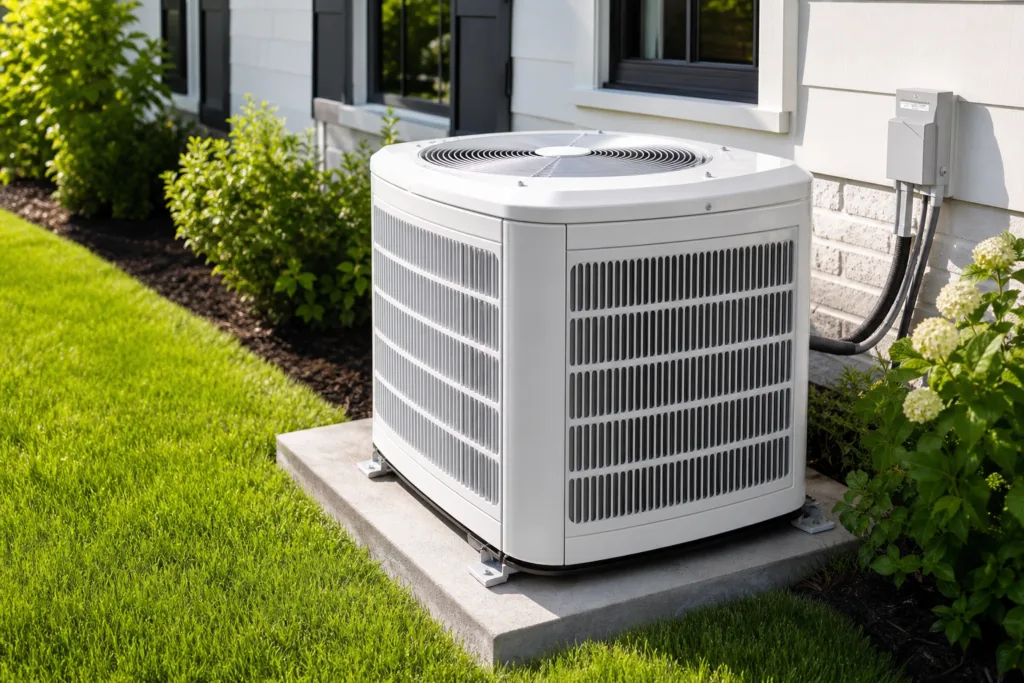
Compare quotes from licensed heating contractors and save on your furnace replacement. Modern high-efficiency models for lower bills and better comfort.
Or call us: (888) 252-5238
Licensed & Pre-Screened Contractors
💰 Best Price Guarantee
Fast & Free — No Obligation
📊 Transparent Pricing Comparison
🏠 Local Experts Who Know Your Area
🕐 Same-Day Quotes Available
AI Matched Contractors
Our technology helps match you with trusted, top-rated HVAC pros so you can compare price, service, equipment, and warranty.
Get Your Free Quote Now
20–30
Year Lifespan
1–2
Day Install
Up to 30%
Heating Savings
95%+
AFUE Rating
3 Free
Quotes to Compare
furnace replacement overview
Understanding Furnace Only

What Is a Furnace-Only Replacement?

A furnace-only replacement swaps out your aging heating unit for a modern high-efficiency model while keeping your existing air conditioner in place. This focused approach saves you from replacing equipment that still has years of service life remaining.
A furnace replacement typically includes:

• Removal and disposal of old furnace
• New high-efficiency gas or electric furnace
• Gas line and venting inspection or modification
• Electrical connections and safety controls
• Thermostat compatibility check or upgrade
• Full combustion analysis and safety testing
Modern furnaces operate at 95%+ AFUE efficiency, meaning nearly all fuel converts to heat — a dramatic improvement over older 80% AFUE models that waste 20 cents of every heating dollar up the flue.
Why a New Furnace

Top Reasons Homeowners Replace Their Furnace

Aging Equipment

Furnaces over 15–20 years old lose efficiency and reliability. Modern units deliver significantly better performance and come with comprehensive warranties.

Rising Heating Bills

If your winter gas bills keep climbing despite normal usage, your old furnace is burning more fuel to produce the same heat output.

Safety Concerns

Older furnaces can develop cracked heat exchangers, which pose carbon monoxide risks. A new furnace eliminates this danger with modern safety controls.

Uneven Heating

Cold spots and temperature variations between rooms signal your furnace can no longer deliver consistent, even heating throughout your home.

Frequent Repairs

When repair calls become routine and parts become harder to find, investing in a new furnace ends the cycle and starts fresh with a full warranty.
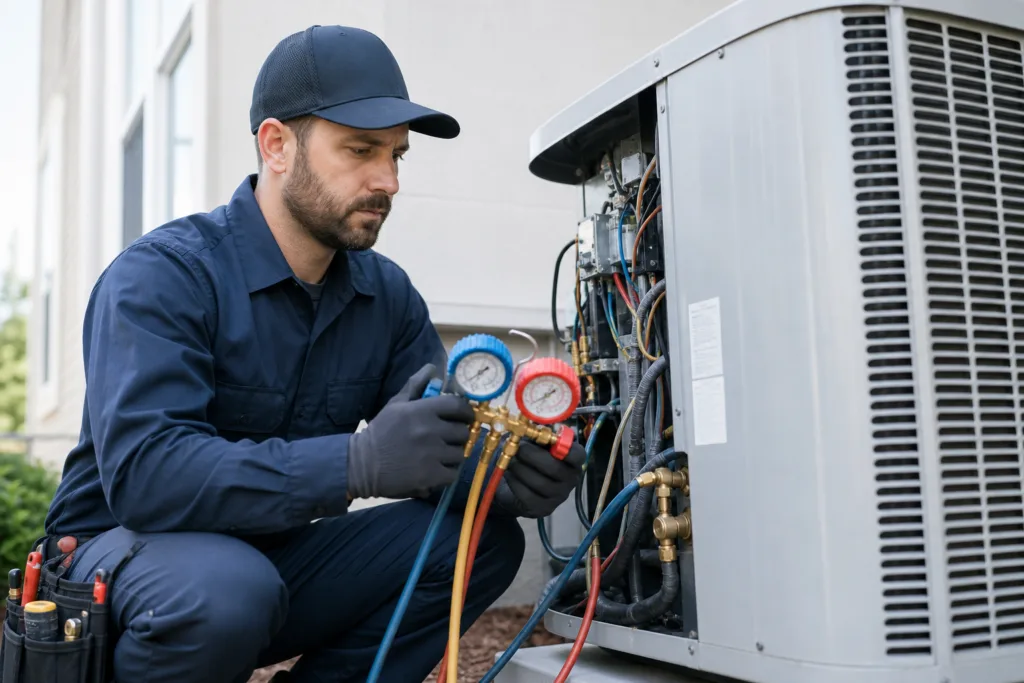
HVAC technician inspecting Furnace Only equipment

Ready to Compare Furnace Only Quotes?

Get three competing bids for your furnace replacement. Compare equipment, efficiency ratings, and warranties side by side — free, no obligation.
Warning Signs

6 Signs Your Furnace Needs Replacement
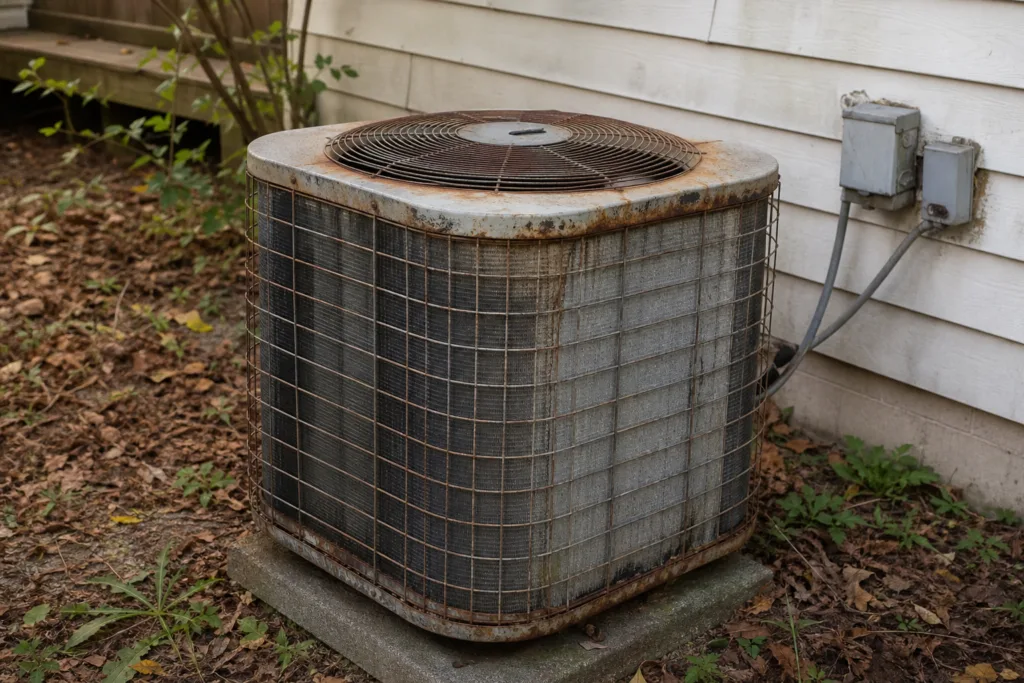
Not sure if your furnace needs replacing? These warning signs indicate your heating system is approaching the end of its useful life.
Furnace Only warning sign - aging equipment
01

Furnace Is 15+ Years Old

Gas furnaces typically last 15–25 years. If yours is past the midpoint, efficiency has declined and replacement parts may be harder to find.
Furnace Only warning sign - rising costs
02

Yellow Burner Flame

A healthy furnace produces a blue flame. A yellow or flickering flame can indicate incomplete combustion and potential carbon monoxide production.
Furnace Only warning sign - frequent issues
03

Cracked Heat Exchanger

A cracked heat exchanger is the most serious furnace issue — it can leak carbon monoxide into your home. Replacement of the furnace is typically required.
Furnace Only warning sign - comfort problems
04

Strange Noises

Banging, popping, or squealing from your furnace during operation signals worn-out components that are at risk of failure.
Furnace Only warning sign - unusual symptoms
05

Frequent Cycling

A furnace that constantly turns on and off is struggling to maintain temperature, wasting energy and shortening the life of its components.
Furnace Only warning sign - outdated technology
06

Persistent Dust or Dry Air

Excessive dust, dry skin, or static electricity during heating season can indicate your furnace is no longer filtering and humidifying air properly.
Family enjoying comfort after furnace replacement
The Benefits

What a New Furnace Delivers

💰

Lower Heating Bills

Save up to 30% on winter heating costs with a high-efficiency condensing furnace.
🏠

Consistent Warmth

Variable-speed blowers deliver steady, even heat to every room without temperature swings.
🔧

Enhanced Safety

Modern furnaces include multiple safety controls, sealed combustion, and electronic ignition.
🌬️

Quieter Operation

Variable-speed blowers and insulated cabinets make modern furnaces dramatically quieter than older models.
📈

Better Air Quality

Advanced blower technology moves air more evenly through filters, removing more dust and allergens.
🤫

Reliable Performance

New furnaces backed by 10–20 year warranties deliver dependable heating season after season.
Problems Solved

Issues a New Furnace Resolves

If your heating system is causing any of these problems, a new furnace addresses the root cause rather than just masking symptoms.

Cold Rooms & Hot Spots

Variable-speed blowers in modern furnaces distribute heat evenly throughout your entire home, eliminating the room-to-room temperature differences common with older single-speed models.

Carbon Monoxide Risk

A new furnace with sealed combustion and modern heat exchangers eliminates the CO risks associated with aging equipment and cracked heat exchangers.

Noisy Operation

Insulated cabinets, variable-speed blowers, and modern burner technology reduce furnace noise to nearly undetectable levels during normal operation.

Temperature Swings

Modulating gas valves and variable-speed blowers maintain steady temperatures instead of the blast-of-heat-then-nothing cycling of older single-stage units.

Wasted Energy

High-efficiency condensing furnaces extract heat from exhaust gases that older models vent directly outside, capturing up to 98% of fuel energy.
Homeowner comfortable after furnace replacement
Buying Guide

How to Choose the Right Furnace

Understanding furnace types and efficiency ratings helps you compare quotes with confidence.

Key Factors in Furnace Selection

AFUE Rating
Annual Fuel Utilization Efficiency measures how much fuel converts to heat. Standard models run 80% AFUE; high-efficiency condensing models run 95–98% AFUE.
Fuel Type
Natural gas is most common. Propane, oil, and electric furnaces are available for homes without gas service. Fuel type affects operating costs significantly.
Staging
Single-stage furnaces run at full capacity or off. Two-stage units have high and low settings. Modulating furnaces adjust continuously for the best comfort and efficiency.
Blower Motor
Variable-speed ECM motors use less electricity, run quieter, and distribute heat more evenly than standard PSC motors.

AFUE Efficiency Guide

80% AFUE (Standard) — Minimum efficiency. Non-condensing with conventional venting. Lowest upfront cost but higher gas bills.
90–92% AFUE — Mid-efficiency condensing furnace. Requires PVC venting but delivers meaningful fuel savings over standard models.
95–98% AFUE — High-efficiency condensing. Maximum fuel savings with sealed combustion for added safety.
Modulating + Variable-Speed — The ultimate in comfort. Adjusts flame and airflow continuously for steady temperatures and whisper-quiet operation.

💡 Pro Tip

1. Always compare 3 furnace quotes with matching AFUE ratings
2. Ask about venting requirements (80% vs 95%+ require different venting)
3. Check gas line sizing — high-efficiency units may need upgrades
4. Ask about smart thermostat compatibility
5. Consider a maintenance plan to protect your investment

Ready to Find Your Perfect Furnace?

Compare 3 quotes from pre-screened, licensed HVAC contractors in your area. It takes 2 minutes.
bbbgoogle_5startrustpilotgoogle_guaranteedyelp
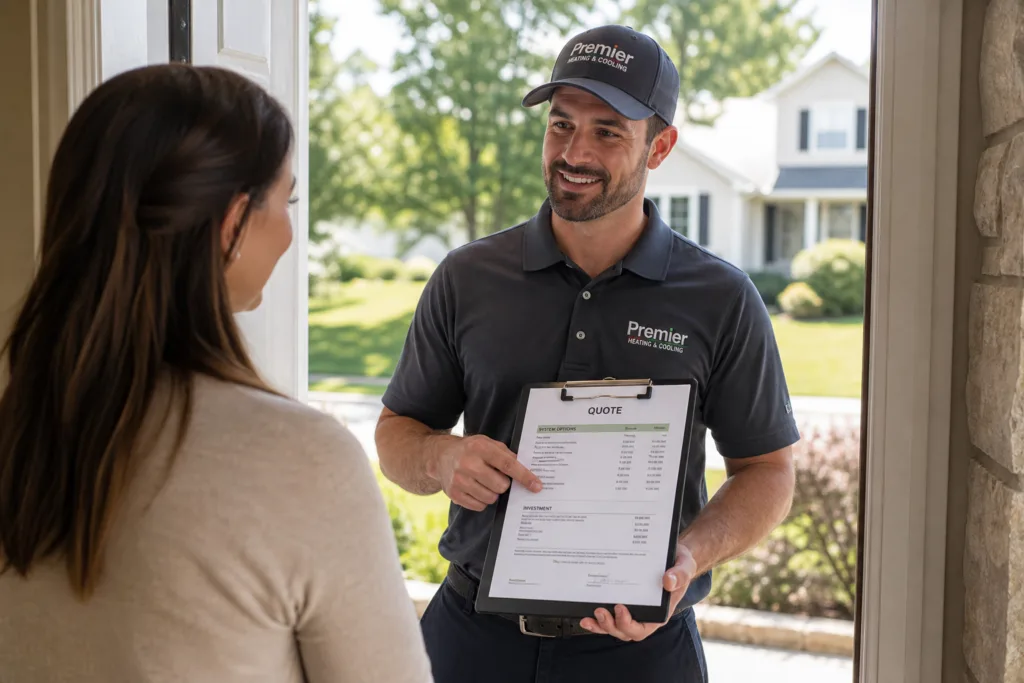
Contractor consulting homeowner about furnace replacement
Expert Advice

Pro Tips Before You Buy

1

Get a Combustion Analysis

After installation, insist on a combustion analysis to verify proper gas pressure, CO levels, and flue draft. This confirms safe, efficient operation from day one.
2

Check Your Ductwork

Leaky ducts lose 20–30% of heated air before it reaches your rooms. Have ducts inspected and sealed when installing a new furnace for maximum efficiency.
3

Understand Venting Requirements

High-efficiency (90%+) furnaces need PVC venting through a sidewall rather than a chimney flue. This may affect placement options and installation cost.
4

Don't Skip the Warranty Registration

Most manufacturers require warranty registration within 60–90 days of installation. Confirm your contractor handles this or do it yourself immediately.
Repair vs Replace

Should You Repair or Replace?

🔧 Consider Repair If...

• Furnace is less than 12 years old
• Issue is a single component (igniter, blower motor, control board)
• Heat exchanger is intact
• System still heats effectively when running
• First major repair on this unit
VS

✨ Replace If...

• Furnace is 15+ years old
• Heat exchanger is cracked
• Carbon monoxide detected
• Multiple repairs in recent years
• Heating bills rising steadily
• Unit uses a standing pilot light (very old technology)

Complete Guide

The Complete Guide to Furnace Only

Furnace Only planning guide

Understanding When Your Furnace Needs Replacement

Gas furnaces are among the longest-lasting HVAC components, often running 20–25 years with proper maintenance. But efficiency declines over time, and safety risks increase as heat exchangers age and components wear.

Start by finding your furnace's age — the serial number plate usually includes the manufacture date. If your furnace is past the 15-year mark, schedule an inspection specifically to check the heat exchanger, as cracks develop from years of thermal cycling and can leak carbon monoxide.

Document your winter heating costs over the past few years. If they're climbing without a clear explanation, your furnace is likely losing efficiency — and a modern replacement could recoup the investment through lower gas bills.

Modern Furnace Technology Explained

Today's furnaces are dramatically different from the systems installed 15–20 years ago. Understanding the key advances helps you make sense of contractor proposals.

Furnace Only technology comparison

Condensing Technology: High-efficiency furnaces extract additional heat from exhaust gases by condensing water vapor. This is why 95%+ AFUE models need a condensate drain — they're literally wringing extra heat from the combustion process.

Modulating Gas Valves: Instead of full-on or full-off, modulating valves adjust flame size continuously to match heating demand. The result is steady temperatures without the blast-of-hot-air cycling common with older furnaces.

Variable-Speed ECM Blowers: These brushless motors adjust airflow speed to match system demand, using significantly less electricity while delivering more even air distribution throughout your home.
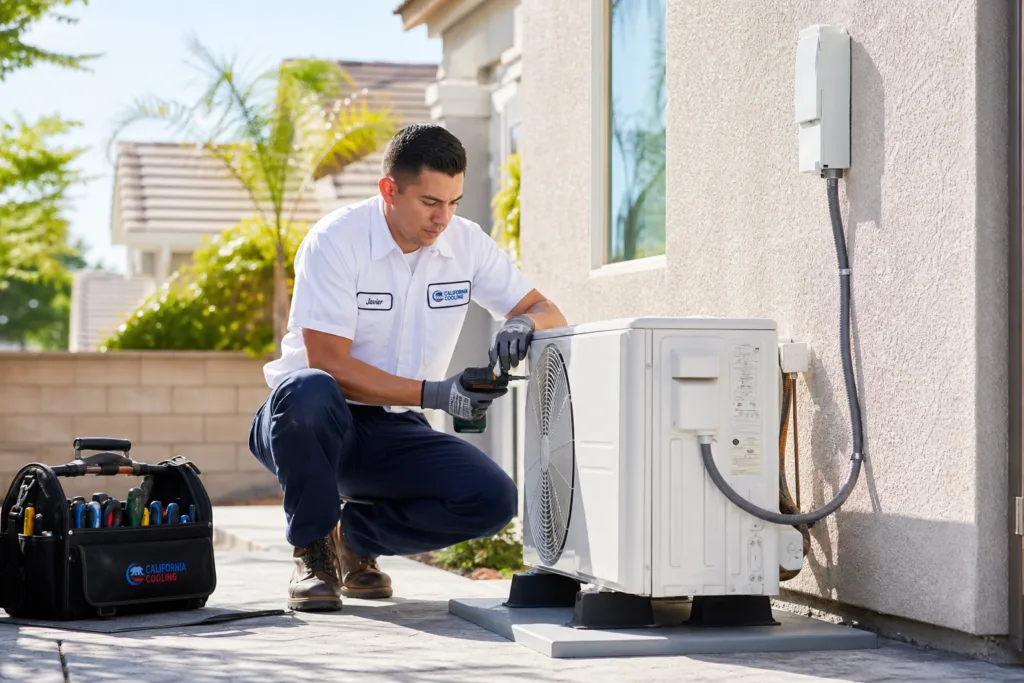
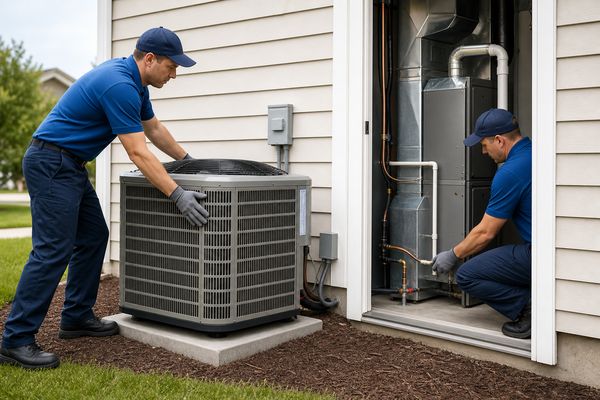
Furnace Only installation process

The Furnace Replacement Process

A furnace replacement is typically a one-day project for a straightforward swap, though high-efficiency upgrades that require venting changes may take two days:

Preparation: The crew protects flooring, disconnects gas and electrical supply, and removes the old furnace. Gas and venting connections are inspected for code compliance.

Installation: The new furnace is positioned, gas piping connected, electrical wired, and venting installed (PVC for condensing models, metal flue for standard). A condensate drain is added for high-efficiency models.

Testing: The technician performs a full combustion analysis, checks for gas leaks, verifies thermostat operation, and runs the system through multiple heating cycles. You receive a walkthrough on operation and filter maintenance.

Comparing Furnace Quotes Effectively

Furnace quotes can vary significantly between contractors. Knowing what to compare helps you identify the best value rather than just the lowest number.

Furnace Only quote comparison

AFUE and Staging: Ensure you're comparing the same efficiency level and staging type. An 80% AFUE single-stage quote is not comparable to a 96% AFUE modulating quote — they're entirely different products.

Venting Scope: If upgrading from standard to high-efficiency, venting conversion costs can vary. Some contractors include full PVC venting in their base price while others list it separately.

Warranty Coverage: Compare both manufacturer warranty (parts) and contractor warranty (labor). Premium brands often offer 10-year or lifetime heat exchanger warranties when installed by certified dealers.
Furnace Only maintenance tips

Maintaining Your New Furnace

Proper maintenance maximizes your furnace's lifespan and keeps it running at rated efficiency:

Monthly: Check and replace your air filter. A clogged filter restricts airflow, forcing your furnace to work harder and potentially overheating the heat exchanger.

Before Heating Season: Clear any items stored near the furnace — maintain clearance per manufacturer specifications. Check that all vents and registers are open and unobstructed.

Annually: Schedule professional maintenance in early fall. A technician inspects the heat exchanger, cleans burners, checks gas pressure, tests safety controls, and performs a combustion analysis.

Where We Serve

Furnace Replacement Service Areas in California

We connect homeowners with licensed heating contractors for furnace replacement quotes across these regions.
📍 Los Angeles County
📍 Orange County
📍 Riverside County
📍 San Bernardino County
📍 Kern County
📍 Tulare County
📍 Fresno County
📍 Ventura County
Common Questions

Furnace Only FAQ

How long does furnace replacement take?

Most furnace replacements are completed in one day. Upgrades from standard to high-efficiency that require venting changes may take an additional half day.

What AFUE rating should I choose?

For most homes, 95%+ AFUE condensing furnaces offer the best balance of efficiency and value. The 80% models cost less upfront but waste more fuel over their lifetime.

Do I need to replace my AC when replacing the furnace?

Not necessarily. If your AC is under 10 years old and working well, a furnace-only replacement is perfectly fine. Your contractor will verify the systems are compatible.

Can I switch from an 80% to a 95%+ AFUE furnace?

Yes, but it requires venting changes — from metal chimney flue to PVC sidewall venting. Most contractors include this in their high-efficiency upgrade quotes.

How long will my new furnace last?

A properly maintained gas furnace typically lasts 20–30 years. Regular filter changes and annual professional maintenance are the keys to reaching full lifespan.

Is a cracked heat exchanger dangerous?

Yes. A cracked heat exchanger can leak carbon monoxide into your home's air supply. If a technician identifies a crack, furnace replacement is typically recommended immediately.

Do I need a permit?

Yes, furnace replacement requires a permit and inspection in most jurisdictions. Licensed contractors handle the permit process and ensure work meets local codes.

What size furnace do I need?

Furnace size is measured in BTUs. A Manual J calculation determines the right size based on your home's square footage, insulation, windows, and climate zone.

Should I get a single-stage or two-stage furnace?

Two-stage and modulating furnaces deliver significantly better comfort with more even temperatures and quieter operation. Single-stage is the budget option.

Will a new furnace lower my gas bill?

Yes. Upgrading from an 80% AFUE furnace to a 95%+ AFUE model means you're converting nearly all fuel to heat instead of sending 20% up the flue.

What brands are most reliable?

Top furnace brands include Carrier, Trane, Lennox, Rheem, Goodman, and Bryant. Installation quality matters as much as brand — choose a qualified contractor.

Is financing available?

Most contractors offer financing options. Compare financing terms alongside equipment quotes to find the best combination of monthly payment and total cost.
Explore More

Related HVAC Services

Complete HVAC System
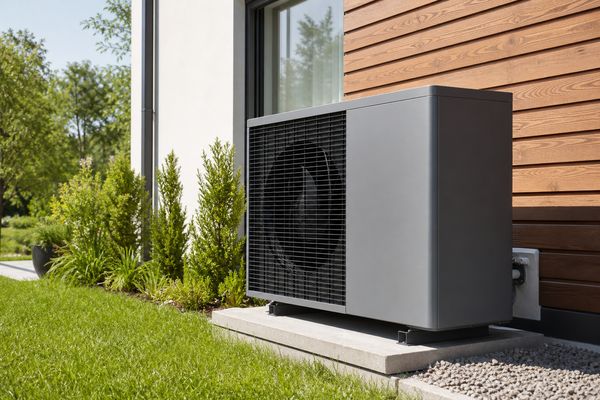
Complete HVAC System

Replace both heating and cooling together for matched efficiency and one-time installation.
Heat Pumps

Heat Pumps

All-electric heating and cooling in one system — ideal for mild California winters.
Complete Ductwork

Complete Ductwork

Maximize your new furnace's performance with properly sealed and sized ductwork.
HVAC Repairs

HVAC Repairs

Quick diagnosis and repair for furnace issues before deciding on replacement.

Ready for a New High-Efficiency Furnace?

Compare 3 free furnace quotes from licensed, pre-screened contractors. Same-day quotes available — no obligation.