
Mini Split Installation

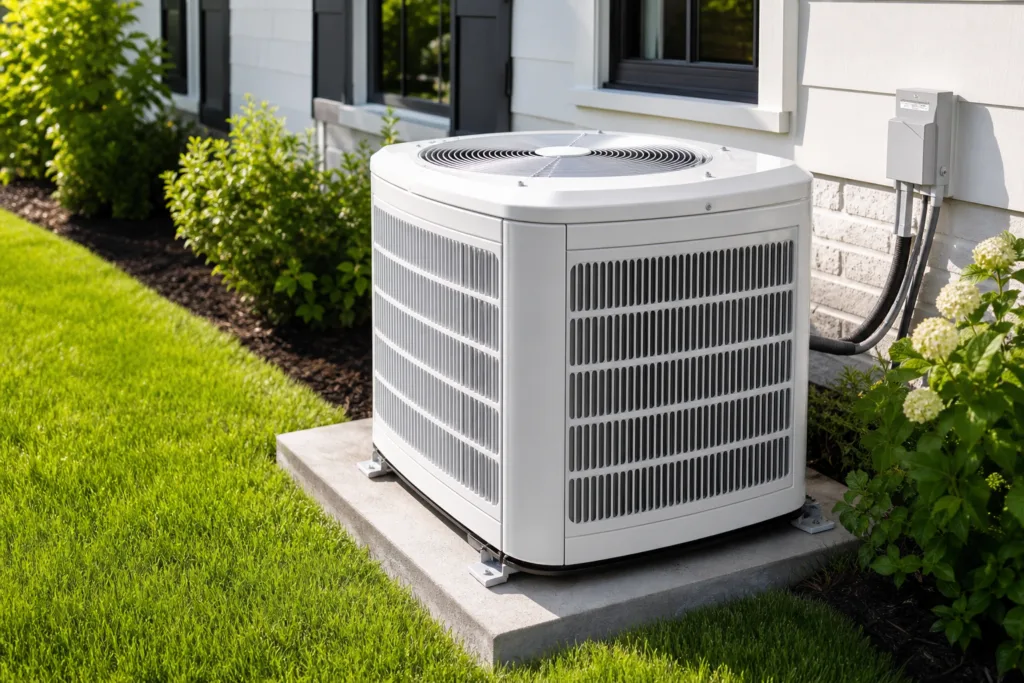
What Is a Mini Split System?
• Outdoor condenser/compressor unit
• One or more indoor wall-mounted air handlers
• Refrigerant line sets connecting indoor and outdoor units
• Electrical connections and dedicated circuit
• Condensate drainage
• Mounting hardware and line covers
• System testing and commissioning per zone
Top Reasons Homeowners Choose Mini Splits
No Ductwork Needed
Zone-by-Zone Control
Ultra-High Efficiency
Easy Installation
Heating and Cooling in One
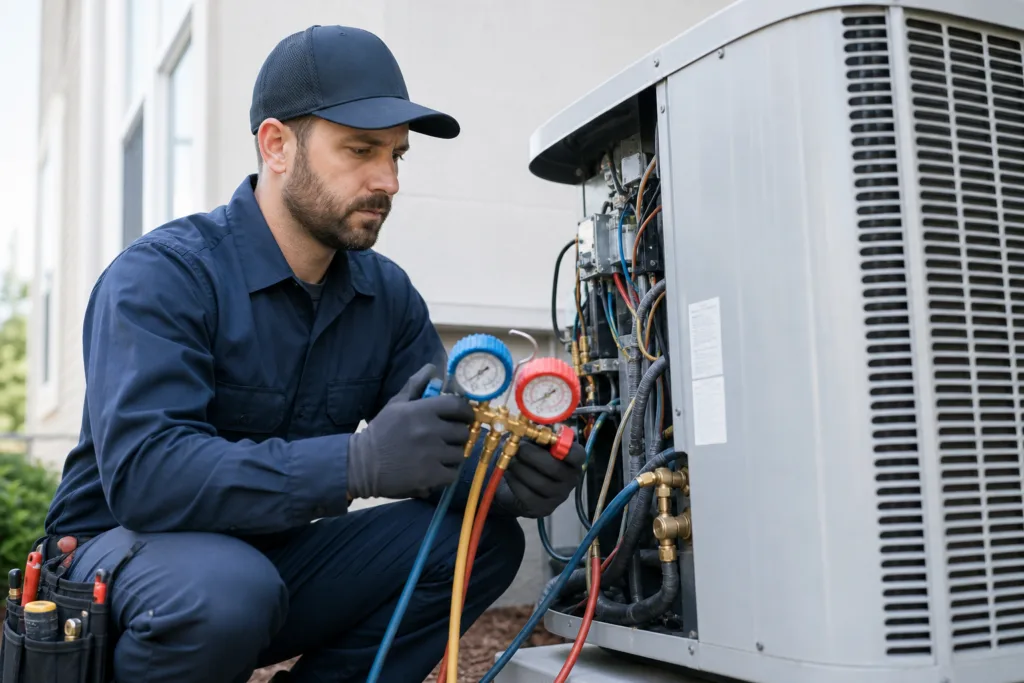
Ready to Compare Mini Splits Quotes?
6 Signs Mini Splits Are Right for You
Room Addition or Conversion
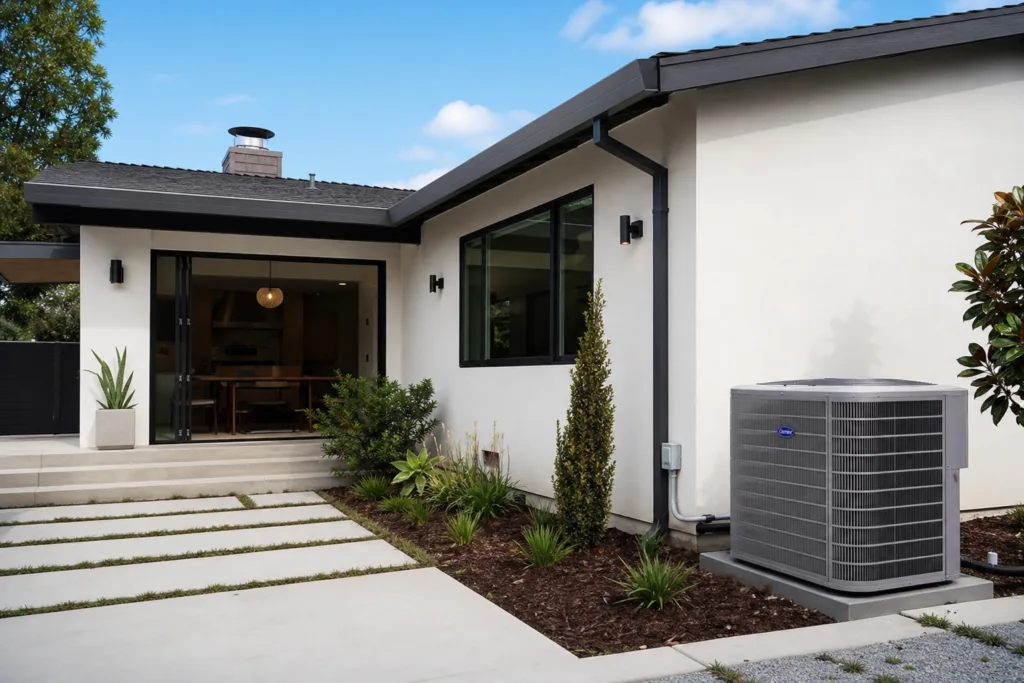
No Existing Ductwork
Hot or Cold Rooms

Home Office or Studio
Multi-Generational Living
Supplementing Central HVAC
What Mini Splits Deliver
Extreme Efficiency
Personal Comfort Zones
Year-Round Climate Control
Whisper-Quiet Operation
Minimal Installation Impact
Smart Controls
Problems Mini Splits Solve
Rooms Without Ducts
The "Always Hot" Room
Thermostat Wars
Duct Energy Loss
Noisy HVAC
How to Choose the Right Mini Split System
Key Configuration Decisions
Single-zone systems serve one room with one outdoor and one indoor unit. Multi-zone systems connect 2–8 indoor units to one larger outdoor compressor.
Each indoor unit must be sized for its room. Common sizes: 9,000 BTU (small room), 12,000 BTU (standard room), 18,000 BTU (large room), 24,000 BTU (great room).
Wall-mounted (most common), ceiling cassette (flush-mount), floor-standing, or concealed duct — each fits different room layouts and aesthetics.
Standard mini splits work well to about 40°F. Cold-climate (hyper-heating) models perform efficiently down to 5°F or below for year-round heating.
Mini Split Efficiency Ranges
💡 Pro Tip
2. Ask about line set routing options — aesthetics matter
3. Verify the outdoor unit placement won't create noise issues
4. Check if your electrical panel needs a dedicated circuit addition
5. Consider line covers or chase installation for a cleaner wall appearance
Ready to Explore Ductless Mini Split Options?






Pro Tips Before You Buy
Don't Oversize Individual Zones
Plan Your Line Set Routing
Consider Ceiling Cassettes
Check Multi-Zone Limits
Should You Repair or Replace?
🔧 Consider Repair If...
• Issue is isolated to one indoor unit
• Refrigerant levels are stable (no leaks)
• System still heats and cools effectively
• Repair is a standard component (fan motor, control board)
✨ Replace If...
• Compressor has failed
• Refrigerant leak in the lineset
• Multiple indoor units failing
• System no longer heats effectively in winter
• Technology has advanced significantly since installation
Complete Guide
The Complete Guide to Mini Splits
Is a Mini Split System Right for Your Home?
Mini splits have evolved from niche products into mainstream HVAC solutions used in millions of homes worldwide. Understanding where they excel — and where they don't — helps you determine if ductless is the right choice for your situation.
Mini splits are the clear winner for homes without ductwork, room additions, converted garages, and supplementing central systems in problem rooms. They're also the most energy-efficient option available, making them attractive for eco-conscious homeowners and high-utility-bill situations.
For whole-home climate control in larger houses with existing ductwork, traditional central systems may still be more cost-effective upfront. But for targeted comfort in 1–4 zones, mini splits are hard to beat on both performance and operating cost.
Understanding Mini Split Technology
Mini splits use inverter-driven compressor technology — the same principle that makes modern refrigerators so quiet and efficient. Here's how they differ from traditional systems:
Inverter Compressors: Unlike traditional compressors that run at full speed or not at all, inverter compressors adjust speed continuously. This means no hard starts, no energy-wasting cycles, and extremely precise temperature control — typically within 0.5°F of your set point.
Refrigerant-Based Heating: Mini splits don't generate heat by burning fuel. They move heat from outdoors to indoors (even in cold weather), which is why they can deliver 3–4 units of heat energy for every unit of electrical energy consumed.
Individual Zone Control: Each indoor unit has its own thermostat and operates independently. You heat or cool only the rooms you're using, which is inherently more efficient than conditioning your entire home.
The Mini Split Installation Process
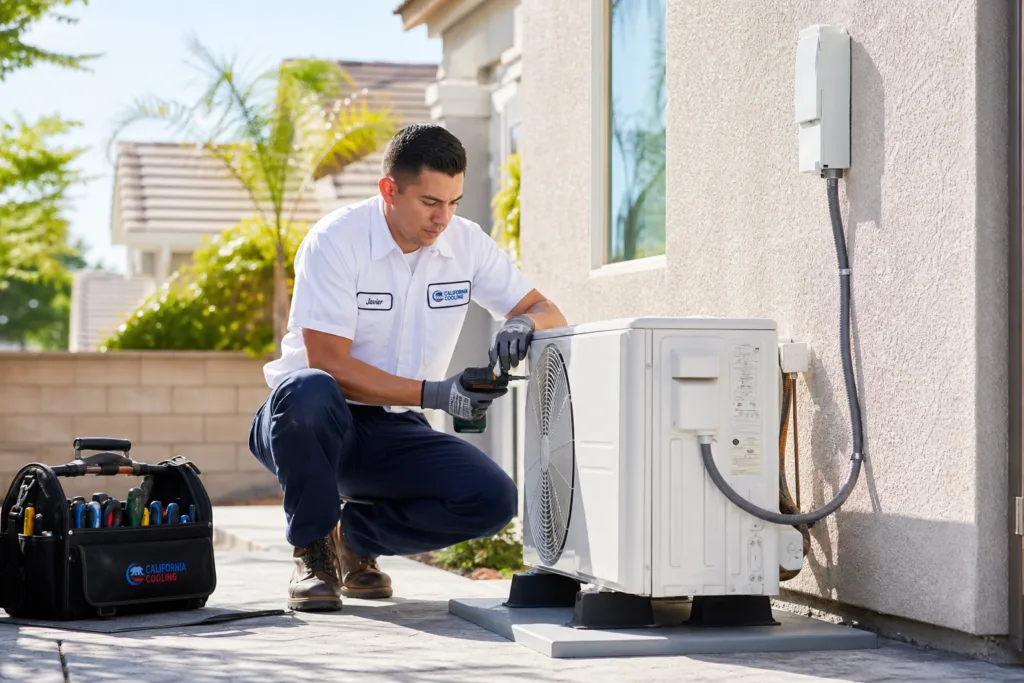
Mini split installation is one of the least disruptive HVAC projects. Most single-zone installations are completed in 4–6 hours:
Indoor Unit Mounting: A mounting plate is secured to the wall, and a 3-inch hole is drilled for the refrigerant lines, electrical cable, and condensate drain. The indoor unit clips onto the plate.
Outdoor Unit Placement: The compressor is positioned on a concrete pad or wall bracket outside, ideally in a shaded, accessible location with good airflow clearance.
Connection & Testing: Refrigerant lines are connected, the system is pressure-tested for leaks, vacuumed to remove moisture, and charged with refrigerant. Each zone is tested in both heating and cooling modes.
Comparing Mini Split Quotes
Mini split quotes can vary more than traditional HVAC because of the number of configuration options. Here's what to compare:

Brand and Model: Top mini split brands include Mitsubishi, Daikin, Fujitsu, LG, and Samsung. Each has different strengths in efficiency, cold-weather performance, and smart features.
Installation Quality: How the line sets are routed, whether connections are properly flared, and how the system is charged all affect long-term performance. Ask about vacuum procedures and leak testing.
Aesthetics: Some contractors include line covers and clean routing as standard; others charge extra. Discuss appearance upfront since the lines are visible on your exterior wall.
Maintaining Your Mini Split System
Mini splits require slightly different maintenance than central systems. Keeping up with these simple tasks maximizes performance:
Bi-Weekly: Clean or rinse the washable filters in each indoor unit. Unlike disposable furnace filters, mini split filters are reusable — just rinse under water and let dry before reinstalling.
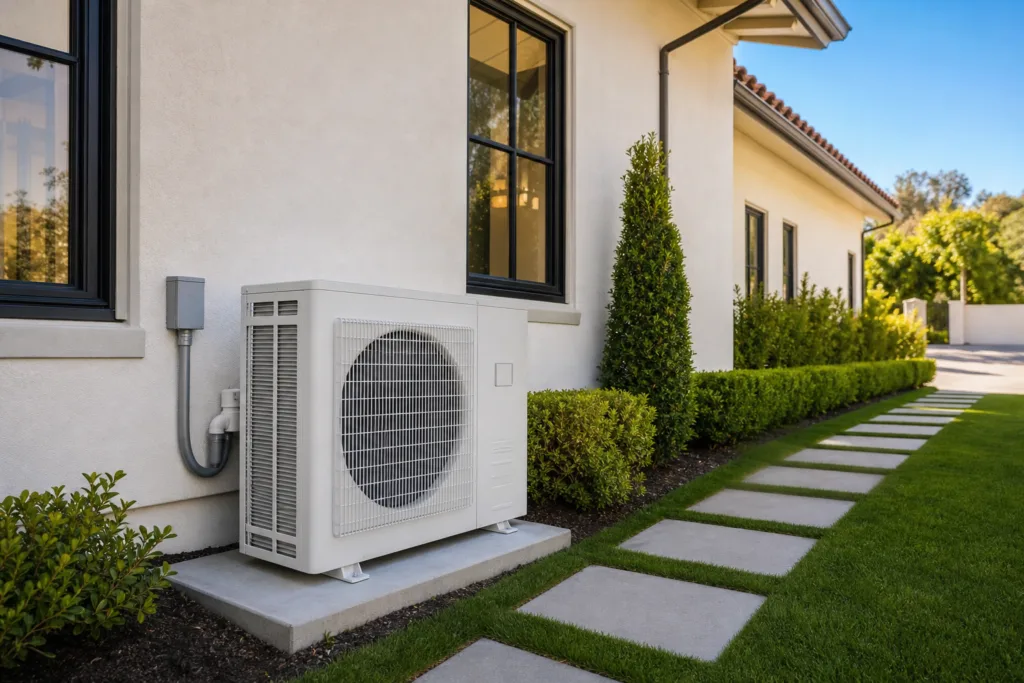
Monthly: Check the outdoor unit for debris, leaves, and obstructions. Maintain clearance around all sides for proper airflow.
Annually: Schedule professional maintenance. A technician deep-cleans the indoor unit's blower wheel and evaporator coil, checks refrigerant charge, and inspects electrical connections.
Mini Split Installation Across California
Mini Splits FAQ
How many rooms can one outdoor unit serve?
Do mini splits heat as well as they cool?
How loud are mini split indoor units?
Can mini splits replace central AC?
Can a mini-split help with wildfire smoke inside my home?
Do mini splits need ductwork?
What about aesthetics?
How long do mini splits last?
Are mini splits energy efficient?
Can I install a mini split myself?
Do I need a permit?
Do California homes without ductwork need mini-splits instead of central air?
Related HVAC Services
Heat Pumps
AC Only
Complete HVAC System