
HVAC Repair Services

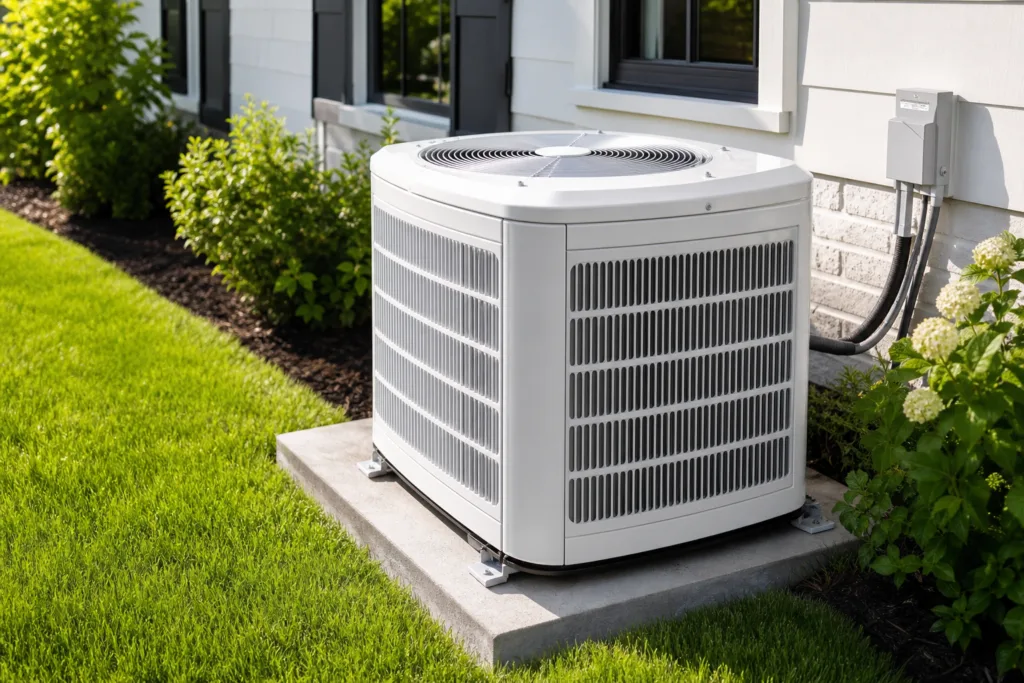
What Does HVAC Repair Include?
• Compressor and condenser repairs
• Blower motor and fan replacement
• Capacitor, contactor, and relay replacement
• Refrigerant leak detection and recharge
• Thermostat diagnosis and replacement
• Igniter and flame sensor repair
• Control board and wiring repairs
• Drain line clearing and condensate pump service
Why Comparing HVAC Repair Quotes Matters
Pricing Varies Widely
Second Opinions Save Money
Honest Diagnosis
Emergency Doesn't Mean Expensive
Repair vs Replace Clarity
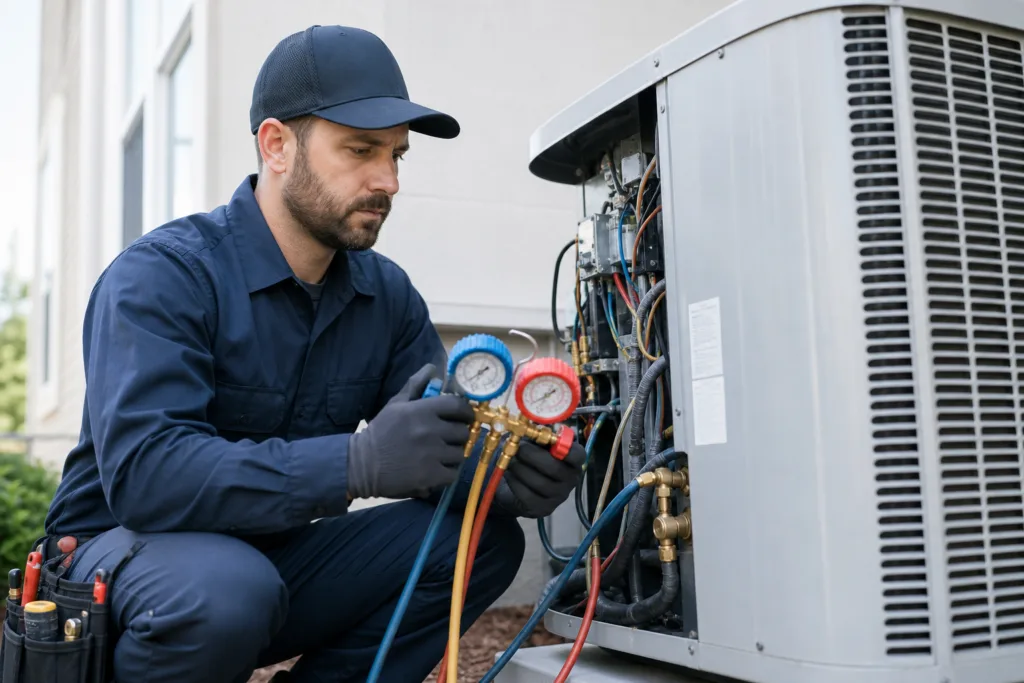
Ready to Compare HVAC Repairs Quotes?
6 Common HVAC Problems That Need Repair
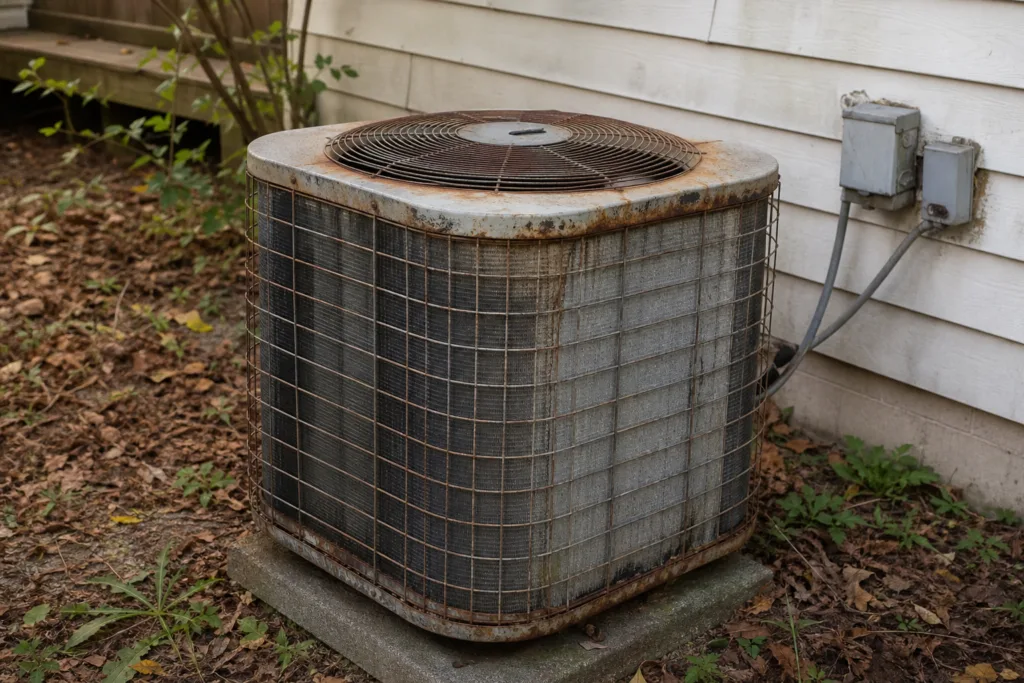
System Won't Turn On
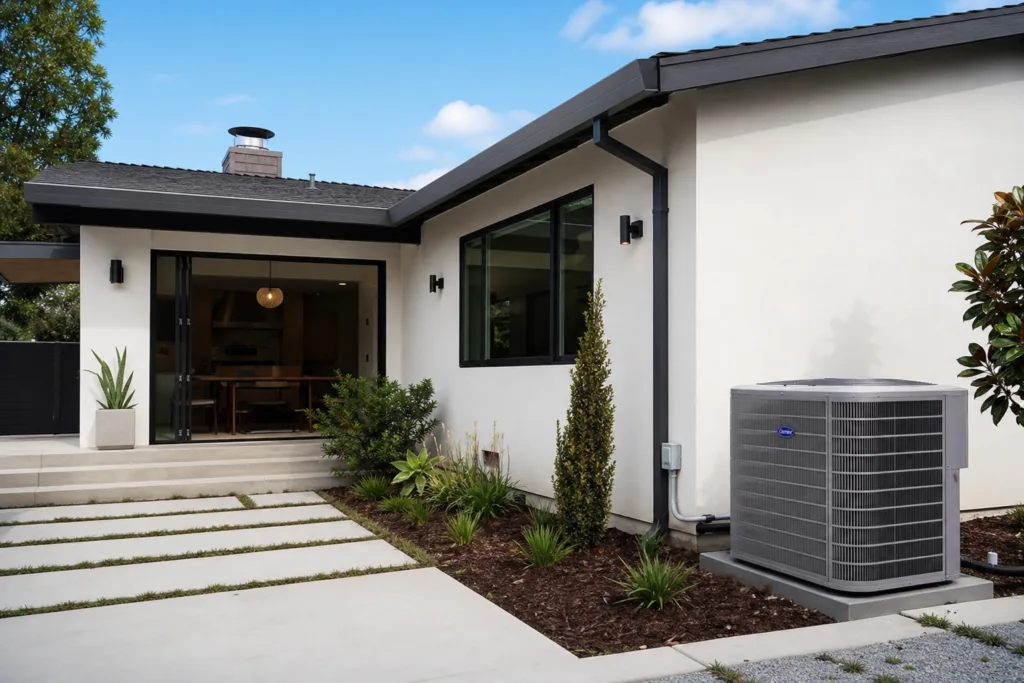
Warm Air from AC Vents
Strange Noises

Short Cycling
Water Leaks
Uneven Heating or Cooling
Benefits of Professional HVAC Repair
Accurate Diagnosis
Safe Repairs
Warranty Protection
Lasting Fixes
Honest Assessment
Emergency Service
Issues HVAC Repair Resolves
No Heating or Cooling
Weak Airflow
Thermostat Malfunctions
Refrigerant Issues
Unusual Odors
How to Handle HVAC Repair Decisions
What to Consider Before Repair
If your equipment is less than 10 years old, repair is almost always worthwhile. Past 15 years, weigh repair costs against replacement value more carefully.
A first-time repair on a relatively new system is a no-brainer. Multiple repairs in recent years suggest the system is in overall decline.
Replacing a capacitor, motor, or thermostat is routine maintenance. A failed compressor or cracked heat exchanger is a system-level problem that may justify replacement.
Systems using R-22 (Freon) face expensive, scarce refills. If repair requires R-22, replacement with a modern R-410A system often makes better long-term sense.
Repair Priority Guide
💡 Pro Tip
2. Ask for the diagnosis in writing before authorizing work
3. Check if the repair is covered by existing warranty
4. Ask about the expected lifespan of the repair vs replacement cost
5. Never let urgency override common sense — get a second opinion
Need Your HVAC System Fixed Fast?





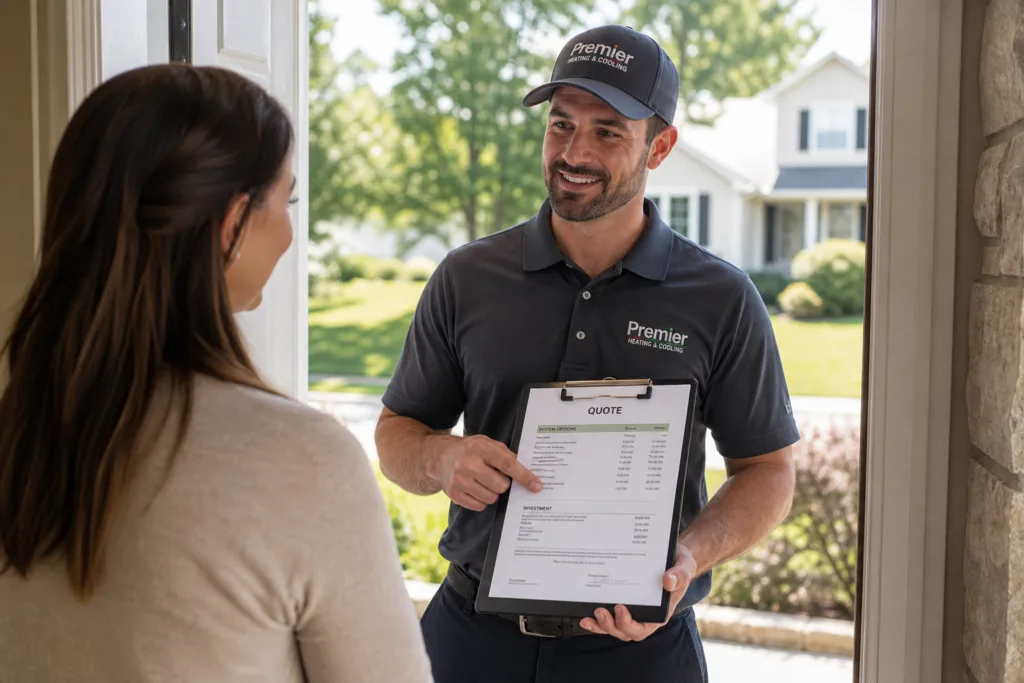
Pro Tips Before You Buy
Check the Simple Things First
Get the Diagnosis Before the Quote
Ask About Root Cause
Keep Repair Records
Should You Repair or Replace?
🔧 Consider Repair If...
• First-time or isolated issue
• Component failure (capacitor, motor, relay)
• System performs well when working
• Repair cost is modest relative to replacement
✨ Replace If...
• Multiple repairs in recent years
• Compressor or heat exchanger failure
• Uses R-22 refrigerant
• Energy bills are climbing steadily
• Comfort issues persist after repairs
Complete Guide
The Complete Guide to HVAC Repairs
Understanding HVAC Repair vs Replacement
The repair-or-replace decision is one of the most important calls you'll make as a homeowner. Getting it right saves you money in both the short and long term.
A common guideline: if the repair cost exceeds a significant portion of what a new system would cost, and your equipment is past the midpoint of its expected lifespan, replacement often makes better financial sense.
However, age alone doesn't determine the answer. A well-maintained 12-year-old system with a minor issue is a clear repair. A neglected 8-year-old system with a major component failure may point toward replacement if other components are likely to follow.
Common HVAC Repairs Explained
Understanding common repairs helps you ask the right questions and evaluate whether a technician's recommendation makes sense:
Capacitor Replacement: Capacitors store energy to start motors and compressors. They're one of the most common failures and one of the least expensive repairs. Symptoms include humming without starting or slow fan speed.
Refrigerant Recharge: Low refrigerant means there's a leak somewhere in the system. A proper repair finds and fixes the leak first, then recharges. Beware of contractors who only recharge without finding the leak — you'll be paying again soon.
Blower Motor Replacement: The blower circulates air through your ducts. Symptoms of failure include weak airflow, strange noises, or no air movement at all. Most replacements take 1–2 hours.
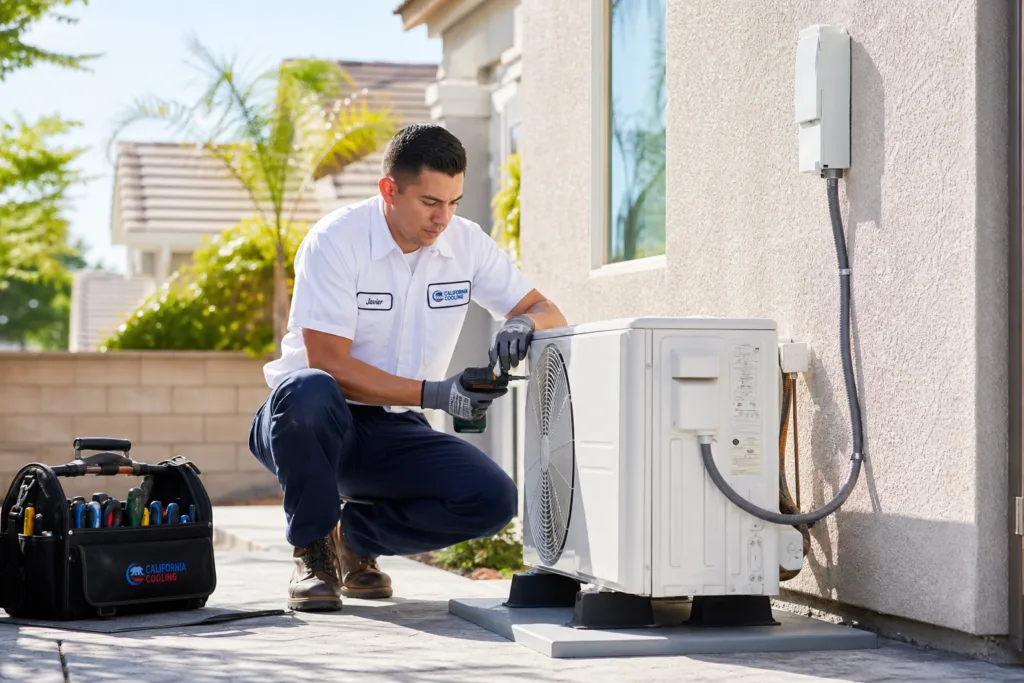
What to Expect During a Service Call
Knowing the typical service call process helps you evaluate whether your technician is thorough and professional:
Diagnosis: A good technician inspects the entire system, not just the reported symptom. They check electrical connections, measure refrigerant pressures, test components, and look for root causes rather than just obvious failures.
Explanation: Before any work begins, you should receive a clear explanation of what's wrong, what the fix involves, and what it will cost. You should understand enough to make an informed decision.
Repair and Testing: After completing the repair, the technician should test the system through a full operating cycle, verify proper temperatures and airflow, and confirm the issue is resolved before leaving.
How Multiple Quotes Protect You
Getting multiple repair quotes isn't about finding the cheapest option — it's about getting accurate diagnoses and fair pricing.

Diagnosis Accuracy: Different technicians may identify different issues. When two out of three agree on the diagnosis, you can be confident in the recommended repair.
Pricing Fairness: Seeing three quotes for the same repair reveals the fair market range and prevents overpaying. If one quote is dramatically higher or lower, ask why.
Repair vs Replace Honesty: A technician who only sells equipment may push replacement. A repair-focused tech may patch a system that really needs replacing. Three opinions give you a balanced perspective.
Preventing Future HVAC Repairs
Most HVAC repairs are preventable with consistent maintenance. These steps reduce emergency repair calls significantly:
Monthly: Change your air filter. This single habit prevents more HVAC problems than any other maintenance task — clogged filters cause frozen coils, overheated motors, and premature component failure.
Seasonally: Keep the outdoor unit clear of debris, vegetation, and obstructions. Check that all indoor vents are open and unblocked by furniture or curtains.
Annually: Schedule professional maintenance — AC tune-up in spring, heating tune-up in fall. A technician catches small issues before they become expensive repairs.
HVAC Repair Service Areas in California
HVAC Repairs FAQ
How quickly can I get an HVAC repair?
Should I repair or replace my HVAC system?
Why do HVAC repair prices vary so much?
Can I troubleshoot before calling a technician?
Is a service call fee normal?
What if two technicians give different diagnoses?
Are HVAC repairs covered by warranty?
How do I find a reliable HVAC repair technician?
What's the most common HVAC repair?
Should I turn off my system if it's making noise?
Can I repair my HVAC system myself?
How do I prevent emergency repairs?
Related HVAC Services
AC Replacement
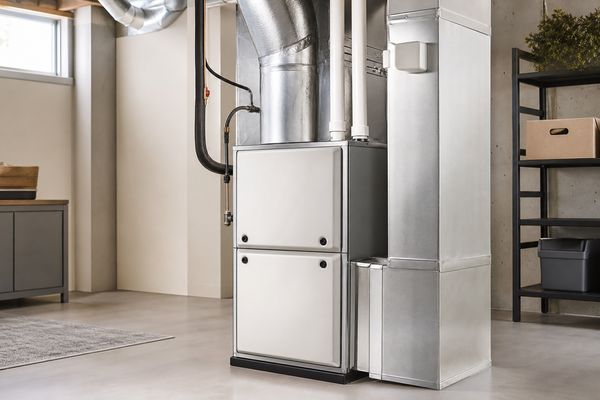
Furnace Replacement
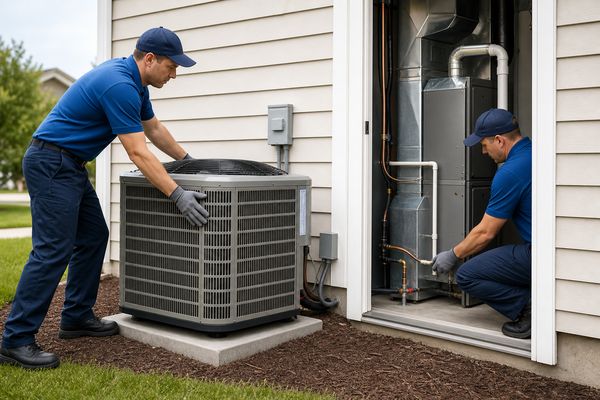
Complete HVAC System