✓ 100% Free Service  •  ✓ No Obligation  •  ✓ Licensed Pros Only
Home Indoor Air Quality

Indoor Air Quality Systems

Compare quotes from licensed contractors for indoor air quality solutions. Air purifiers, UV lights, filtration, and humidity control for healthier living.
Or call us: (888) 252-5238
Licensed & Pre-Screened Contractors
💰 Best Price Guarantee
Fast & Free — No Obligation
📊 Transparent Pricing Comparison
🏠 Local Experts Who Know Your Area
🕐 Same-Day Quotes Available
AI Matched Contractors
Our technology helps match you with trusted, top-rated HVAC pros so you can compare price, service, equipment, and warranty.
Get Your Free Quote Now
99%+
Particle Removal
1 Day
Typical Install
Year-Round
Air Protection
Healthier
Home Environment
3 Free
Quotes to Compare
indoor air quality overview
Understanding Indoor Air Quality

What Are Indoor Air Quality Systems?

Indoor air quality (IAQ) systems are products that integrate with your HVAC system to clean, purify, and condition the air circulating through your home. From advanced filtration to UV germicidal lights and whole-home humidifiers, these systems address pollutants that standard filters miss.
Common indoor air quality solutions include:

• Whole-home air purifiers (HEPA, electrostatic, photocatalytic)
• UV germicidal lights (coil-mounted and in-duct)
• High-efficiency media air cleaners (MERV 13–16)
• Whole-home humidifiers and dehumidifiers
• Fresh air ventilation systems (ERV/HRV)
• Duct sanitization and antimicrobial treatments
• Carbon/VOC filtration systems
The EPA estimates indoor air can be 2–5 times more polluted than outdoor air — your HVAC system recirculates this air constantly. Adding IAQ solutions addresses the problem at the source.
Why Indoor Air Quality

Top Reasons to Invest in Indoor Air Quality

Allergy and Asthma Relief

High-efficiency filtration and air purification remove the pollen, dust mites, pet dander, and mold spores that trigger respiratory symptoms.

Illness Reduction

UV germicidal lights and air purifiers neutralize bacteria, viruses, and airborne pathogens circulating through your HVAC system.

Odor Elimination

Activated carbon filters and photocatalytic purifiers break down cooking odors, pet smells, and chemical vapors at the molecular level.

Humidity Control

Whole-home humidifiers and dehumidifiers maintain optimal 40–60% relative humidity, preventing dry skin in winter and musty conditions in summer.

New Home or Renovation

New construction materials and renovations release VOCs (volatile organic compounds). Air purification systems remove these chemicals before your family breathes them.
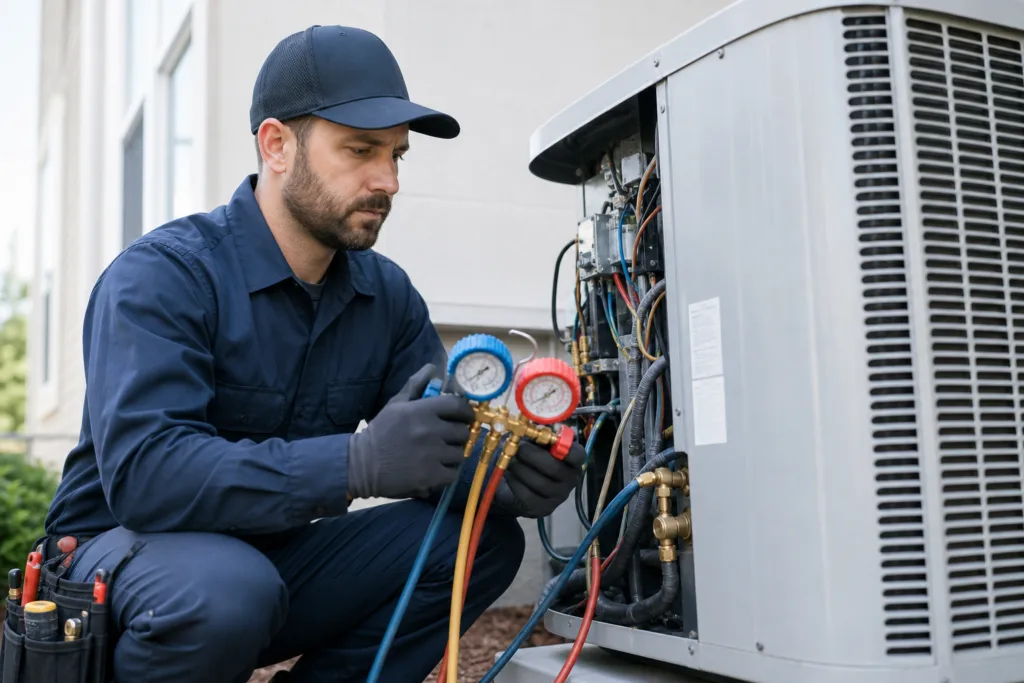
HVAC technician inspecting Indoor Air Quality equipment

Ready to Compare Indoor Air Quality Quotes?

Get three competing quotes for indoor air quality solutions. Compare products, installation approaches, and ongoing costs side by side.
Warning Signs

6 Signs Your Home Needs Better Air Quality
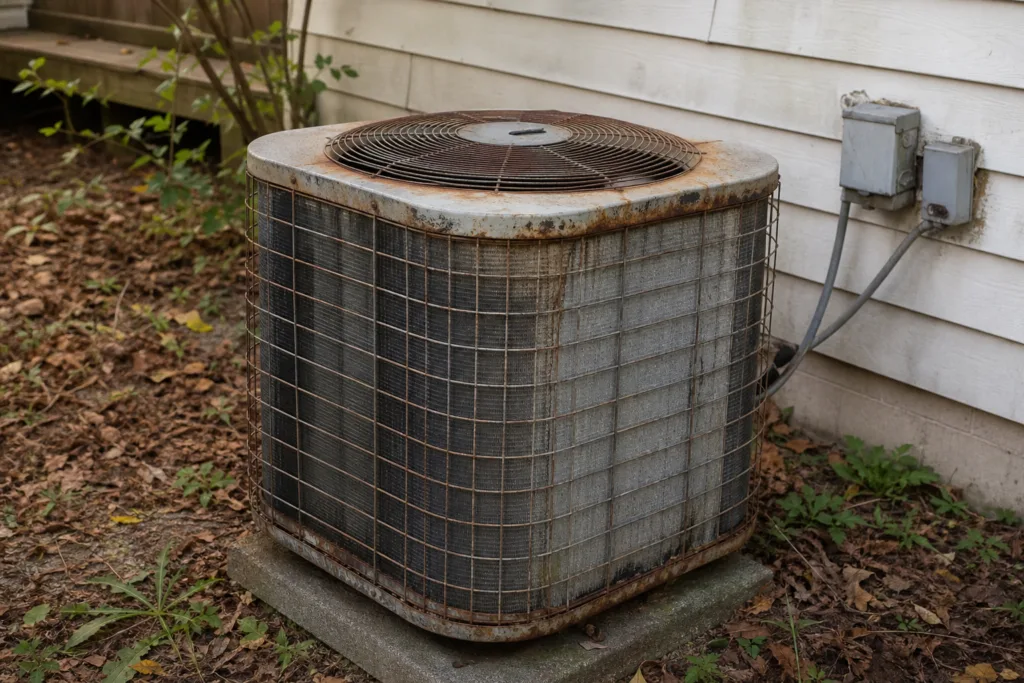
Poor indoor air quality is often invisible. These signs indicate your home's air needs professional attention.
Indoor Air Quality warning sign - aging equipment
01

Persistent Allergy Symptoms

If allergies flare up indoors — sneezing, itchy eyes, congestion — your HVAC system is likely recirculating allergens that standard filters can't capture.
Indoor Air Quality warning sign - rising costs
02

Excessive Dust

If surfaces collect dust quickly after cleaning, your air filtration isn't keeping up. Higher-efficiency media filters or whole-home purifiers can dramatically reduce dust levels.
Indoor Air Quality warning sign - frequent issues
03

Musty or Stale Odors

Persistent odors that don't go away with regular cleaning can indicate mold growth, bacterial buildup, or inadequate ventilation that IAQ solutions address.
Indoor Air Quality warning sign - comfort problems
04

Dry Air or Static Electricity

Dry skin, chapped lips, and static shocks during heating season indicate humidity levels below the healthy range. A whole-home humidifier solves this.
Indoor Air Quality warning sign - unusual symptoms
05

New Construction or Renovation

New building materials off-gas volatile organic compounds (VOCs) for weeks or months. Air purification systems remove these chemical pollutants.
Indoor Air Quality warning sign - outdated technology
06

Family Health Concerns

Household members with asthma, COPD, immune conditions, or young children and elderly family members benefit significantly from cleaner indoor air.
Family enjoying comfort after indoor air quality
The Benefits

What Better Indoor Air Quality Delivers

💰

Cleaner Air to Breathe

Remove up to 99% of airborne particles including dust, pollen, pet dander, and mold spores.
🏠

Reduced Illness

UV lights and purifiers neutralize bacteria and viruses circulating through your HVAC system.
🔧

Allergy Relief

High-efficiency filtration captures the microscopic allergens that standard filters miss entirely.
🌬️

Odor-Free Home

Carbon filtration and photocatalytic purifiers eliminate cooking, pet, and chemical odors.
📈

Comfortable Humidity

Whole-home humidifiers and dehumidifiers maintain the 40–60% range for optimal comfort.
🤫

HVAC Protection

Cleaner air means cleaner coils, blowers, and ducts — extending your HVAC system's lifespan.
Problems Solved

Problems IAQ Systems Solve

Indoor air quality systems address health and comfort issues that your standard HVAC filter alone cannot resolve.

Airborne Allergens

HEPA-grade and electrostatic purifiers capture particles as small as 0.3 microns — including pollen, dust mite fragments, and mold spores that pass through standard filters.

Germs and Pathogens

UV-C germicidal lights installed in your air handler or ductwork neutralize bacteria, viruses, and mold at the DNA level, preventing them from reproducing and spreading.

Chemical Vapors (VOCs)

Activated carbon filters and photocatalytic oxidation systems break down volatile organic compounds from cleaning products, paint, furniture, and building materials.

Humidity Extremes

Whole-home humidifiers add moisture during dry winters; dehumidifiers remove excess moisture in humid conditions. Both protect your home and your health.

Stale, Recirculated Air

Energy recovery ventilators (ERVs) bring in filtered fresh outdoor air while recovering energy from the exhaust air, improving air quality without wasting heating or cooling.
Homeowner comfortable after indoor air quality
Buying Guide

How to Choose the Right IAQ Solution

The best IAQ approach depends on your specific air quality concerns, HVAC system, and home environment.

Key Considerations

Primary Concern
Allergies point to HEPA filtration. Illness prevention points to UV lights. Odors point to carbon/photocatalytic systems. Identify your main issue first.
HVAC Compatibility
Some products require sufficient airflow to function properly. Your contractor verifies your system can support the IAQ product without excessive static pressure.
Ongoing Costs
Media filters need replacement (typically annually). UV bulbs last 1–2 years. HEPA filters may need more frequent changes. Factor maintenance costs into your decision.
Combined Solutions
Many homes benefit from multiple products working together — for example, a media filter for particles plus UV light for biological contaminants.

Filtration Rating Guide

MERV 8–10 (Standard) — Captures large dust, pollen, and lint. The minimum for basic air quality. Most standard filters.
MERV 11–13 (Enhanced) — Captures mold spores, pet dander, and fine dust. The sweet spot for most homes with allergy concerns.
MERV 14–16 (Hospital Grade) — Captures bacteria and small virus carriers. Media air cleaners in this range provide exceptional particle removal.
HEPA (True HEPA) — Captures 99.97% of particles at 0.3 microns. The gold standard for air purification, typically in bypass configurations.

💡 Pro Tip

1. Start by identifying your primary air quality concern (allergies, odors, illness)
2. Get 3 quotes that address your specific issue
3. Ask about filter/bulb replacement costs and frequency
4. Verify the product won't restrict airflow to your HVAC system
5. Consider combining filtration + UV for comprehensive protection

Ready for Cleaner, Healthier Indoor Air?

Compare 3 quotes from pre-screened, licensed HVAC contractors in your area. It takes 2 minutes.
bbbgoogle_5startrustpilotgoogle_guaranteedyelp
Contractor consulting homeowner about indoor air quality
Expert Advice

Pro Tips Before You Buy

1

Start with Better Filtration

Upgrading from a standard MERV 8 filter to a MERV 13 media filter is the most cost-effective first step for most homes. It captures significantly more particles without needing additional equipment.
2

Add UV for Biological Protection

A UV-C germicidal light installed near the evaporator coil kills mold, bacteria, and viruses on contact. It also keeps the coil clean, improving system efficiency.
3

Don't Overlook Humidity

Air that's too dry or too humid creates its own set of problems. A whole-home humidifier or dehumidifier maintains the 40–60% range for optimal comfort and health.
4

Consider Fresh Air Ventilation

Modern homes are tightly sealed, which traps pollutants inside. An ERV (energy recovery ventilator) brings in filtered fresh air while recovering energy from exhaust air.
Repair vs Replace

Should You Repair or Replace?

🔧 Consider Repair If...

• Current system is less than 3 years old
• Issue is just a filter or UV bulb replacement
• Product is still under warranty
• System integrates well with your HVAC
• Performance meets expectations with maintenance
VS

✨ Replace If...

• Current IAQ products are 5+ years old and underperforming
• Technology has advanced significantly since installation
• Your air quality concerns have changed (e.g., new allergies, new pets)
• Products are no longer compatible with your HVAC system
• Maintenance costs exceed the value of continuing
• You want comprehensive protection (filtration + UV + humidity)

Complete Guide

The Complete Guide to Indoor Air Quality

Indoor Air Quality planning guide

Understanding Your Home's Air Quality

The air inside your home contains a complex mix of particles, gases, and biological contaminants that your HVAC system circulates every time it runs. Understanding what's in your air helps you choose the right solutions.

Particulate Matter: Dust, pollen, pet dander, mold spores, and fine particles from cooking and outdoor pollution. These are measured by size — PM10 (large) to PM2.5 (fine) and smaller. Different filters capture different size ranges.

Biological Contaminants: Bacteria, viruses, mold, and fungi that can grow in HVAC systems and circulate through your home. UV germicidal lights and advanced purifiers target these specifically.

Gases and Chemicals: VOCs from cleaning products, paint, new furniture, and building materials. Carbon monoxide from combustion appliances. These require chemical filtration (carbon) or oxidation technologies to remove.

Indoor Air Quality Products Explained

Each IAQ product addresses a specific category of indoor pollutant. Here's how the main technologies work:

Indoor Air Quality technology comparison

Media Air Cleaners: Thick, pleated filter media (MERV 11–16) installed in your duct system. They capture particles more effectively than standard 1-inch filters and typically need replacement only once per year.

UV Germicidal Lights: Installed inside your air handler, UV-C light damages the DNA of microorganisms, preventing them from reproducing. Coil-mounted units also keep your evaporator coil clean and free of mold growth.

Electronic Air Cleaners: Electrostatic precipitators charge particles as they pass through, then collect them on oppositely charged plates. They're effective but require regular cleaning of the collection plates.

Whole-Home Humidifiers: Bypass or fan-powered units that add moisture to the heated air stream during winter, maintaining comfortable humidity levels throughout the entire home.
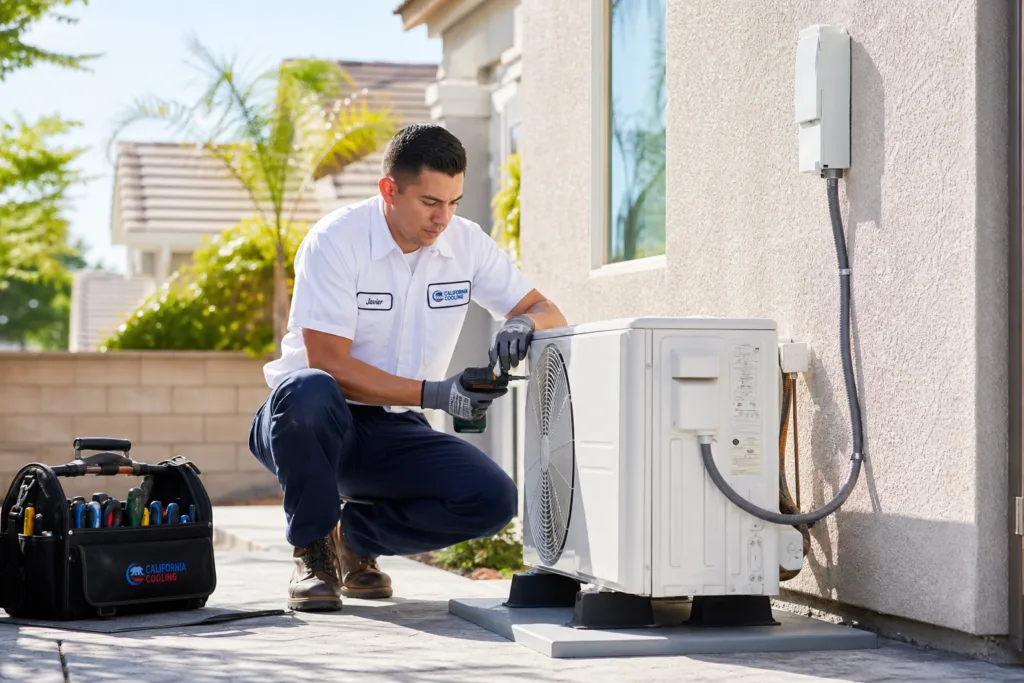
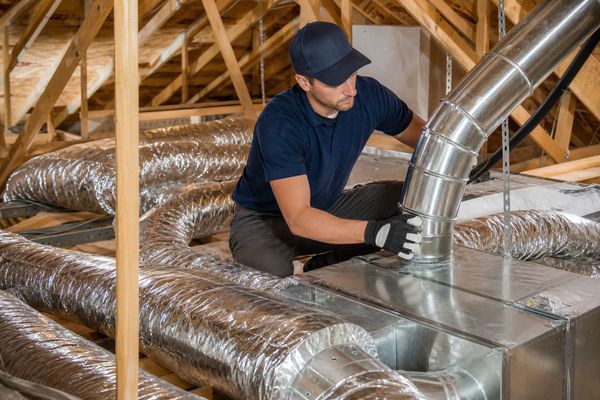
Indoor Air Quality installation process

The IAQ Installation Process

Most indoor air quality products integrate directly into your existing HVAC system and install in a single day:

Assessment: A technician evaluates your current HVAC system, ductwork, and specific air quality concerns to recommend the right combination of products.

Installation: Products are mounted in or adjacent to your air handler and duct system. Media filters replace your existing filter housing. UV lights mount inside the air handler near the coil. Humidifiers tap into your water supply and duct system.

Verification: The technician verifies proper operation, checks that airflow isn't restricted, and explains the maintenance schedule for each product installed.

Comparing IAQ Quotes

When comparing indoor air quality quotes, look beyond the installation price to understand total cost of ownership:
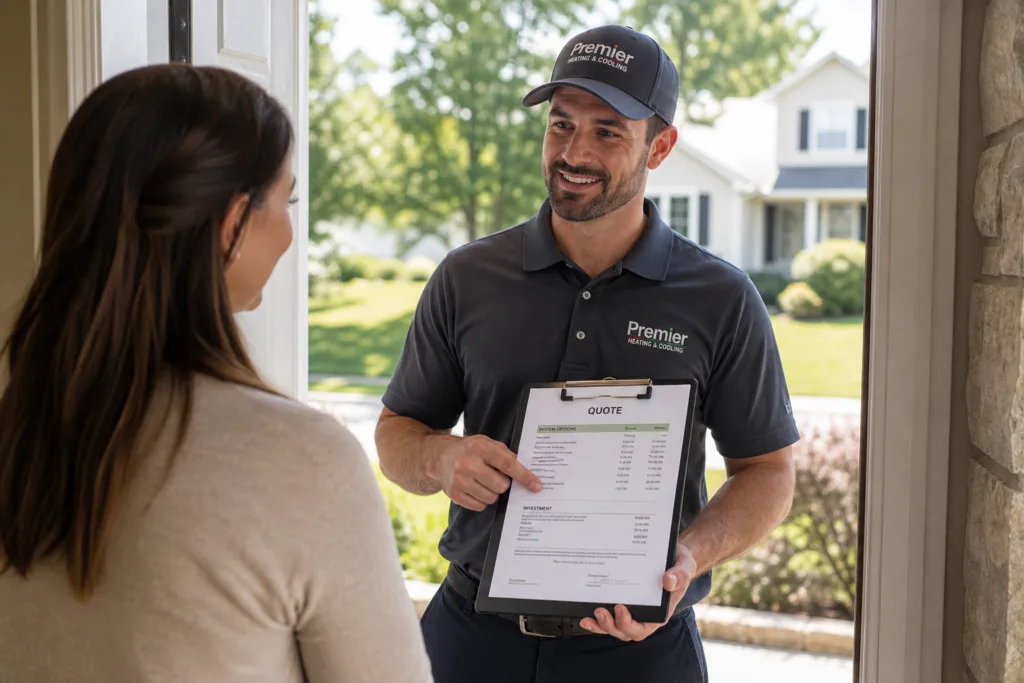
Indoor Air Quality quote comparison

Product Quality: Name-brand IAQ products (Aprilaire, Honeywell, Lennox, Trane) come with better warranties and proven performance data. Off-brand alternatives may cost less initially but underperform.

Ongoing Costs: Filter replacement frequency, UV bulb costs, and maintenance requirements add up over time. A cheaper system with expensive annual maintenance may cost more in the long run.

Combined Solutions: Some contractors offer package pricing for multiple products (e.g., media filter + UV light + humidifier). Package deals may offer better value than buying components individually.
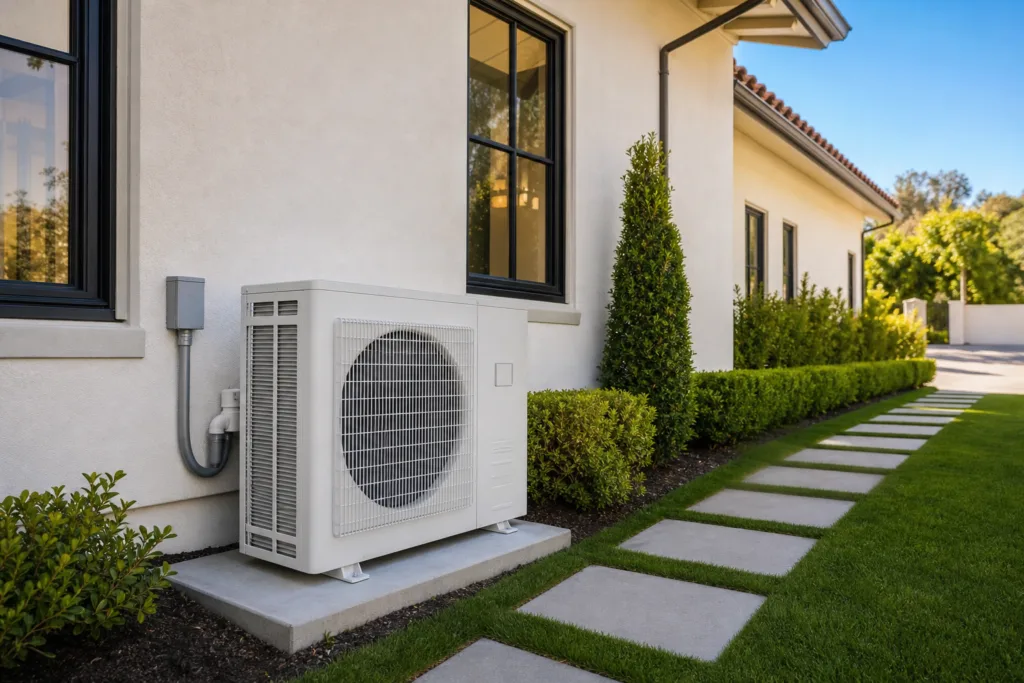
Indoor Air Quality maintenance tips

Maintaining Your IAQ Equipment

IAQ products require regular maintenance to continue performing effectively. Neglecting maintenance can actually make air quality worse.

Media Filters: Replace every 6–12 months depending on the product and your home environment (pets, construction, high pollen). Follow the manufacturer's replacement schedule.

UV Bulbs: Replace annually or every 2 years depending on the model. UV intensity degrades over time even if the bulb still lights up — reduced intensity means reduced effectiveness.

Electronic Air Cleaners: Clean collector plates monthly by removing and washing them. Dirty plates dramatically reduce particle capture efficiency.

Humidifiers: Replace the water panel or pad seasonally. Inspect for mineral buildup and clean as needed. Turn off during cooling season to prevent excess moisture.

Where We Serve

Indoor Air Quality Service Areas in California

We connect homeowners with licensed HVAC contractors for indoor air quality installation quotes across these regions.
📍 Los Angeles County
📍 Orange County
📍 Riverside County
📍 San Bernardino County
📍 Kern County
📍 Tulare County
📍 Fresno County
📍 Ventura County
Common Questions

Indoor Air Quality FAQ

What's the best indoor air quality solution?

There's no single best solution — it depends on your concern. Allergies: HEPA or high-MERV filtration. Illness: UV germicidal lights. Odors: activated carbon. Most homes benefit from combining two or more technologies.

Will a better filter improve my air quality?

Significantly. Upgrading from a standard MERV 8 filter to a MERV 13 media filter captures dramatically more particles. However, you need to verify your HVAC system can handle the increased airflow resistance.

Do UV lights really work?

Yes. UV-C germicidal lights are proven to kill or inactivate bacteria, viruses, and mold. They're widely used in hospitals and water treatment facilities. The key is proper intensity and placement.

How much do IAQ systems cost to maintain?

Typical annual maintenance costs: media filter replacement, UV bulb replacement every 1–2 years, and humidifier pad replacement seasonally. Your contractor can estimate total annual costs for your specific setup.

Can air purifiers help with allergies?

Absolutely. HEPA-grade whole-home purifiers remove 99.97% of particles at 0.3 microns, including pollen, dust mites, pet dander, and mold spores — the most common indoor allergens.

What MERV rating should I use?

MERV 13 is the sweet spot for most homes — it captures mold, pet dander, and fine dust without excessive airflow restriction. Verify compatibility with your HVAC system before upgrading.

Do I need a whole-home humidifier?

If you experience dry skin, static electricity, or respiratory discomfort during heating season, yes. A whole-home humidifier maintains healthy humidity throughout your entire home.

Will IAQ products affect my HVAC system?

When properly sized and installed, IAQ products integrate seamlessly with your HVAC system. Improperly installed products can restrict airflow, so professional installation is important.

How long does installation take?

Most individual IAQ products install in 2–4 hours. A comprehensive package (filter + UV + humidifier) can typically be completed in a single day.

Are portable air purifiers better?

Portable units clean one room at a time. Whole-home systems integrated into your HVAC clean all the air in your house every time the system runs — more effective and more convenient.

What is an ERV or HRV?

An Energy Recovery Ventilator (ERV) or Heat Recovery Ventilator (HRV) brings fresh outdoor air in while exhausting stale indoor air — recovering energy in the process to minimize heating/cooling loss.

Is financing available?

Yes. Most HVAC contractors offer financing for IAQ installations, especially when combined with other HVAC work like system replacement or ductwork.
Explore More

Related HVAC Services

Complete Ductwork
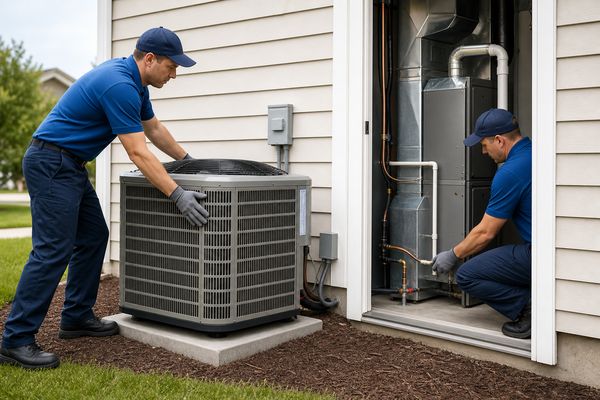
Complete Ductwork

Clean, sealed ducts are the foundation of good indoor air quality.
Complete HVAC System

Complete HVAC System

New HVAC system with built-in advanced filtration for the cleanest air.
Mini Splits

Mini Splits

Ductless systems with built-in multi-stage filtration for individual rooms.
Heat Pumps

Heat Pumps

All-electric heating and cooling with modern air filtration integration.

Ready for Cleaner Indoor Air?

Compare 3 free IAQ quotes from licensed contractors. Breathe healthier air at home — no obligation.