
Ductwork Services in Clovis, CA
Ductwork is the single biggest efficiency problem in most Clovis homes. Attics here reach roughly 150°F in summer, and every leak in that space wastes cooling you have already paid for. Compare three quotes from licensed local contractors.
Or call us: 760-223-7267
✅ Licensed & Pre-Screened Contractors
💰 Best Price Guarantee
⚡ Fast & Free — No Obligation
📊 Transparent Pricing Comparison
🏠 Local Experts Who Know Your Area
🕐 Same-Day Quotes Available

AI Matched Contractors
Our technology helps match you with trusted, top-rated HVAC pros so you can compare price, service, equipment, and warranty.
Get Your Free Quote Now
Better
Better Airflow
Lower
Lower Energy Bills
Cleaner
Cleaner Air
100%
100% Licensed
3
3 Free Quotes
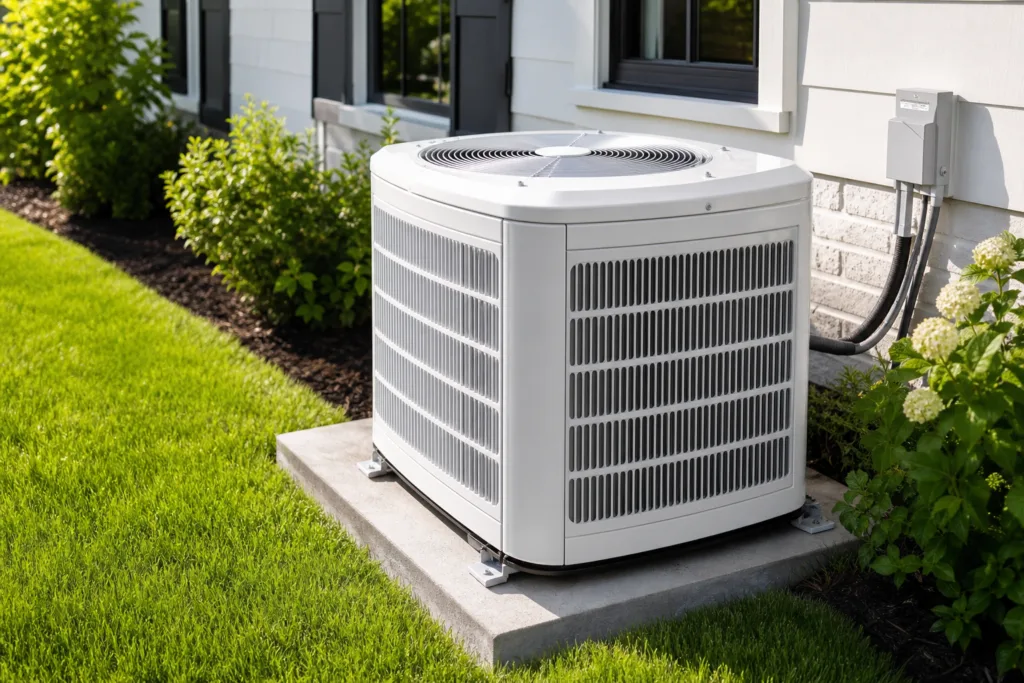
Understanding Ductwork Services
Why Ducts Matter More in a 150°F Attic
Almost all Clovis ductwork runs through an unconditioned attic. On a July afternoon that space can reach around 150°F while your system is trying to deliver air chilled to roughly 55°F through it. The temperature difference is extreme, and so are the losses.
Weak airflow from vents furthest from the unit • Rooms that never reach setpoint in July • Summer bills higher than neighbours with similar homes • Visible dust discharge from supply registers • Brittle or crushed flex duct in the attic • Return air that is undersized for the system
Leakage works in both directions. Supply leaks dump expensive cooled air into the attic, and return leaks pull superheated attic air into the system, forcing it to cool that air before it reaches you. A duct system losing a fifth of its air can erase most of the benefit of a high-efficiency condenser.
Why Act Fast
Signs Your Ducts Need Attention
High energy bills
Some Rooms Never Cool No Matter the Thermostat Setting
Uneven temperatures
Airflow Is Noticeably Weaker at Distant Vents
Dusty home
Your Summer Bills Exceed Similar Homes Nearby
Weak airflow
You Can See Dust Blowing From the Registers
Visible damage
You Are Replacing HVAC Equipment Anyway

Measured, Not Estimated
Duct work should begin and end with numbers. A contractor who performs a duct leakage test can tell you how much air the system is losing before the work and prove the improvement afterwards. Without measurement you are paying for an outcome nobody has verified. Ask specifically whether a leakage test is included and whether you receive before-and-after figures.
Key Details
Duct Cleaning vs. Sealing vs. Replacement
What a proper Clovis duct assessment includes
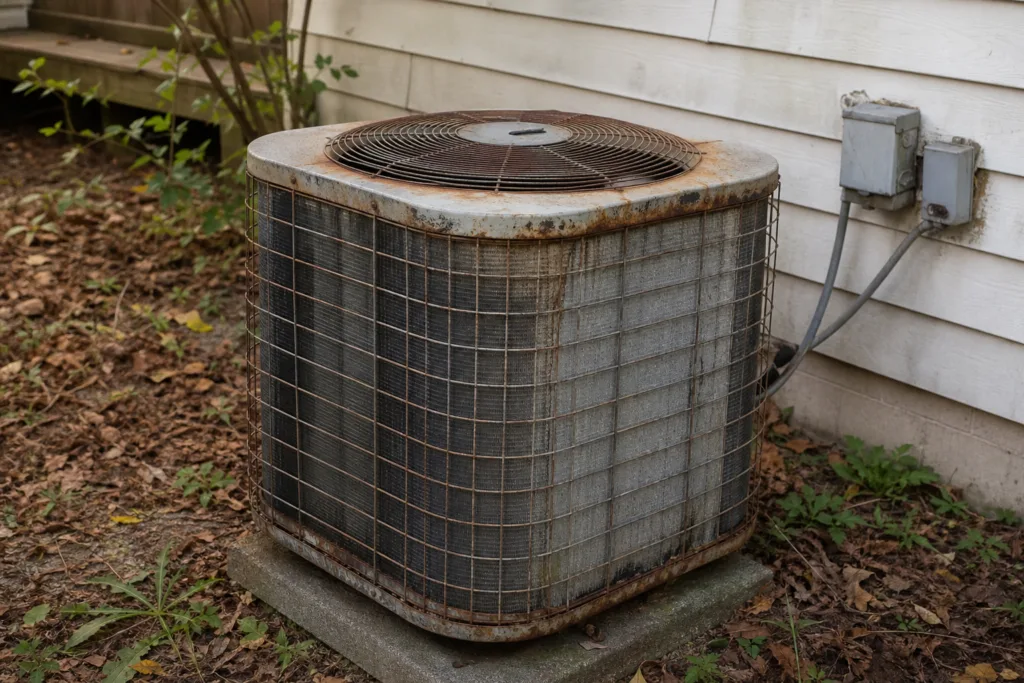
01
Duct cleaning
Duct leakage tested with figures recorded before work begins

02
Duct sealing
Static pressure measured to identify restriction

03
Duct repair
Return air sizing evaluated, a frequent local shortfall

04
Duct replacement
Attic duct insulation inspected for condition and coverage
05
Compressor repair/replacement
Sealing performed with mastic rather than tape alone
06
Thermostat or control board
Post-work leakage retest with results provided to you
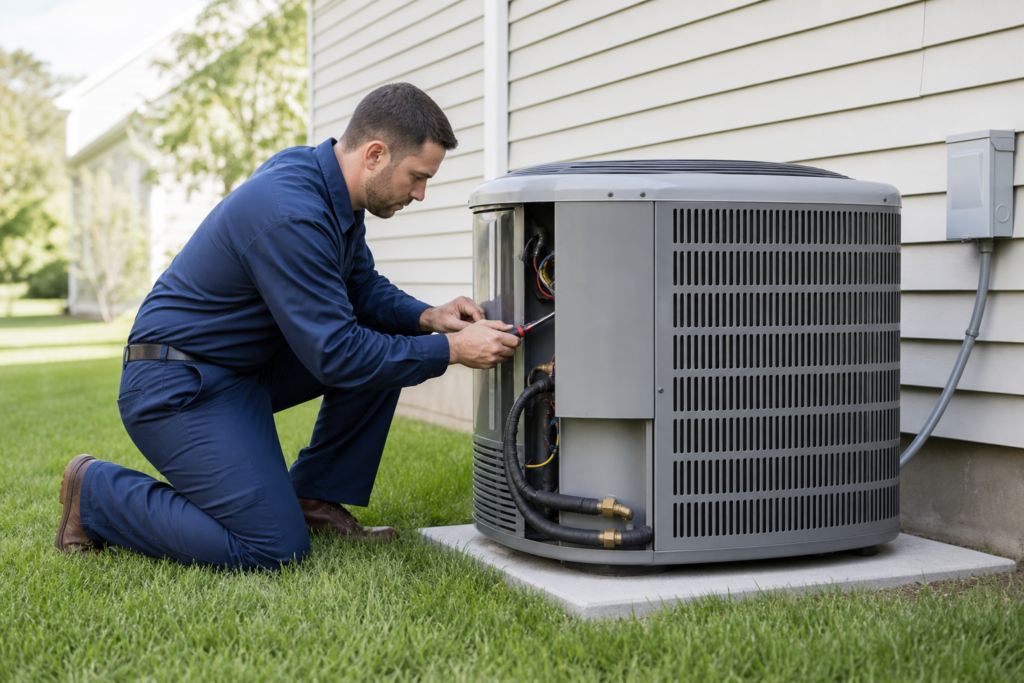
The Process
What Duct Services Include
💰
Inspection
Leakage Tested Before and After
🏠
Sealing or repair
Mastic Sealing, Not Tape Alone
🔧
Cleaning
Return Air Sizing Assessed
🌬️
Testing
Cheaper When Bundled With Equipment Work
📈
Compare Quotes
Immediate Improvement in Distant Rooms
🤫
Peace of Mind
Three Competing Quotes to Compare
Choosing Right
How to Choose a Duct Contractor in Clovis
How to tell real duct work from a quick spray of sealant
Key Factors to Consider
- Measured, Not Estimated
Require a duct leakage test with figures before and after. Without measurement nobody has verified the work achieved anything. - Mastic, Not Tape Alone
Tape adhesive degrades in a 150°F Clovis attic. Mastic at joints and boots lasts decades. Ask which method will be used and where. - Return Air Assessed
Undersized return air is one of the most common faults in Valley homes, and it is often cheaper to correct than an equipment upgrade. - Bundle With Equipment
Duct work performed during a system replacement costs considerably less than a separate visit, and may allow a smaller unit to perform better.
Repair vs. Replace Decision Guide
🔍 Seal and Insulate If:
- Leakage is at joints and boots
- Duct runs are otherwise sound
- Insulation is largely intact
- Runs cross a hot attic
🔄 Replace or Redesign If:
- Flex duct is brittle or crushed
- Runs undersized or badly routed
- Return air is insufficient
- Ducts predate the equipment
💡 Pro Tip
1. Require a duct leakage test with numbers before and after the work
2. Insist on mastic at joints and boots — tape alone commonly fails within a few years
3. Ask whether return air is adequately sized; insufficient return is a frequent local fault
4. Bundle duct work with equipment replacement, which is considerably cheaper
Seal, Repair or Replace
Not every duct system needs replacing. If the runs are sound and the losses are at joints and boots, sealing is inexpensive and highly effective. If the flex duct is brittle, crushed, badly routed or undersized, sealing a failing system is a poor investment. A contractor who measures first can tell you which situation you are in rather than defaulting to the larger job.






Expert Advice
What Clovis Homeowners Say
1
The Back Bedroom Finally Cooled
Our back bedroom had never cooled properly. The duct test showed most of the loss was in that run and sealing it fixed what a new condenser had not.
2
Only One Contractor Tested Leakage
Only one contractor tested leakage. The other two quoted full replacement without measuring anything.
3
Bundling It With the System Saved Money
Doing the ducts at the same time as the new system cost far less than having them come back separately.
4
Our Return Duct Was Undersized
The return duct turned out to be undersized for our system. That explained years of weak airflow.
Know Your Options
When to Repair vs. When to Replace
🔧 Repair Makes Sense If...
• Leakage is concentrated at joints and boots
• Duct runs are otherwise sound
• Insulation is intact
• Runs cross an unconditioned attic
VS
✨ Consider Replacement If...
• Flex duct is brittle or crushed
• Runs are undersized or badly routed
• Return air is insufficient
• Ducts predate the current equipment
Complete Guide
Complete Guide to Ductwork in Clovis
Where Clovis Ducts Actually Fail
Duct failures here follow a predictable pattern shaped by attic conditions and age.
Joints and boots come first. Connections at registers and branch takeoffs separate over time, particularly where original installation relied on tape. Tape adhesive degrades under sustained attic heat, and once it lets go the joint leaks continuously.
Flex duct is the second category. Extended exposure to attic temperatures makes the inner liner brittle, while decades of stored boxes and foot traffic crush runs and restrict airflow. A crushed duct cannot be sealed back to performance; it needs replacing.
The third and most overlooked is the return side. Many Valley homes were built with return air undersized for the equipment installed, which raises static pressure across the whole system, reduces airflow and strains the blower. It also means any return leak pulls superheated attic air straight into the system.
Why Leakage Testing Changes Everything
Duct work is uniquely easy to sell and uniquely hard to verify, which is why measurement matters so much.
A duct leakage test pressurises the system and quantifies how much air escapes. That single figure tells you whether your ducts are a minor issue or the dominant problem in your home's comfort and energy use. Static pressure readings then reveal whether airflow is being restricted, which is a different problem with different solutions.
With those numbers, the conversation becomes concrete: this is what you are losing, this is the scope, and here is the retest proving the improvement. Without them you are relying on a contractor's assurance that sealing helped. Insist on before-and-after figures in writing — any contractor equipped to do the work properly will already be doing this.
Sealing Methods and What Lasts
Not all sealing is equivalent, and the difference shows up in a few years rather than immediately.
Mastic is a thick sealant applied to joints and connections, often reinforced with mesh. It remains flexible, tolerates attic heat, and lasts for decades. Properly applied mastic at every accessible joint and boot is the standard to ask for.
Foil tape has legitimate uses but fails as a primary strategy in a Clovis attic, where sustained heat degrades adhesive. Ordinary duct tape should not appear anywhere in the work. Aerosol sealing systems that distribute sealant internally can be effective where ducts are inaccessible, though they cost more.
The practical question for any quote is simple: which method, at which locations, and what is the expected life? A contractor who answers precisely is quoting real work.
Insulation and the 150-Degree Attic

Sealing addresses air escaping. Insulation addresses heat crossing the duct wall, and in a 150°F attic both matter.
Even a perfectly sealed duct gains heat as it passes through that environment. Air leaves the equipment at roughly 55°F and arrives at a distant register measurably warmer, which is why the furthest room is always the hardest to cool. Adequate duct insulation limits that gain.
Older Clovis installations frequently have insulation that has degraded, compressed or been displaced during attic work. Ask for it to be inspected along with the leakage test, and for any repair to be included in the scope.
One related item worth raising: attic ventilation and insulation levels affect duct performance directly. If the attic runs hotter than it needs to, every duct in it performs worse, and improving attic insulation sometimes delivers more comfort per dollar than upgrading the equipment.
Timing Duct Work With Equipment
The cheapest time to address ductwork is during equipment replacement, and the difference is substantial.
When a system is being replaced, the contractor is already on site with the equipment open and the attic accessed. Adding duct sealing costs far less than a separate visit later, and it should be part of the conversation before capacity is chosen — because a repaired duct system sometimes allows a smaller, cheaper unit to outperform a larger one.
The sequence homeowners regret is installing premium equipment first, seeing disappointing results, then paying separately for duct work that should have preceded it. If you are getting replacement quotes, ask every contractor to include duct testing in the assessment and to price sealing as a line item. Any quote that ignores the ducts entirely is incomplete in this climate.
Where We Serve
Ductwork for Clovis Homes
Clovis neighborhoods and nearby Fresno County communities we cover
📍 Old Town Clovis
📍 Harlan Ranch
📍 Loma Vista
📍 Tarpey Village
📍 Fort Washington
📍 Woodward Park
📍 Clovis
📍 Sanger
Common Questions
Ductwork Services FAQ — Clovis Homeowners
How long does duct sealing take in Clovis?
Duct sealing on an accessible system is usually completed in a day. Partial replacement or a redesign of poorly routed runs takes longer. Ask whether the quote includes the before-and-after leakage test, since that adds a modest amount of time and is the only way to verify the result.
Why does ductwork matter so much in the Valley?
In Clovis it is frequently the highest-value HVAC work available, because ducts run through an attic reaching roughly 150°F. Losses there are far larger than in a mild climate. Many homeowners who replace equipment and see disappointing results were limited by duct performance rather than the condenser.
Why compare three ductwork quotes?
Comparing three quotes is particularly important on duct work because scope varies enormously. One contractor may quote sealing, another full replacement, and only one may test leakage first. Ask each whether testing is included, because a quote produced without measurement is an estimate of a problem nobody has quantified.
How do I know if my ducts are leaking?
The reliable answer is a duct leakage test, which quantifies the loss. Common symptoms include weak airflow at distant vents, rooms that never reach setpoint in July, summer bills higher than comparable homes, and visible dust discharge from registers. Those signs justify testing but do not substitute for it.
Is duct sealing or duct replacement the right choice?
It depends on the condition of the runs, which is why measurement comes first. If the runs are sound and losses sit at joints and boots, sealing is inexpensive and very effective. If flex duct is brittle, crushed, undersized or badly routed, sealing a failing system wastes money and replacement is the better investment.
What should a duct assessment include?
Ask for the leakage figure before work, the static pressure reading, the sealing method and locations, the insulation assessment, whether return air sizing was evaluated, and the post-work retest result. Those items distinguish measured, verifiable work from a contractor spraying sealant at accessible joints.
What is return air and why does it matter here?
Return air is the path by which air travels back to the equipment to be cooled again. Many Valley homes were built with return sizing inadequate for the system installed, which raises static pressure, reduces airflow and strains the blower. It also means any return-side leak draws 150°F attic air directly into the system.
What sealing method should I ask for?
Mastic is the standard to ask for — a thick sealant applied at joints and boots, often mesh-reinforced, which stays flexible and tolerates attic heat for decades. Foil tape has limited uses, ordinary duct tape should not appear at all, and aerosol internal sealing can work where ducts are inaccessible but costs more.
Should I do duct work at the same time as replacing my system?
Yes, if both are needed. The contractor is already on site with the system open and the attic accessed, so the incremental cost is much lower than a separate visit. It should also happen before capacity is selected, because repaired ducts sometimes allow a smaller and less expensive unit to deliver better comfort.
Does attic insulation affect my ductwork?
Improving attic insulation and ventilation reduces the temperature the ducts sit in, which improves the performance of every run passing through it. In some Clovis homes that work delivers more comfort per dollar than upgrading equipment. Ask the contractor to comment on attic conditions as part of the duct assessment.
How long does duct sealing last?
Sealing that is done properly with mastic should last for decades. Tape-based repairs commonly fail within a few years in attic heat. Ask for the expected service life of the method being quoted, and keep the before-and-after test figures so performance can be rechecked if comfort declines later.
Is duct cleaning the same as duct sealing?
Duct cleaning and duct sealing are different services addressing different problems. Cleaning removes accumulated debris and is worth considering if registers discharge visible dust or after major renovation. Sealing addresses air loss and energy waste. In Clovis, sealing almost always delivers the larger benefit, so do not accept cleaning as a substitute.
More Services
Related HVAC Services in Clovis
AC Repair
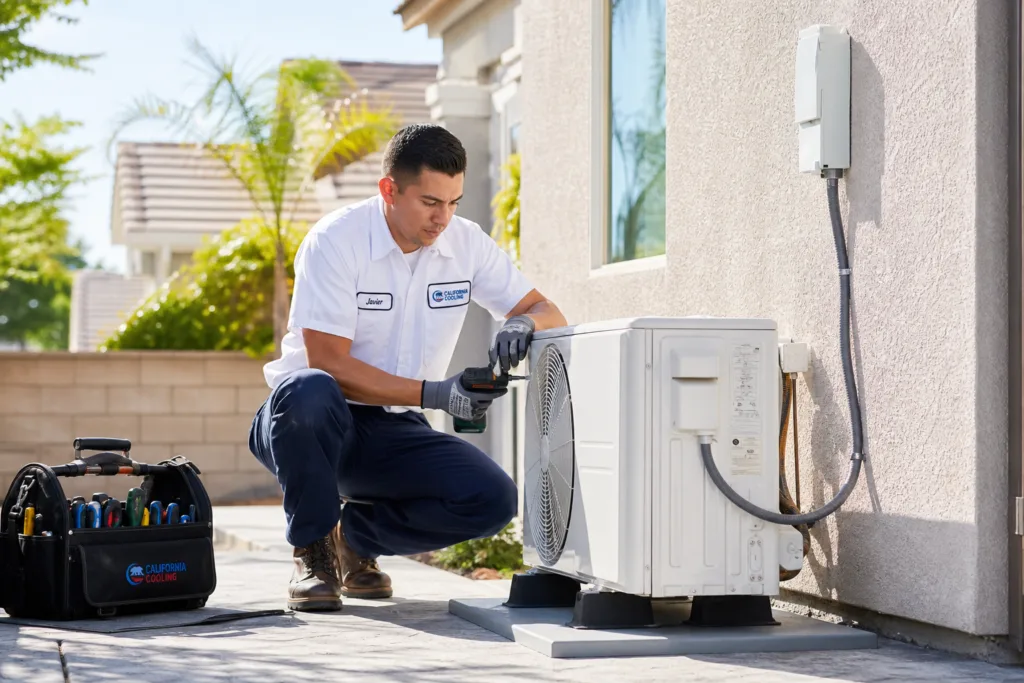
Fast, reliable AC repair for Clovis homes — diagnose and fix cooling issues.
Air Conditioning
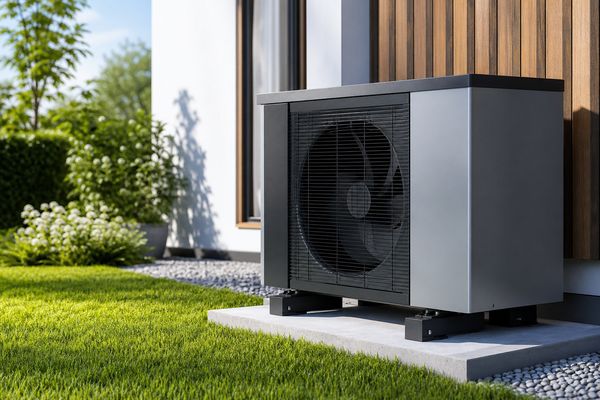
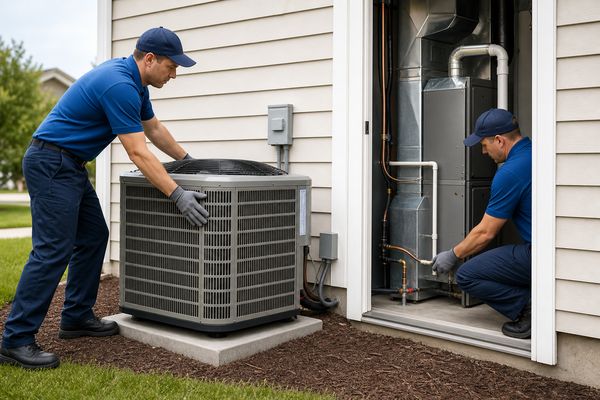
Professional AC installation and system upgrades for year-round comfort.

AC Replacement
Complete AC unit replacement with modern, high-efficiency systems.

HVAC Maintenance & Tune-Up
Preventive maintenance to extend system life and reduce breakdowns.
Heating & Furnace Repair
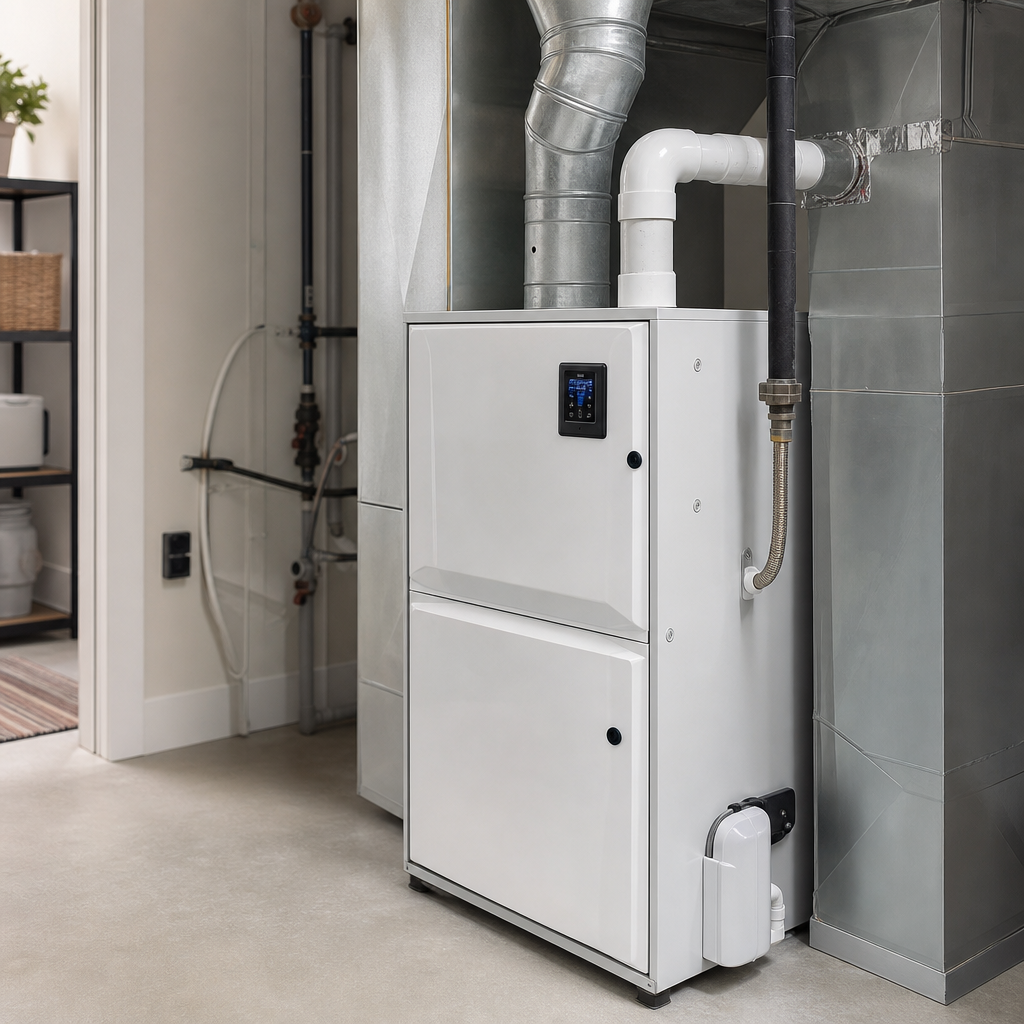
Expert diagnosis and repair for all furnace and heating system issues.

Furnace Replacement
Upgrade your heating system for better efficiency and lower energy bills.
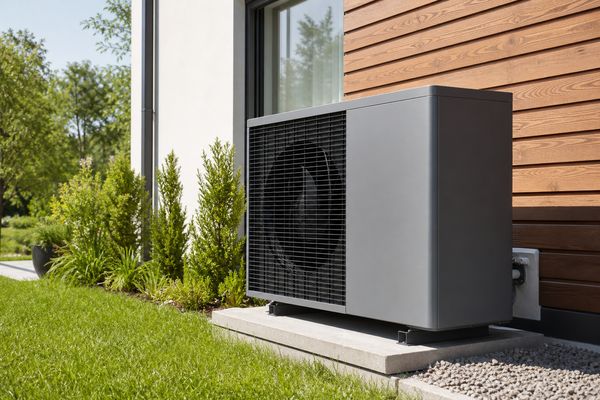
Mini-Splits & Ductless
Ductless solutions for room-by-room climate control without ductwork.
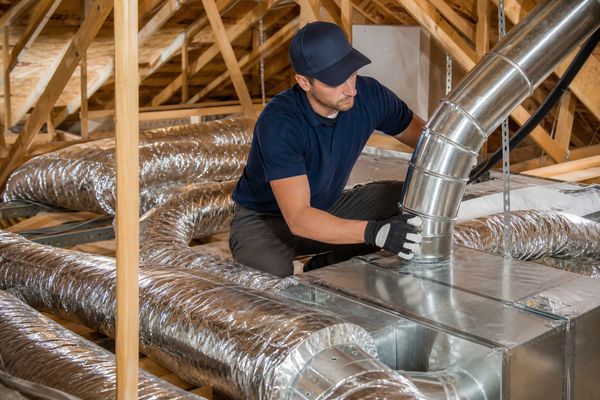
Heat Pumps
Energy-efficient heating and cooling in one versatile system.

Indoor Air Quality
Air filtration, purification, and ventilation for healthier indoor air.
Get Three Ductwork Quotes in Clovis
Compare scope, testing and pricing from licensed Fresno County contractors. Free, fast and no obligation.