
AC Replacement in Clovis, CA
Clovis grew fast, and the air conditioners installed during that tract-housing boom are now reaching the end of their service life. Four-month cooling seasons age equipment faster than the calendar suggests. Compare three replacement quotes from licensed local contractors.
Or call us: 760-223-7267
✅ Licensed & Pre-Screened Contractors
💰 Best Price Guarantee
⚡ Fast & Free — No Obligation
📊 Transparent Pricing Comparison
🏠 Local Experts Who Know Your Area
🕐 Same-Day Quotes Available

AI Matched Contractors
Our technology helps match you with trusted, top-rated HVAC pros so you can compare price, service, equipment, and warranty.
Get Your Free Quote Now
High-Efficiency
High-Efficiency Systems
1–2
1–2 Day Install
Up to
Up to 40% Energy Savings
100%
100% Licensed
3
3 Free Quotes
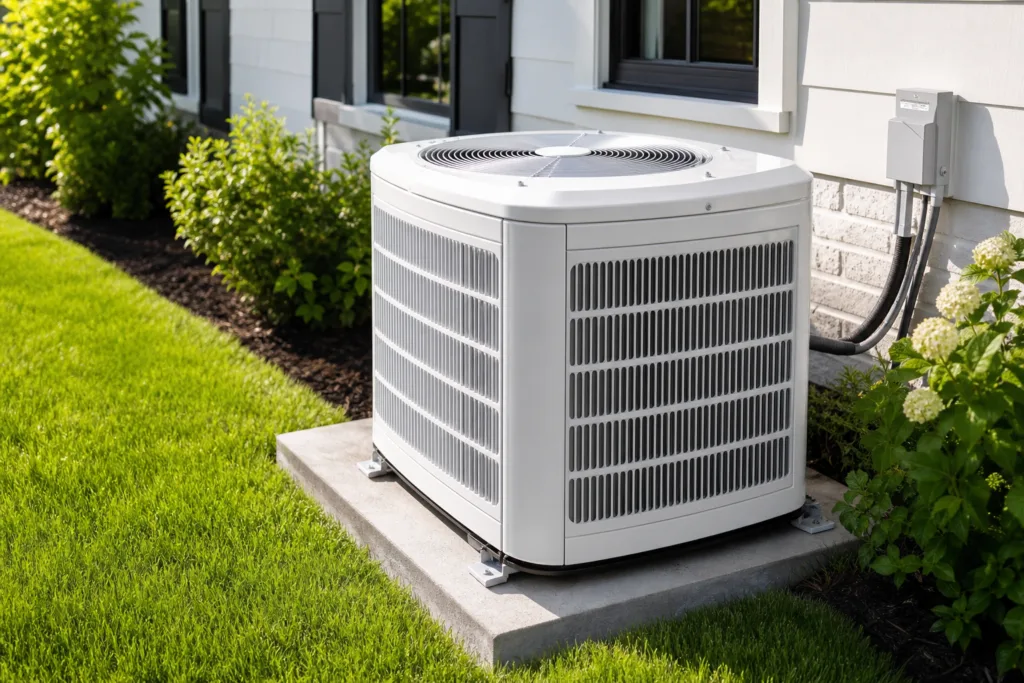
Understanding AC Replacement
Why Clovis Systems Retire Earlier Than the Coast
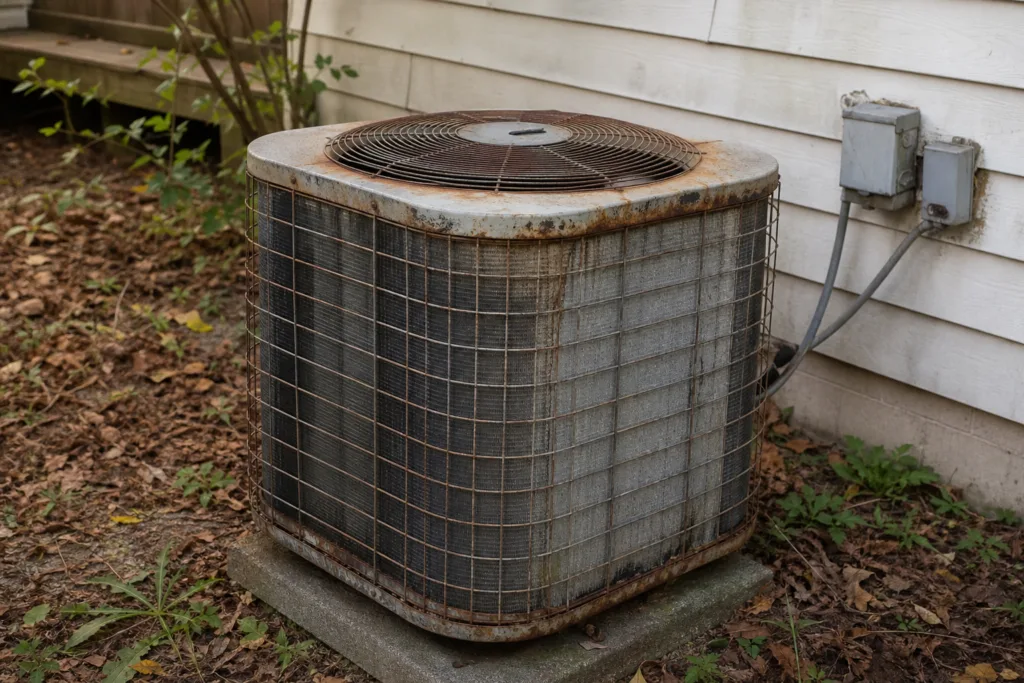
Equipment life is measured in operating hours, not years. A Clovis condenser runs from roughly June through September, frequently for most of the day, and often against outdoor temperatures above 100°F. That duty history is several times heavier than an identical unit installed in a mild coastal climate.
Original builder-grade equipment from the tract boom • Systems still running discontinued R-22 refrigerant • Repairs in consecutive summers • Rooms that never reach setpoint in July • Summer bills climbing without a rate change • Compressor failure on a unit past fifteen years
The practical result is that a fifteen-year-old Clovis system is genuinely near the end, while a fifteen-year-old coastal unit may have years left. Much of the local housing stock was built between the mid-1990s and the late 2000s, which means a large number of original builder-grade systems are hitting that threshold at once.
Why Act Fast
Signs It's Time to Replace Your AC
12–15+ years old
Your System Is Original to a 1990s or 2000s Tract Home
Uses R-22 refrigerant
You Have Paid for Repairs Two Summers Running
Frequent, costly repairs
The Unit Still Uses R-22 Refrigerant
Rising energy bills
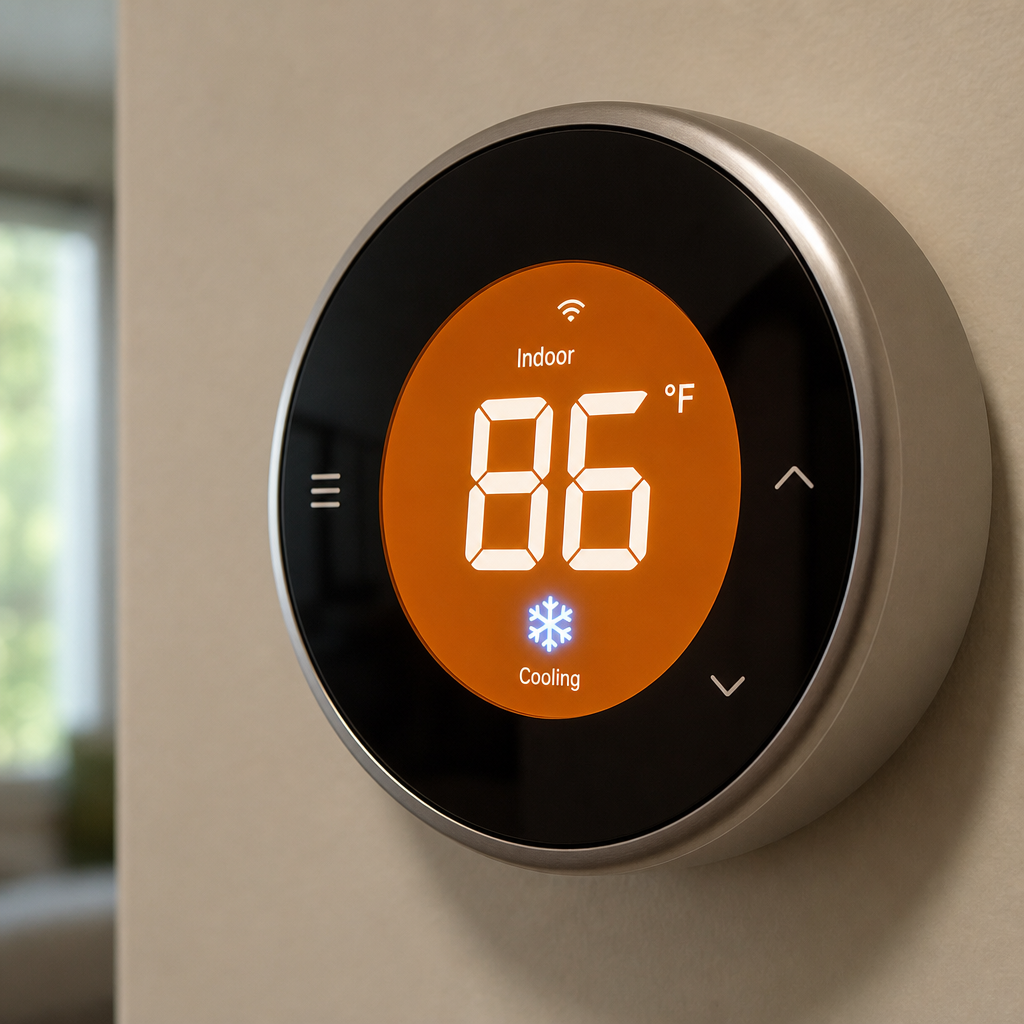
The House No Longer Reaches Setpoint on 105°F Days
Can't keep up in heat waves
You Are Facing a Compressor or Coil Replacement

What Replacement Actually Costs to Run
Purchase price is the number most homeowners compare, but in Clovis the operating cost over the next fifteen summers is larger and more variable. A system with a higher efficiency rating costs more once and saves every month it runs, and here it runs a great deal. Ask each contractor for the estimated annual operating cost alongside the equipment price so you are comparing lifetime cost rather than sticker price.
Key Details
What Drives AC Replacement Cost
What a complete Clovis replacement quote includes
01
System size (tonnage)
A fresh Manual J load calculation rather than matching the old capacity
02
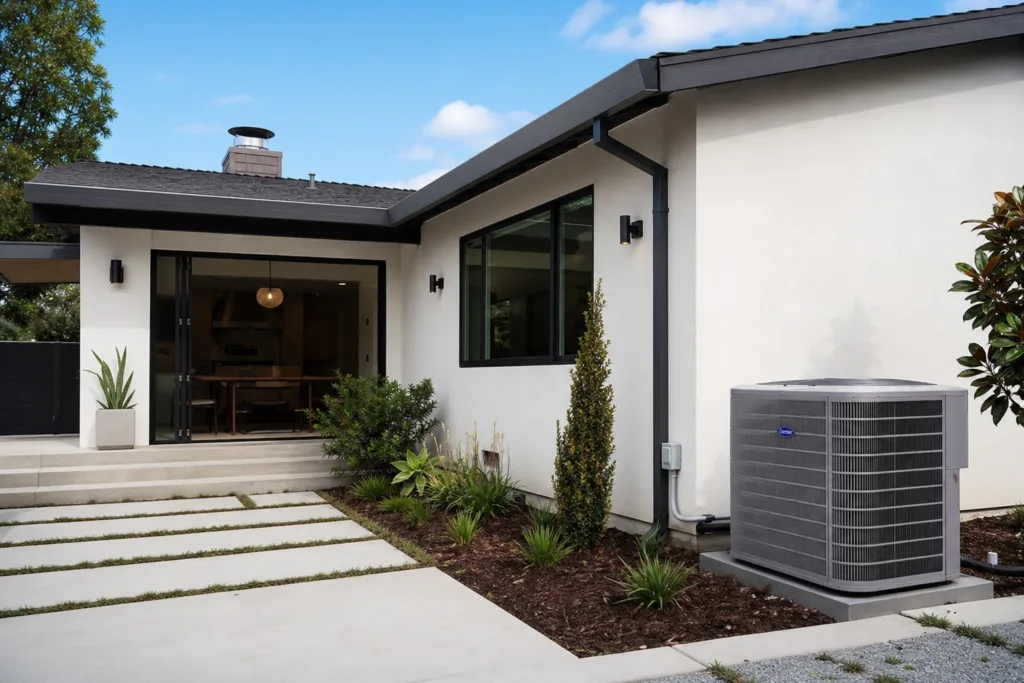
Efficiency (SEER2)
Ductwork inspected, with leakage and sizing documented
03
Ductwork condition
Electrical panel capacity verified before installation day

04
Electrical needs
Permit, inspection, disposal and refrigerant recovery included
05
Compressor repair/replacement
Efficiency tiers priced side by side with annual operating cost
06
Thermostat or control board
Equipment and labor warranties stated separately in writing
The Process
What to Expect From an AC Replacement
💰
Load calc & assessment
Correct Sizing for a 105°F Design Day
🏠
Equipment selection
Ductwork Evaluated Before Equipment Selection
🔧
Removal & installation
Fast Efficiency Payback Given Local Runtime
🌬️
Commissioning
Rebates and Incentives Identified
📈
Compare Quotes
Permit and Inspection Handled
🤫
Peace of Mind
Three Competing Quotes to Compare
Choosing Right
How to Choose a Replacement Contractor in Clovis
What to require before signing a replacement quote
Key Factors to Consider
- Fresh Load Calculation
Require a new Manual J rather than a size match to the existing unit. Many Clovis homes were oversized when built, and replacement is the chance to correct it. - Ducts Inspected First
Attic duct leakage often wastes more than an equipment upgrade recovers. The inspection should happen before capacity is chosen. - Complete Written Scope
Permit, inspection, disposal, refrigerant recovery and any duct or electrical work should be itemised, not added later as change orders. - Rebate Handling
Ask which incentives apply to the quoted equipment and whether the contractor files the paperwork or leaves it to you.
Repair vs. Replace Decision Guide
🔧 Repair Makes Sense If:
- Under 12 years old
- Isolated component failure
- Repair under half of replacement
- Still uses R-410A
🔄 Replace If:
- 15+ Valley cooling seasons
- Runs discontinued R-22
- Repairs in consecutive summers
- Facing compressor or coil work
💡 Pro Tip
1. Insist on a new load calculation — do not carry forward the old system's size
2. Have the ducts inspected before equipment is chosen; attic losses often exceed equipment gains
3. Compare efficiency tiers on estimated annual operating cost, not purchase price
4. Ask which rebates apply and whether the contractor files the paperwork
Right-Sizing Is the Most Common Missed Opportunity
A large share of Clovis systems were oversized when the houses were built, because sizing by square footage was standard practice. Replacing like for like carries that error into the next fifteen years. A correctly sized system costs less to buy, runs longer cycles that even out temperatures between rooms, and handles humidity better. Ask what capacity the load calculation returned and how it compares to what is currently installed.






Expert Advice
What Clovis Homeowners Say
1
Only One Quote Included the Ducts
Our 1999 tract home still had the original unit. Three quotes ranged widely, and only one included the duct repairs that turned out to be the real problem.
2
Replacing Beat Repairing the Compressor
We were quoted a compressor replacement on a seventeen-year-old system. Comparing quotes showed replacement made far more sense given how much it runs here.
3
The Load Calculation Came Back Smaller
The load calculation came back smaller than what we had. Cheaper equipment and the house is more even than it has ever been.
4
They Handled the Rebate Paperwork
One contractor handled the rebate paperwork and the others left it to us. That difference was worth real money.
Know Your Options
When to Repair vs. When to Replace
🔧 Repair Makes Sense If...
• The system is under 12 years old
• This is an isolated component failure
• The repair is well under half of replacement
• It still uses R-410A refrigerant
VS
✨ Consider Replacement If...
• 15+ years of Valley cooling seasons
• Runs discontinued R-22 refrigerant
• Repairs in consecutive summers
• Facing a compressor or coil replacement
Complete Guide
Complete Guide to AC Replacement in Clovis
Knowing When Replacement Is the Right Call
The decision arrives in one of two ways: planned in spring, or forced in July. The difference in cost and outcome is substantial.
A planned replacement allows a proper load calculation, time to compare three quotes, availability of the equipment you actually want, and the opportunity to bundle duct repairs while the system is open. A forced replacement during a heat wave means accepting whoever can come, whatever is in stock, at whatever the price is.
If your system is past fifteen years and struggled last summer, treat this spring as the deadline. The equipment will not improve over another season, and the negotiating position only gets worse once the heat arrives.
Sizing: Your Chance to Fix an Old Mistake
Replacement is the one moment you can fix a sizing mistake that has been costing you for years.
Many homes here were fitted using square-footage rules of thumb, which tended to oversize. An oversized system satisfies the thermostat quickly and shuts down before it has moved enough air to even out the house or remove humidity, leaving the west-facing rooms warm while the hallway reads correctly.
A Manual J calculation using local design conditions gives the real number. Sometimes it is smaller than what is installed, which means lower equipment cost and better comfort. Ask for the calculated figure and how it compares with the existing capacity — a contractor who simply matches the old size has skipped the most valuable step.
Where Efficiency Money Actually Pays Back
Higher-rated equipment converts electricity into cooling more effectively, and the value of that depends on hours of operation.
Because Clovis runs a long, punishing cooling season, the annual saving from an efficiency upgrade is considerably larger than the same upgrade would yield on the coast. That shortens payback and strengthens the case for stepping up a tier or two.
There is a second benefit that rarely appears in the sales conversation. Variable-speed equipment runs longer at reduced output rather than cycling at full blast, which distributes air more evenly through long duct runs. In a Valley tract home with one stubbornly warm bedroom, that behaviour is often more noticeable than the utility saving.
Never Replace the Unit and Ignore the Ducts

New equipment feeding a leaking duct system in a 150°F attic is the most common disappointment in Valley HVAC.
The physics is simple. Air chilled to roughly 55°F travels through a space far hotter than the house. Leakage dumps that air into the attic, while the return draws superheated air back in. A duct system losing a fifth of its air erases much of what a premium condenser was purchased to deliver.
Duct sealing is inexpensive compared with equipment, and it is far cheaper performed during replacement than as a separate visit later. Ask every contractor whether the ducts were inspected, what the leakage looked like, and what is included in the quote to address it.
Rebates, Permits and the Paperwork
Replacement is a permitted job. The permit means an inspector verifies refrigerant line sizing, electrical connection, condensate drainage and equipment clearances against current code, and it protects you when you sell the house.
Incentives for high-efficiency equipment and heat pump conversions can be significant, but they are administered through several different programs and change periodically. Ask which apply to the specific equipment being quoted and whether the contractor prepares the paperwork or leaves it with you.
Registration matters too. Some manufacturers reduce warranty coverage if the equipment is not registered within a set window after installation. Confirm in writing who is responsible for that step, and get both the equipment and labor warranty terms stated separately.
Where We Serve
AC Replacement for Clovis Homes
Clovis neighborhoods and nearby Fresno County communities we cover
📍 Old Town Clovis
📍 Harlan Ranch
📍 Loma Vista
📍 Tarpey Village
📍 Fort Washington
📍 Woodward Park
📍 Clovis
📍 Sanger
Common Questions
AC Replacement FAQ — Clovis Homeowners
How long does AC replacement take in Clovis?
A straightforward Clovis changeout is typically completed in one to two days. Duct repairs or an electrical panel upgrade extend that. Ask for the schedule in writing and confirm what happens if additional work is uncovered once the old equipment is removed, since that is where most timeline surprises originate.
Why does AC replacement differ in the Central Valley?
Fifteen years is a realistic threshold in Clovis, earlier than coastal averages. Equipment life tracks operating hours, and a local system runs a four-month cooling season often at full output. If the unit is past fifteen years and facing a significant repair, ask for replacement pricing alongside the repair quote before deciding.
Why compare three AC replacement quotes?
Comparing three quotes matters most on replacement because contractors may propose genuinely different systems. One may match the existing capacity, another size by square footage, and a third perform a load calculation and recommend something different. Reviewing three lets you see who measured the house and who guessed.
Should the new system be the same size as my old one?
Only if a load calculation confirms it. A large share of Clovis homes were oversized when built, and matching that capacity carries the error into another fifteen years. A right-sized system often costs less, runs longer cycles, and distributes air more evenly — which is exactly what helps the room that has always run warm.
What should I ask before signing a replacement contract?
The quote should include equipment, labor, permit and inspection, removal and disposal of the old system, refrigerant recovery, and any duct or electrical work identified during the assessment. Ask what happens if extra work becomes necessary mid-project, and get that answer in writing before signing.
Should I replace the ductwork at the same time?
Inspect it at minimum. Clovis ducts usually run through an attic reaching roughly 150°F, so leakage wastes a significant share of what new equipment produces. Sealing or repairing ducts during replacement costs far less than a separate visit later, and it occasionally allows a smaller, cheaper system to outperform a larger one.
What warranty should a new AC system carry?
Ask for the manufacturer equipment warranty and the contractor labor warranty separately and in writing. Confirm who registers the equipment, because some manufacturers reduce coverage if registration is missed. Also confirm whether continued coverage requires documented annual maintenance, which is common and easy to overlook.
Is it worth considering a heat pump instead of a straight AC replacement?
It is worth pricing. Clovis has genuine winter nights alongside extreme summers, and a heat pump handles both from one system while qualifying for larger incentives. The trade-off is sizing: the equipment must cover a demanding cooling load and still heat adequately on the coldest nights. Ask for both options quoted so you can compare directly.
My system uses R-22. Should I replace it now?
R-22 is no longer manufactured, so the remaining supply is reclaimed and increasingly expensive. If your system uses it and develops a leak, refrigerant alone can cost more than the labor, and that cost rises annually. On an R-22 system past fifteen years, replacement is usually the better financial decision.
When is the best time of year to replace an AC?
Spring or autumn. In shoulder season you can obtain a proper assessment, compare three quotes without pressure, and have the contractor order the right equipment rather than installing whatever is in stock. Replacing during a July failure removes all of that leverage and typically costs more for a less considered result.
How do I verify my new system is performing properly?
Ask the installer to verify and share airflow and static pressure readings at completion, then check that previously warm rooms now hold within a couple of degrees of the thermostat. If they do not, the limitation is distribution rather than capacity, and it should be resolved under the original scope instead of becoming a separate project.
More Services
Related HVAC Services in Clovis
AC Repair
Fast, reliable AC repair for Clovis homes — diagnose and fix cooling issues.
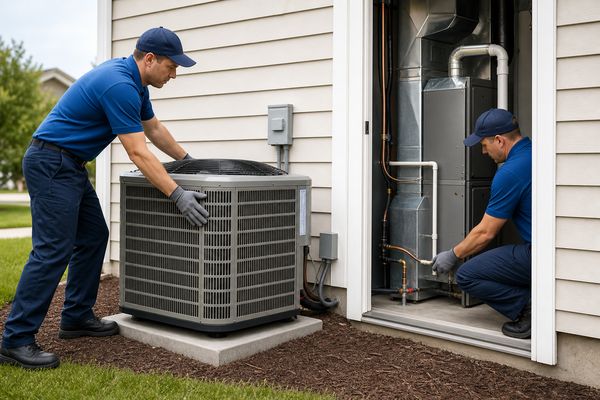
Air Conditioning
Professional AC installation and system upgrades for year-round comfort.

HVAC Maintenance & Tune-Up
Preventive maintenance to extend system life and reduce breakdowns.

Heating & Furnace Repair
Expert diagnosis and repair for all furnace and heating system issues.
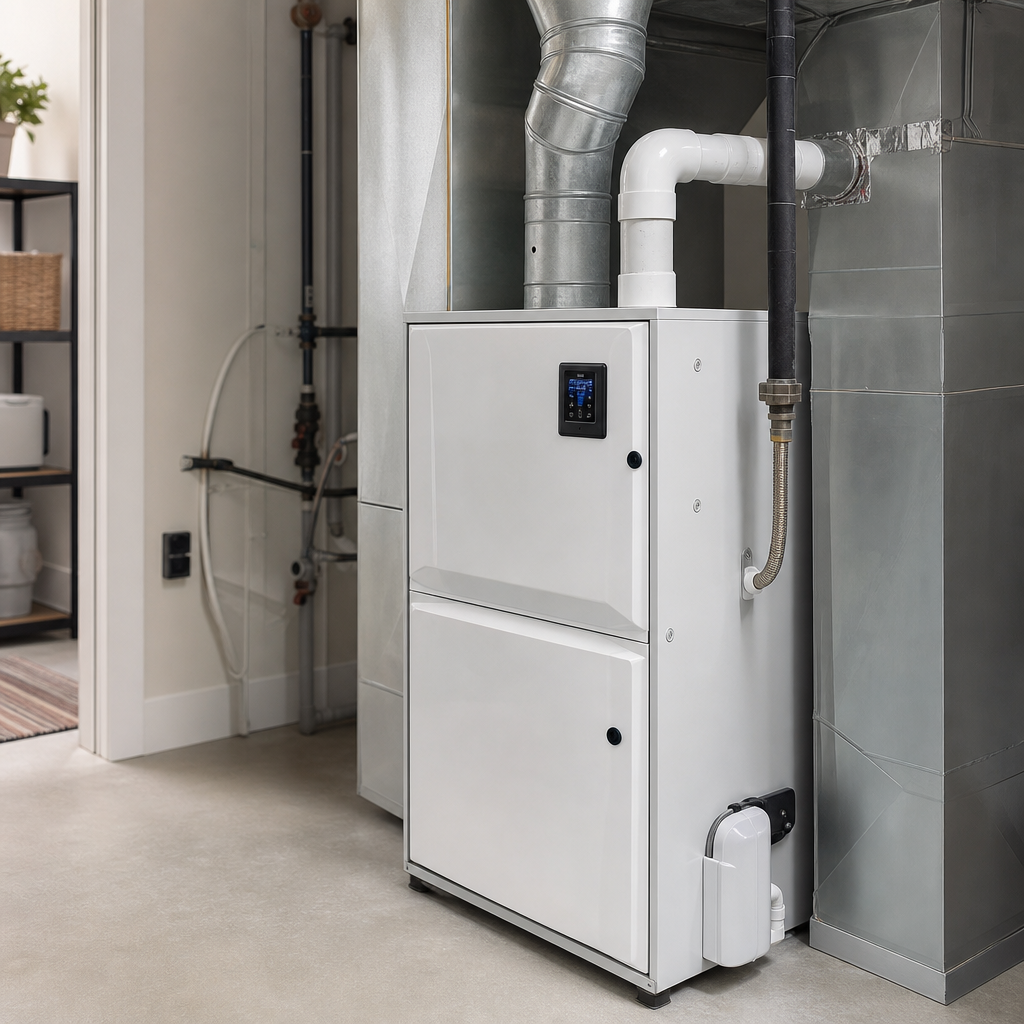
Furnace Replacement
Upgrade your heating system for better efficiency and lower energy bills.

Mini-Splits & Ductless
Ductless solutions for room-by-room climate control without ductwork.
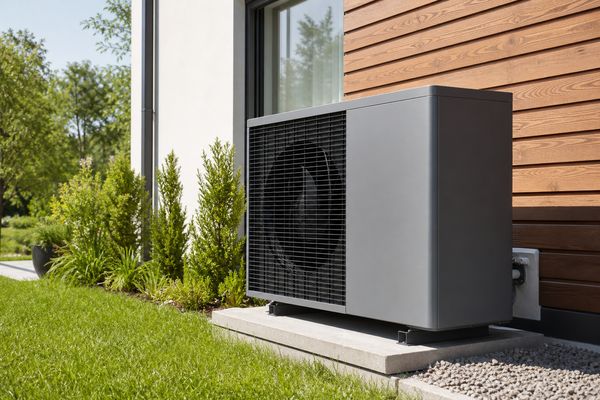
Heat Pumps
Energy-efficient heating and cooling in one versatile system.
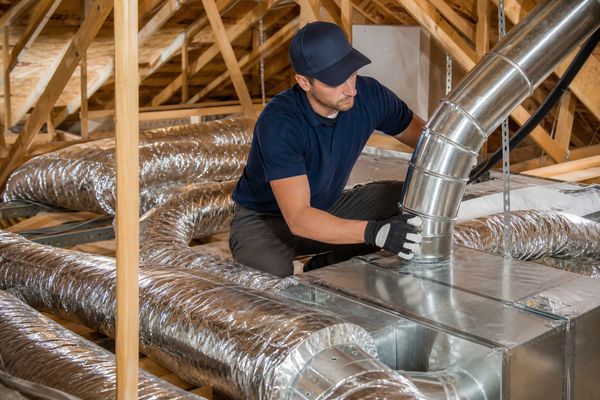
Ductwork
Duct repair, sealing, replacement, and cleaning for optimal airflow.

Indoor Air Quality
Air filtration, purification, and ventilation for healthier indoor air.
Get Three AC Replacement Quotes in Clovis
Compare equipment, efficiency and pricing from licensed Fresno County contractors. Free, fast and no obligation.