
Indoor Air Quality in Oceanside, CA

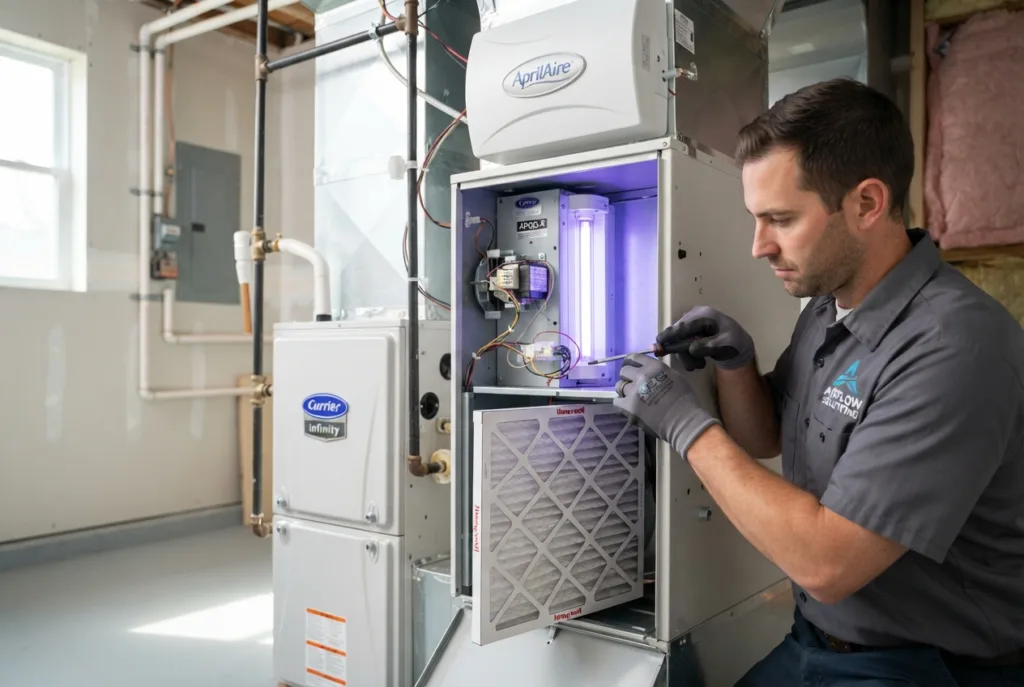
What Is Indoor Air Quality & When Do You Need It?
Top Reasons Oceanside Homeowners Need Indoor Air Quality
Southern California Wildfire Smoke Is a Recurring Health Hazard
Allergens Accumulate Indoors Year-Round
Dry Climate Creates Low-Humidity Health Concerns
Tightly Built Homes Trap Pollutants Without Ventilation
Mold Prevention Requires Humidity and Ventilation Management
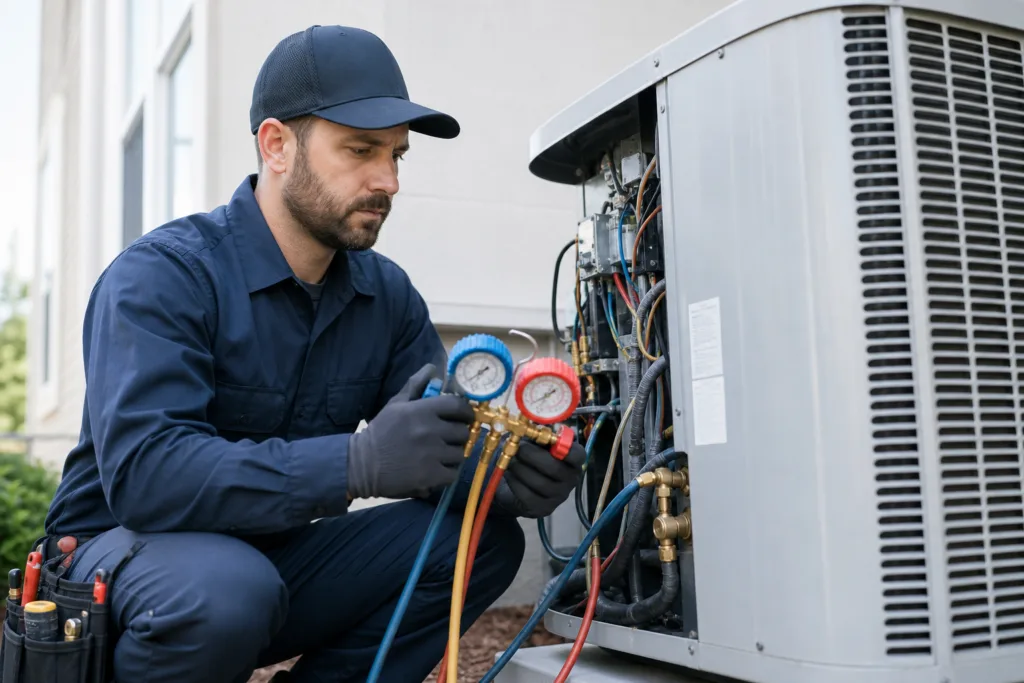
Ready to Compare Indoor Air Quality Quotes in Oceanside?
6 Signs Your Home Has Indoor Air Quality Problems
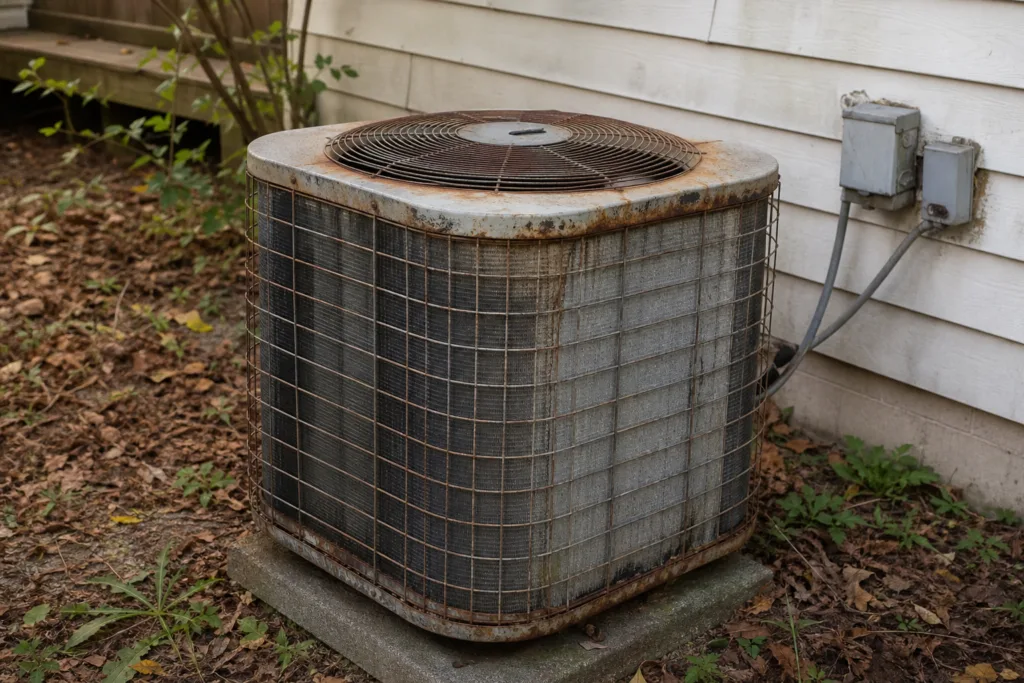
Increased Allergy or Asthma Symptoms Indoors
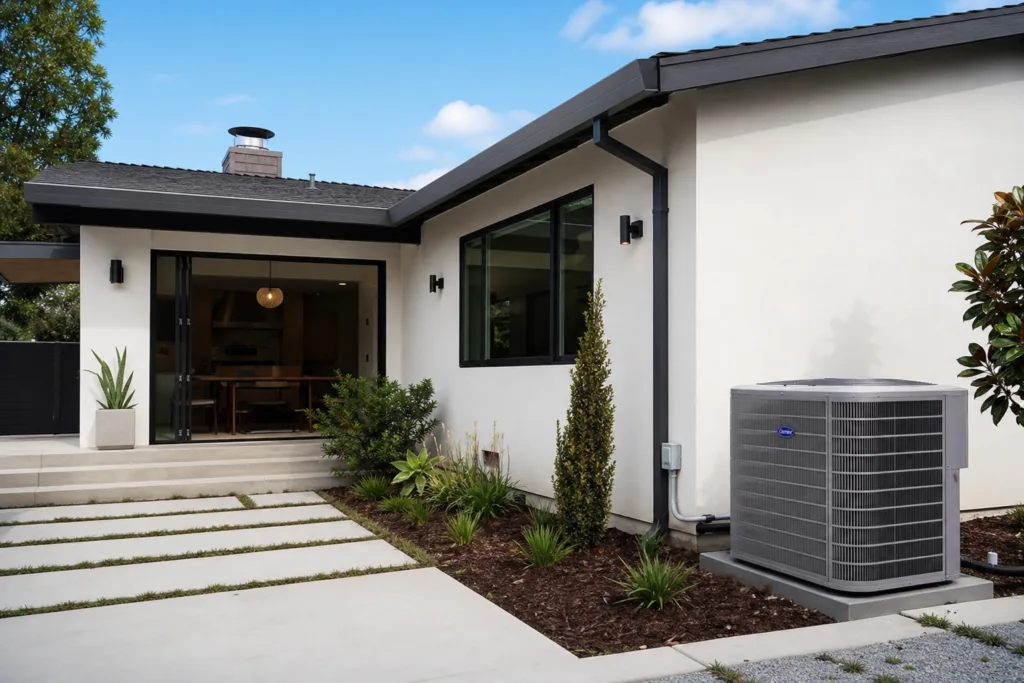
Persistent Musty or Chemical Odors
Excessive Dust Despite Regular Cleaning

Dry Skin, Nosebleeds, or Static Electricity
Condensation on Windows or Walls
Visible Smoke or Haze During Wildfire Events
What Professional Indoor Air Quality Delivers
Reduced Exposure to Allergens and Irritants
Protection During Wildfire Smoke Events
Healthier Humidity Levels Year-Round
Fresher Air Through Controlled Ventilation
Reduced Microbial Load With UV-C Treatment
Better Sleep and Cognitive Comfort
How to Choose the Right Indoor Air Quality Contractor
Key Factors to Consider
- Diagnosis Before Equipment
Insist on humidity readings and a duct assessment before anyone recommends a product. Most Oceanside complaints trace to moisture or duct leakage. - Match Solution to Problem
A purifier does not fix humidity and a dehumidifier does not fix duct leakage. Three different products means three different diagnoses. - Airflow-Safe Filtration
High-MERV filters can restrict airflow on systems not designed for them, which makes coastal moisture problems worse. - Start With the Cheap Fixes
Duct sealing and condensate service frequently resolve the complaint before any new equipment is needed.
Filtration vs. Purification Comparison
🌊 Coastal Oceanside:
- Humidity is the main issue
- Dehumidification and coil treatment
- Musty odor at startup
- Condensate load runs high
🏡 Inland Oceanside:
- Dust and particulates dominate
- Filtration and duct sealing
- Newer homes may need ventilation
- Longer AC runtime
💡 Pro Tip
Ready to Get Indoor Air Quality in Oceanside?





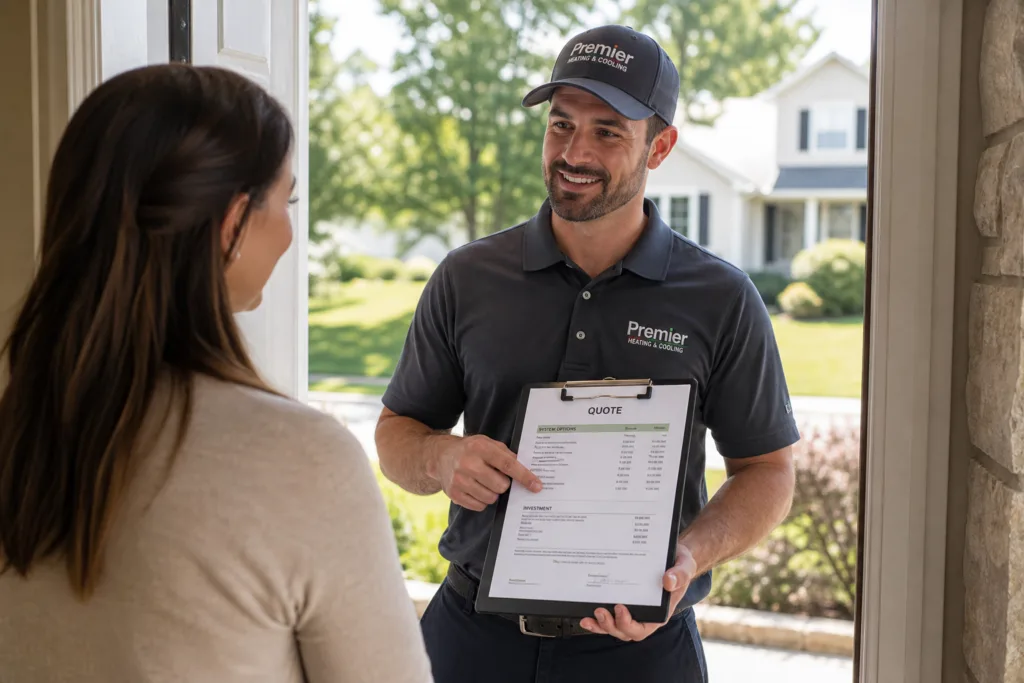
Indoor Air Quality Tips for Oceanside Homes
Measure Before You Buy Anything
Run Bath Fans Longer After Showers
Do Not Jump to the Highest MERV
Musty at Startup Means the Coil
DIY vs. Professional IAQ Solutions
🔧 You Can Handle These...
✨ Call a Professional For...
Complete Guide
The Complete Guide to Indoor Air Quality in Oceanside
Air Quality Here Is a Moisture Story
Indoor air quality in Oceanside is fundamentally a moisture story. The marine layer that gives the city its mild summers also means months of persistently humid air — through May Gray, June Gloom and well beyond in coastal neighborhoods. Combined with homes that are closed up and air conditioning that runs relatively lightly near the coast, that produces indoor conditions where moisture accumulates faster than it clears.
This inverts the usual advice. In hot dry inland climates, indoor air quality work focuses on filtration and particulates. In Oceanside the priority is humidity: damp evaporator coils growing biofilm, moisture in ductwork, mildew on exterior walls and in closets. A homeowner sold an expensive air purifier for a musty smell has usually bought a solution to the wrong problem.
Coastal and Inland Homes Differ
Coastal homes and inland Oceanside homes have genuinely different air quality profiles, and the right fix follows from which one you're in.
Near the water: humidity dominates. Dehumidification, coil treatment and condensate management are the interventions that work. Systems here run less, which means less incidental dehumidification. Inland neighborhoods: Rancho Del Oro, Ocean Hills and Whelan Ranch see more dust and particulate load and longer AC runtime, so filtration and duct sealing matter relatively more. Both: duct leakage is worth checking first, because it makes either problem worse.
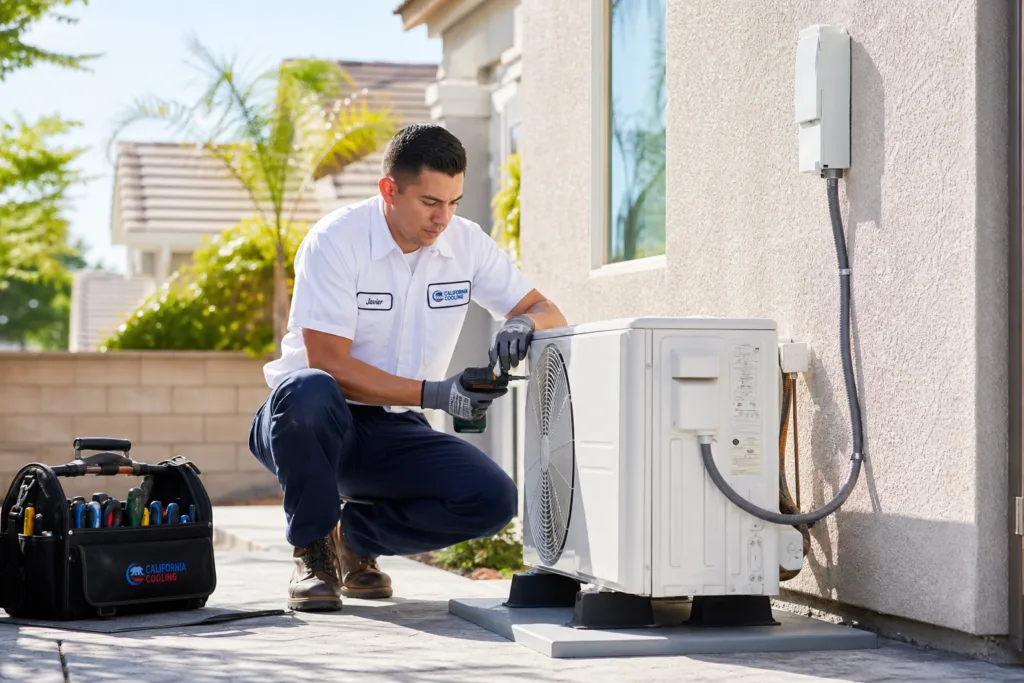
When a Home Is Too Well Sealed
Newer construction introduces a different issue — homes that are too well sealed to breathe.
The tightness problem: modern airtight construction dramatically reduces uncontrolled air exchange, which is good for energy use and bad for indoor air unless ventilation is deliberately provided. What accumulates: moisture, cooking byproducts, and off-gassing from materials, with no reliable path out. The solution: mechanical ventilation that brings in filtered outside air at a controlled rate. Older homes: generally leak enough to avoid this, which is why the advice differs so sharply between a 1950s Townsite bungalow and a recent inland build.
The Category Most Prone to Overselling
Indoor air quality is the HVAC category most prone to overselling, so quote comparison matters more here than elsewhere.

Insist on diagnosis: humidity readings and a duct assessment should precede any equipment recommendation. Match solution to problem: a purifier does not fix humidity, and a dehumidifier does not fix duct leakage. Compare like for like: if three contractors propose three different products, they have diagnosed three different problems — ask each to justify theirs. Start cheap: duct sealing and condensate service often resolve the complaint before any new equipment is needed.
What Drives Air Quality Cost
Cost varies widely depending on which measure is genuinely required.
Filtration upgrade: the least expensive option and a reasonable starting point. UV coil treatment: modest cost, targeted specifically at coil biofilm and the musty odor it causes. Duct sealing: mid range, and frequently the best value because it improves efficiency at the same time. Whole-home dehumidification: the largest investment, and the one most likely to solve the underlying problem in a coastal Oceanside home. Mechanical ventilation: varies with system type and how much ducting is required.
Indoor Air Quality Service Areas Near Oceanside
Indoor Air Quality FAQ — Oceanside Homeowners
Do upgraded HVAC filters help during wildfire smoke events?
What indoor humidity level should I aim for in Oceanside?
Does UV-C light help with the mustiness common in older Oceanside homes?
Should I add an energy recovery ventilator given Oceanside's marine layer?
Should I upgrade to a higher MERV filter?
Why does mold show up so often in Oceanside homes near the water?
Whole-home system or portable purifier?
Are VOCs a bigger concern in newer Oceanside construction?
How often does air quality equipment need service?
Will this help with pet dander?
Do I need professional air quality testing?
Related HVAC Services in Oceanside
Air Conditioning
AC Replacement
HVAC Maintenance & Tune-Up
Heating & Furnace Repair
Furnace Replacement
Mini-Splits & Ductless
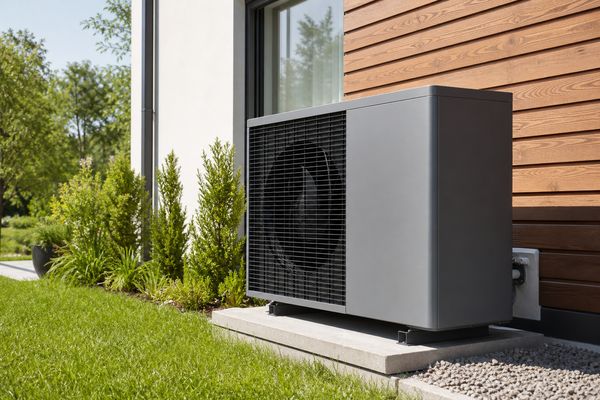
Heat Pumps
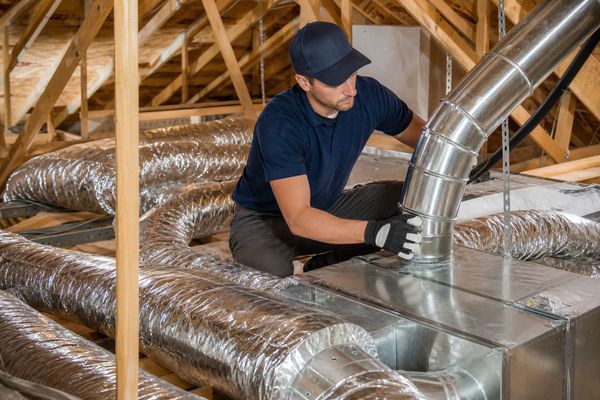
Ductwork