
HVAC Maintenance & Tune-Up in Vista, CA

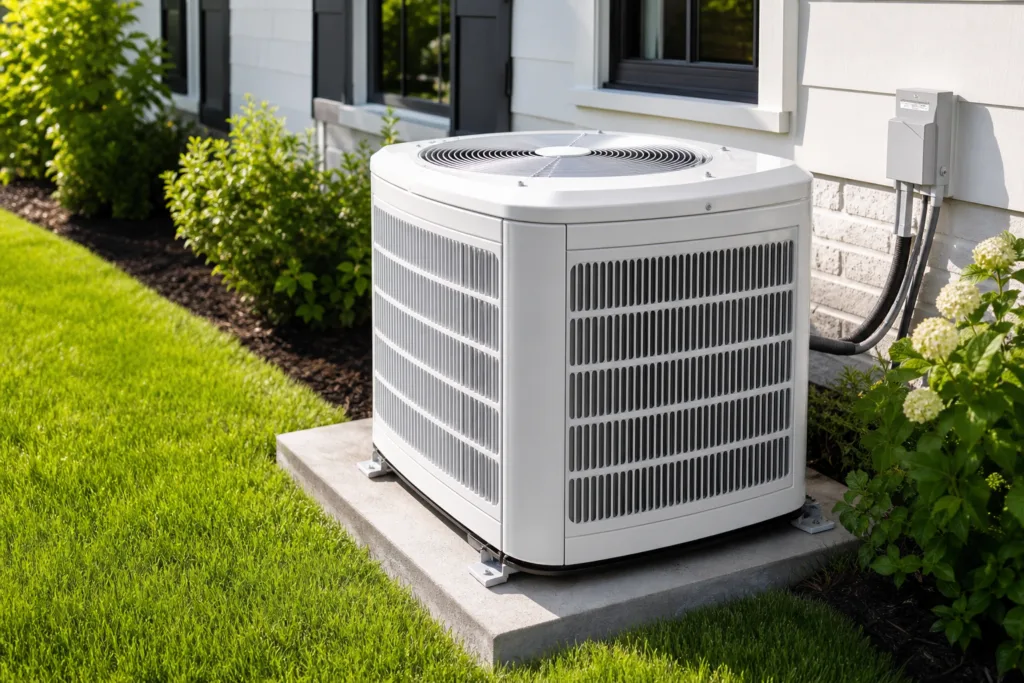
What Is HVAC Maintenance & When Do You Need It?
• Checking and adjusting refrigerant charge
• Cleaning condenser and evaporator coils
• Testing electrical connections, capacitors, and contactors
• Inspecting and replacing the air filter
• Clearing the condensate drain line
• Calibrating the thermostat
• Measuring airflow and temperature split
• Lubricating motors and inspecting the blower
Top Reasons Vista Homeowners Need HVAC Maintenance & Tune-Up
Prevents Expensive Emergency Repairs
Keeps Your System Running Efficiently
Extends the Life of Your Equipment
Supports Manufacturer Warranty Compliance
Maintains Healthy Indoor Air Quality
Ready to Compare HVAC Maintenance & Tune-Up Quotes in Vista?
Signs Your System Is Due for Maintenance
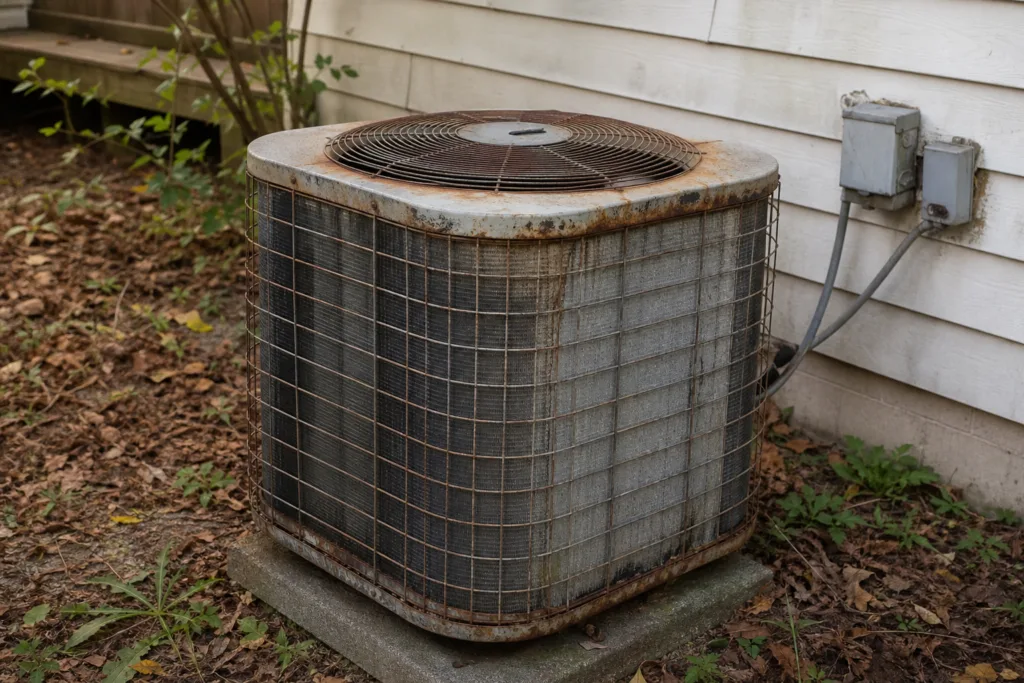
It's Been More Than a Year Since a Professional Visit
Your Energy Bills Have Crept Up Without Explanation
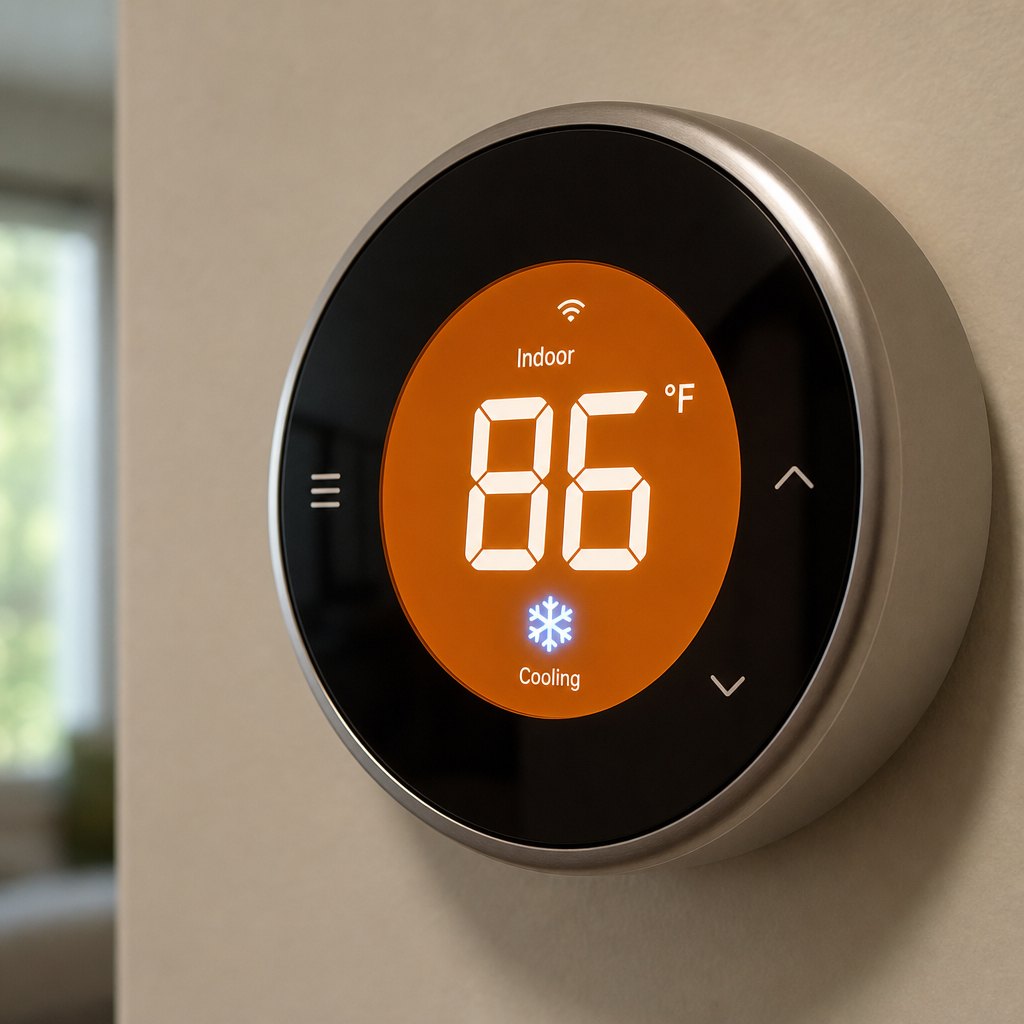
The System Takes Longer to Reach the Set Temperature

You Notice Unusual Smells When the System Runs
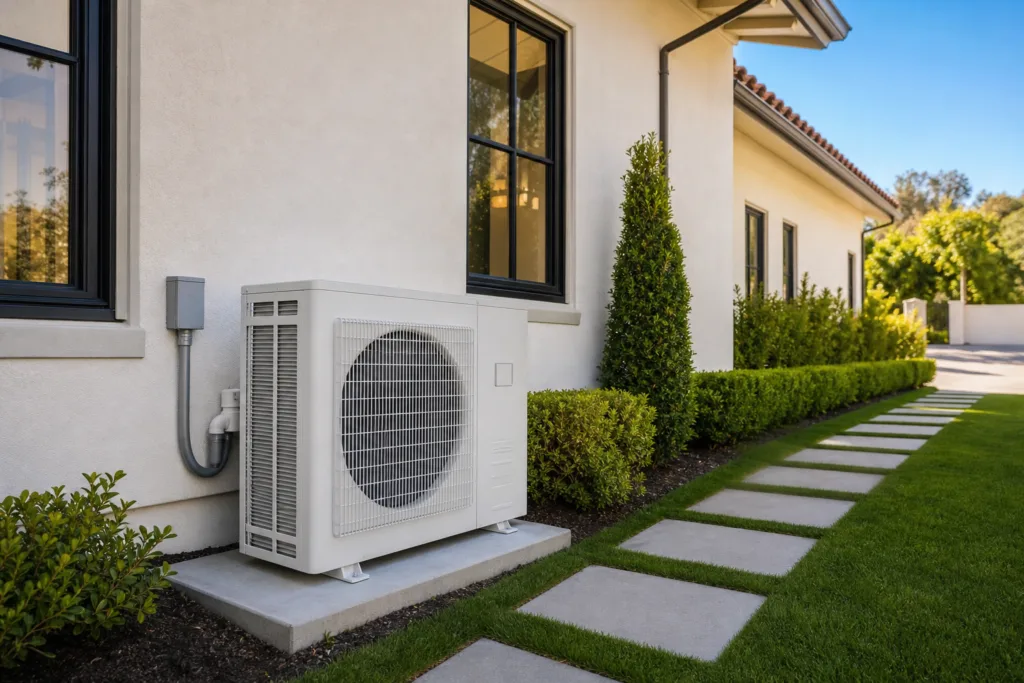
The Drain Line Has Backed Up Before
You Have No Record of When the Filter Was Last Changed
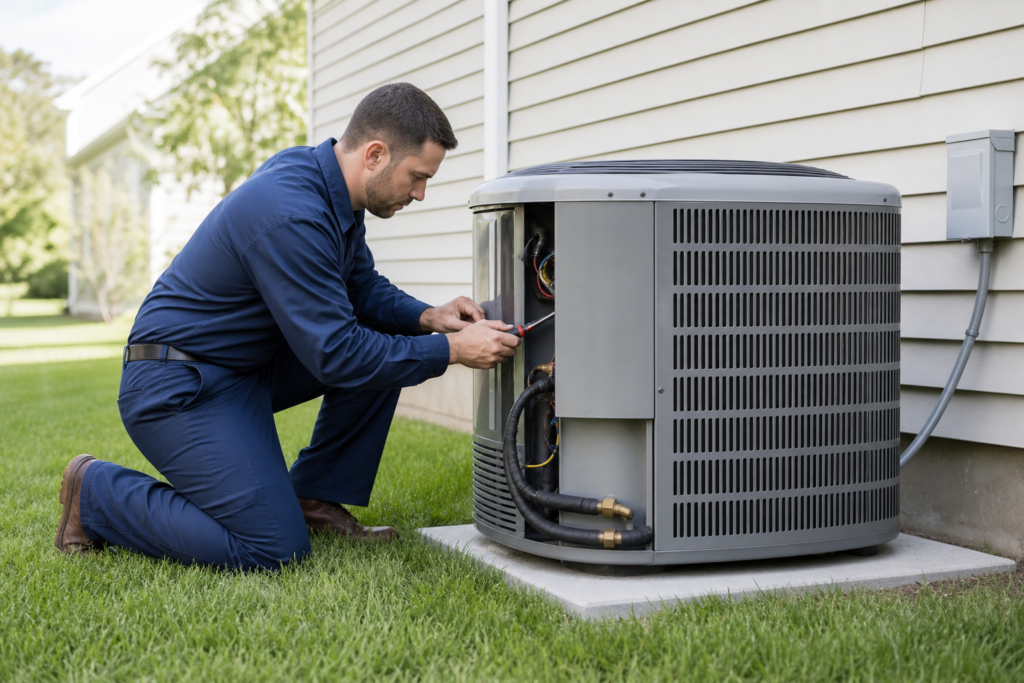
What Professional HVAC Maintenance & Tune-Up Delivers
Catch Problems Before They Become Failures
Keep Your System Running at Peak Efficiency
Protect Your Equipment Investment
Better Indoor Air Quality Year-Round
Compare Maintenance Plans and One-Time Tune-Up Quotes
Work With Contractors Who Know Your System Type
What Regular Maintenance Prevents
Complete System Inspection
Mid-Season Breakdowns
Refrigerant Level Check
Drain Line Clearing
Thermostat Calibration
How to Choose the Right HVAC Maintenance & Tune-Up Contractor
Key Factors to Consider
- Maintenance Plan Options
Look for contractors offering annual or bi-annual plans that include priority scheduling, discounts, and seasonal tune-ups. - Comprehensive Checklists
Quality contractors follow a 20+ point inspection checklist. Ask to see their maintenance protocol before signing up. - Transparent Reporting
The best technicians document their findings with photos and provide honest recommendations without pressure. - Emergency Service Access
Maintenance plan members should get priority scheduling and reduced rates for emergency calls.
Maintenance Frequency Guide
🗓️ Twice Per Year (Recommended):
- AC tune-up in spring
- Heating tune-up in fall
- Catches issues before peak seasons
- Maximizes system lifespan
📋 Minimum Once Per Year:
- Better than no maintenance
- Focus on the system you use most
- Required for most warranty coverage
- Reduces breakdown risk by 90%
💡 Pro Tip
Ready to Get HVAC Maintenance & Tune-Up in Vista?






Pro Tips for Getting the Most From Maintenance
Change Your Filters Regularly
Keep Your Outdoor Unit Clear
Don't Skip the Fall Tune-Up
Invest in a Maintenance Plan
DIY Basics vs. Professional Service
🔧 You Can Handle These...
✨ Leave These to the Pros...
Complete Guide
The Complete Guide to HVAC Maintenance & Tune-Up in Vista
Why Maintenance Matters More in Vista's Climate
HVAC maintenance is important everywhere, but Vista's inland North County climate makes it essential. The combination of hot summers with temperatures regularly exceeding 90°F, significant day-to-night temperature swings, and dry dusty conditions creates a uniquely demanding environment for heating and cooling equipment. Systems here work harder and run longer than identical equipment in milder climates.
The practical impact: an HVAC system in Vista accumulates more runtime hours per year than one in a coastal city. More runtime means faster wear on compressors, fan motors, capacitors, and contactors. Without regular maintenance to catch and correct this wear, components fail sooner and efficiency declines year over year — costing you more in energy bills and bringing forward the date of an expensive replacement.
Vista's dust — from nearby agricultural areas, construction, and the dry inland air — also accelerates the fouling of condenser coils, evaporator coils, and air filters. Dirty coils are the single biggest efficiency killer in an HVAC system. A professional cleaning during a tune-up can restore 10–25% of lost cooling capacity, which translates directly to lower energy bills and better comfort in your home.
The most common maintenance findings in Vista HVAC systems include dirty condenser and evaporator coils, worn capacitors (stressed by heat and voltage fluctuations), low refrigerant from slow leaks, clogged condensate drains (mineral buildup from hard water), and degraded electrical connections. Each of these issues reduces system performance incrementally — you may not notice day to day, but over a season the cumulative effect is significant.
Capacitor failure is especially common in inland areas. Capacitors help start and run the compressor and fan motors. High ambient temperatures accelerate capacitor degradation, and a weak capacitor forces motors to draw more current, which increases electricity costs and can lead to motor failure. A maintenance tech tests capacitor values with a meter and can identify a weakening capacitor before it fails completely — saving you from a breakdown call on the hottest day of the year.
For furnaces serving Vista homes during cooler months, maintenance includes inspecting the heat exchanger for cracks (a safety issue — cracked heat exchangers can leak carbon monoxide), testing gas valve operation, cleaning burner assemblies, and verifying ignition system function. Even though Vista winters are mild compared to other parts of the country, furnaces still need annual attention to operate safely and efficiently when temperatures drop into the 40s and 50s on winter nights.
Seasonal Timing: When to Schedule Service
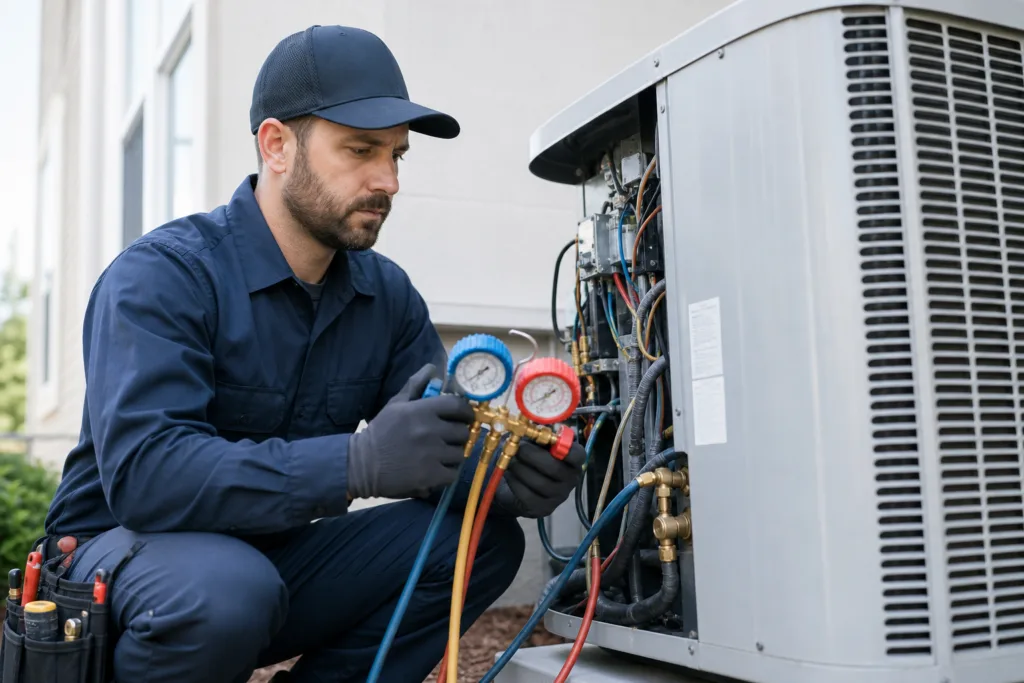
A professional HVAC maintenance visit in Vista typically takes 60–90 minutes and follows a comprehensive checklist. The technician begins with the outdoor condenser unit — cleaning the coil, checking the fan motor and blade, testing the capacitor and contactor, inspecting the refrigerant lines, and measuring refrigerant charge with manifold gauges.
Inside, they inspect the evaporator coil, check the blower motor and wheel, test the thermostat's calibration and operation, inspect the condensate drain line (flushing it if needed — mineral buildup from Vista's hard water is a common clog source), and measure supply and return air temperatures to verify the system is producing the correct temperature differential. Electrical connections throughout the system are inspected, tightened, and tested for proper voltage and amperage draw.
If the visit includes your furnace, the technician also inspects the heat exchanger (visually and with combustion analysis), cleans the burner assembly, checks gas pressure, tests the ignition system, and verifies all safety controls are functioning. At the end of the visit, you receive a report on what was found, what was corrected, and any recommendations for repairs or future attention. A good technician explains everything in plain language and answers your questions — never pressuring you into immediate repairs unless there's a genuine safety concern.
The most common maintenance findings in Vista HVAC systems include dirty condenser and evaporator coils, worn capacitors (stressed by heat and voltage fluctuations), low refrigerant from slow leaks, clogged condensate drains (mineral buildup from hard water), and degraded electrical connections. Each of these issues reduces system performance incrementally — you may not notice day to day, but over a season the cumulative effect is significant.
Capacitor failure is especially common in inland areas. Capacitors help start and run the compressor and fan motors. High ambient temperatures accelerate capacitor degradation, and a weak capacitor forces motors to draw more current, which increases electricity costs and can lead to motor failure. A maintenance tech tests capacitor values with a meter and can identify a weakening capacitor before it fails completely — saving you from a breakdown call on the hottest day of the year.
For furnaces serving Vista homes during cooler months, maintenance includes inspecting the heat exchanger for cracks (a safety issue — cracked heat exchangers can leak carbon monoxide), testing gas valve operation, cleaning burner assemblies, and verifying ignition system function. Even though Vista winters are mild compared to other parts of the country, furnaces still need annual attention to operate safely and efficiently when temperatures drop into the 40s and 50s on winter nights.
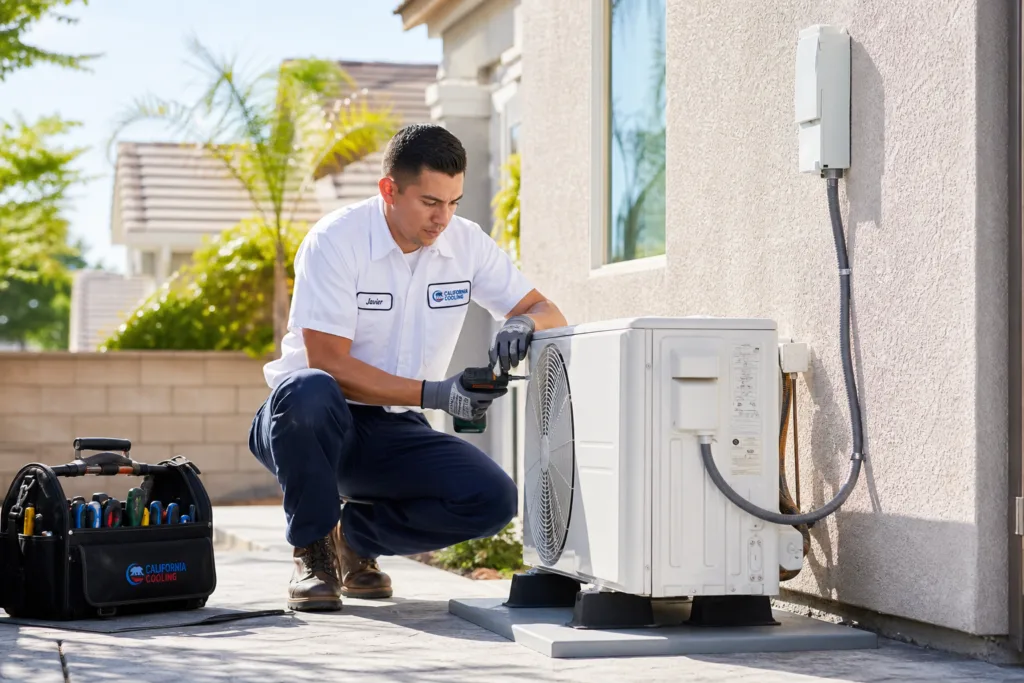
The Case for a Maintenance Plan
Beyond professional tune-ups, Vista homeowners can take several steps to keep their HVAC systems running efficiently between service visits. The most impactful is consistent filter maintenance — check your filter monthly and replace it every 30–60 days during active cooling and heating seasons. In Vista's dusty inland environment, filters clog faster than in coastal areas.
Keep your outdoor condenser unit clear and clean. Trim vegetation to maintain at least two feet of clearance, remove leaves and debris from the top and sides, and rinse the coils monthly with a garden hose during summer. Never stack items against or on top of the unit. These simple steps maintain proper airflow and prevent the condenser from overworking.
Monitor your thermostat settings strategically. In summer, each degree below 78°F increases your cooling costs by approximately 3–5%. Use a programmable or smart thermostat to raise the temperature when you're away and pre-cool before you return. Ceiling fans in occupied rooms allow you to set the thermostat higher while maintaining comfort. In winter, 68°F is an efficient daytime setting — drop it a few degrees at night or when you're out. These habits extend the time between maintenance needs and reduce wear on your system.
Watch for early warning signs between maintenance visits: unusual sounds, uneven temperatures, cycling changes, strange odors, or unexpected bill increases. Catching issues early — before the next scheduled tune-up — can prevent minor problems from escalating into expensive repairs.
Change Filters Monthly: During peak cooling season, check your filter every 30 days. A dirty filter is the number one cause of AC problems. Annual Professional Tune-Up: Schedule maintenance in spring before summer demand hits. Technicians catch small issues before they become expensive repairs. Keep the Outdoor Unit Clean: In coastal areas, rinse salt residue off your outdoor condenser regularly to prevent corrosion.
Why Comparing Maintenance Quotes Matters
HVAC maintenance pricing varies between contractors, and comparing quotes helps you find the right balance of thoroughness and value. A rock-bottom maintenance price may mean a rushed visit with a basic checklist, while a comprehensive tune-up takes 60–90 minutes and covers every component. When comparing quotes, ask what's included and how long the visit takes.
Many contractors offer annual or semi-annual maintenance plans that bundle tune-ups with benefits like priority scheduling, repair discounts, and extended diagnostic coverage. In Vista, where summer appointment availability tightens during heat waves, the priority scheduling benefit alone can be worth the plan cost — getting your system serviced or repaired in hours instead of days during peak season.
When comparing maintenance contractors, look beyond price: Are they licensed and insured? Do they have experience with your equipment brand? Will they provide a written report of findings? Do they use a standardized checklist? Comparing three providers gives you enough data points to identify the best combination of expertise, thoroughness, and fair pricing for your Vista home's HVAC needs.

Price Transparency: Comparing quotes reveals the fair market rate for your specific repair. If one quote is dramatically different from the others, ask why. Different Diagnoses: Sometimes different technicians identify different root causes. Multiple perspectives help you make the best decision. Contractor Fit: Beyond price, compare warranties, response time, and communication quality to find the contractor you trust most.
Understanding HVAC Maintenance Costs
HVAC maintenance costs are modest compared to the repairs and energy waste they prevent. A professional tune-up is a fraction of what an emergency repair call costs, and the energy savings from a well-maintained system often exceed the cost of the tune-up within a few months of reduced electric bills.
Pricing varies based on what's included. A basic tune-up covering inspection and cleaning is the most affordable option. Comprehensive maintenance that includes full electrical testing, refrigerant charge verification, and combustion analysis costs more but provides significantly more value — especially for Vista homes with systems working hard in the inland heat. Some contractors offer combined AC + furnace tune-ups at a bundled price, which is typically a better deal than scheduling them separately.
Consider the cost of NOT maintaining your system: 5–10% efficiency loss per year means progressively higher energy bills, shorter equipment lifespan, voided manufacturer warranty, and higher likelihood of an expensive breakdown — usually at the worst possible time. For Vista homeowners, the math strongly favors regular maintenance as the most cost-effective approach to home comfort.
HVAC Maintenance & Tune-Up Service Areas Near Vista
HVAC Maintenance & Tune-Up FAQ — Vista Homeowners
How frequently should I schedule HVAC maintenance?
Should my HVAC tune-up schedule change because Vista gets both marine-layer mornings and hot afternoons?
Can I do any HVAC maintenance myself?
Do older Vista homes need extra summer tune-ups because of inland heat?
Will maintenance really lower my energy bills?
When is the best time to schedule a tune-up?
Does Vista's agricultural dust mean I need more frequent HVAC tune-ups?
What's the difference between a tune-up and a repair?
How does inland dust affect my maintenance needs?
Does regular maintenance affect my warranty?
What happens if the technician finds a problem?
How do I find a reliable maintenance provider in Vista?
Yes, licensed HVAC contractors throughout Vista and the surrounding North County San Diego area offer comprehensive maintenance services including seasonal tune-ups, annual service plans, and one-time inspections. Most contractors serve the entire Vista area including Shadowridge, Breeze Hill, Vista Village, and surrounding neighborhoods.
Through our platform, you can compare three maintenance quotes from screened, licensed contractors — helping you find the right balance of thoroughness, professionalism, and price. When comparing maintenance providers, ask about: the specific checklist they follow, how long the visit takes (comprehensive tune-ups take 60–90 minutes — shorter visits may skip important steps), whether they provide a written report, and if they offer maintenance plan options.
Scheduling tip: book your spring AC tune-up by March or early April. Vista's inland location means temperatures can spike early in the season, and once the first heat wave hits, contractor schedules fill up fast. Plan members get priority scheduling, but even without a plan, early booking gives you the best selection of appointment times and ensures your system is ready before you actually need it.
For homeowners who haven't had their system serviced in over a year, some contractors offer a more thorough initial visit that covers deferred maintenance items — deep coil cleaning, comprehensive electrical testing, and a full performance evaluation. This costs more than a standard tune-up but brings a neglected system back to baseline, after which regular annual maintenance can keep it there.
Related HVAC Services in Vista
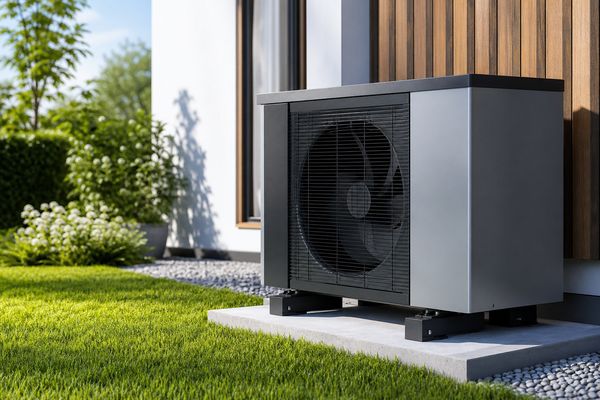
Air Conditioning
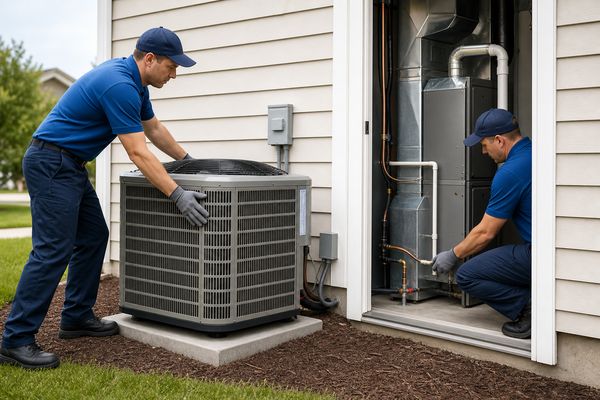
AC Replacement
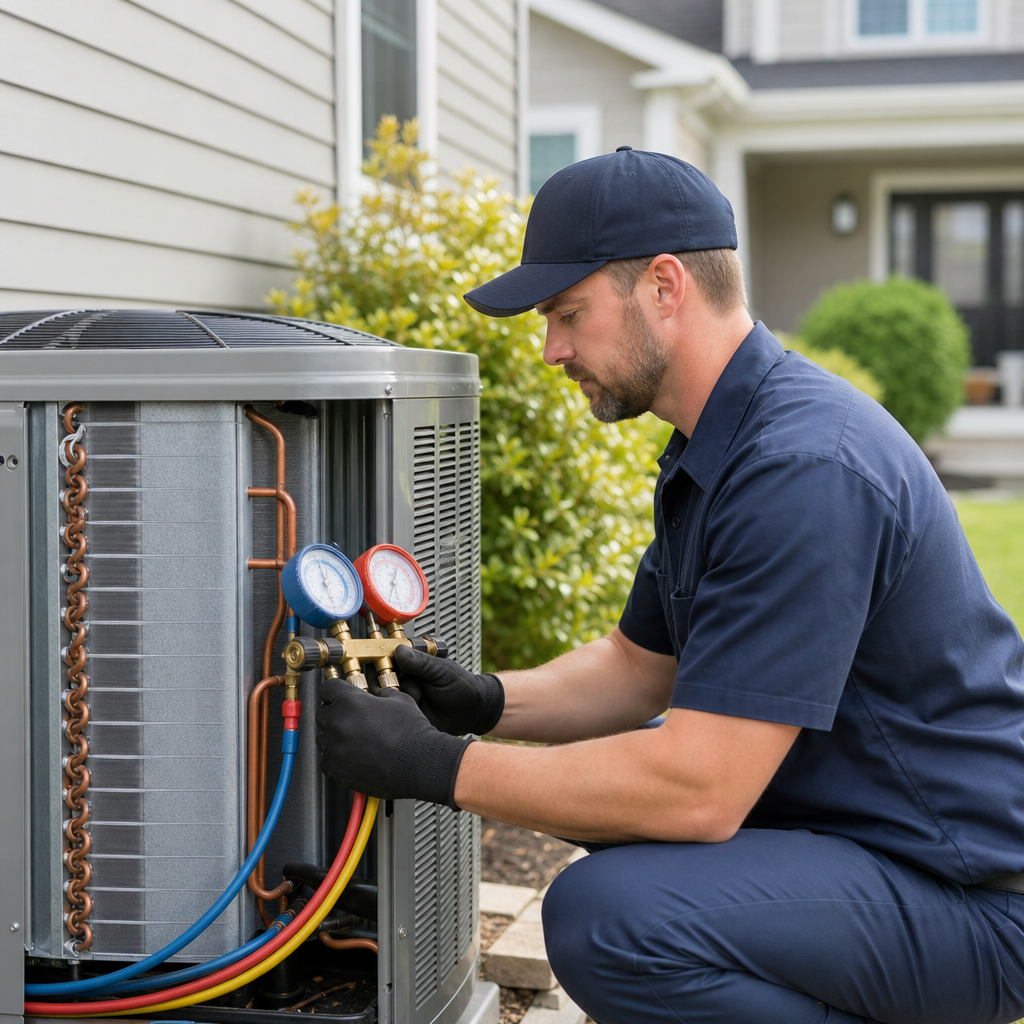
HVAC Maintenance & Tune-Up
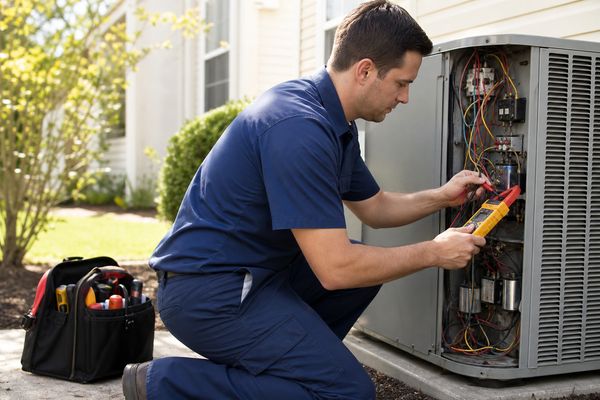
Heating & Furnace Repair
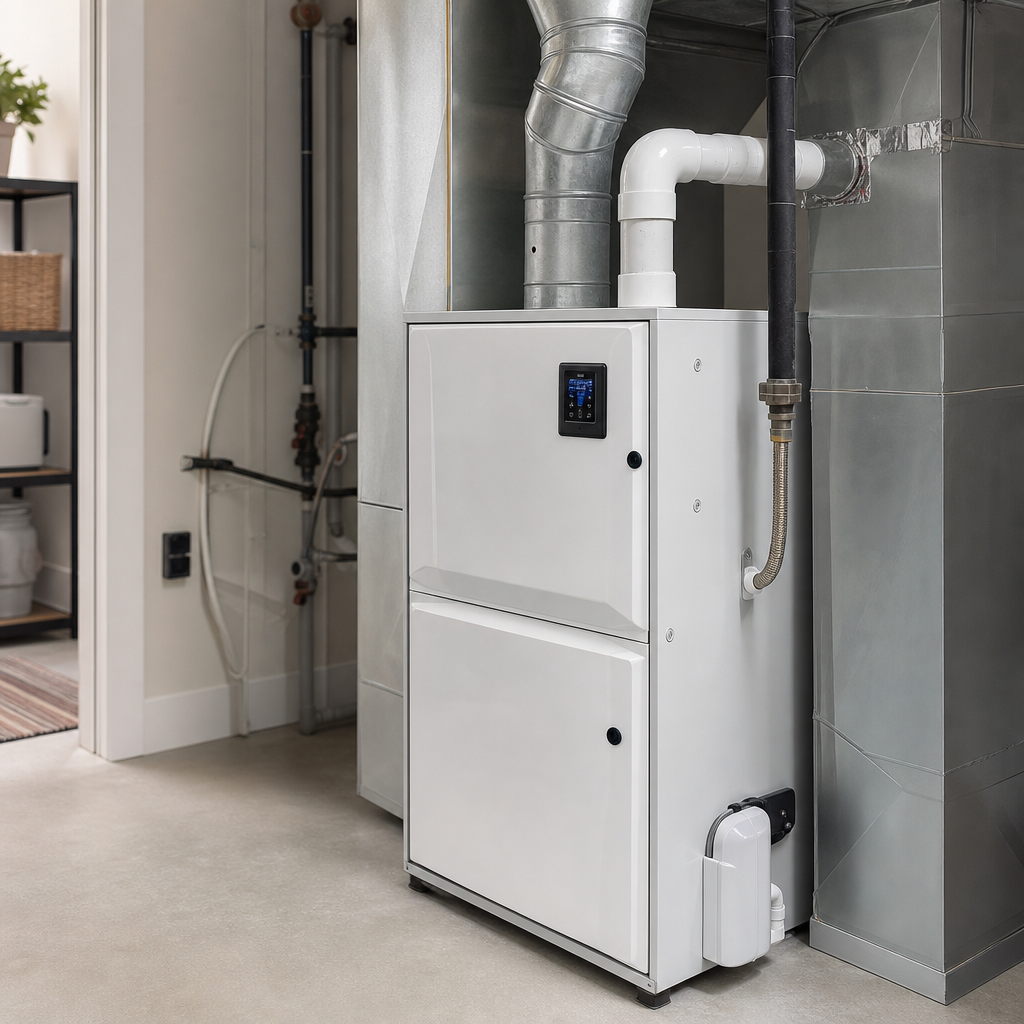
Furnace Replacement
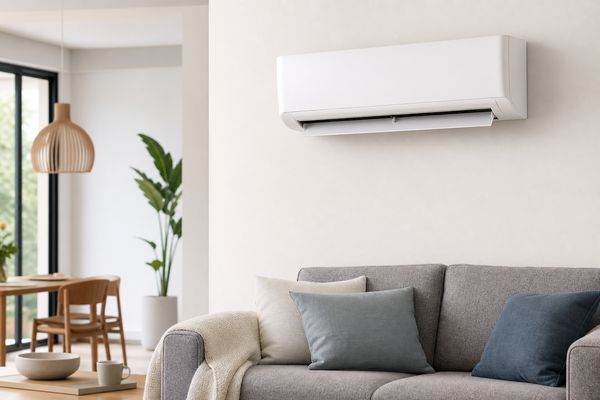
Mini-Splits & Ductless
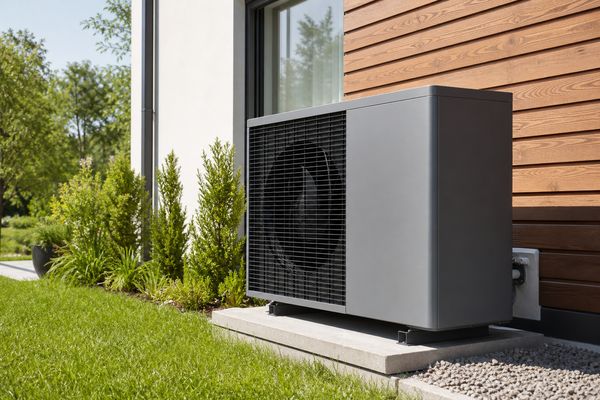
Heat Pumps
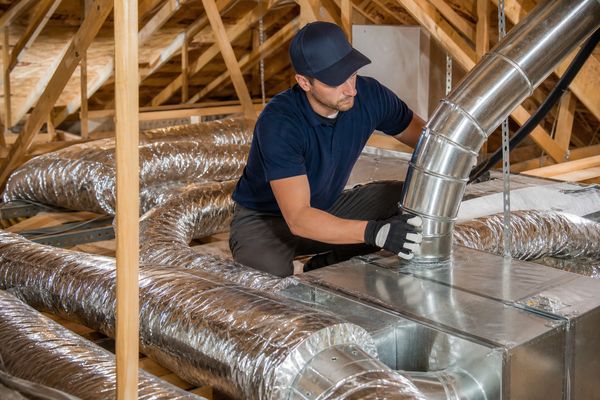
Ductwork