
Indoor Air Quality in Vista, CA

What Is Indoor Air Quality Service & When Do You Need It?
• High-MERV and HEPA filtration upgrades
• Whole-home air purifiers
• UV-C germicidal lights for the HVAC system
• Whole-home humidifiers and dehumidifiers
• Energy and heat recovery ventilators (ERV/HRV)
• Duct sealing to stop contaminant infiltration
• Air quality testing and assessment
Top Reasons Vista Homeowners Need Indoor Air Quality
Southern California Wildfire Smoke Is a Recurring Health Hazard
Allergens Accumulate Indoors Year-Round
Dry Climate Creates Low-Humidity Health Concerns
Tightly Built Homes Trap Pollutants Without Ventilation
Mold Prevention Requires Humidity and Ventilation Management
Ready to Compare Indoor Air Quality Quotes in Vista?
Signs Your Home Needs IAQ Improvements
Increased Allergy or Asthma Symptoms Indoors
Persistent Musty or Chemical Odors
Excessive Dust Despite Regular Cleaning

Dry Skin, Nosebleeds, or Static Electricity
Condensation on Windows or Walls
Visible Smoke or Haze During Wildfire Events
What Professional Indoor Air Quality Delivers
Reduced Exposure to Allergens and Irritants
Protection During Wildfire Smoke Events
Healthier Humidity Levels Year-Round
Fresher Air Through Controlled Ventilation
Reduced Microbial Load With UV-C Treatment
Better Sleep and Cognitive Comfort
What Indoor Air Quality Solutions Deliver
High-Efficiency Air Filtration
Cleaner Air, Windows Closed
Whole-Home Ventilation
Humidity Control
Duct Cleaning and Sealing
How to Choose the Right Indoor Air Quality Contractor
Key Factors to Consider
- IAQ Assessment Capability
Quality contractors test for particulates, humidity, CO2, and other contaminants before recommending solutions. - Product Knowledge
Look for contractors familiar with multiple IAQ product lines — not just one brand they're trying to sell. - System Integration
IAQ products must work with your existing HVAC system. Improper installation can restrict airflow or damage equipment. - Ongoing Monitoring
The best contractors offer IAQ monitoring solutions that track air quality over time and alert you to changes.
Filtration vs. Purification Comparison
🌬️ Filtration (Mechanical):
- Captures particles physically
- MERV 13-16 for most homes
- HEPA for allergy/asthma sufferers
- Requires filter replacement
✨ Purification (Active):
- UV-C kills biological contaminants
- Ionizers neutralize airborne particles
- PCO systems break down VOCs
- Works on gases, not just particles
💡 Pro Tip
Ready to Get Indoor Air Quality in Vista?






Smart Tips Before Investing in IAQ Equipment
Start with Source Control
Upgrade Your Filtration First
Consider Vista's Coastal Factors
Don't Fall for Gimmicks
Filtration vs. Whole-Home Purification
🔧 You Can Handle These...
✨ Call a Professional For...
Complete Guide
The Complete Guide to Indoor Air Quality in Vista
Understanding Indoor Air Quality in Vista Homes
Vista's inland location creates specific indoor air quality challenges. The dry, dusty environment generates higher ambient particulate levels — pollen from agricultural areas, construction dust, and general dry-climate dust that infiltrates homes and accumulates in HVAC systems. During summer, when homes are sealed up with AC running for hours, these particulates circulate continuously through your duct system.
Wildfire smoke is an increasing concern. During Santa Ana wind events and fire season, fine particulate matter (PM2.5) can reach unhealthy levels even in areas far from the fires. Homes with poor envelope sealing and leaky ductwork are particularly vulnerable. High-efficiency filtration systems — MERV 13 or HEPA — can significantly reduce indoor particulate levels during smoke events.
The combination of Vista's dust, heat (which keeps homes sealed for months), and typical pollutant sources found in any home means indoor air quality deserves intentional attention. Effective solutions exist across a range of budgets — from simple filter upgrades to comprehensive whole-house air quality systems.
Indoor air contaminants in Vista homes generally fall into several categories. Particulate matter — dust, pollen, pet dander, mold spores — is the most common and most effectively addressed through filtration. Biological contaminants — mold, bacteria, viruses — thrive in HVAC systems where moisture meets darkness, particularly on evaporator coils and drain pans. Chemical contaminants — VOCs from paint, furniture, cleaning products — accumulate in tightly sealed homes.
Each contaminant type responds to different solutions. Particulates are captured by mechanical filtration. Biological contaminants are neutralized by UV-C germicidal systems. Chemical contaminants are best addressed through source control and ventilation (ERV/HRV systems). A comprehensive IAQ approach addresses multiple contaminant types simultaneously.
Humidity — while less of a concern in Vista's generally dry climate — can still cause problems in specific areas. Bathrooms, kitchens, and laundry areas produce moisture that, without proper exhaust ventilation, can promote mold growth. Improperly sized AC systems can fail to adequately dehumidify during occasional humid periods. Proper ventilation and HVAC maintenance address these localized concerns.
For homeowners with specific health concerns — allergies, asthma, chemical sensitivities — a professional IAQ assessment provides data-driven guidance on which solutions will make the most meaningful difference.
Choosing the Right IAQ Solutions for Your Home
Professional indoor air quality service begins with an assessment — understanding your concerns, evaluating your HVAC system's current filtration, and in some cases, testing air quality to identify specific contaminants. Based on the assessment, the technician recommends targeted solutions.
Installation of IAQ equipment varies by type. A filter upgrade can be done during a regular maintenance visit. A UV-C germicidal system installation takes 1–2 hours. An ERV or HRV ventilation system is more involved, requiring ductwork connections, exterior wall penetrations, and electrical work — typically half a day to a full day.
Duct cleaning, if recommended, typically takes 3–5 hours for a whole-house treatment. Technicians use specialized equipment including high-powered vacuums, rotating brushes, and compressed air tools to remove accumulated debris from the duct interior.
After installation, the technician verifies proper operation, explains maintenance requirements (filter replacement schedules, UV bulb changes, etc.), and provides guidance on maximizing effectiveness. Some contractors offer IAQ monitoring as part of maintenance plans, providing periodic air quality checks.
Indoor air contaminants in Vista homes generally fall into several categories. Particulate matter — dust, pollen, pet dander, mold spores — is the most common and most effectively addressed through filtration. Biological contaminants — mold, bacteria, viruses — thrive in HVAC systems where moisture meets darkness, particularly on evaporator coils and drain pans. Chemical contaminants — VOCs from paint, furniture, cleaning products — accumulate in tightly sealed homes.
Each contaminant type responds to different solutions. Particulates are captured by mechanical filtration. Biological contaminants are neutralized by UV-C germicidal systems. Chemical contaminants are best addressed through source control and ventilation (ERV/HRV systems). A comprehensive IAQ approach addresses multiple contaminant types simultaneously.
Humidity — while less of a concern in Vista's generally dry climate — can still cause problems in specific areas. Bathrooms, kitchens, and laundry areas produce moisture that, without proper exhaust ventilation, can promote mold growth. Improperly sized AC systems can fail to adequately dehumidify during occasional humid periods. Proper ventilation and HVAC maintenance address these localized concerns.
For homeowners with specific health concerns — allergies, asthma, chemical sensitivities — a professional IAQ assessment provides data-driven guidance on which solutions will make the most meaningful difference.
Maintaining Your IAQ Equipment
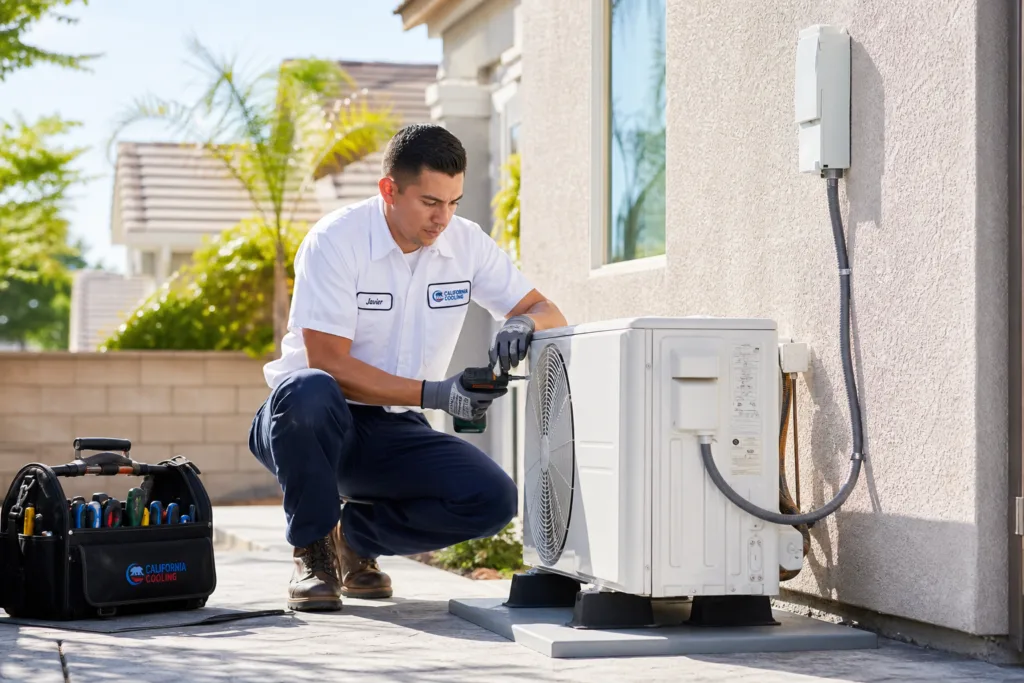
Maintaining good indoor air quality involves both professional solutions and homeowner habits. The most impactful habit is consistent HVAC filter maintenance — a clogged filter can't remove particulates effectively. Check your filter monthly and replace it per the manufacturer's recommendation or sooner if visibly dirty.
Source control is the most effective IAQ strategy. Use exhaust fans when cooking and bathing. Choose low-VOC products when painting or refinishing. Keep pets groomed regularly. Store chemicals in the garage. Remove shoes at the door to avoid tracking in outdoor particulates.
During wildfire smoke events, close all windows and doors, run your HVAC system with the highest-rated filter your system can accommodate, and avoid activities that generate indoor particulates. If you have a portable HEPA air purifier, run it in rooms where you spend the most time. Consider upgrading to a whole-house filtration system if smoke events are a recurring concern.
Regular HVAC maintenance supports air quality directly — clean coils don't harbor mold, clear drains don't create standing water, and properly sealed ducts don't pull in unfiltered attic air. Your annual tune-up is also an air quality checkup.
Change Filters Monthly: During peak cooling season, check your filter every 30 days. A dirty filter is the number one cause of AC problems. Annual Professional Tune-Up: Schedule maintenance in spring before summer demand hits. Technicians catch small issues before they become expensive repairs. Keep the Outdoor Unit Clean: In coastal areas, rinse salt residue off your outdoor condenser regularly to prevent corrosion.
Getting the Best Value on IAQ Solutions
Indoor air quality solutions range from simple filter upgrades to comprehensive whole-house systems. Getting three quotes helps Vista homeowners understand their options and find the right balance of effectiveness and cost for their specific concerns.
Different contractors may recommend different approaches based on their expertise. One might focus on filtration, another on UV germicidal systems, and a third on ventilation improvements. Comparing these recommendations gives you a more complete picture of your options.
When evaluating IAQ quotes, consider both initial installation cost and ongoing maintenance costs. A whole-house HEPA system has a higher upfront cost but uses standard replacement filters. UV systems need annual bulb replacements. ERV systems have higher installation costs but minimal ongoing maintenance. Understanding total cost of ownership over 5–10 years helps you make a more informed comparison.
For Vista homeowners primarily concerned about dust and particulates, a high-MERV filter upgrade and duct sealing often provide the most dramatic improvement at reasonable cost. For allergy or asthma sufferers, adding UV germicidal treatment addresses biological contaminants that filtration alone may not fully control.

Price Transparency: Comparing quotes reveals the fair market rate for your specific repair. If one quote is dramatically different from the others, ask why. Different Diagnoses: Sometimes different technicians identify different root causes. Multiple perspectives help you make the best decision. Contractor Fit: Beyond price, compare warranties, response time, and communication quality to find the contractor you trust most.
Cost Considerations: What to Know
IAQ solution costs range widely based on the type and scope. Filter upgrades are the most affordable starting point. UV-C germicidal systems represent a moderate investment. Whole-house air purification, ERV/HRV ventilation systems, and comprehensive duct cleaning are on the higher end.
The most cost-effective approach is to start with the solutions that address your primary concern. If dust is your main issue, filter upgrade and duct sealing provide dramatic improvement at modest cost. If biological contaminants are the concern, a UV system provides continuous air treatment. For comprehensive management, a layered approach covers all major contaminant categories.
Consider the health cost of NOT addressing air quality. Chronic exposure to indoor air pollutants has documented health impacts — respiratory problems, allergy aggravation, headaches, fatigue, and sleep disruption. For households with allergies, asthma, or other respiratory conditions, IAQ improvements can meaningfully improve daily quality of life. Your contractor can help you prioritize the solutions that deliver the most impactful improvement for your Vista home's specific conditions.
Indoor Air Quality Service Areas Near Vista
Indoor Air Quality FAQ — Vista Homeowners
Does a HEPA filter work the same way inside a central HVAC system as a MERV-rated filter?
Does Vista's morning marine layer trap wildfire smoke closer to the ground before it burns off?
Why does my house feel humid in the morning and dry by afternoon, and does that affect indoor air quality?
Would a UV-C light help with coil buildup given how much moisture settles indoors during marine layer mornings?
Do newer, tightly built hillside homes in Vista need mechanical ventilation that older tract homes don't?
My furnace is original to a 1970s Vista home. Can I still put a higher MERV filter in it?
Are north-facing rooms in a hillside home more prone to hidden mold from limited sun exposure?
With a spread-out single-story layout, would several portable purifiers work as well as one whole-home unit?
Do newly built hillside homes in Vista carry more VOCs from fresh construction materials than older homes?
Do Santa Ana wind events mean IAQ equipment needs attention more often than the standard schedule?
Would sealing up drafts in an older tract home help with pet dander along with adding air filtration?
If one room in the house always feels stuffy, should IAQ testing happen before or after buying equipment?
Related HVAC Services in Vista
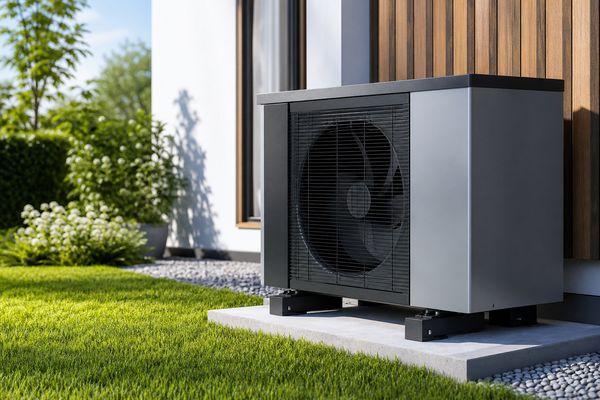
Air Conditioning
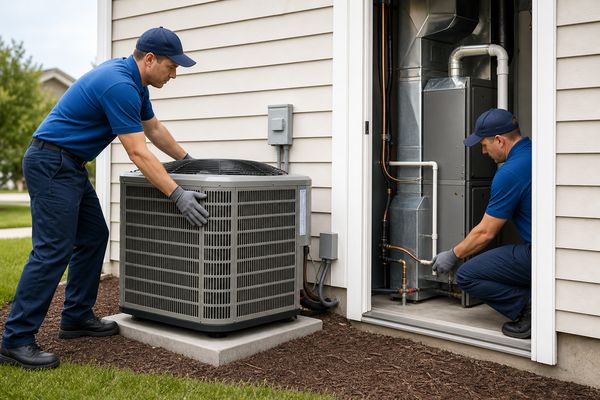
AC Replacement
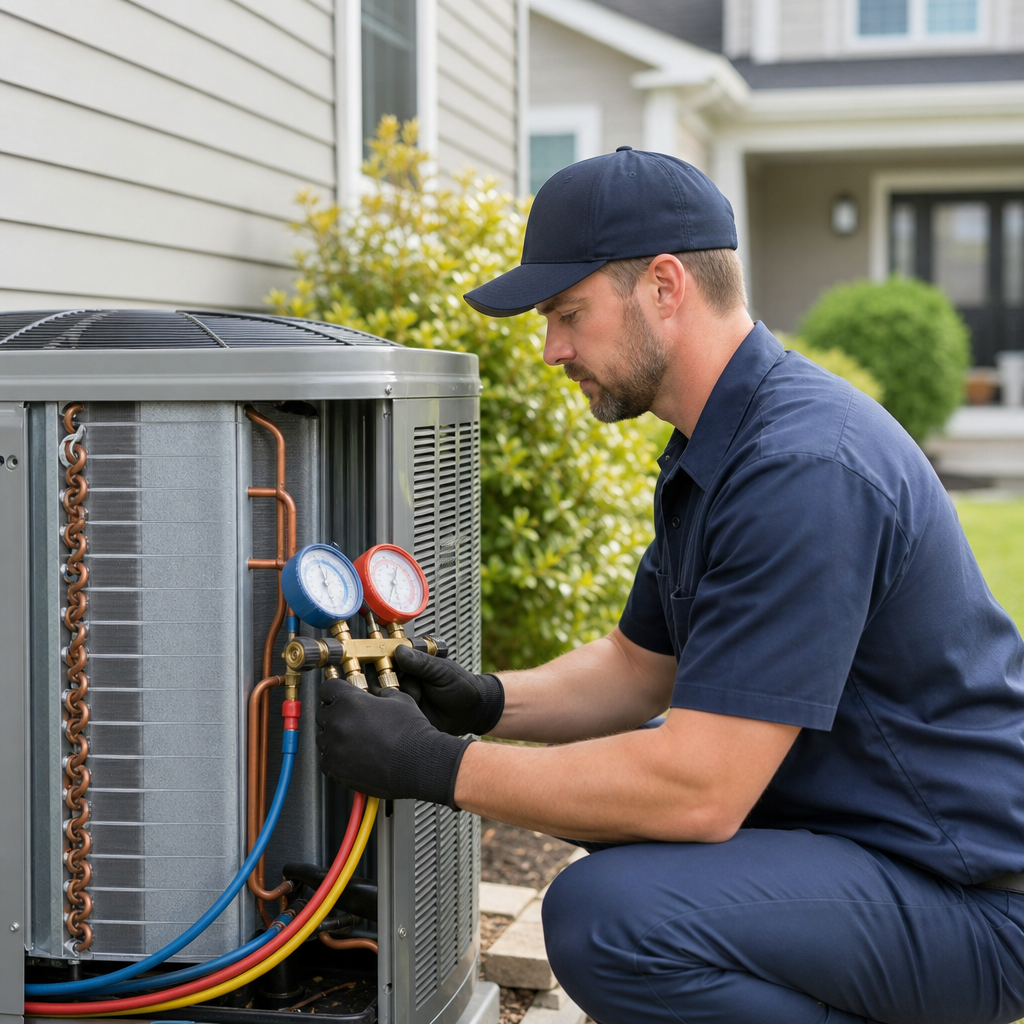
HVAC Maintenance & Tune-Up
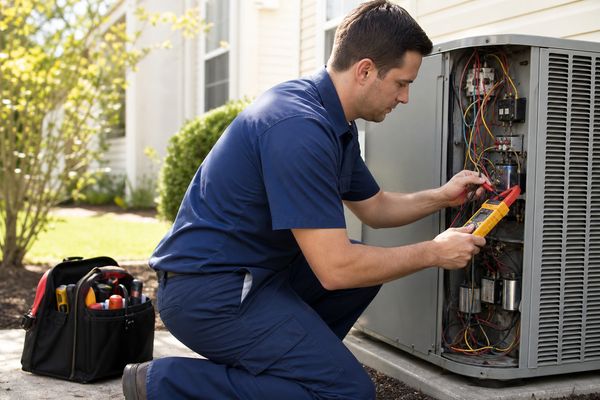
Heating & Furnace Repair
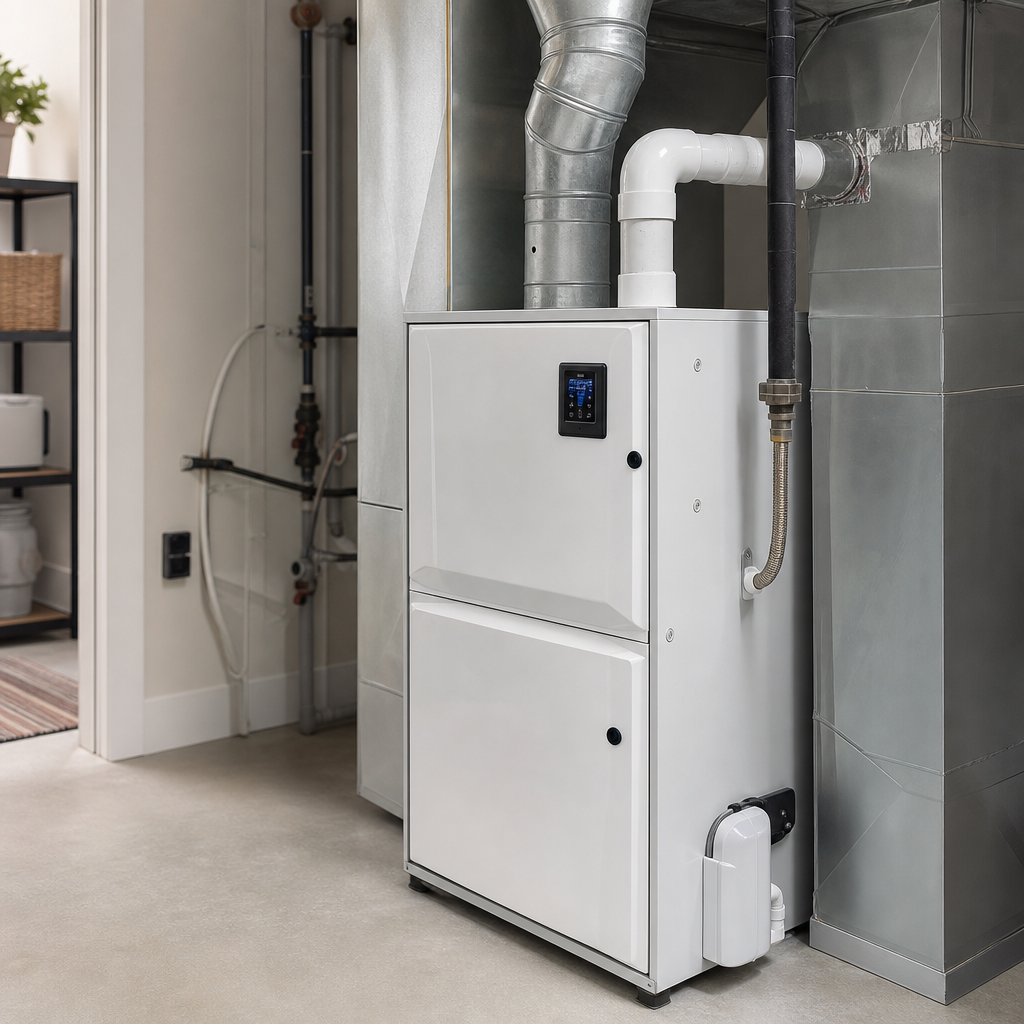
Furnace Replacement
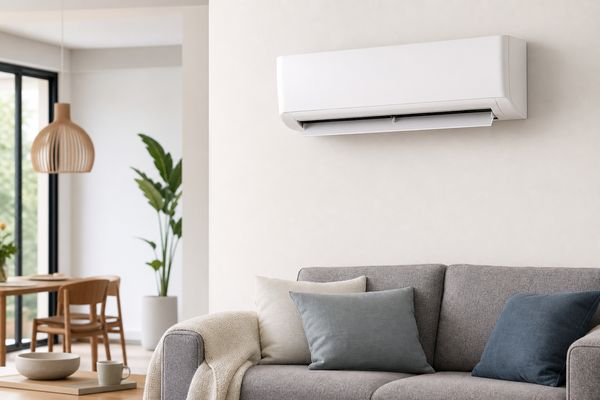
Mini-Splits & Ductless
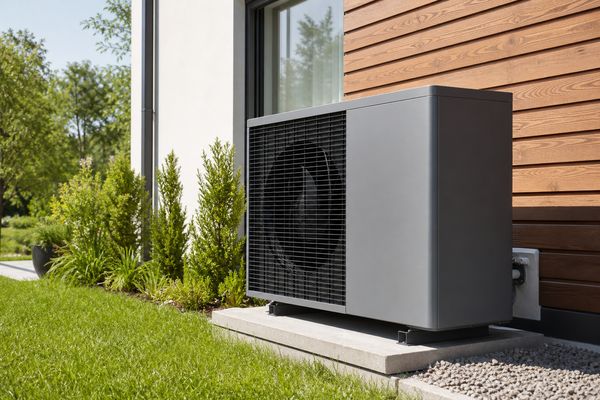
Heat Pumps
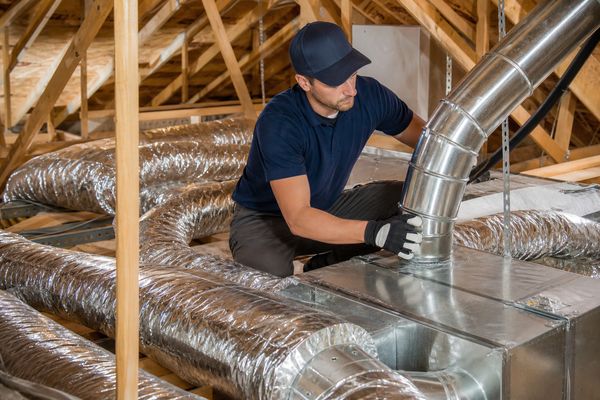
Ductwork