
Mini-Splits & Ductless Systems in Vista, CA

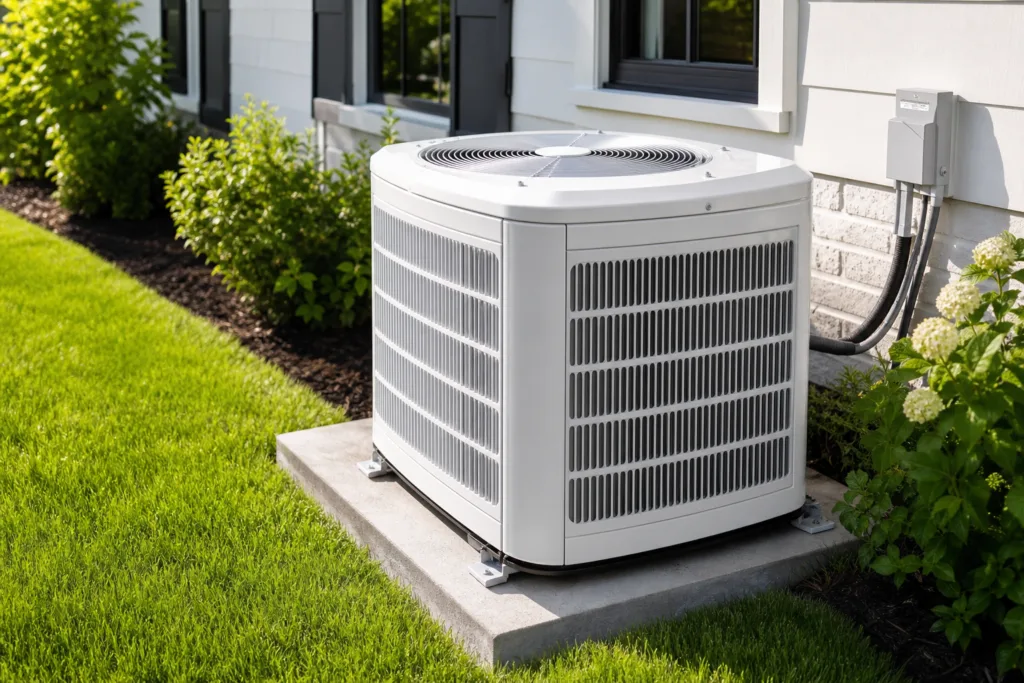
What Is a Mini-Split & When Do You Need It?
• Homes with no existing ductwork
• Room additions and converted garages
• ADUs and guest units needing independent control
• Rooms that were always too hot or too cold
• Zoned comfort without conditioning the whole house
• Efficient heating and cooling in one system
• Homes where installing ducts would be costly or disruptive
Top Reasons Vista Homeowners Need Mini-Splits & Ductless Systems
No Ductwork Required
Independent Zone Control
High Energy Efficiency
Ideal for ADUs and Accessory Dwelling Units
Quiet Operation and Flexible Placement
Ready to Compare Mini-Splits & Ductless Systems Quotes in Vista?
When a Ductless Mini-Split Makes Sense
A Room Addition That Central HVAC Doesn't Reach
A Home Relying on Wall Heaters or Window Units
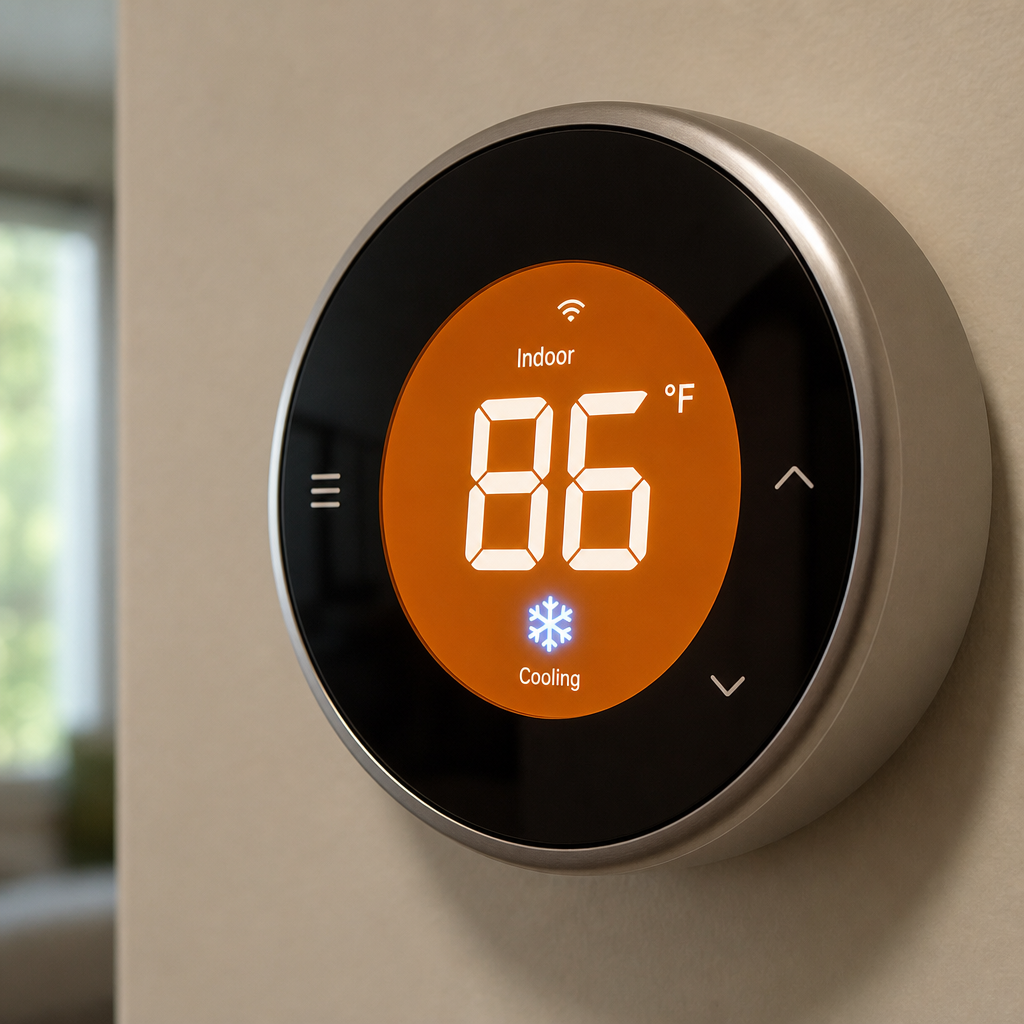
A Converted Garage or Bonus Space

Hot or Cold Spots That Central Systems Cannot Resolve
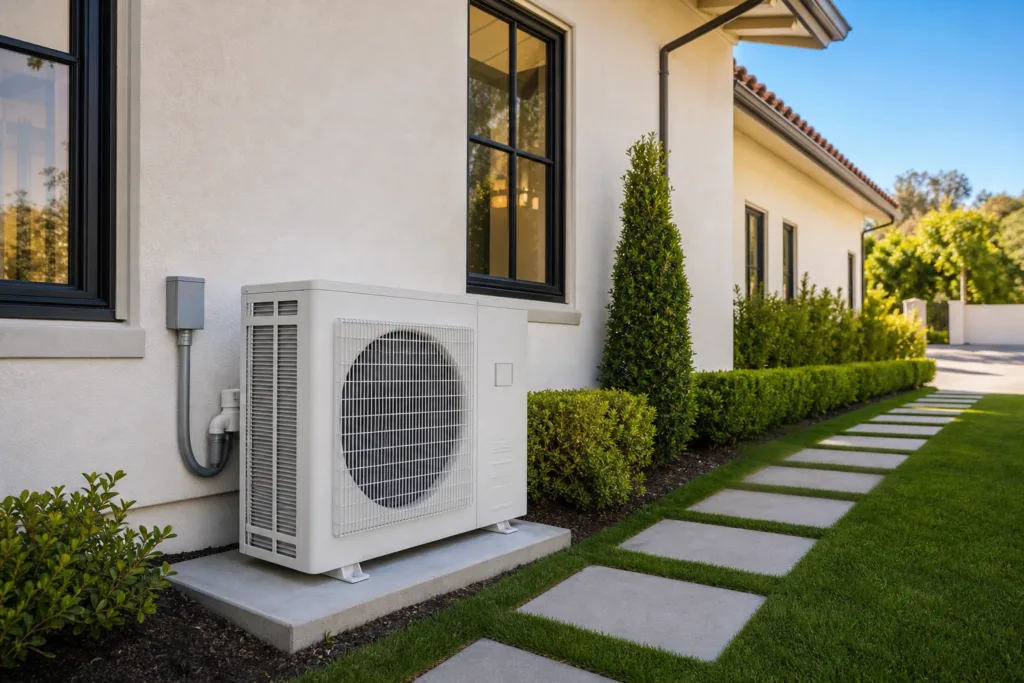
An ADU or Rental Unit Needing Its Own HVAC
Desire for Individual Room Control Without a Full Zoning System
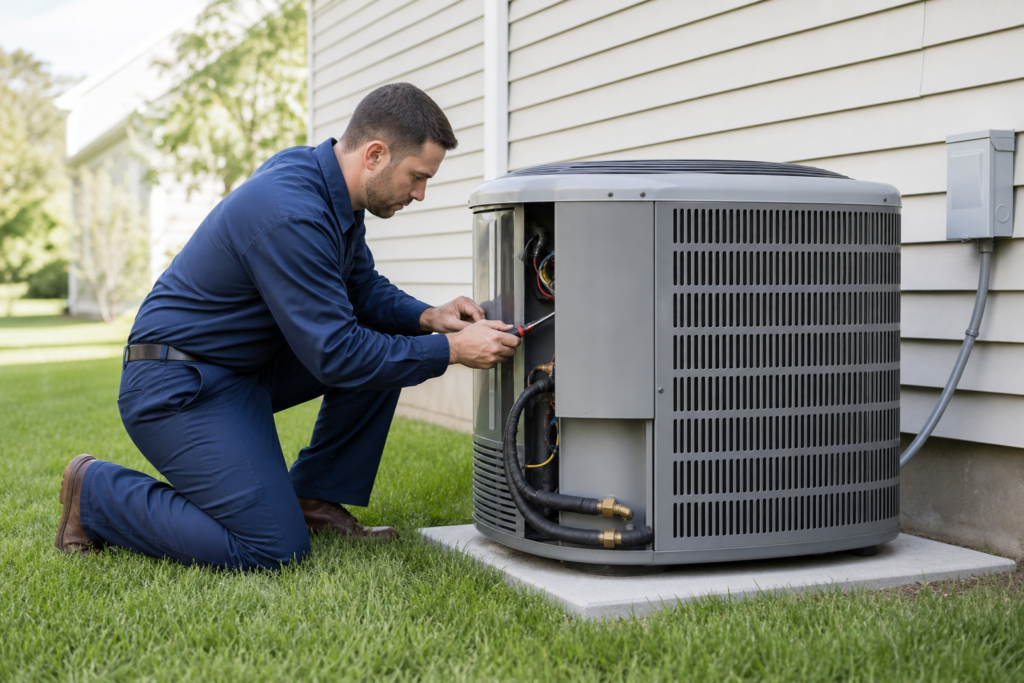
What Professional Mini-Splits & Ductless Systems Delivers
Year-Round Comfort From One System
No Duct Losses u2014 High Delivered Efficiency
Inverter-Driven Variable Speed Compressors
Multi-Zone Flexibility
Minimal Construction and Fast Installation
Good Indoor Air Quality Features
What Ductless Systems Deliver
Zone-by-Zone Temperature Control
Zone-by-Zone Control
Ultra-High Efficiency
Quiet Operation
Year-Round Heating & Cooling
How to Choose the Right Mini-Splits & Ductless Systems Contractor
Key Factors to Consider
- Manufacturer Certification
Top mini-split brands (Mitsubishi, Daikin, Fujitsu) require installer certification. Certified installers offer better warranties. - Multi-Zone Experience
Multi-zone installations are complex. Choose contractors with proven experience designing multi-zone systems. - Aesthetic Options
Wall-mounted isn't the only option. Ask about ceiling cassettes, floor-mounted, and concealed duct units. - Line Set Routing
How refrigerant lines are routed affects both aesthetics and performance. Experienced installers plan clean, efficient routes.
Single-Zone vs. Multi-Zone Guide
1️⃣ Single-Zone:
- One indoor + one outdoor unit
- Best for single room/addition
- Simpler and less expensive
- Maximum efficiency per zone
🔢 Multi-Zone (2-8 zones):
- Multiple indoor units, one outdoor
- Whole-home or multi-room solution
- Individual zone temperature control
- Replaces entire HVAC for some homes
💡 Pro Tip
Ready to Get Mini-Splits & Ductless Systems in Vista?






Smart Tips Before Choosing Ductless
Start with the Problem Room
Location of Indoor Units Matters
Consider the Outdoor Unit Placement
Maintenance Is Simpler Than You Think
Ductless vs. Central: Which Fits Your Home
🔧 Central HVAC Is Better If...
✨ Mini-Splits Are Better If...
Complete Guide
The Complete Guide to Mini-Splits & Ductless Systems in Vista
How Ductless Mini-Split Systems Work
Mini-splits have become increasingly popular in Vista for good reason — the area's housing stock and climate create ideal conditions for ductless solutions. Older homes without ductwork, garage conversions, ADUs (accessory dwelling units), home additions, and rooms that central AC struggles to cool adequately are all common use cases in the area.
Vista's inland heat makes cooling the primary concern, and mini-splits excel here. Their inverter compressors maintain precise temperatures without the on-off cycling of central systems, and their high SEER ratings translate to lower electricity costs per unit of cooling — important when your system runs 8+ hours daily in summer. For homes where adding ductwork isn't practical, mini-splits are often the only realistic path to efficient, effective cooling.
The area's growing ADU construction has further driven mini-split adoption. City and county regulations encourage ADU development, and mini-splits are the go-to HVAC solution for these units — they provide both heating and cooling with minimal construction impact, no ductwork requirement, and independent temperature control from the main house.
Understanding the different mini-split configurations helps Vista homeowners choose the right system. Single-zone systems connect one outdoor unit to one indoor unit — ideal for a single room like a home office, bedroom addition, or garage conversion. Multi-zone systems connect one outdoor unit to 2–5 indoor units, each independently controlled — suitable for whole-home solutions or conditioning multiple rooms.
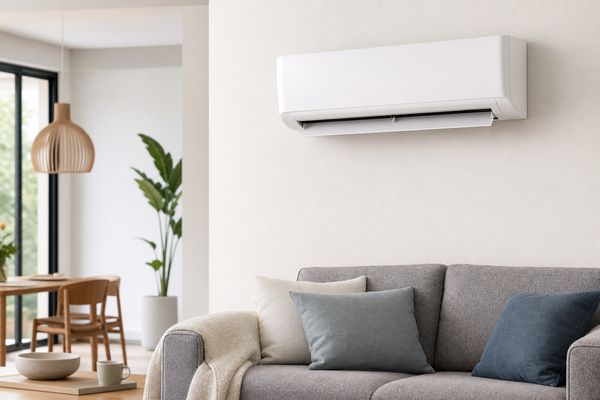
Indoor unit styles include wall-mounted (most common and most efficient), ceiling cassettes (flush-mount in drop ceilings), floor-standing units (placed low on walls), and concealed duct units (hidden in small chase spaces with short duct runs). For most Vista residential applications, wall-mounted units provide the best combination of performance, efficiency, and installation simplicity.
When sizing a mini-split, your contractor should account for the room's square footage, ceiling height, insulation quality, window area and orientation, and Vista's specific climate data. West-facing rooms with large windows need more capacity than north-facing rooms of the same size. An experienced installer knows these nuances and will size your system for optimal comfort without oversizing.
Installation: What to Expect
Mini-split installation in Vista is notably less disruptive than installing central HVAC. A single-zone system typically takes 4–8 hours to install. The process involves mounting the indoor unit on an interior wall, placing the outdoor compressor on a concrete pad or wall brackets outside, and connecting the two with refrigerant lines, electrical wiring, and a condensate drain through a small 3-inch hole in the wall.
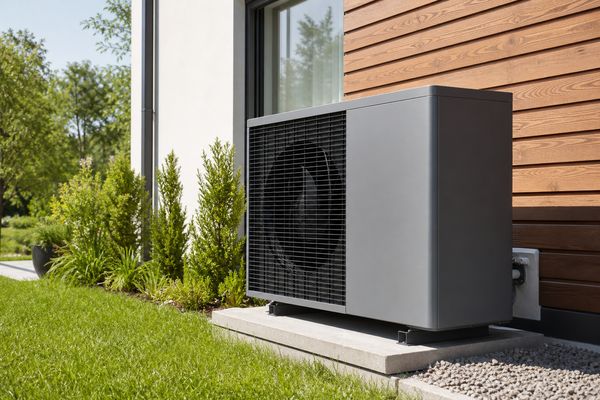
The installer will select indoor and outdoor unit locations based on optimal airflow, refrigerant line length, noise considerations, and aesthetics. Indoor units work best on exterior walls (shorter line runs) and positioned high on the wall where cooled air can cascade naturally across the room. The outdoor unit should be on a solid, level surface with adequate clearance and away from bedroom windows.
Multi-zone installations take longer — typically 1–2 days depending on the number of indoor units and the complexity of routing refrigerant lines through the home. After installation, the system is evacuated with a vacuum pump, charged with refrigerant, and tested through heating and cooling cycles. The installer will demonstrate the remote control and any app connectivity, explain filter maintenance, and ensure you're comfortable operating the system.
Understanding the different mini-split configurations helps Vista homeowners choose the right system. Single-zone systems connect one outdoor unit to one indoor unit — ideal for a single room like a home office, bedroom addition, or garage conversion. Multi-zone systems connect one outdoor unit to 2–5 indoor units, each independently controlled — suitable for whole-home solutions or conditioning multiple rooms.
Indoor unit styles include wall-mounted (most common and most efficient), ceiling cassettes (flush-mount in drop ceilings), floor-standing units (placed low on walls), and concealed duct units (hidden in small chase spaces with short duct runs). For most Vista residential applications, wall-mounted units provide the best combination of performance, efficiency, and installation simplicity.
When sizing a mini-split, your contractor should account for the room's square footage, ceiling height, insulation quality, window area and orientation, and Vista's specific climate data. West-facing rooms with large windows need more capacity than north-facing rooms of the same size. An experienced installer knows these nuances and will size your system for optimal comfort without oversizing.
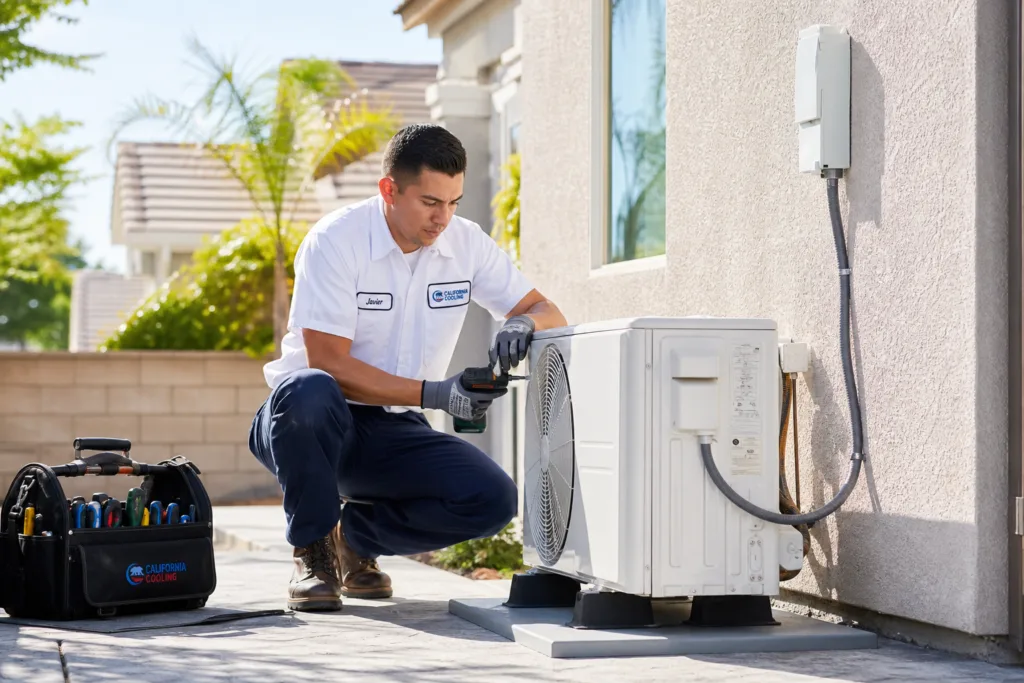
Maintaining Your Mini-Split System
Mini-split maintenance is simpler than central system maintenance, but it's still important — especially in Vista's dusty, hot environment where the systems work hard. The most important homeowner task is regular filter cleaning. Mini-split filters are washable and easily accessible — slide them out of the indoor unit, rinse with water, dry completely, and replace. Do this every 2–4 weeks during cooling season.
Beyond filter care, keep the outdoor unit clear of vegetation, debris, and obstructions. Rinse it periodically with a garden hose to remove accumulated dust. Check that the condensate drain line is flowing freely — a clogged drain causes water to back up and drip from the indoor unit. In Vista's climate, condensate production is significant during summer, so drain line maintenance matters.
Annual professional maintenance is recommended. A technician will deep-clean the indoor coil and blower wheel (which collect dust and biological growth that filters don't fully prevent), check refrigerant charge, inspect electrical connections, test the inverter board, and verify the system is performing to specification. This annual service extends the system's lifespan, maintains efficiency, and prevents the musty odors that can develop from coil contamination.
Change Filters Monthly: During peak cooling season, check your filter every 30 days. A dirty filter is the number one cause of AC problems. Annual Professional Tune-Up: Schedule maintenance in spring before summer demand hits. Technicians catch small issues before they become expensive repairs. Keep the Outdoor Unit Clean: In coastal areas, rinse salt residue off your outdoor condenser regularly to prevent corrosion.
Why Comparing Multiple Ductless Quotes Matters
Mini-split pricing varies more than most HVAC equipment because of the wide range of configurations, brands, and installation scenarios. A single-zone system for one room costs significantly less than a multi-zone system conditioning four rooms. Comparing three quotes helps you understand the local market and identify the best value.
When comparing mini-split quotes, look beyond the bottom-line price. Key differences include: equipment brand and model, warranty terms (manufacturer + installer warranty), SEER rating, installation quality details (line set concealment, electrical work, mounting approach), and post-installation support.
Installation quality matters enormously with mini-splits. Proper refrigerant charge, correct line set sizing, thorough vacuum and leak testing, and secure mounting all affect long-term performance and reliability. A lower quote that cuts corners on installation can cost more in the long run through efficiency loss and premature component failure. Ask each contractor about their installation process.

Price Transparency: Comparing quotes reveals the fair market rate for your specific repair. If one quote is dramatically different from the others, ask why. Different Diagnoses: Sometimes different technicians identify different root causes. Multiple perspectives help you make the best decision. Contractor Fit: Beyond price, compare warranties, response time, and communication quality to find the contractor you trust most.
Cost Considerations: What to Know
Mini-split costs depend on system configuration (single vs. multi-zone), brand, efficiency rating, and installation complexity. Single-zone systems are the most affordable entry point for ductless cooling and heating. Multi-zone systems scale up in cost with each additional indoor unit, but the per-room cost decreases when sharing a single outdoor compressor.
Installation costs in Vista are influenced by mounting requirements, line set length and routing, electrical work (dedicated circuit needed), and any aesthetic finishing like line set covers or chase construction to conceal refrigerant lines. Ground-floor installations on exterior walls are the most straightforward; second-floor installations with long line runs cost more.
The long-term value proposition of mini-splits is strong in Vista's climate. Their high efficiency ratings (often 20+ SEER) mean lower monthly electricity costs compared to window units, portable AC, or even many central systems. Federal, state, and utility incentives may be available for qualifying high-efficiency mini-split systems — check with your contractor about current programs.
Mini-Splits & Ductless Systems Service Areas Near Vista
Mini-Splits & Ductless Systems FAQ — Vista Homeowners
How long does mini-split installation take?
Can one outdoor unit power multiple indoor units?
Do mini-splits work for both heating and cooling?
Can one mini-split system heat and cool a whole hillside home in Vista?
Where should the indoor unit be mounted?
How much space do I need for the outdoor unit?
Where does the indoor mini-split unit typically get mounted in a Vista home?
Will a mini-split disturb a quiet Vista neighborhood?
What upkeep can I handle myself between mini-split service visits?
Can I adjust my mini-split from my phone while I'm away from the house?
Does the city of Vista require a permit before installing a mini-split?
Why would a Vista homeowner choose a mini-split over a window unit?
Related HVAC Services in Vista
Air Conditioning
AC Replacement
HVAC Maintenance & Tune-Up

Heating & Furnace Repair
Furnace Replacement
Mini-Splits & Ductless
Heat Pumps
Ductwork