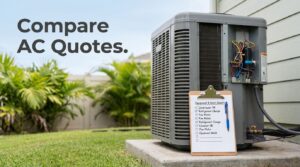
When your air conditioning stops cooling, the first available appointment can look like the best one. But for AC repair in San Diego County, a clear diagnosis and a written price matter as much as speed.
You can rule out a few simple problems before calling. If the system still won’t work, knowing what to ask can help you get it repaired without agreeing to work you don’t need.
Check the basics before booking a repair
Set the thermostat to cooling and lower the target temperature below the room temperature. Check whether the indoor fan is running, then inspect the air filter. If it’s clogged, follow the manufacturer’s instructions for a filter change. A clogged filter can restrict airflow enough to affect cooling or cause the indoor coil to freeze.
If the system won’t start, check the circuit breaker once. A breaker that trips again points to a problem a technician should investigate. Don’t keep resetting it. Also look for a blocked outdoor unit, but leave electrical panels and refrigerant lines alone.
Tell the contractor what you found when you call. Useful details include the thermostat setting, whether air comes through the vents, any unusual sound, and when the trouble started. That description helps the technician plan the visit, although it can’t replace an on-site diagnosis.
Signs your AC needs a professional repair
Weak cooling, short cycling, and unusual sounds
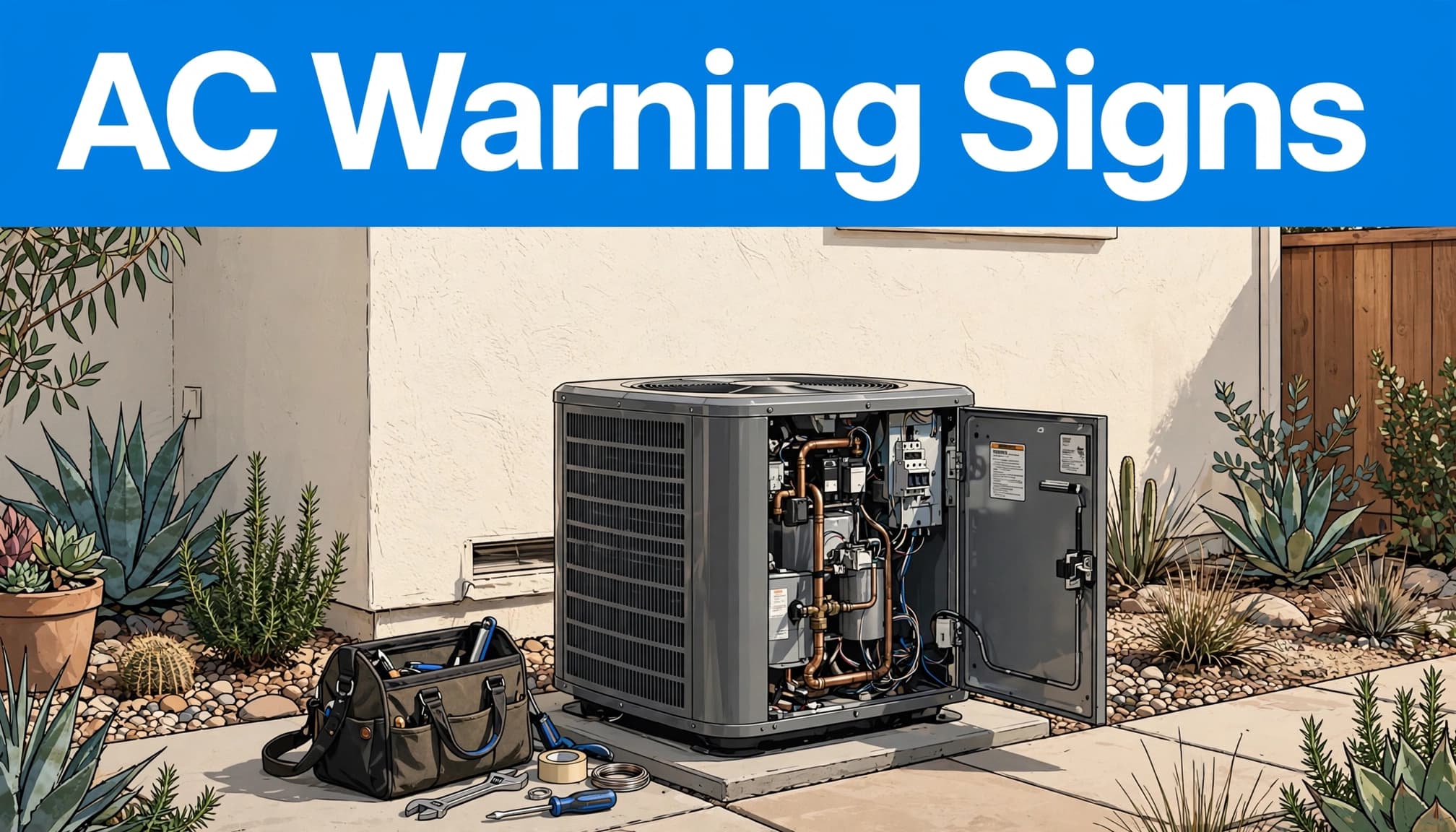
Air conditioning problems that cause warm air at the vents can have several causes, including a dirty coil, electrical fault, or refrigerant problem. Weak airflow may point to the filter, blower, or ductwork. Because those repairs differ widely in cost, don’t accept a diagnosis based on the symptom alone.
A unit that starts and stops repeatedly also deserves attention. So do grinding or banging sounds from equipment that normally runs smoothly. Shut the system off if you hear a harsh mechanical noise or smell burning, then explain the symptom when requesting service.
Ice, water, and a system that never catches up
Ice on the refrigerant lines or indoor coil isn’t a sign that the AC is cooling well. Restricted airflow or a refrigerant issue may be involved. Turn cooling off and contact a professional rather than chipping away the ice.
Water near the indoor unit could come from a blocked condensate drain or thawing ice. If water threatens flooring or ceilings, switch off the system and address the leak promptly. Meanwhile, an AC that runs constantly without reaching the set temperature may need an airflow check as well as an equipment check.
Local conditions matter, too. Salt air can affect outdoor equipment near the coast, while prolonged summer heat puts more demand on inland systems. Ask the technician to inspect the cause rather than assume your location explains the failure.
How fast can a local technician arrive?
Response times depend on your address, the weather, parts availability, and when you call an HVAC company. Some contractors offer same-day appointments, but same-day service isn’t a countywide guarantee. After-hours visits may carry a separate charge.
For North County examples, local listings for AC repair in Carlsbad and AC repair in Vista describe same-day availability among some contractors. Confirm the arrival window before booking. A stated service area doesn’t mean local technicians are nearby.
When calling about an emergency repair, ask whether the technician can diagnose the system today, whether the likely part is stocked, and what the visit costs if you decline the repair. If someone in the home faces a heat-related health risk, mention it when requesting an appointment and arrange a cooler place to wait if necessary.
What does AC repair cost?
There isn’t one dependable price for a local repair. Equipment access, the failed part, refrigerant type, and emergency timing all affect the bill. Trane’s AC repair cost overview gives a broad range of $100 to more than $5,000 across repairs of very different sizes. It’s context, not a local quote.
For smaller jobs, AirRepairPros’ repair cost guide cites $125 to $460 for work that can include capacitor replacement. That figure isn’t a San Diego capacitor price. Ask what your estimate includes before comparing it with a published range.
A faulty capacitor can be less involved than a coil or compressor repair, but the final charge includes diagnosis and labor. For a refrigerant leak, the quote should separate finding and fixing the leak from recovering or adding refrigerant. A recharge alone may leave the underlying problem unresolved.
For each estimate, ask whether the diagnostic fee applies toward the repair, and request an itemized written estimate with upfront pricing. Confirm whether taxes or after-hours charges are included. Written scope is more useful than a single total.
Compare contractors before approving the work

Get the diagnosis and price in writing
Ask the technician to identify the failed component and explain how they tested it. A good estimate describes the repair, parts, labor, warranty, and any work that could change the price. If replacement is proposed, ask for a separate repair price when repair is possible.
The AC repair San Diego County page offers to match homeowners with up to three licensed, insured contractors. Comparing quotes from HVAC contractors can reveal differences in scope as well as price. Ask whether they offer a free estimate, and check whether diagnostic or visit fees still apply. Confirm each contractor’s availability and terms before agreeing to a visit.
Watch for pressure that cuts short the diagnosis
Be cautious if someone insists you must buy a new system immediately without explaining the fault. The same goes for a major repair price given before testing, or a discount that expires while the technician is still in your home.
Ask to see the test results, request a written estimate, and take time to compare. If the system isn’t safe to run, ask the technician to explain the risk and leave it off while you consider the next step.
A large regional HVAC company may offer broader scheduling or more stocked parts. A smaller contractor may provide continuity with the same technician. Neither size guarantees a better result. Compare the person doing the work, the proposed fix, and the warranty rather than choosing by company size alone. If a contractor claims “satisfaction guaranteed,” check what the written warranty actually covers.
Check refrigerant credentials and repair scope
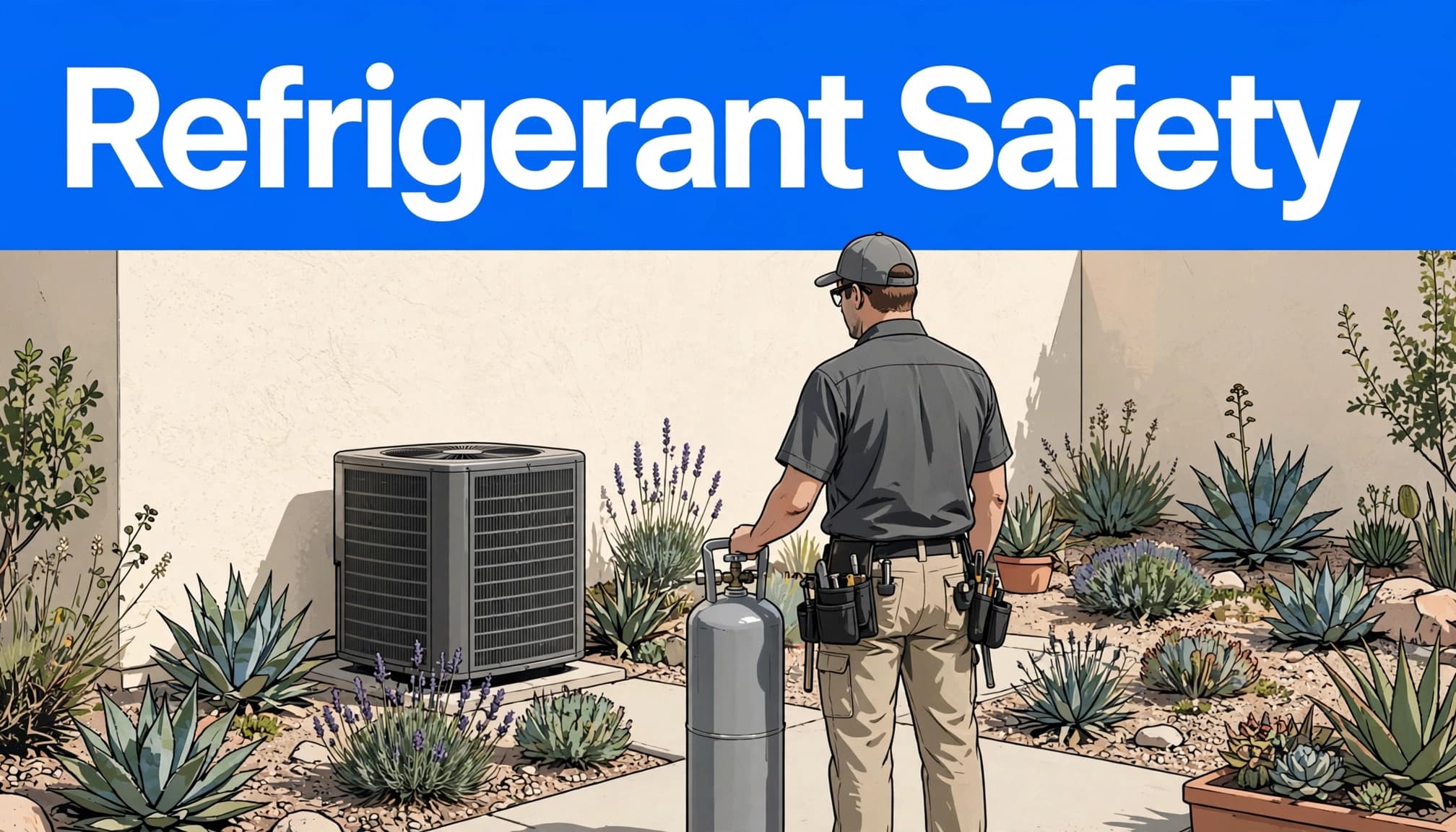
Refrigerant work has its own qualification requirements. The EPA requires technicians to pass an approved test to become EPA 608 certified under Section 608 technician certification. If a repair involves opening the refrigerant circuit, ask who will handle it and whether that person holds the appropriate certification.
Also ask for the HVAC contractor’s California license number and proof of insurance. Technician certification and contractor licensing answer different questions; checking one doesn’t replace checking the other.
A sound leak-repair proposal identifies where the leak is, what will be repaired or replaced, and how the system will be checked afterward. If the technician can’t yet locate it, the estimate should distinguish diagnostic work from a final repair price.
Repair the system or consider system replacement?
Weigh the fault against the rest of the equipment
Air conditioning repair on an otherwise reliable unit is a different decision from an expensive compressor or coil job after repeated failures. Ask about the system’s age, parts availability, existing warranty, and the condition of the remaining components. For a residential HVAC system, a low repair price has less value if another known fault will soon need attention.
Compare written prices before choosing system replacement. An installation quote should list what’s included beyond the outdoor unit, such as indoor equipment, electrical work, the thermostat, and any needed duct repair. Ask how the contractor sized the proposed system for your home and whether flexible financing is available.
Consider heating needs when replacing cooling equipment
If you’re weighing furnace repair against replacement, compare heat pumps with a conventional AC and heating setup. The Department of Energy’s air-source heat pump guidance explains that heat pumps can provide both heating and cooling. The right choice still depends on the home’s layout, existing equipment, and installation costs.
Ductless systems, including mini-splits, may suit an addition or a room without ducts. In a ducted home, uneven temperatures may call for a duct inspection before you buy more cooling equipment. Oceanside heating and cooling services include ductwork and equipment options if you’re comparing approaches there.
Decide whether maintenance is worth paying for
An AC tune-up is a form of preventive maintenance that can catch dirty coils, drainage trouble, worn electrical parts, and airflow problems before they interrupt cooling. Schedule seasonal maintenance before peak cooling demand when possible. Ask for findings in writing, including filter or airflow issues that may be relevant to indoor air quality, especially if the visit leads to a costly repair recommendation.
Service memberships vary, so compare the HVAC services each includes. Some cover scheduled cooling and heating visits; others add priority booking or repair discounts. Before signing up, ask how many visits are included, whether filters or parts cost extra, and what “priority” means during a heat wave. Check cancellation terms and whether discounts apply to the work your system is likely to need.
Maintenance can’t guarantee that a capacitor won’t fail. Its value is an informed inspection and a plan for addressing problems, not a promise of breakdown-free operation.
Key takeaways
- Check the thermostat, filter, and breaker once before requesting service.
- For urgent work, confirm the arrival window and all visit fees.
- Compare written diagnoses and repair scopes, not totals alone.
- Ask about EPA certification when a repair involves refrigerant.
Frequently asked questions
How much does capacitor replacement cost in San Diego?
There isn’t a verified countywide price in the cited cost guides. Published figures for small AC repairs provide context, but your charge will depend on diagnosis, access, labor, and appointment timing. Request a written total before authorizing the replacement.
Can a refrigerant leak be fixed without replacing the AC?
Often, a technician can repair or replace the leaking component, but the answer depends on where the leak is and the equipment’s condition. Ask for a leak-location finding and a repair estimate before deciding whether replacement makes more sense.
Should I call an HVAC contractor or an electrician?
Start with an HVAC contractor when the AC won’t cool, freezes, makes unusual noises, or won’t start. If a technician identifies a problem with the home’s electrical supply rather than the air conditioning equipment, they can explain what an electrician needs to address.
Make the repair decision on clear terms
A failed AC calls for prompt help, especially on a hot inland day. It doesn’t require an instant decision on a major purchase. A tested diagnosis and written scope give you a fair basis for choosing a repair.
If the work is costly, compare another qualified contractor’s findings before you commit. The best appointment gets your home cooling again with reliable service, a price, and a plan you understand.