Heating & Furnace Repair in Carlsbad, CA

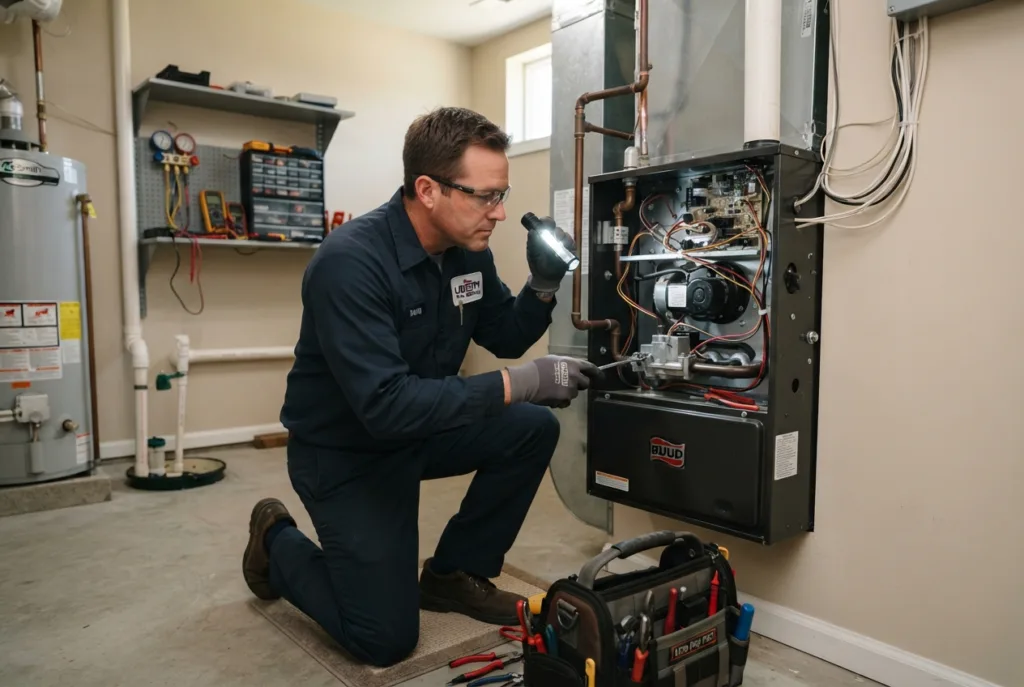
What Is Heating & Furnace Repair & When Do You Need It?
• Faulty or failed igniter replacement (hot surface or spark ignition)
• Cracked or damaged heat exchanger inspection and repair
• Gas valve diagnosis and replacement
• Flame sensor cleaning or replacement
• Blower motor and capacitor repair
• Control board or thermostat wiring diagnosis
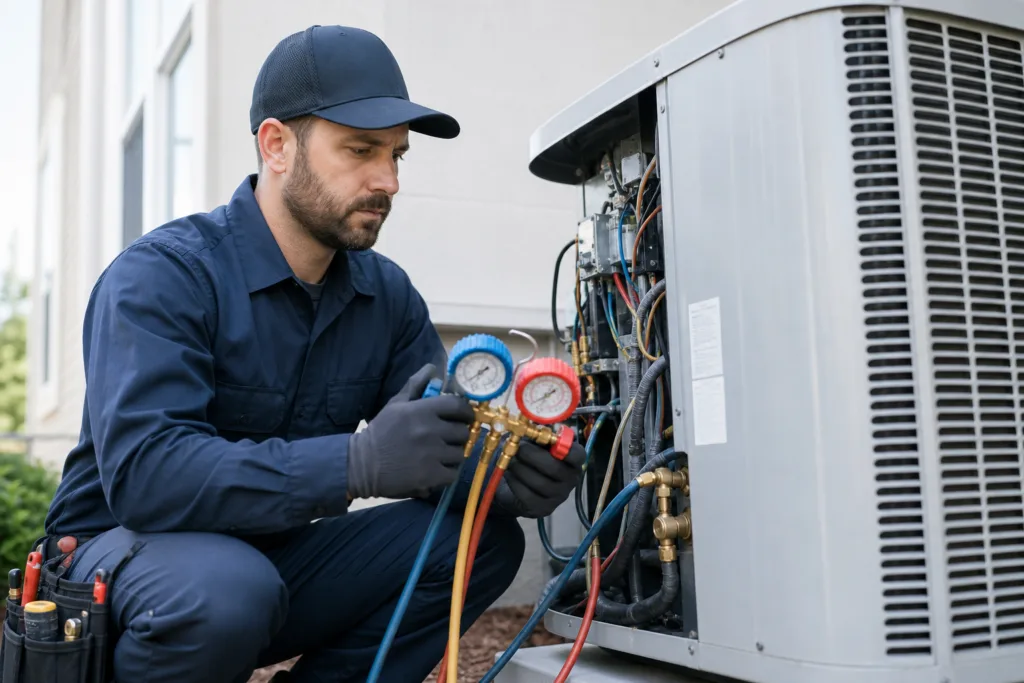
• Heat pump reversing valve and refrigerant charge service
Top Reasons Carlsbad Homeowners Need Heating & Furnace Repair
Restore Warmth Before Cold Nights Strike
Prevent Small Faults From Becoming Costly Failures
Maintain Safe Indoor Air Quality
Restore Energy Efficiency
Extend the Useful Life of Your System
Ready to Compare Heating & Furnace Repair Quotes in Carlsbad?
6 Signs Your Furnace Needs Professional Repair
No Heat or Insufficient Heat Output
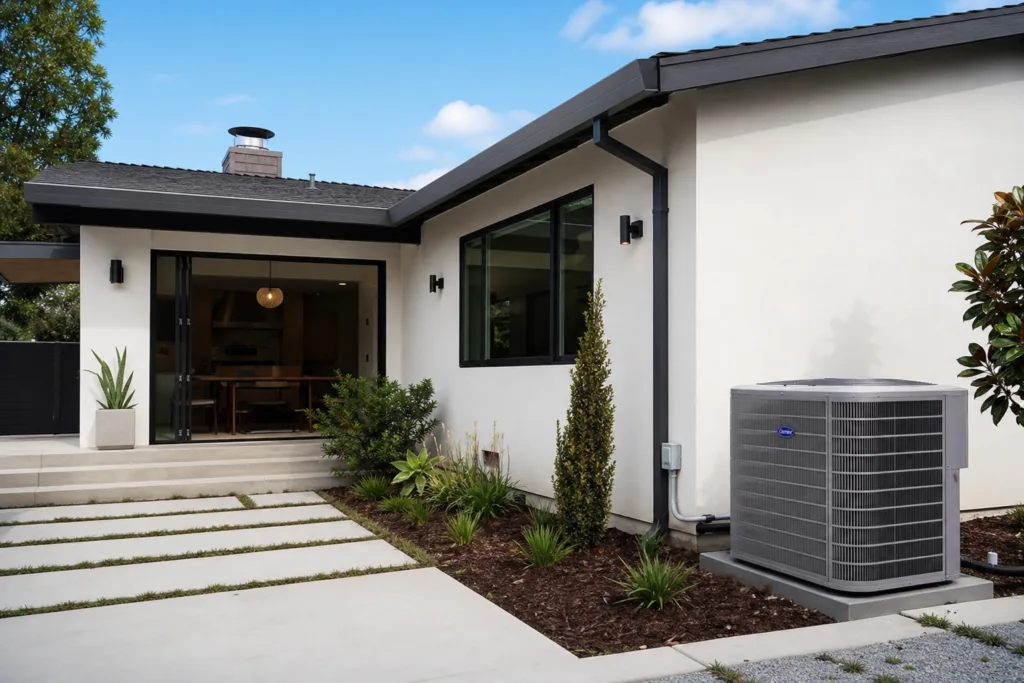
Short Cycling — System Turns On and Off Rapidly
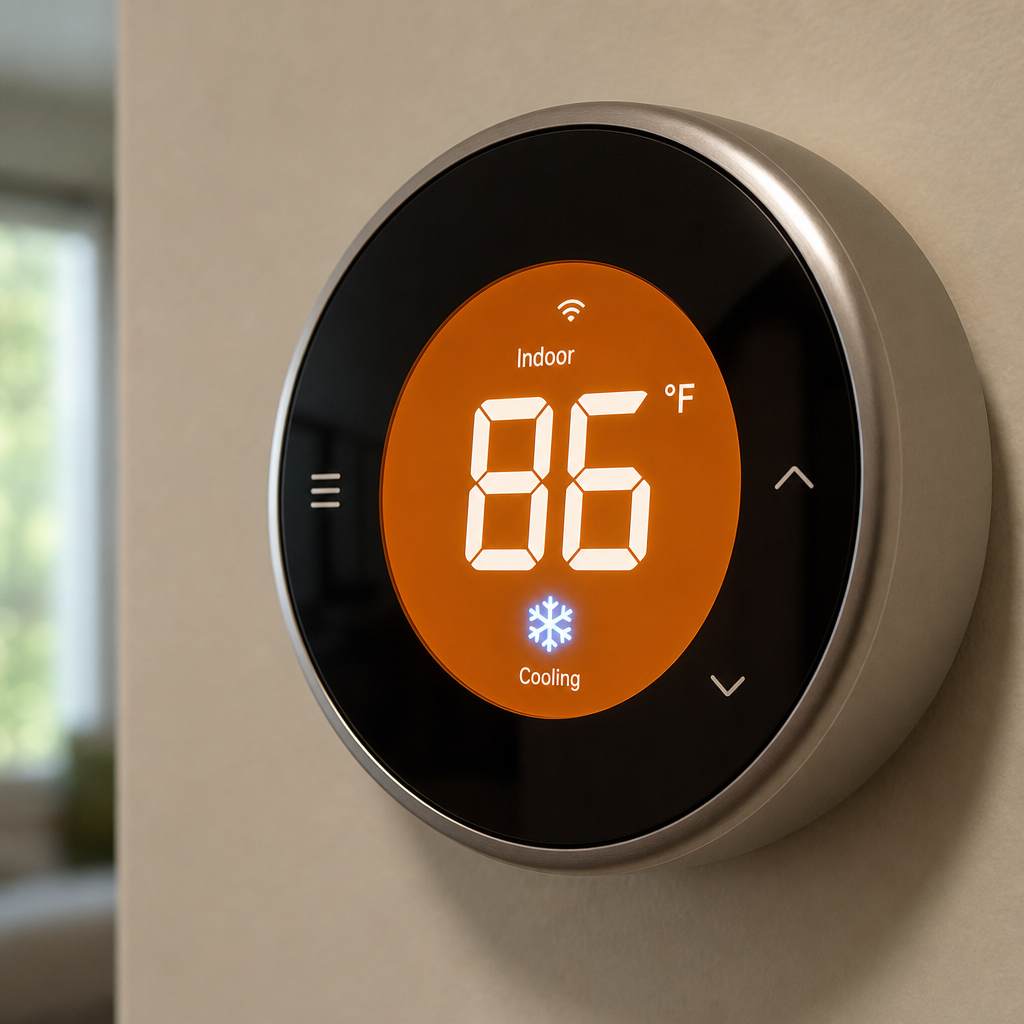
Unusual Noises — Banging, Rattling, or Squealing

Yellow or Flickering Burner Flame
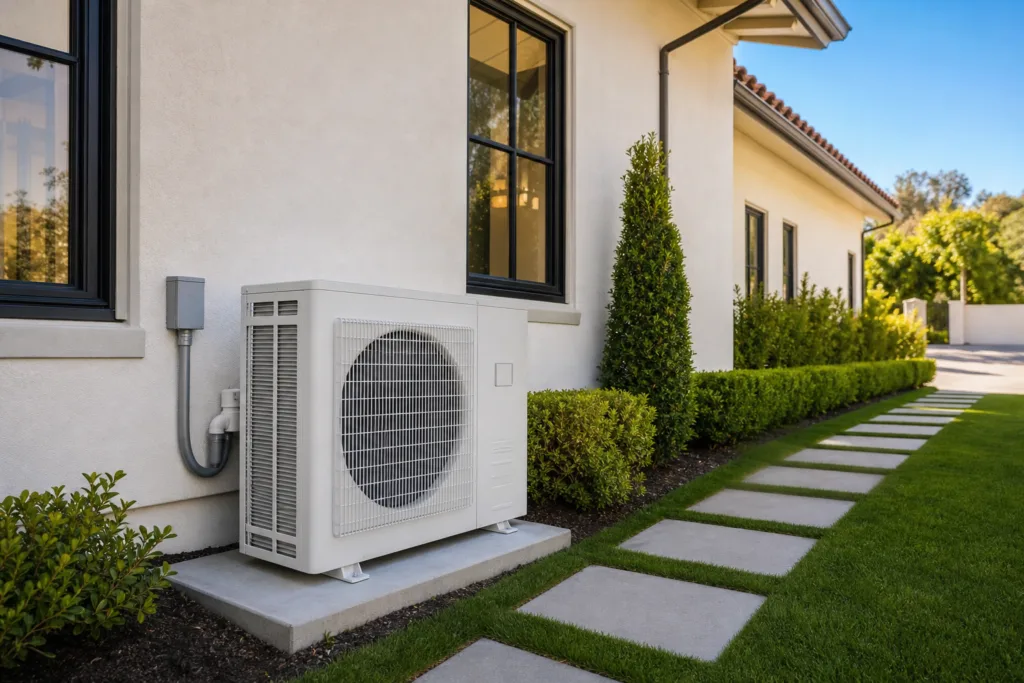
Thermostat Calls for Heat But Nothing Happens
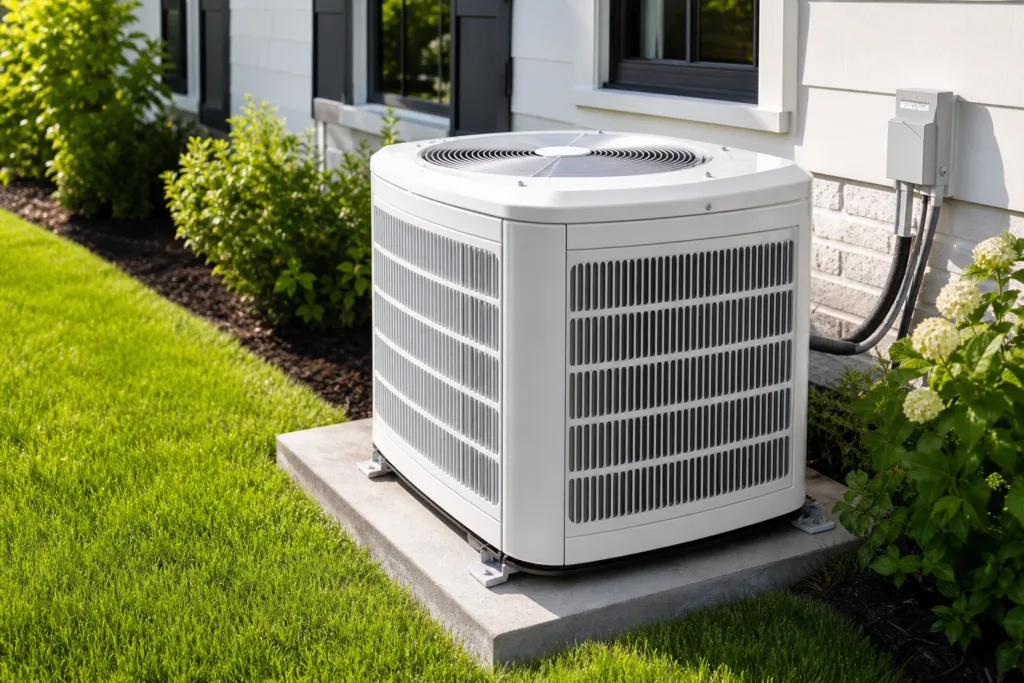
Rising Energy Bills Without Increased Usage
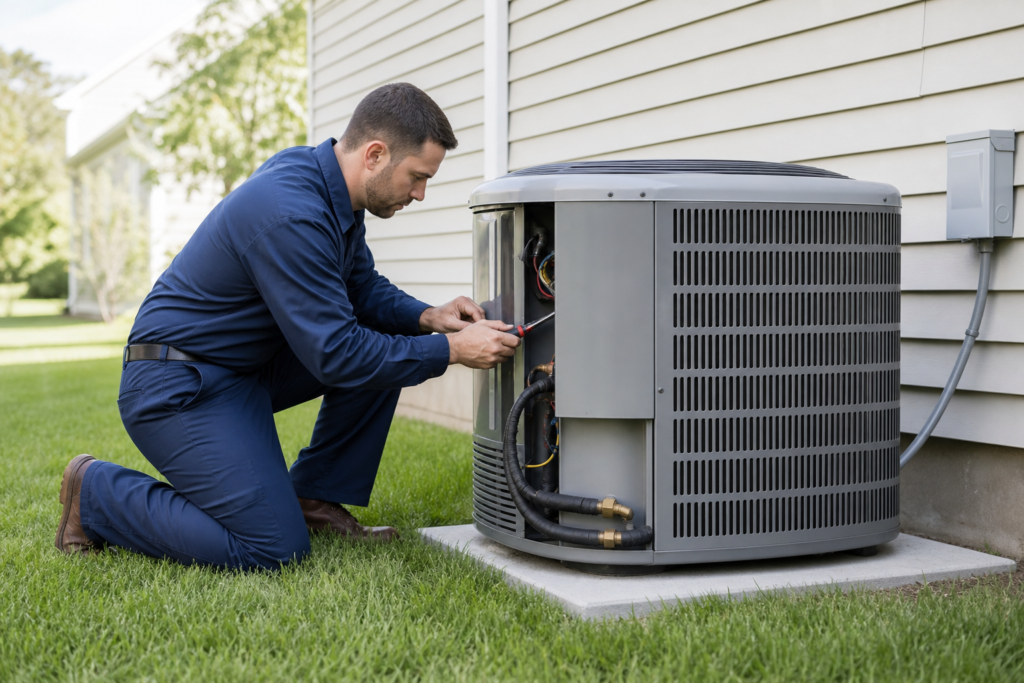
What Professional Heating & Furnace Repair Delivers
Accurate Root-Cause Diagnosis
Safety Inspection Included
Manufacturer-Compliant Parts
Restored Comfort Quickly
Documented Service Record
Honest Repair vs. Replace Guidance
Common Furnace Problems a Repair Can Fix
Ignition or Pilot Light Failures
Blower Motor Problems
Heat Exchanger Cracks
Thermostat Wiring Issues
Dirty or Clogged Burners
How to Choose the Right Heating & Furnace Repair Contractor
Key Factors to Consider
- Gas Safety Certification
Furnace work involves gas lines and combustion. Verify your contractor has specific gas safety certifications and training. - Carbon Monoxide Testing
Quality contractors test CO levels as part of every furnace repair. This non-negotiable safety step protects your family. - Same-Day Availability
Furnace failures in cold weather are emergencies. Choose contractors who offer same-day or emergency service. - Parts Availability
Established contractors stock common parts and have supplier relationships that mean faster repairs.
Furnace Repair vs. Replace Guide
✅ Repair If:
- Furnace is under 15 years old
- First-time or minor issue
- Heat exchanger is intact
- Repair cost is under 50% of replacement
🔄 Replace If:
- Furnace is 20+ years old
- Heat exchanger is cracked
- Multiple repairs per season
- AFUE rating is below 80%
💡 Pro Tip
Ready to Get Heating & Furnace Repair in Carlsbad?




Expert Tips for Furnace Care in Carlsbad
Test Your Furnace Before Winter
Take Safety Seriously
Compare Diagnoses, Not Just Prices
Consider a Dual-Fuel System
When to Repair vs. Replace Your Furnace
🔧 Repair Makes Sense If...
✨ Consider Replacement If...
Complete Guide
The Complete Guide to Heating & Furnace Repair in Carlsbad
How Furnace and Heating System Diagnosis Works
When an HVAC technician arrives for a heating repair call, the process begins with a systematic inspection rather than immediately replacing parts. The technician will check the thermostat settings and wiring, verify power supply to the unit, inspect the filter and airflow path, and review any error codes displayed on the control board. This step-by-step approach narrows the field of possible causes before any components are touched.
Gas furnaces are diagnosed with attention to the ignition sequence: does the inducer motor start, does the gas valve open, does the igniter glow or spark, and does the burner light and sustain a flame? Each step in this sequence can be tested individually, which is why technicians can often pinpoint a failed igniter or faulty flame sensor within minutes of beginning the diagnostic process.
Heat pumps operating in heating mode require a different diagnostic approach because they move heat rather than generate it. Technicians check refrigerant charge, reversing valve function, outdoor coil defrost operation, and auxiliary heat staging — factors that are distinct from gas furnace diagnostics but equally systematic.
Heat exchanger inspection deserves special attention in any gas furnace repair visit. The heat exchanger is the metal chamber where combustion gases are contained while air flows over the outside surface, picking up heat. Cracks or holes in this component allow combustion byproducts to enter the living space, which is a serious safety concern. Technicians inspect the heat exchanger visually, sometimes using a combustion gas analyzer or camera to check for leaks that are not visible to the naked eye.
Control boards have become the central diagnostic hub in modern furnaces. Most boards display fault codes via LED blink sequences or digital readouts, and these codes correspond to specific conditions such as pressure switch failures, rollout switch trips, or ignition lockouts. Reading and interpreting these codes correctly is a key skill that separates a systematic repair from a trial-and-error parts replacement approach.
Gas pressure measurement is another diagnostic step that is often overlooked in quick-turnaround service calls. Both the incoming line pressure and the manifold pressure at the burners should fall within the manufacturer's specified range. Pressure that is too low produces weak combustion; pressure that is too high can cause overheating and flame rollout. Proper measurement ensures the repair addresses not just the failed component but the operating conditions that may have caused it to fail.
Gas vs. Electric Furnace Repairs: What's Different
Gas and electric furnaces share many common components — blower motors, control boards, limit switches, and air filters — but their heating elements differ significantly, and so do the repairs specific to each type. Understanding these differences helps homeowners know what to expect when a technician arrives.
Gas furnaces rely on a burner assembly, gas valve, and heat exchanger. Repairs in this category include cleaning or replacing burners, adjusting or replacing the gas valve, cleaning or replacing the flame sensor, and inspecting the heat exchanger for cracks. Gas systems also have a flue venting path that must be clear of blockages and properly sealed — a concern that does not apply to electric furnaces.
Electric furnaces use resistance heating elements similar to those in an electric oven. When a heating element fails, the furnace may produce less heat or no heat at all, depending on how many elements the system uses. Sequencers — small relays that stagger the startup of each heating element to prevent circuit overload — are another common electric furnace repair item. Electric furnace repairs generally carry lower safety risk since there is no combustion, but they still require proper electrical safety protocols.
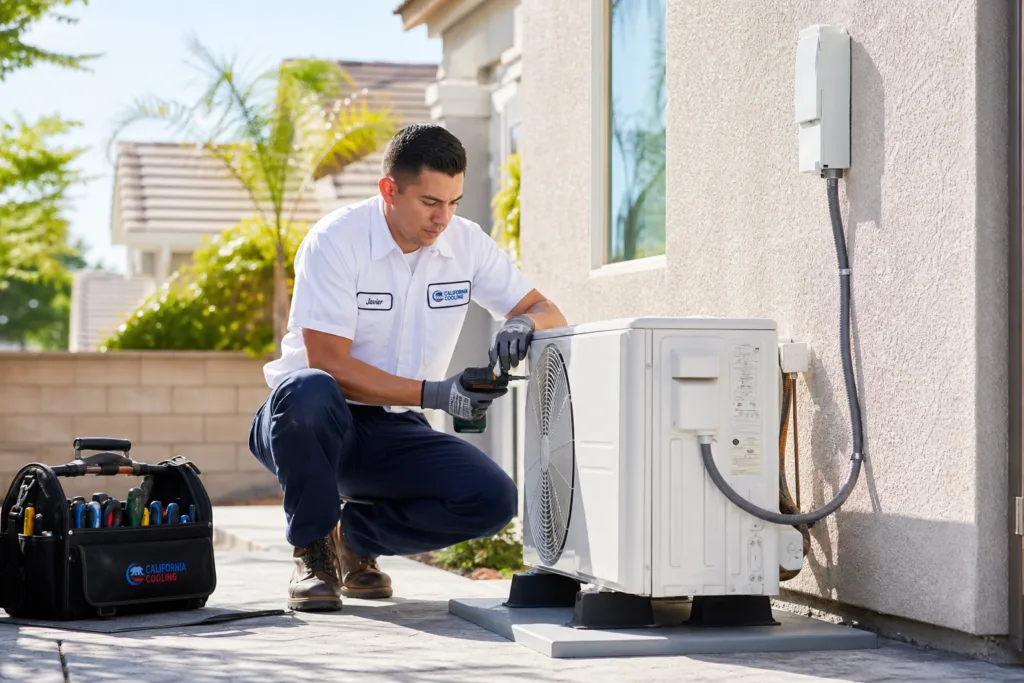
How to Prevent Future Heating Breakdowns
The most effective maintenance step a homeowner can take is replacing or cleaning the air filter on a regular schedule. In Southern California, where HVAC systems run year-round for both cooling and heating, filters accumulate dust faster than in cooler climates. A clogged filter restricts airflow, causes the furnace to overheat, and triggers safety shutoffs — making filter maintenance the single highest-impact DIY task available to homeowners in Carlsbad.
Annual professional tune-ups, ideally performed in early fall before the heating season begins, catch developing problems before they cause a breakdown on a cold night. During a tune-up, a technician cleans the burner assembly, tests ignition components, measures combustion efficiency, checks the heat exchanger, lubricates moving parts, and verifies that safety controls are functioning correctly.
Keeping the area around your furnace clear of stored items, lint, and debris supports proper airflow and reduces fire risk. Homeowners with gas furnaces should also ensure that the flue vent pipe is undamaged and that the area around the furnace has adequate combustion air supply — particularly important if the furnace is in a tightly sealed utility closet.
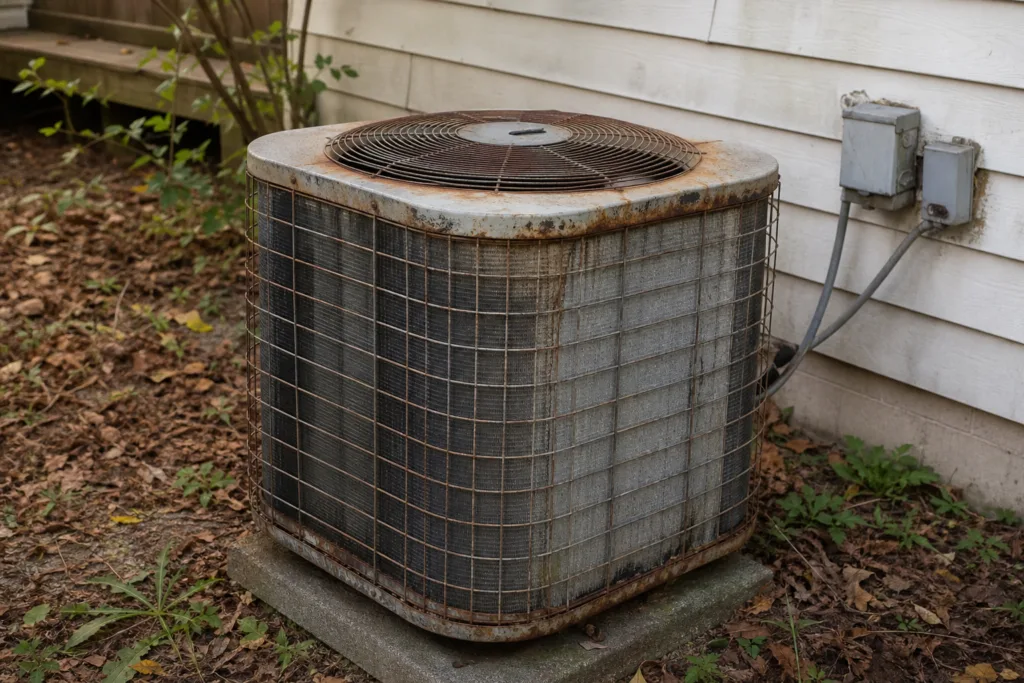
Change Filters Monthly: During peak cooling season, check your filter every 30 days. A dirty filter is the number one cause of AC problems. Annual Professional Tune-Up: Schedule maintenance in spring before summer demand hits. Technicians catch small issues before they become expensive repairs. Keep the Outdoor Unit Clean: In coastal areas, rinse salt residue off your outdoor condenser regularly to prevent corrosion.
Why Comparing Multiple Heating Repair Quotes Matters
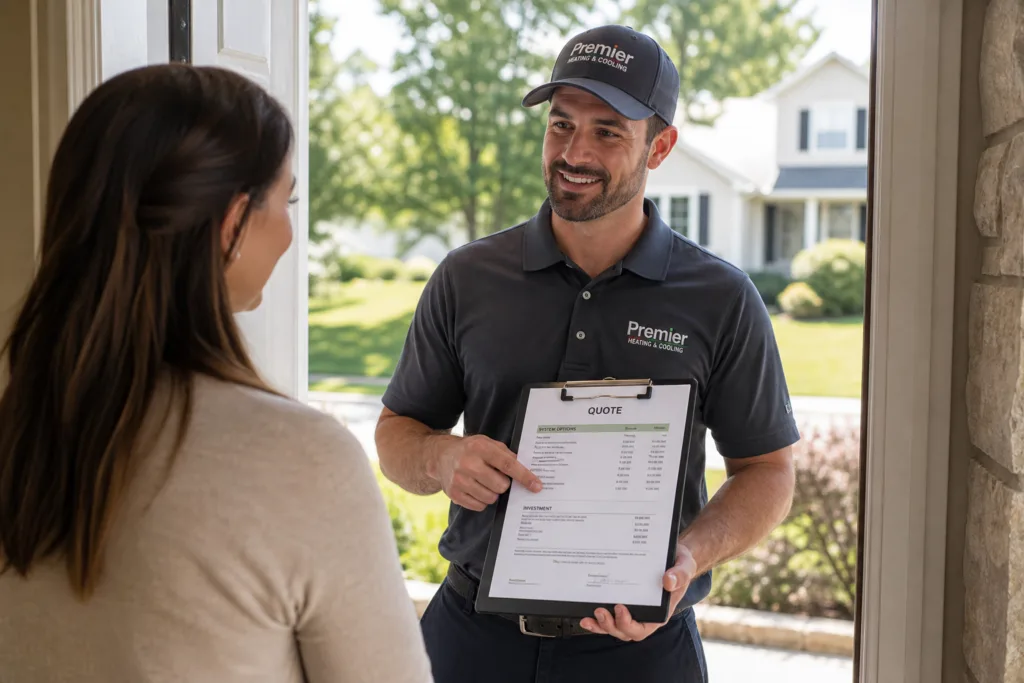
When comparing heating repair quotes, the first thing to examine is whether each contractor has provided a specific diagnosis or a general estimate. A quote that identifies a particular component — such as a draft inducer motor or a gas valve — and explains why that part needs replacement gives you more confidence than a vague estimate for 'furnace repair.' Ask each contractor to explain the diagnosis in plain terms.
Labor and parts should be itemized separately in a repair quote. This allows you to compare not just the total price but the cost structure between contractors. It also helps you verify that the parts being quoted are appropriate for your specific furnace model and that you are not being charged for components that do not need replacement.
Ask each contractor about the warranty on both parts and labor. Reputable HVAC companies stand behind their repairs and will return to address any issue that arises from the same repair within a defined period. A contractor who offers no labor warranty on repair work may not be as confident in their diagnosis or workmanship as one who covers their repairs for a specified term.

Price Transparency: Comparing quotes reveals the fair market rate for your specific repair. If one quote is dramatically different from the others, ask why. Different Diagnoses: Sometimes different technicians identify different root causes. Multiple perspectives help you make the best decision. Contractor Fit: Beyond price, compare warranties, response time, and communication quality to find the contractor you trust most.
What Affects the Cost of Furnace Repair in Carlsbad
Heating repair costs vary based on several factors: the specific component that needs replacement, the age and brand of the furnace, whether the repair requires specialized parts, and whether the visit occurs during standard business hours or as an emergency call. Understanding these variables helps you evaluate quotes more accurately and avoid surprises on the final invoice.
Parts availability influences repair cost significantly. Common components like igniters, flame sensors, and capacitors are stocked by most HVAC suppliers and are straightforward to source. Less common parts — control boards for older or discontinued furnace models, or proprietary heat exchangers — may need to be special-ordered, adding both cost and time to the repair.
The age of the system also factors into repair economics. A furnace that is beyond its typical service life and requiring a major repair invites a repair-versus-replace comparison. Most contractors will provide guidance on this question, but getting quotes from multiple contractors gives you a broader perspective on whether repair or replacement is the more sensible path for your specific situation in Carlsbad.
Heating & Furnace Repair Service Areas Near Carlsbad
Heating & Furnace Repair FAQ — Carlsbad Homeowners
How do I know if my furnace problem is a repair or a replacement situation?
Why does my furnace turn on but blow cold air?
Is a yellow furnace flame dangerous?
How long does a typical furnace repair take?
How often should a furnace be serviced even if it seems to be working fine?
Can I reset my furnace myself if it stops working?
What is a heat exchanger and why does it matter?
Does my heat pump need the same kind of repair as a furnace in winter?
Why does my furnace make a loud bang when it starts up?
What should I do if I smell gas near my furnace?
How does Southern California's mild climate affect how often furnaces need repair?
Are there any furnace repairs I should not attempt myself?
Related HVAC Services in Carlsbad
Air Conditioning
AC Replacement
HVAC Maintenance & Tune-Up
Heating & Furnace Repair
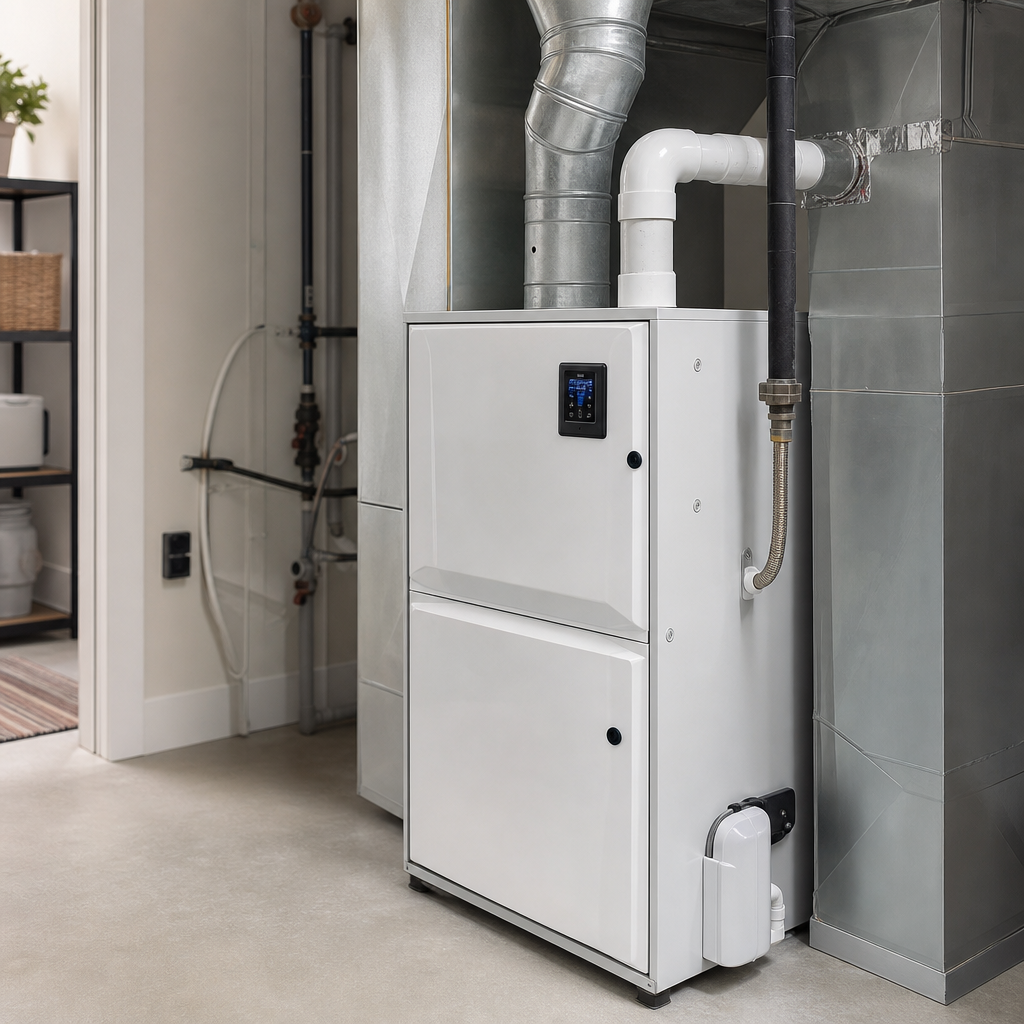
Furnace Replacement
Mini-Splits & Ductless
Heat Pumps
Ductwork