
Heat Pumps Installation Carlsbad, CA

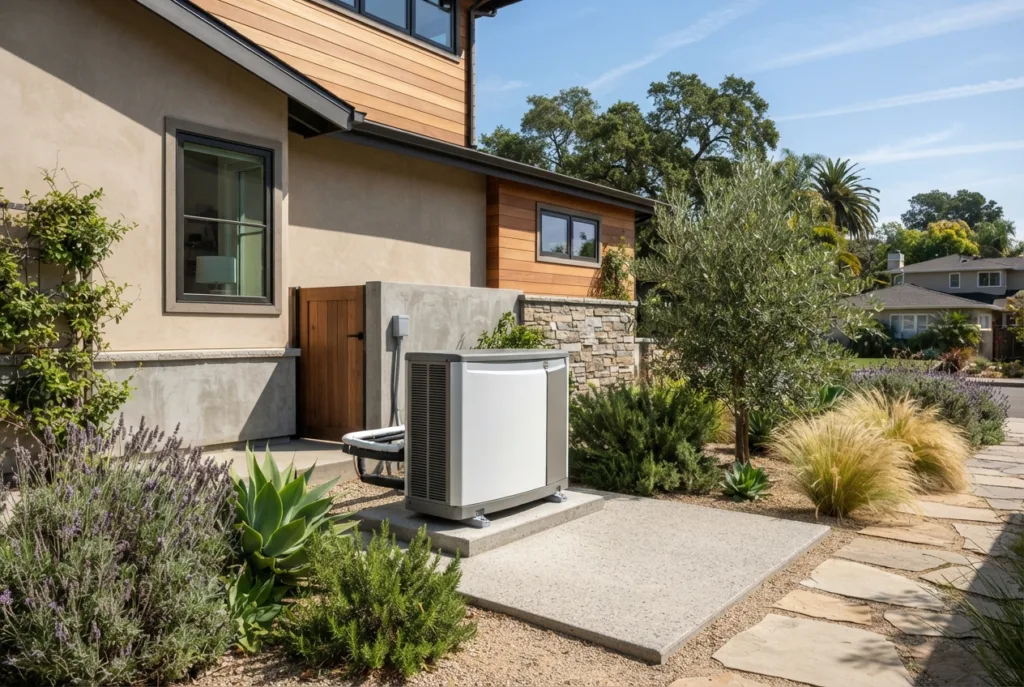
What Is a Heat Pump & When Do You Need It?
• New heat pump installation (whole-home split systems)
• Ductless mini-split heat pump installation
• Heat pump replacement (swap out aging AC + furnace combos)
• Refrigerant recharge and leak repair
• Thermostat and controls upgrade
• Heat pump tune-up and seasonal maintenance
• Reversing valve repair or replacement
Top Reasons Carlsbad Homeowners Need Heat Pumps
One System for All Seasons
Lower Operating Costs
All-Electric, Gas-Free Operation
Consistent, Even Comfort
Improved Indoor Air Quality
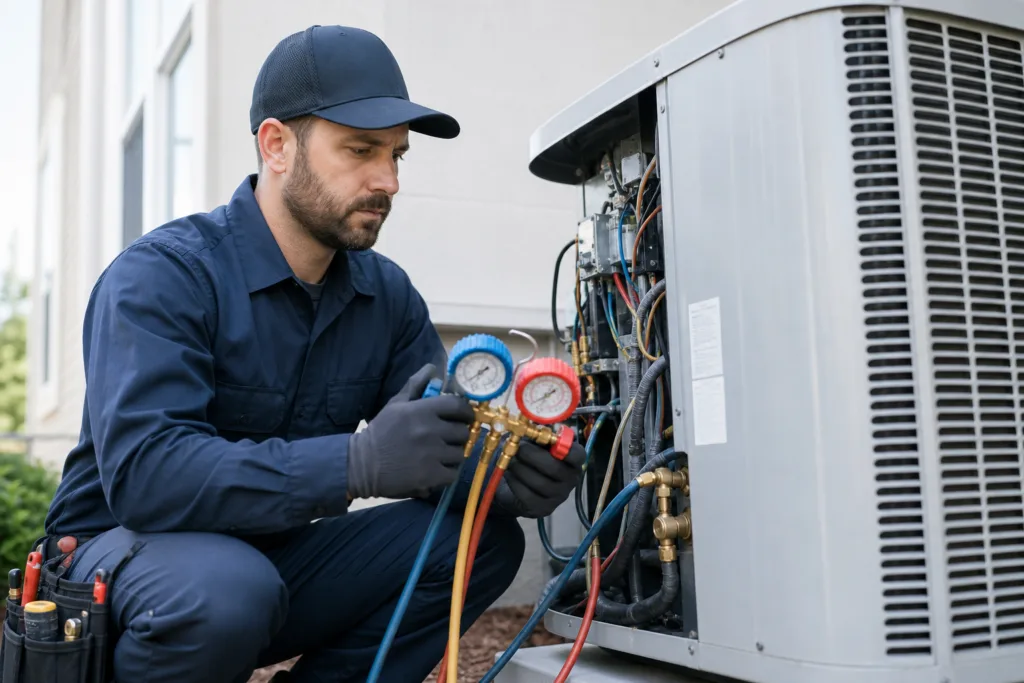
Ready to Compare Heat Pumps Quotes in Carlsbad?
6 Signs a Heat Pump Is the Right for Carlsbad Homeowners
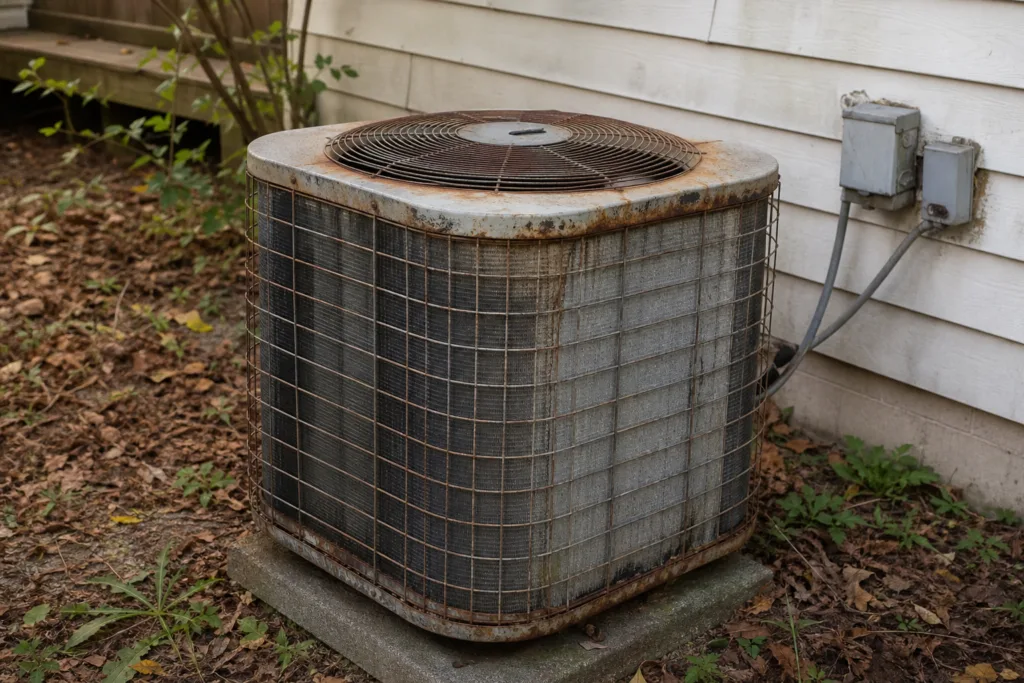
System Is Over 10–15 Years Old
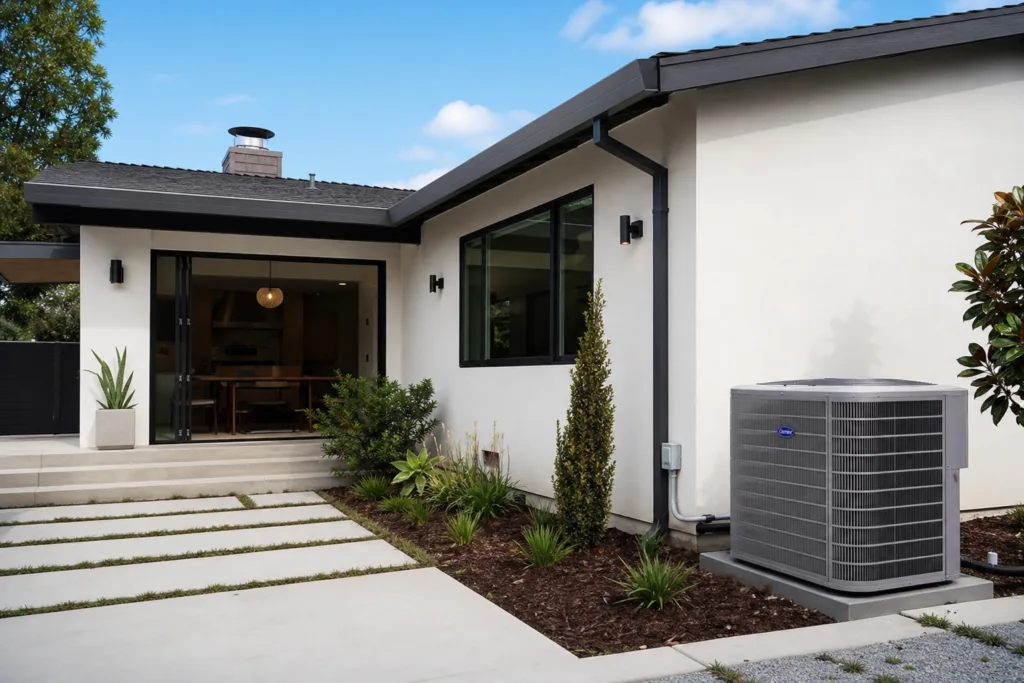
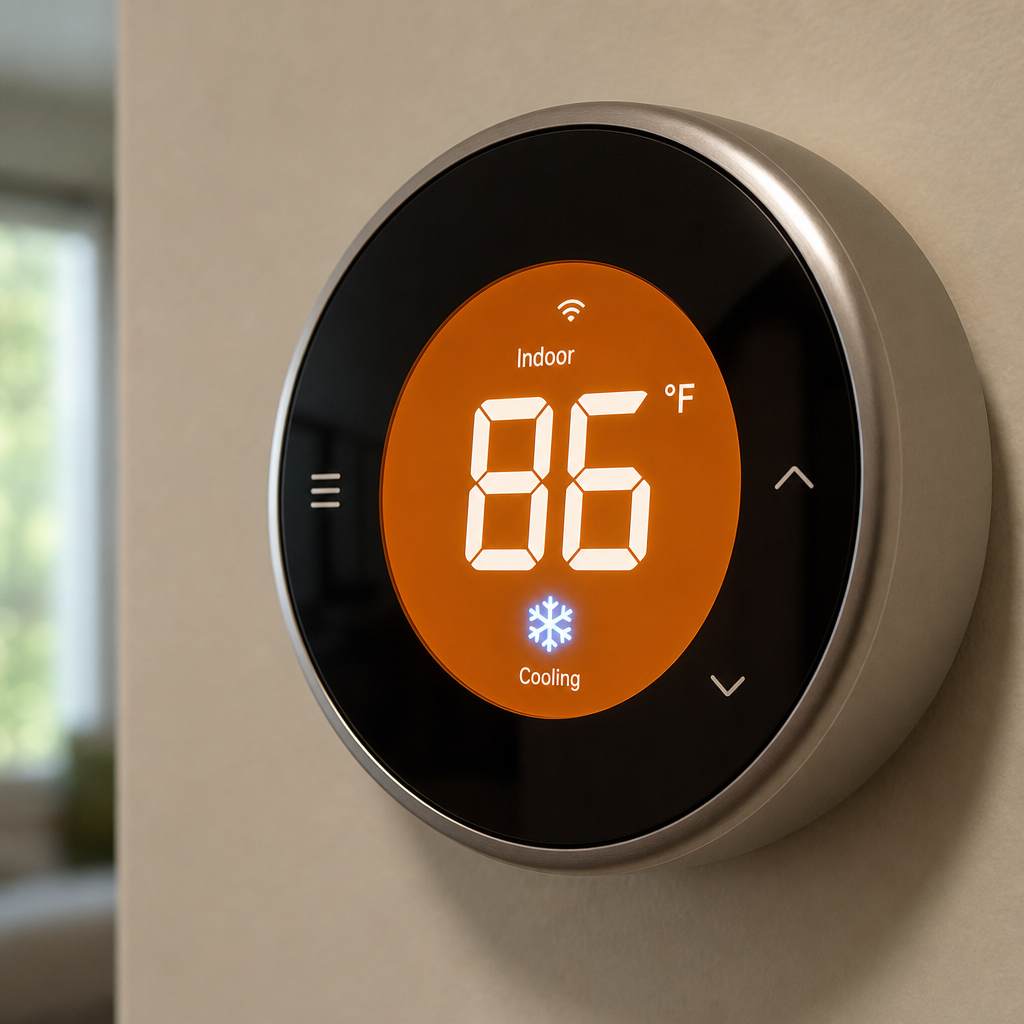
Rising Energy Bills With No Explanation
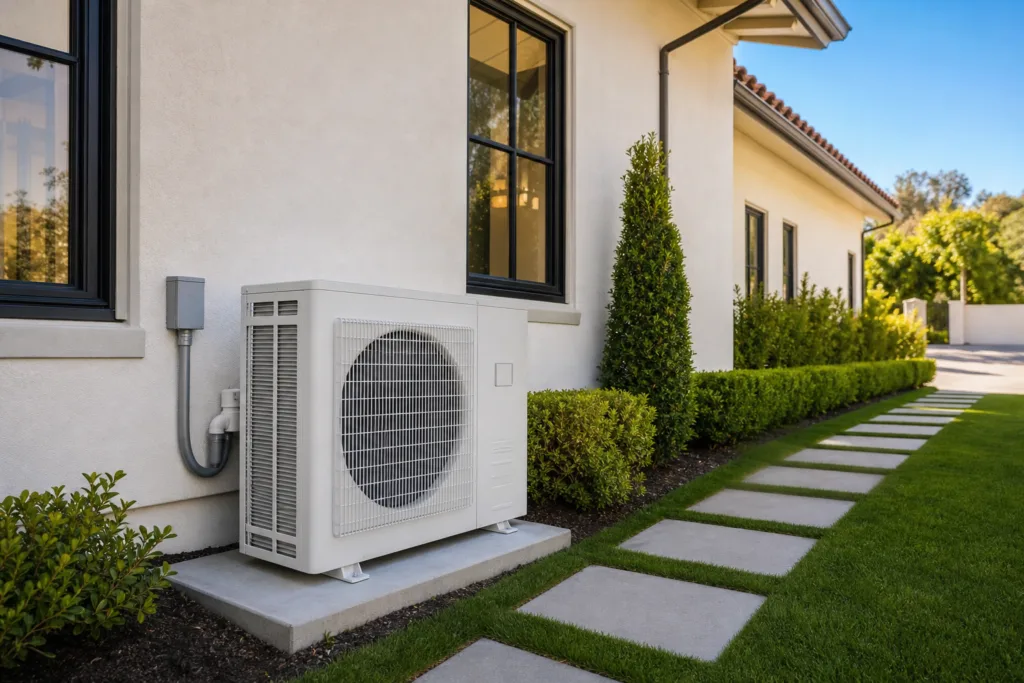
Unusual Noises During Operation

Inadequate Heating or Cooling
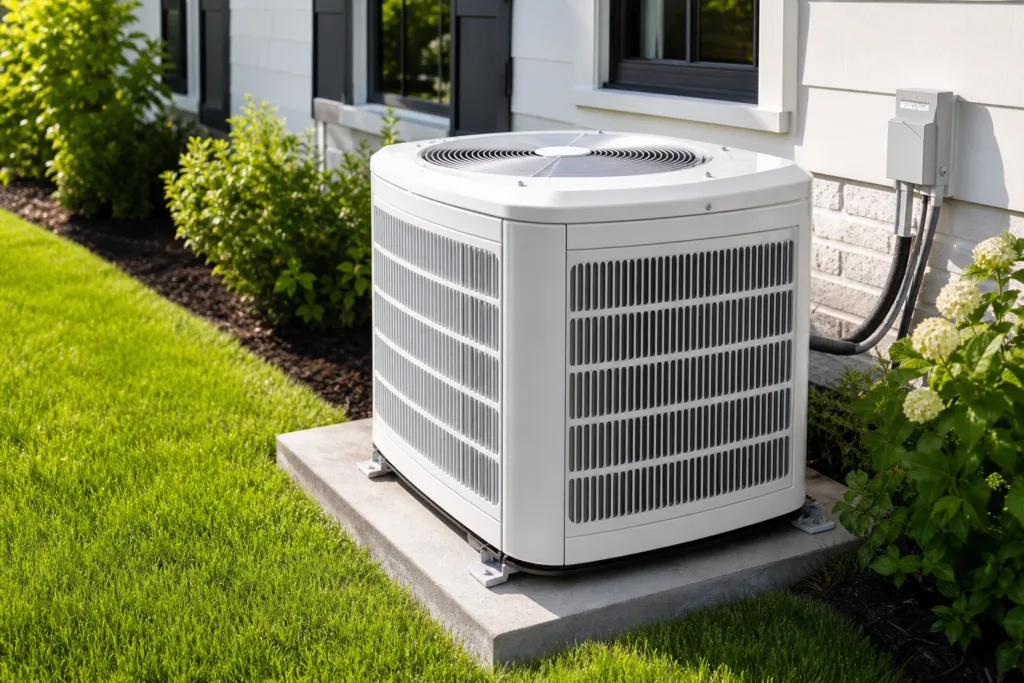
Frequent Short Cycling
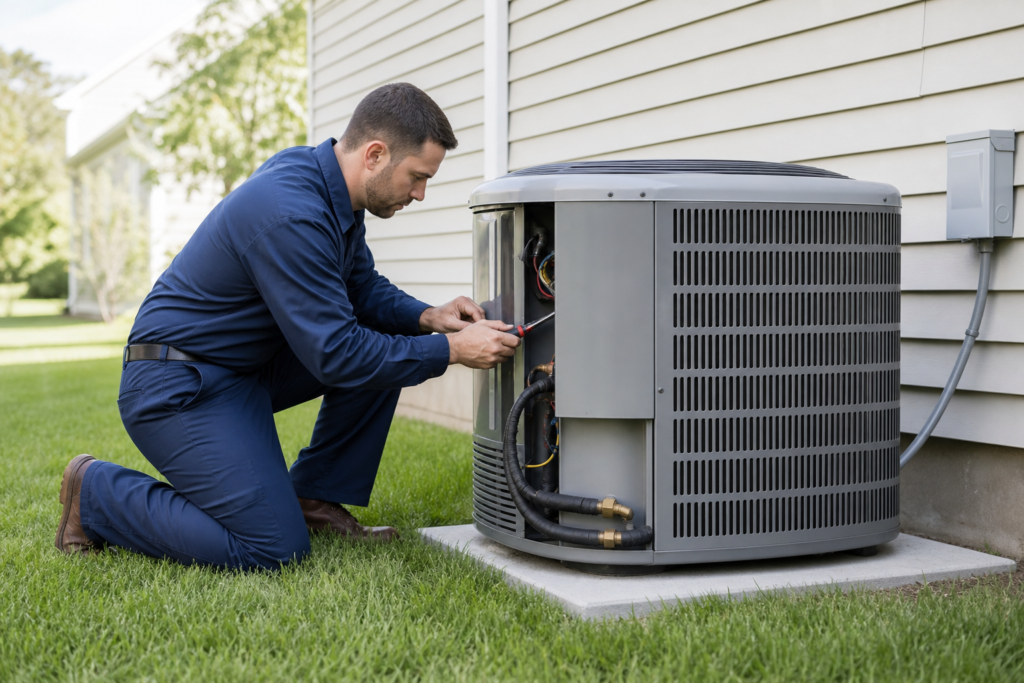
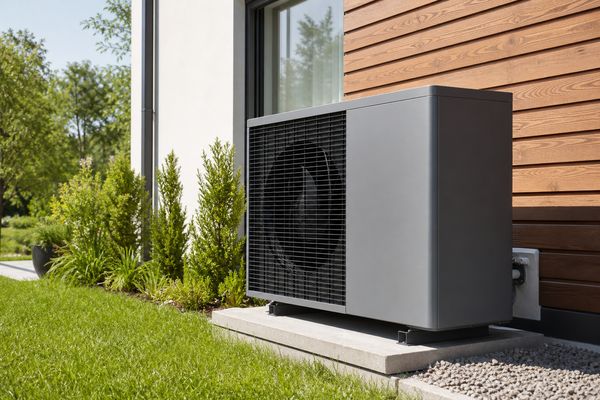
Ice Buildup on the Outdoor Unit
What Professional Heat Pumps Delivers
Year-Round Comfort From One System
High Energy Efficiency Ratings
Quieter Operation Than Traditional Systems
Eligibility for Utility and State Rebates
No Combustion Risk
Flexible Installation Options
What Modern Heat Pumps Deliver
Heating AND Cooling in One System
300-400% Heating Efficiency
Lower Carbon Footprint
Consistent Comfort
Qualifies for Major Incentives
How to Choose the Right Heat Pumps Contractor
Key Factors to Consider
- Heat Pump Specialization
Not all HVAC contractors have heat pump experience. Look for specific training and installation history with heat pump systems. - Electrical Capacity Assessment
Heat pumps may require electrical panel upgrades. Quality contractors evaluate your home's electrical capacity upfront. - Rebate Navigation
The best contractors help you maximize available incentives — federal tax credits, applicable state programs, and utility rebates. - Performance Guarantees
Ask about efficiency guarantees and what happens if the system doesn't perform as promised.
Air Source vs. Dual Fuel Heat Pumps
🌡️ All-Electric Heat Pump:
- 100% electric operation
- Best for mild climates like Carlsbad
- Lowest operating costs with solar
- Eligible for electrification rebates
⚡ Dual Fuel (Heat Pump + Gas):
- Heat pump for moderate temps
- Gas furnace backup for cold snaps
- Best of both technologies
- Optimal for areas with cold winters
💡 Pro Tip
Ready to Get Heat Pumps in Carlsbad?





Heat Pump Tips for Carlsbad Homeowners
Carlsbad's Climate Is Ideal for Heat Pumps
Pair with Solar for Maximum Savings
Stack Your Incentives
Don't Oversize Your System
Heat Pump vs. Traditional HVAC: Comparison
🔧 Stick with Traditional HVAC If...
✨ Switch to a Heat Pump If...
Complete Guide
The Complete Guide to Heat Pumps in Carlsbad
How Heat Pumps Work: A Homeowner's Guide
Heat pumps operate on a refrigeration cycle — the same physics that makes your refrigerator cold, applied on a larger scale. The system contains a refrigerant that absorbs and releases heat as it changes between liquid and gas states. An outdoor unit houses the compressor and one coil, while an indoor air handler contains the second coil. A reversing valve is the key component that separates a heat pump from a standard air conditioner: it allows the refrigerant to flow in either direction, switching the system between heating and cooling mode.
In cooling mode, the indoor coil acts as the evaporator, absorbing heat from your home's air and transferring it to the refrigerant. The refrigerant then travels to the outdoor unit, where the compressor raises its pressure and temperature before it releases the heat to the outside air through the condenser coil. In heating mode, this process is simply reversed — the outdoor coil extracts ambient heat from the outside air and the indoor coil releases it into your living space.
Modern heat pumps also include variable-speed compressors and fans that modulate output based on current demand, running at lower capacity during mild weather and ramping up on the hottest or coolest days. This modulation is a primary reason why heat pumps achieve efficiency ratings that fixed-speed equipment cannot match.
The efficiency of a heat pump is measured by its Coefficient of Performance (COP) for heating and its Energy Efficiency Ratio (EER) or Seasonal Energy Efficiency Ratio (SEER/SEER2) for cooling. A COP of 3, for example, means the system delivers three units of heat energy for every one unit of electrical energy consumed — something no combustion-based heater can achieve. In Southern California's climate, where heating demand is moderate, heat pumps routinely operate at high COPs for the majority of their heating hours.
Cold-climate heat pumps, which use enhanced vapor injection (EVI) technology, maintain useful heating output even at temperatures well below freezing. While Carlsbad rarely sees such temperatures, this technology also means the system performs more efficiently during the mild California winters rather than falling back on supplemental electric resistance heat.
Refrigerant type matters as well. Newer systems use refrigerants with lower global warming potential (GWP), aligning with California's ongoing environmental regulations. When comparing quotes, ask each contractor which refrigerant the proposed equipment uses and whether it's forward-compatible with evolving state standards.
The Heat Pump Installation Process: What to Expect
The most common HVAC setup in older California homes pairs a gas furnace for heating with a central air conditioner for cooling. These are two entirely separate systems that share the same duct network but have distinct components, maintenance needs, and fuel sources. A heat pump replaces both with a single refrigerant-based system that uses electricity for all operating modes.
From a performance standpoint, a high-efficiency heat pump and a high-efficiency gas furnace can both deliver comfortable heat — the difference shows up in operating costs, emissions, and system complexity. In regions with very cold winters, a gas furnace can hold an efficiency advantage at peak heating demand. In Carlsbad's climate, where heating is a secondary concern and mild temperatures dominate most of the year, a heat pump typically covers the full range of comfort needs without compromise.
Maintenance is another consideration. A split AC + furnace setup requires servicing two separate systems, potentially with two service contracts and two sets of components that can age independently. A heat pump consolidates this into one annual tune-up and one point of contact. When budgeting for long-term ownership, factor in that replacing an aging system with a heat pump eliminates one future capital expense rather than two separate replacement decisions down the road.
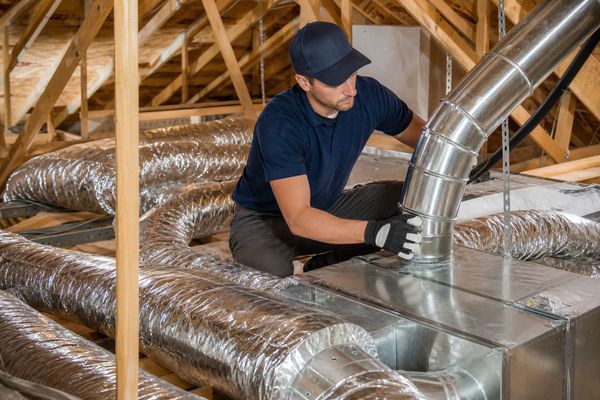
A quality heat pump installation starts with a proper assessment, not just swapping equipment. Expect the contractor to perform a Manual J load calculation to size the system to your home, evaluate your existing ductwork and electrical panel capacity, and confirm the best location for the outdoor unit.
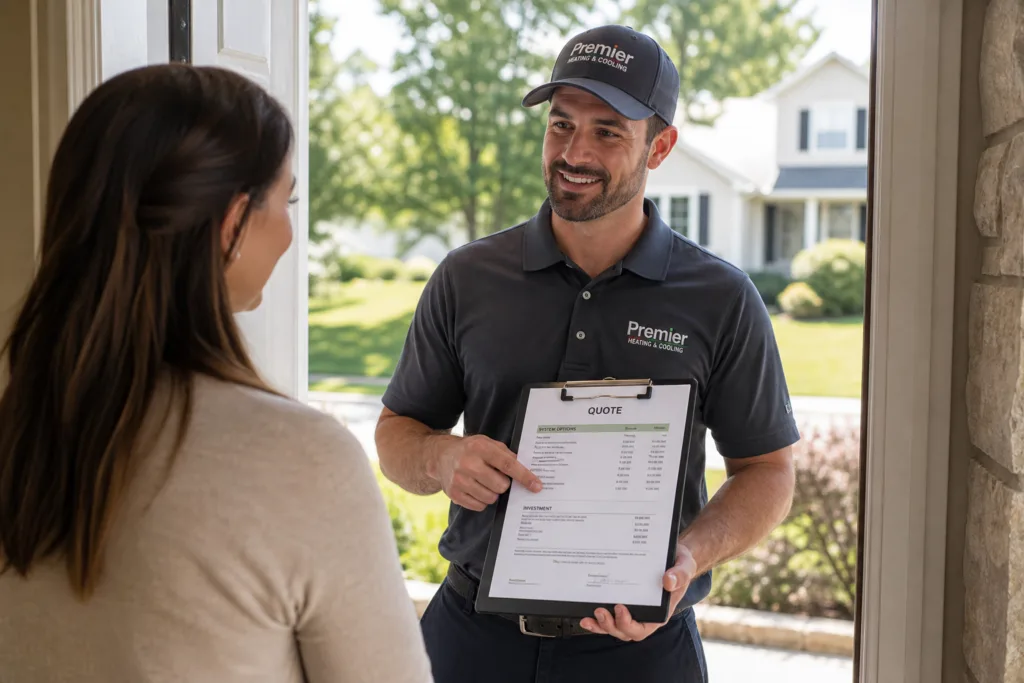
Written Proposal: You should receive an itemized quote covering equipment model and efficiency ratings, electrical work, refrigerant line sets, permits, and labor before anything begins.
Installation Timeline: Most residential heat pump installations take one to three days depending on whether ductwork or panel upgrades are needed — more involved than a repair, but a one-time investment in year-round comfort.
How to Keep Your Heat Pump Running Efficiently
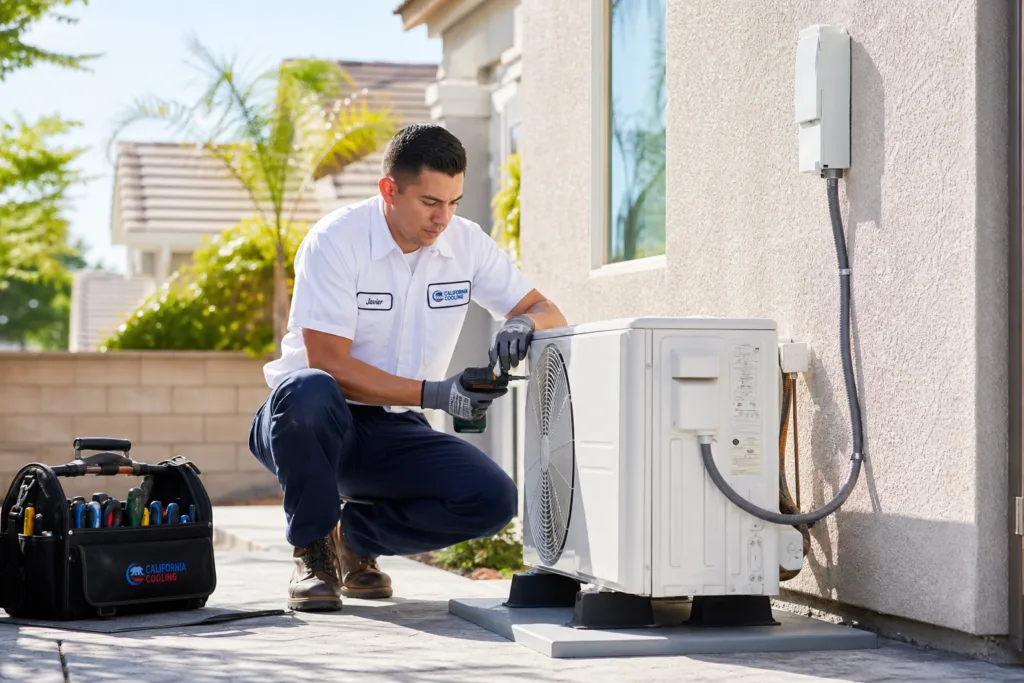
Annual professional maintenance is the single most effective way to extend the life of a heat pump and keep it running efficiently. A standard tune-up includes checking refrigerant charge, cleaning coils, inspecting the reversing valve and capacitors, verifying electrical connections, lubricating moving parts, and confirming thermostat calibration. Schedule this once a year — many homeowners choose spring so the system is ready for summer cooling demand.
Between professional visits, there are several things homeowners in Carlsbad can do themselves. Check and replace the air filter every one to three months depending on usage and the filter type — a clogged filter forces the system to work harder and can cause the indoor coil to freeze. Keep the outdoor unit clear of debris: leaves, dirt, and shrubs too close to the unit restrict airflow through the condenser coil and reduce efficiency. A gentle rinse with a garden hose once a season is usually sufficient to clean the outdoor coil fins.
Listen for changes in operating sounds and watch for any shift in how quickly the system reaches the set temperature. If you notice the outdoor unit icing up heavily during heating mode and it doesn't clear after a defrost cycle, or if the system is running for unusually long periods, these are signals to call a licensed technician before a small issue grows into a compressor failure.
A heat pump runs year-round, so consistent maintenance matters more than with a system used only seasonally.
Change Filters Regularly: Check the filter every one to three months — a clogged filter strains the system and can freeze the indoor coil.
Annual Professional Tune-Up: Schedule a yearly service to check refrigerant charge, clean both coils, inspect the reversing valve, and verify defrost operation.
Keep the Outdoor Unit Clear: In Carlsbad's coastal air, rinse salt residue off the outdoor coil each season and keep shrubs and debris clear to protect airflow and prevent corrosion.
Why Comparing Multiple Heat Pump Quotes Matters
When comparing heat pump installation quotes, the equipment model and its rated efficiency (SEER2 for cooling, HSPF2 for heating) should be the starting point. Ask each contractor to specify the brand and model number so you can verify the ratings independently. A lower-priced quote built around a lower-efficiency unit may cost more over time than a slightly higher quote with better equipment. California's Title 24 energy code sets minimum efficiency requirements for new HVAC installations, so confirm that all quoted equipment meets or exceeds those standards.
Sizing is equally important. A properly sized heat pump is determined by a Manual J load calculation — a detailed analysis of your home's square footage, insulation, window area, orientation, and local climate data. Be cautious of any contractor who sizes the system purely by square footage or by matching the capacity of your old unit without performing a load calculation. Both oversized and undersized systems cause comfort and reliability problems.
Beyond equipment, review what each quote includes for installation labor: permits, refrigerant line set work, electrical panel upgrades if needed, thermostat installation, and startup commissioning. Warranties should also be compared — both the manufacturer's equipment warranty and the contractor's labor warranty. A comprehensive quote from a licensed, insured contractor protects you if anything goes wrong during or after installation.

Heat pump installation quotes vary widely because equipment efficiency, sizing, and installation scope differ between contractors.
Equipment & Efficiency: Ask each contractor for the exact model and its SEER2/HSPF2 ratings — a cheaper quote on lower-efficiency equipment can cost more over time.
Proper Sizing: Confirm each quote is based on a Manual J calculation, not a guess from square footage.
Full Scope: Compare what's included — permits, electrical upgrades, line sets, thermostat, and both equipment and labor warranties — so you're comparing complete, itemized proposals rather than just a headline price.
Understanding What Affects Heat Pump Installation Cost
Heat pump installation costs vary based on several interconnected factors: the type of system (ducted split, ductless mini-split, or multi-zone), the efficiency tier of the equipment, the size of the home, and the complexity of the installation work required. Homes that already have functional ductwork in good condition will generally see lower total project costs than those requiring new duct installation alongside the heat pump.
Additional cost factors include whether the existing electrical panel can support the heat pump's requirements. Some older homes in Carlsbad may need a panel upgrade to accommodate modern heat pump electrical loads, particularly for larger whole-home systems. The location of the outdoor unit and the length of refrigerant line sets also influence labor costs, as difficult access points or longer runs require more installation time.
Incentives can meaningfully offset the upfront investment. Federal, state, and utility incentive programs may be available for qualifying heat pump installations, and eligibility requirements vary. A licensed contractor can identify which programs currently apply to your Carlsbad home. Requesting itemized quotes from multiple contractors and asking each one about available incentives is the most reliable way to understand your actual net cost before making a decision.
Heat pump project cost depends on the system type (ducted split, ductless mini-split, or multi-zone), the efficiency tier, your home's size, and how much installation work is required. Homes with existing ductwork in good shape generally cost less than those needing new ducts or an electrical panel upgrade.
Incentives can offset the investment — federal, state, and utility programs may be available, and a licensed contractor can tell you which currently apply to your Carlsbad home. Because the range is wide, comparing three itemized quotes is the most reliable way to understand your true net cost.
Heat Pumps Service Areas Near Carlsbad
Heat Pumps FAQ — Carlsbad Homeowners
How does a heat pump heat a home without burning fuel?
Are heat pumps effective in Southern California's climate?
What is the difference between a ducted heat pump and a ductless mini-split?
How long do heat pumps typically last?
Will a heat pump raise my electricity bill significantly?
Can a heat pump replace my existing gas furnace and central AC together?
What is SEER2 and why does it matter when choosing a heat pump?
Do heat pumps work with solar panels?
What is a Manual J load calculation and do I need one?
Are there rebates or incentives for heat pump installation in California?
How often does a heat pump need professional maintenance?
What permits are required for heat pump installation in California?
Related HVAC Services in Carlsbad
Air Conditioning
AC Replacement
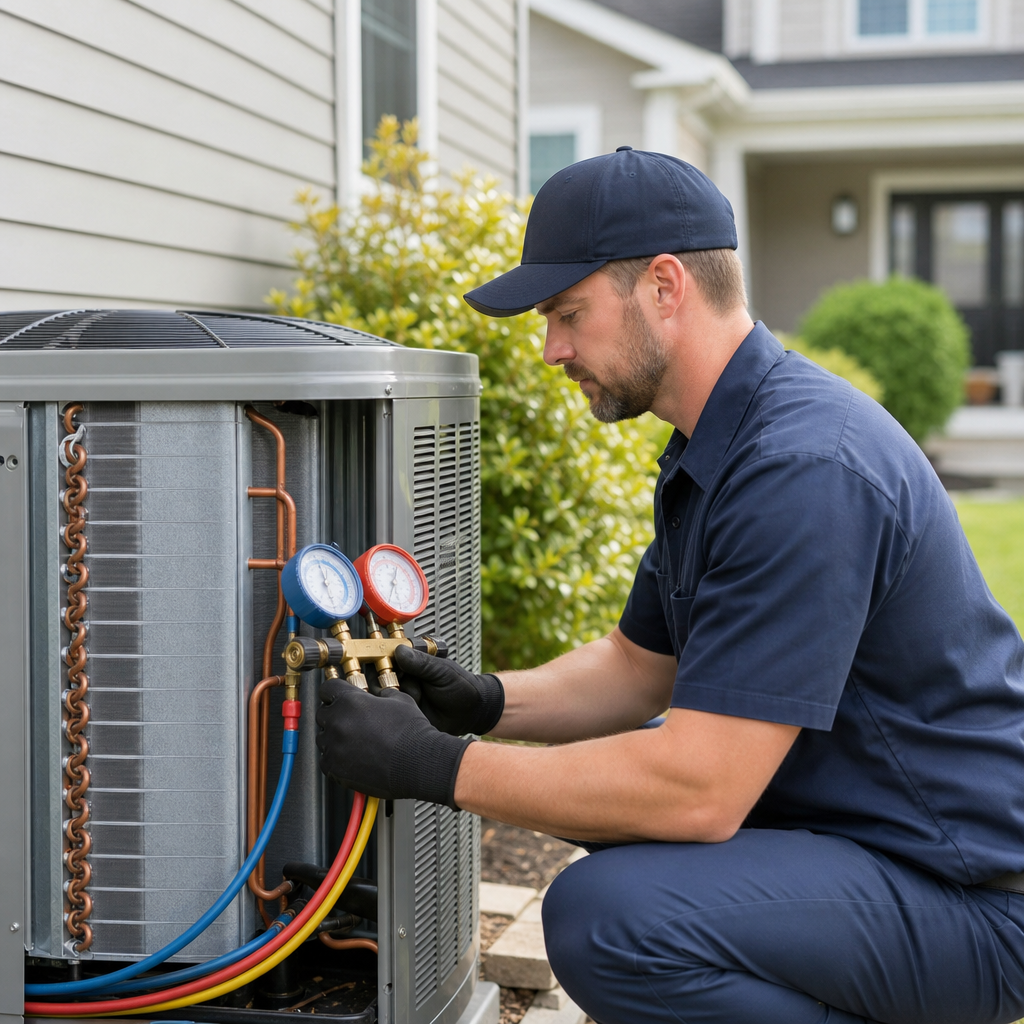
HVAC Maintenance & Tune-Up
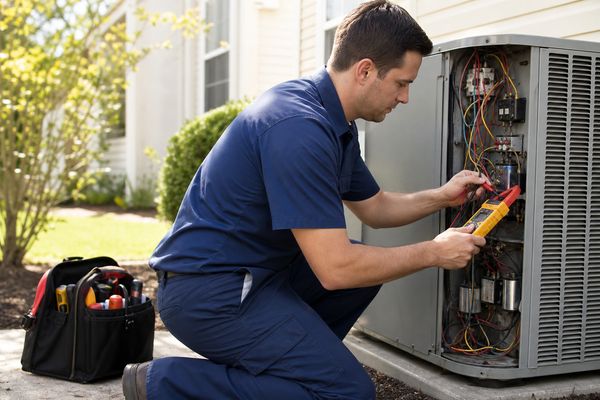
Heating & Furnace Repair
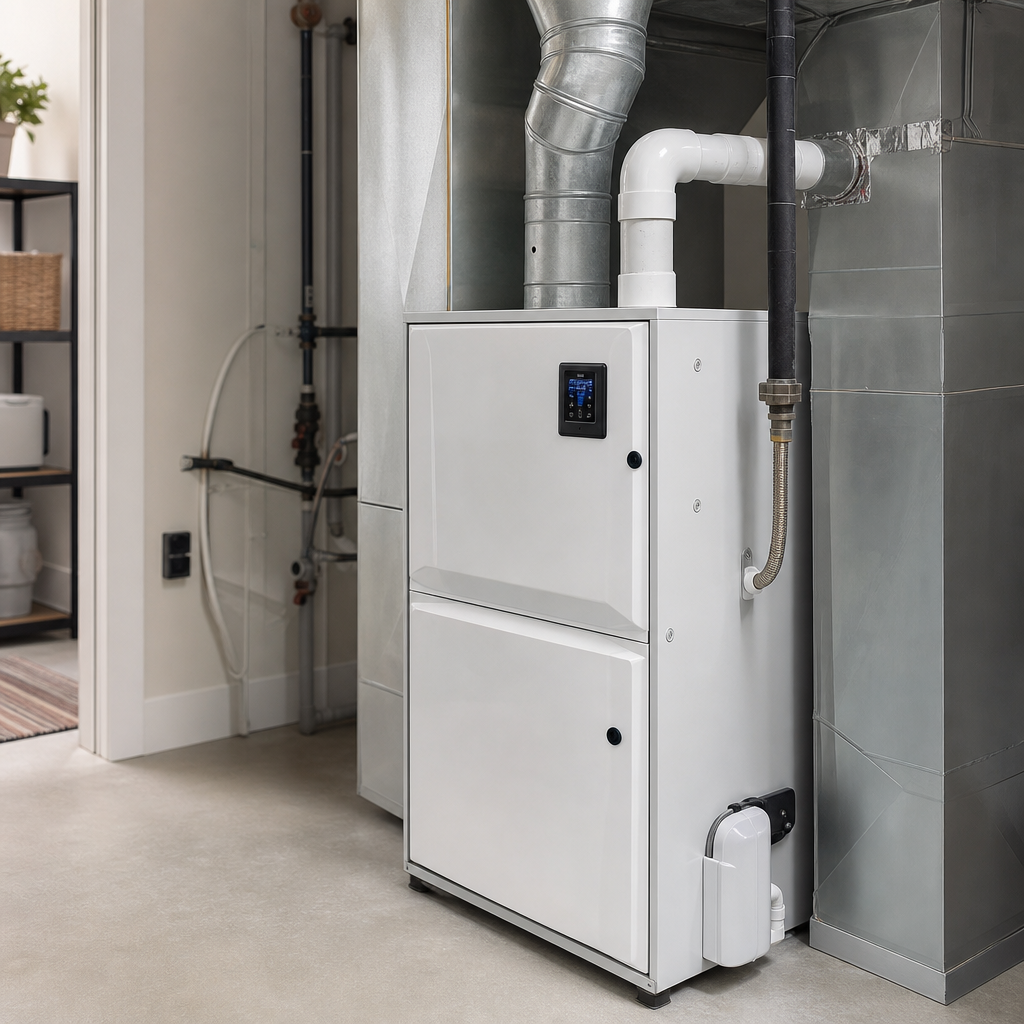
Furnace Replacement
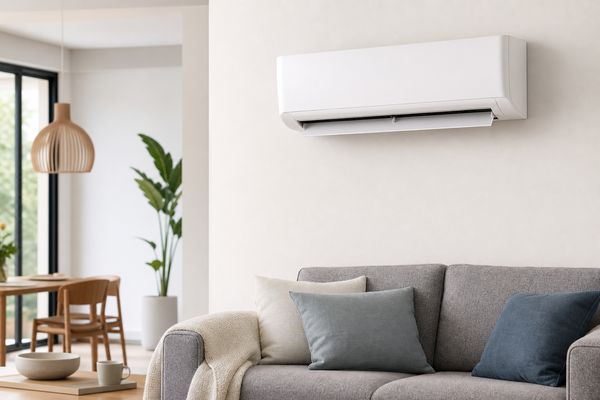
Mini-Splits & Ductless
Heat Pumps
Ductwork